

Mar . 06, 2026 02:35
Back to list
Find the Best Industrial Overlocker for Sale to Enhance Garment Production
Industrial Overlocker for Sale: A Comprehensive Guide
Finding the right industrial overlocker is crucial for efficient and high-quality garment production. Whether you're a small workshop or a large-scale manufacturer, choosing a durable, reliable, and feature-rich machine can significantly impact your output. This guide provides an in-depth look at industrial overlockers, covering key features, considerations when buying, and why Longsew offers some of the best options available. Investing in a quality overlocker ensures professional-looking finishes and long-term cost savings.
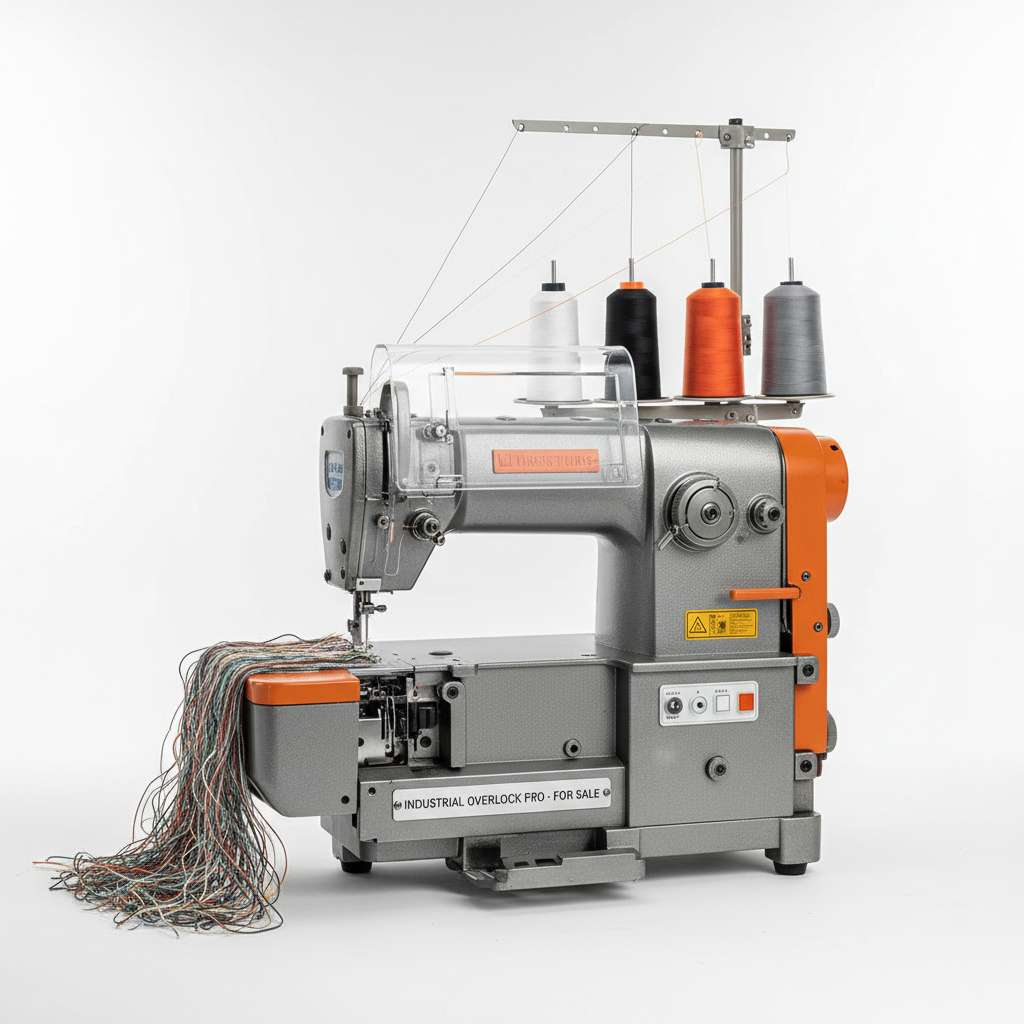
Key Features to Look for in an Industrial Overlocker
When selecting an industrial overlocker for sale, several features are paramount. Consider the number of threads (3, 4, 5, or 6), as this dictates the stitch type and versatility. Differential feed is essential for preventing puckering and stretching, particularly on knit fabrics. Automatic thread tension ensures consistent stitch quality. Furthermore, the machine's speed, stitch length adjustment, and the ease of maintenance are important factors. Look for machines with robust construction and high-quality components to ensure longevity and reduce downtime. Longsew's overlockers are engineered with these features in mind, offering superior performance and reliability.
Key Highlights: Robust construction, automatic thread tension, differential feed, and adjustable stitch length are essential features for a high-performing industrial overlocker.
Understanding Different Types of Industrial Overlockers
Industrial overlockers come in various configurations, each suited for specific applications. 3-thread overlockers are ideal for finishing lightweight fabrics and creating rolled hems. 4-thread overlockers provide a more secure seam and are commonly used for general garment construction. 5-thread overlockers offer enhanced durability and are often used for heavier fabrics or applications requiring increased strength. 6-thread overlockers combine overlocking and safety stitching for maximum seam security. Choosing the right type depends on the types of fabrics you work with and the desired seam finish. Longsew provides a wide selection of overlockers to meet diverse production needs.
Overlocker Types & Applications:
• 3-Thread: Lightweight fabrics, rolled hems
• 4-Thread: General garment construction
• 5-Thread: Heavy fabrics, increased seam strength
• 6-Thread: Maximum seam security, combined overlocking & safety stitching
Industrial Overlocker for Sale: Comparing Popular Models
When browsing an industrial overlocker for sale, comparing models is crucial. Factors like price, features, and reputation come into play. Here’s a comparison of some popular Longsew models:
Maintenance and Longevity of Your Industrial Overlocker
Regular maintenance is essential for extending the life of your industrial overlocker. This includes daily cleaning to remove lint and debris, regular lubrication of moving parts, and periodic blade sharpening. Proper oiling reduces friction and prevents wear and tear. Always use the correct type of oil recommended by the manufacturer. Additionally, check for loose screws and tighten them as needed. With proper care, a high-quality overlocker can provide years of reliable service.
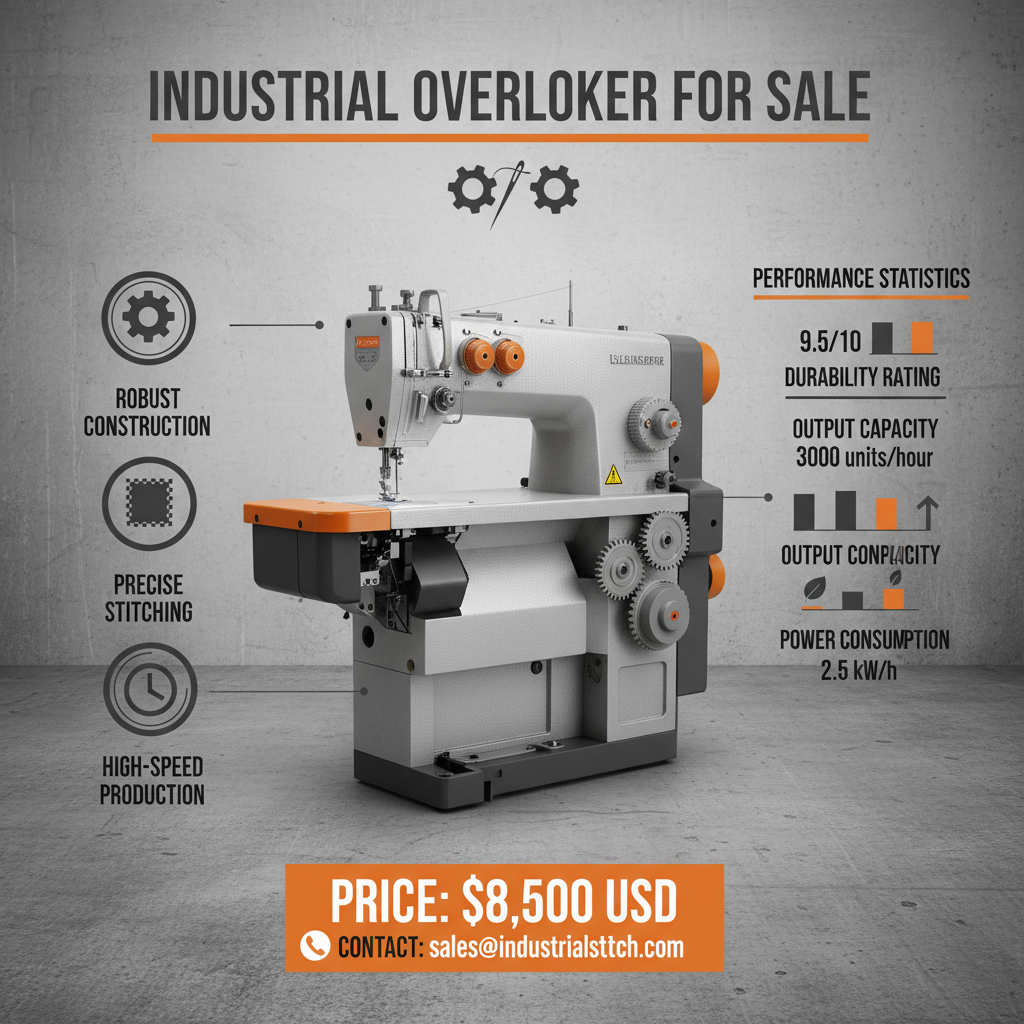
Choosing Longsew for Your Industrial Overlocker Needs
Longsew offers a comprehensive range of industrial overlockers designed for diverse applications and budgets. We are committed to providing high-quality machines, competitive pricing, and exceptional customer support. Our overlockers are built to withstand the demands of industrial production, ensuring durability and reliability. We also offer a variety of spare parts and accessories to keep your machine running smoothly. Contact us today to find the perfect industrial overlocker for sale for your business.
Conclusion: Investing in Quality for Long-Term Success
Choosing the right industrial overlocker is a crucial decision for any garment manufacturer. Longsew's commitment to quality, reliability, and customer support makes us a trusted partner. By investing in a Longsew overlocker, you're investing in efficiency, durability, and ultimately, the success of your business.
Frequently Asked Questions (FAQs)
What type of fabric is best suited for an industrial overlocker?
Industrial overlockers are incredibly versatile and can handle a wide range of fabrics, including woven, knit, and synthetic materials. However, the specific type of fabric may influence the choice of needle, thread, and stitch settings. For lightweight fabrics, a finer needle and lower thread tension are recommended. For heavier fabrics, a larger needle and higher thread tension may be necessary. Always test the settings on a scrap piece of fabric before starting your project. Longsew overlockers are designed to accommodate various fabric weights and types.
How often should I oil my industrial overlocker?
The frequency of oiling depends on the machine's usage. As a general guideline, oil the machine before each shift or at least once a week if it's used less frequently. Focus on lubricating all moving parts, including the needle bar, looper, and feed dogs. Using the correct type of oil is crucial to prevent damage. Refer to your machine's manual for specific oiling instructions. Consistent lubrication ensures smooth operation and prolongs the life of your machine.
What are the benefits of a 5-thread overlocker?
A 5-thread overlocker offers enhanced seam strength and durability compared to 3 or 4-thread models. The extra thread creates a more secure and professional finish, making it ideal for heavy-duty fabrics and garments that require a higher level of resilience. It’s frequently used in applications like activewear, outerwear, and industrial workwear where seam integrity is critical. The additional stitch also helps to prevent unraveling and provides a cleaner, more polished look.
What should I do if my overlocker skips stitches?
Skipped stitches can be caused by several factors. First, check that the needles are correctly inserted and in good condition. Ensure the machine is properly threaded, following the threading diagram in your manual. Adjust the thread tension and the presser foot pressure. If the problem persists, try replacing the needles and looper blades. If you’re still experiencing issues, consult a qualified sewing machine technician for assistance.
Latest news
-
Industrial Bag Sewing Machine Price and Comprehensive Buying GuideNewsApr.16,2026
-
Industrial Hand Held Bag Closer for Efficient Packaging SealingNewsApr.16,2026
-
Industrial Hand Held Bag Closer Sewing Machine for PackagingNewsApr.16,2026
-
Efficient Industrial Bag Closer Sewing Machine for PackagingNewsApr.16,2026
-
Industrial Sewing Guide for Choosing the Right Closer MachineNewsApr.16,2026
-
Guide to Capital Bag Closer Machine Price and Buying FactorsNewsApr.16,2026
-
Say goodbye to inefficient cutting! This heavy-duty webbing hot cutting machine redefines the new standard for industrial cuttingNewsApr.14,2026

Hebei LongSew Machinery Technology Co. Ltd is beginning as sewing machine parts supplier, now Longsew have over twenty years experience in complete set sewing machine offering.


CLASSIFICATION
CONTACT US
-

No.368 North Youyi Street, Shijiazhuang City, Hebei Province, China
-

-

Copyright © 2026 HEBEI LONGSEW MACHINERY TECHNOLOGY CO. LTD All Rights Reserved. Sitemap | Privacy Policy | Top Blog | Global Service