

Mar . 06, 2026 02:35
Back to list
What is a Serger A Comprehensive Guide to Overlock Machines
What is a Serger? A Comprehensive Guide
A serger, also known as an overlock machine, is a specialized sewing machine designed to finish raw fabric edges, prevent fraying, and create professional-looking seams. Unlike a standard sewing machine that simply stitches fabric together, a serger simultaneously sews, trims, and overcasts the edge of the fabric. This makes it a must-have tool for garment construction, quilting, and other sewing projects where durability and a clean finish are essential. If you're looking to elevate your sewing projects, understanding the capabilities of a serger is a fantastic starting point.
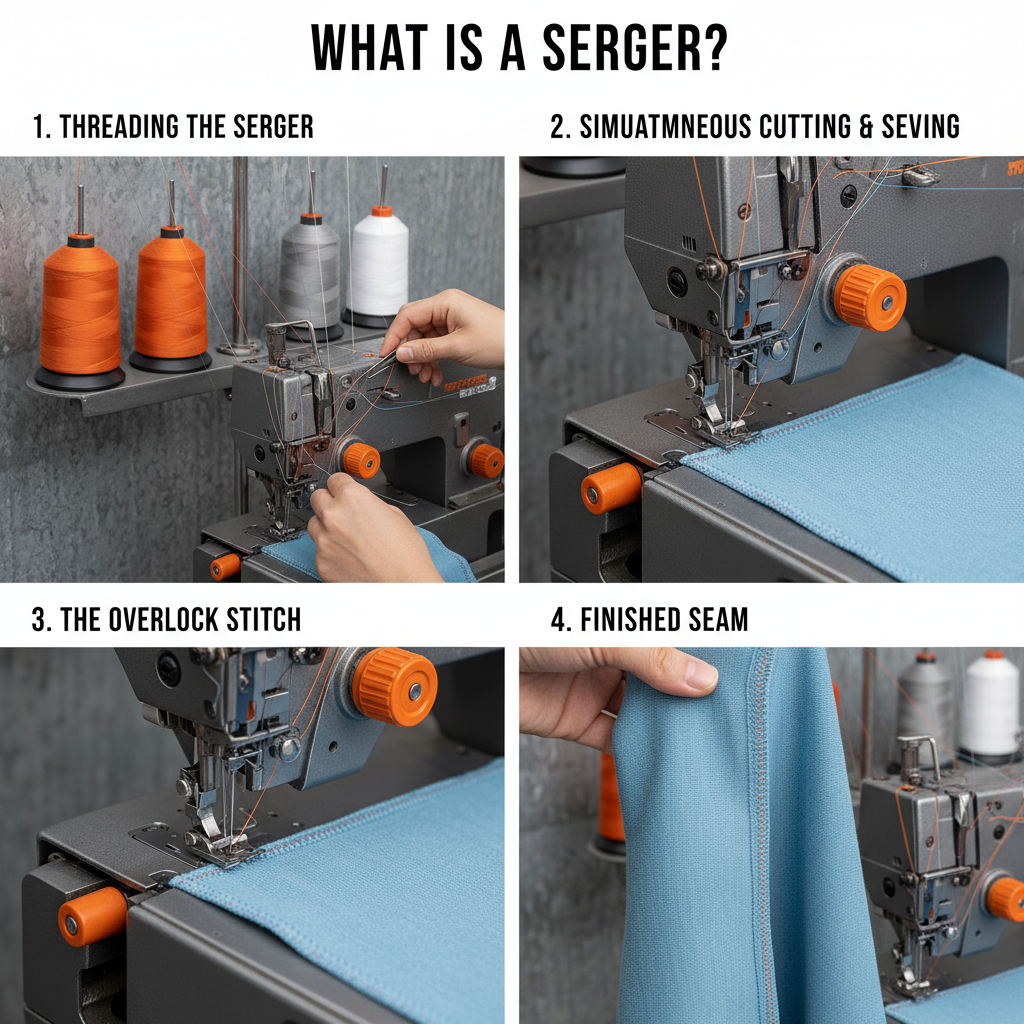
How Does a Serger Work?
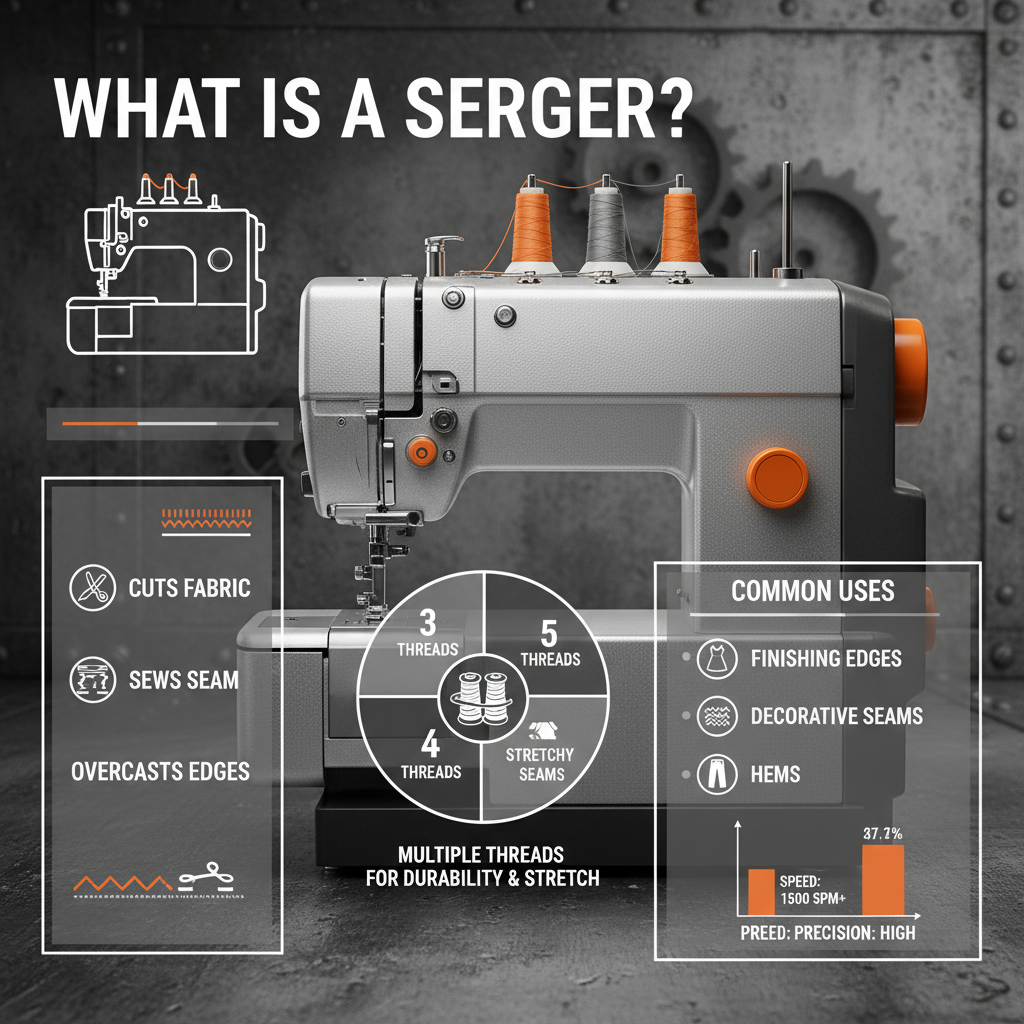
The magic of a serger lies in its multiple threads and looping mechanism. Typically, a serger uses 3, 4, or 5 threads simultaneously. As the fabric passes under the needles, the machine creates a looped overlock stitch that encases the edge, preventing unraveling. The built-in blade trims the excess fabric, resulting in a clean, professional finish. The tension of each thread can be adjusted to achieve different stitch types and effects. It’s a significant upgrade to the zigzag stitch finish commonly used on standard sewing machines, providing a stronger and more aesthetically pleasing result.
Key Takeaway: Sergers offer a faster, more durable, and professional finish compared to traditional seam finishing methods.
What are the Different Types of Sergers?
Sergers come in various configurations, each offering different capabilities. The most common types include:
- 3-Thread Serger: Basic serger suitable for finishing edges and light-weight fabrics.
- 4-Thread Serger: More versatile, offering stronger seams and the ability to create safety stitches.
- 5-Thread Serger: Provides the most comprehensive functionality, including chain stitch for decorative purposes and added seam strength.
- Coverstitch Serger: Specialized for creating professional hems and decorative topstitching.
Choosing the right serger depends on the types of projects you plan to undertake. For beginners and occasional use, a 4-thread serger is often a good starting point. Longsew offers a range of serger models to suit different needs.
Serger vs. Sewing Machine: A Detailed Comparison
While both sewing machines and sergers are essential tools for fabric work, they serve different purposes. A sewing machine excels at joining fabric pieces together, while a serger specializes in finishing edges and creating durable seams. Here's a breakdown of their key differences:
What Can You Make with a Serger?
The possibilities are endless! Sergers are ideal for creating:
- Garments: T-shirts, dresses, pants, skirts – a serger provides a professional finish on all types of clothing.
- Quilts: Quickly and easily finish quilt edges and join quilt layers.
- Home Decor: Pillowcases, curtains, and other home textiles benefit from the durable, finished seams a serger provides.
- Activewear: The stretch capability of a serger is perfect for working with spandex and other athletic fabrics.
With a little practice, you'll wonder how you ever sewed without one! Discover the wide range of serger machines available at Longsew.
Choosing the Right Serger for Your Needs
When selecting a serger, consider these factors:
- Number of Threads: Determine how versatile you need the machine to be.
- Ease of Use: Look for features like color-coded threading guides and adjustable stitch length.
- Budget: Serger prices vary widely.
- Brand Reputation: Research reliable brands known for quality and durability.
Investing in a quality serger will pay dividends in terms of time saved and the professional look of your finished projects.
Conclusion: Unlock Your Sewing Potential with a Serger
A serger is a powerful tool that can significantly enhance your sewing experience. From creating professional finishes to tackling a wider range of projects, a serger opens up a world of possibilities. Don't hesitate to invest in this invaluable addition to your sewing room!
Frequently Asked Questions (FAQs)
What is the learning curve for using a serger?
While sergers may seem intimidating at first, the learning curve isn't steep. The most challenging aspect is typically threading the machine, but modern sergers often feature color-coded threading guides to simplify the process. Many online tutorials and resources are available to help you master serger techniques. Start with basic projects and gradually increase complexity as you gain confidence. Practice is key! With a bit of patience, you’ll be creating beautiful, professional-looking seams in no time. Longsew’s website also has helpful resources for beginners.
What type of fabric can a serger handle?
Sergers are incredibly versatile and can handle a wide range of fabrics, including knit, woven, and delicate materials like silk and chiffon. However, the appropriate needle and thread settings will vary depending on the fabric type. Generally, a finer needle and lighter thread are recommended for delicate fabrics, while heavier materials require a stronger needle and thread. Experimenting with different settings is essential to achieve optimal results.
Do I need to use special thread for a serger?
While you can use standard sewing machine thread in a serger, it's generally recommended to use serger-specific thread, also known as cone thread. Cone thread is designed to flow smoothly through the serger's loopers and tensioners, resulting in a more consistent stitch. It's also typically more affordable than spool thread, as it comes in larger cones. Using the correct thread ensures optimal performance and prevents issues like thread breakage or uneven stitching.
How often should I oil my serger?
Regular oiling is crucial for maintaining the smooth operation of your serger. The frequency of oiling depends on how often you use the machine. As a general guideline, oil your serger after every 8 hours of use, or at least once a month. Refer to your serger's manual for specific oiling instructions and recommended oil types. Proper lubrication ensures that the moving parts of the machine operate efficiently and prevents premature wear and tear.
Latest news
-
Industrial Bag Sewing Machine Price and Comprehensive Buying GuideNewsApr.16,2026
-
Industrial Hand Held Bag Closer for Efficient Packaging SealingNewsApr.16,2026
-
Industrial Hand Held Bag Closer Sewing Machine for PackagingNewsApr.16,2026
-
Efficient Industrial Bag Closer Sewing Machine for PackagingNewsApr.16,2026
-
Industrial Sewing Guide for Choosing the Right Closer MachineNewsApr.16,2026
-
Guide to Capital Bag Closer Machine Price and Buying FactorsNewsApr.16,2026
-
Say goodbye to inefficient cutting! This heavy-duty webbing hot cutting machine redefines the new standard for industrial cuttingNewsApr.14,2026

Hebei LongSew Machinery Technology Co. Ltd is beginning as sewing machine parts supplier, now Longsew have over twenty years experience in complete set sewing machine offering.


CLASSIFICATION
CONTACT US
-

No.368 North Youyi Street, Shijiazhuang City, Hebei Province, China
-

-

Copyright © 2026 HEBEI LONGSEW MACHINERY TECHNOLOGY CO. LTD All Rights Reserved. Sitemap | Privacy Policy | Top Blog | Global Service