

Mar . 08, 2026 02:05
Back to list
Find the Best Commercial Serger for Sale and Enhance Your Sewing
Commercial Serger for Sale: A Comprehensive Guide
Are you looking to upgrade your sewing capabilities with a robust and efficient machine? A commercial serger is an invaluable asset for businesses and serious sewing enthusiasts. This guide explores everything you need to know about choosing the right commercial serger, including features, benefits, and where to find the best deals. Investing in a high-quality serger can significantly improve your production speed and the overall quality of your finished products. Longsew offers a wide range of options to suit your specific needs.
Why Choose a Commercial Serger?
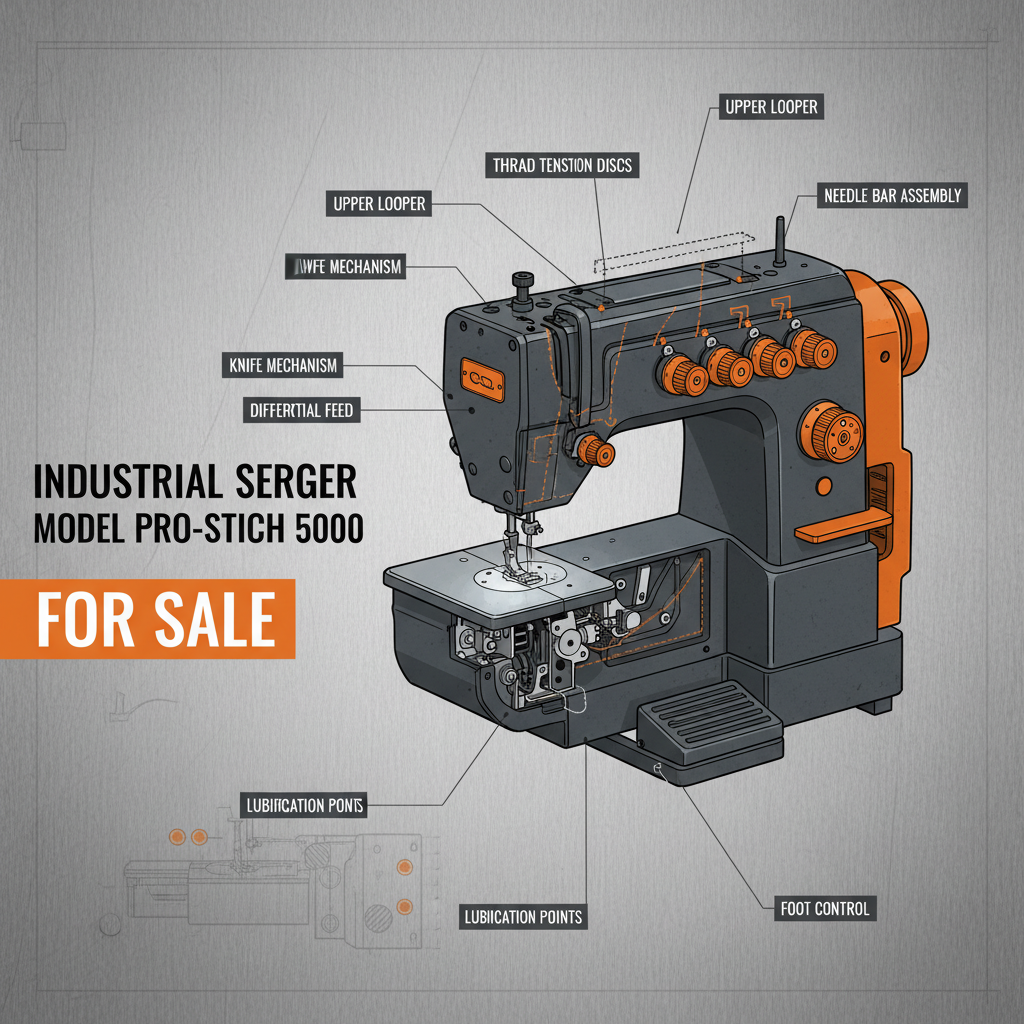
Commercial sergers are built to withstand the demands of heavy use. Unlike domestic machines, they feature more powerful motors, durable components, and larger work areas. This translates to increased productivity, reduced downtime, and consistently professional results. They excel at finishing raw edges, creating rolled hems, and joining fabrics quickly and neatly. For businesses producing garments, upholstery, or other sewn products, a commercial serger is a worthwhile investment. They provide a level of efficiency and quality that domestic machines simply can’t match. Longsew’s range provides solutions for a variety of applications.
Key Benefits: Increased productivity, enhanced seam quality, durable construction, larger work area, and suitability for various fabric types.
Key Features to Look for in a Commercial Serger
When choosing a commercial serger for sale, consider several key features. The number of threads (3, 4, or 5) determines the types of stitches you can create. Automatic threaders significantly reduce setup time. Differential feed allows you to adjust the fabric feed for optimal results with stretchy or delicate materials. Look for a machine with adjustable stitch length and width, and a robust presser foot system. A larger throat space is ideal for handling bulky fabrics. Ultimately, choose a machine that aligns with the specific needs of your business or sewing projects. Longsew offers models with a variety of these features.
Essential Features:
• Number of Threads: 3, 4, or 5
• Automatic Threaders
• Differential Feed
• Adjustable Stitch Length/Width
Comparing Popular Commercial Serger Models
The market offers a diverse range of commercial sergers. Here's a comparison of a few popular models to help you make an informed decision:
Where to Buy a Commercial Serger
When searching for a commercial serger for sale, it’s essential to choose a reputable supplier. Longsew is a leading provider of industrial sewing machines, offering a wide selection of sergers, competitive pricing, and excellent customer support. We provide direct sales, and fast shipping. Consider your budget, desired features, and the level of support you require when making your decision.
Maintenance Tips for Long-Lasting Performance
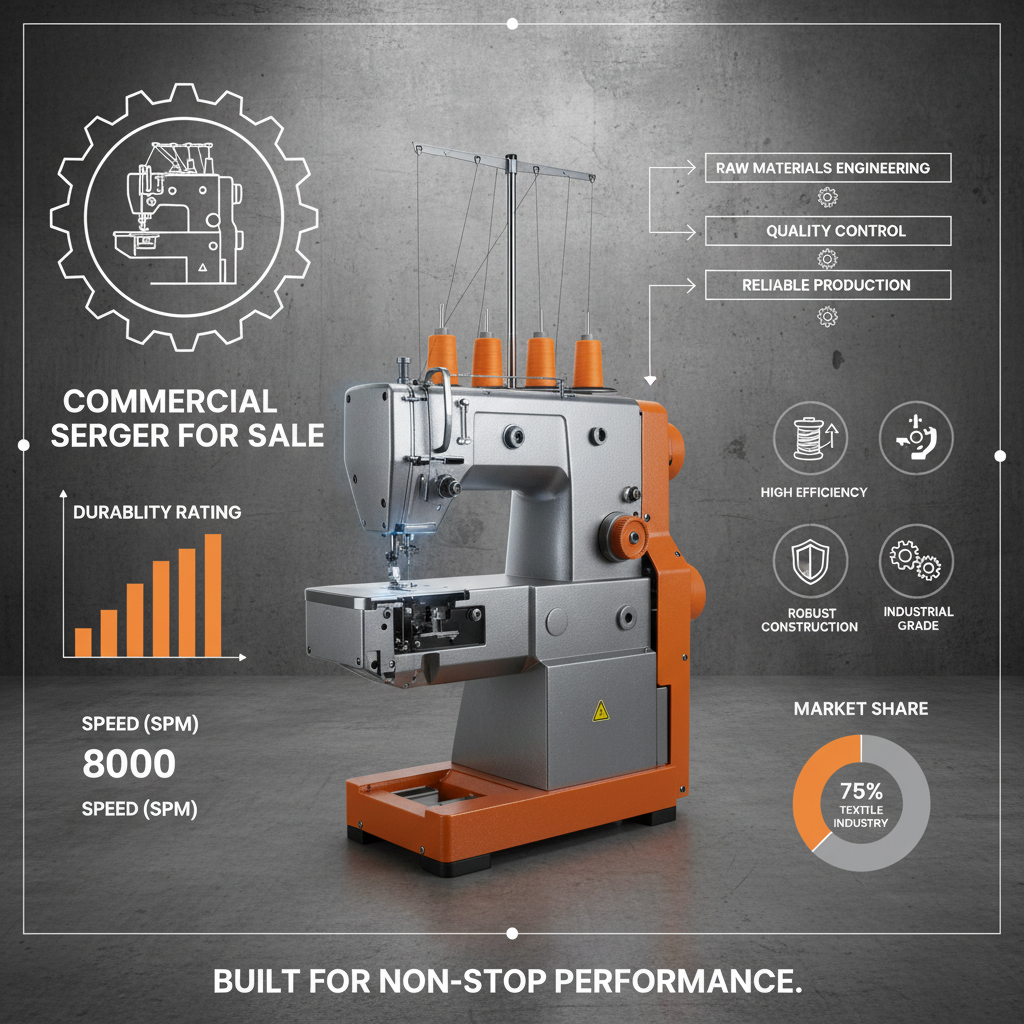
Proper maintenance is crucial for extending the lifespan of your commercial serger. Regularly clean the machine to remove lint and debris. Lubricate moving parts according to the manufacturer's instructions. Replace needles and blades frequently to ensure optimal cutting quality. Inspect and clean the tension discs regularly. Following these simple maintenance tips will help your serger run smoothly and efficiently for years to come. Longsew offers maintenance services and spare parts.
Conclusion: Finding the Right Commercial Serger
Investing in a commercial serger is a smart move for any business or serious sewing enthusiast. By carefully considering your needs and choosing a reputable supplier like Longsew, you can find a machine that delivers exceptional performance and lasting value. Don't hesitate to contact us today to discuss your specific requirements and find the perfect serger for your operation.
Frequently Asked Questions (FAQs)
What is the difference between a commercial and a domestic serger?
Commercial sergers are built for heavy-duty, continuous use, featuring more powerful motors, durable components, and larger capacity. They typically offer faster stitching speeds and are designed to handle thicker and more challenging fabrics. Domestic sergers are suitable for occasional home use and lighter-weight projects. The cost and lifespan also differ significantly; commercial sergers are an investment designed to last for years with proper maintenance, while domestic models are generally less expensive but have a shorter lifespan.
How often should I change the needles in my commercial serger?
The frequency of needle changes depends on usage and the type of fabric being sewn. However, as a general guideline, you should change the needles after every 8 hours of continuous use, or more frequently if you are sewing through thick or abrasive materials. Dull needles can cause skipped stitches, fabric damage, and increased strain on the machine. Always use the correct type and size of needle for the fabric you are working with.
What type of maintenance is required for a commercial serger?
Regular maintenance includes cleaning the machine to remove lint and debris, lubricating moving parts, replacing needles and blades, and inspecting and cleaning the tension discs. It’s also important to check the belts and adjust tension as needed. Following the manufacturer’s instructions for maintenance is crucial to ensure optimal performance and longevity. Longsew provides comprehensive maintenance support and resources.
What are the benefits of a 4-thread serger versus a 3-thread serger?
A 4-thread serger creates a more secure and durable seam than a 3-thread serger. It’s ideal for fabrics that are prone to fraying or require a stronger seam, such as knits and woven fabrics used in garment construction. A 3-thread serger is often used for finishing raw edges or creating rolled hems on lighter-weight fabrics. The choice depends on the specific application and the type of fabric you’re working with.
Latest news
-
Industrial Bag Sewing Machine Price and Comprehensive Buying GuideNewsApr.16,2026
-
Industrial Hand Held Bag Closer for Efficient Packaging SealingNewsApr.16,2026
-
Industrial Hand Held Bag Closer Sewing Machine for PackagingNewsApr.16,2026
-
Efficient Industrial Bag Closer Sewing Machine for PackagingNewsApr.16,2026
-
Industrial Sewing Guide for Choosing the Right Closer MachineNewsApr.16,2026
-
Guide to Capital Bag Closer Machine Price and Buying FactorsNewsApr.16,2026
-
Say goodbye to inefficient cutting! This heavy-duty webbing hot cutting machine redefines the new standard for industrial cuttingNewsApr.14,2026

Hebei LongSew Machinery Technology Co. Ltd is beginning as sewing machine parts supplier, now Longsew have over twenty years experience in complete set sewing machine offering.


CLASSIFICATION
CONTACT US
-

No.368 North Youyi Street, Shijiazhuang City, Hebei Province, China
-

-

Copyright © 2026 HEBEI LONGSEW MACHINERY TECHNOLOGY CO. LTD All Rights Reserved. Sitemap | Privacy Policy | Top Blog | Global Service