

Mar . 09, 2026 01:55
Back to list
Boost Garment Production with a Coverstitch Overlock Machine from Longsew
Understanding the Power of a Coverstitch Overlock Machine
In the dynamic world of textile manufacturing and garment creation, efficiency and quality are paramount. The coverstitch overlock machine emerges as a critical tool, offering a unique combination of functionalities that streamline production and enhance the final product. This article delves into the benefits, applications, key features, and selection criteria for these versatile machines, providing valuable insights for businesses seeking to elevate their garment manufacturing processes. We will explore how choosing the right machine can significantly impact production speed, product quality, and overall cost-effectiveness.
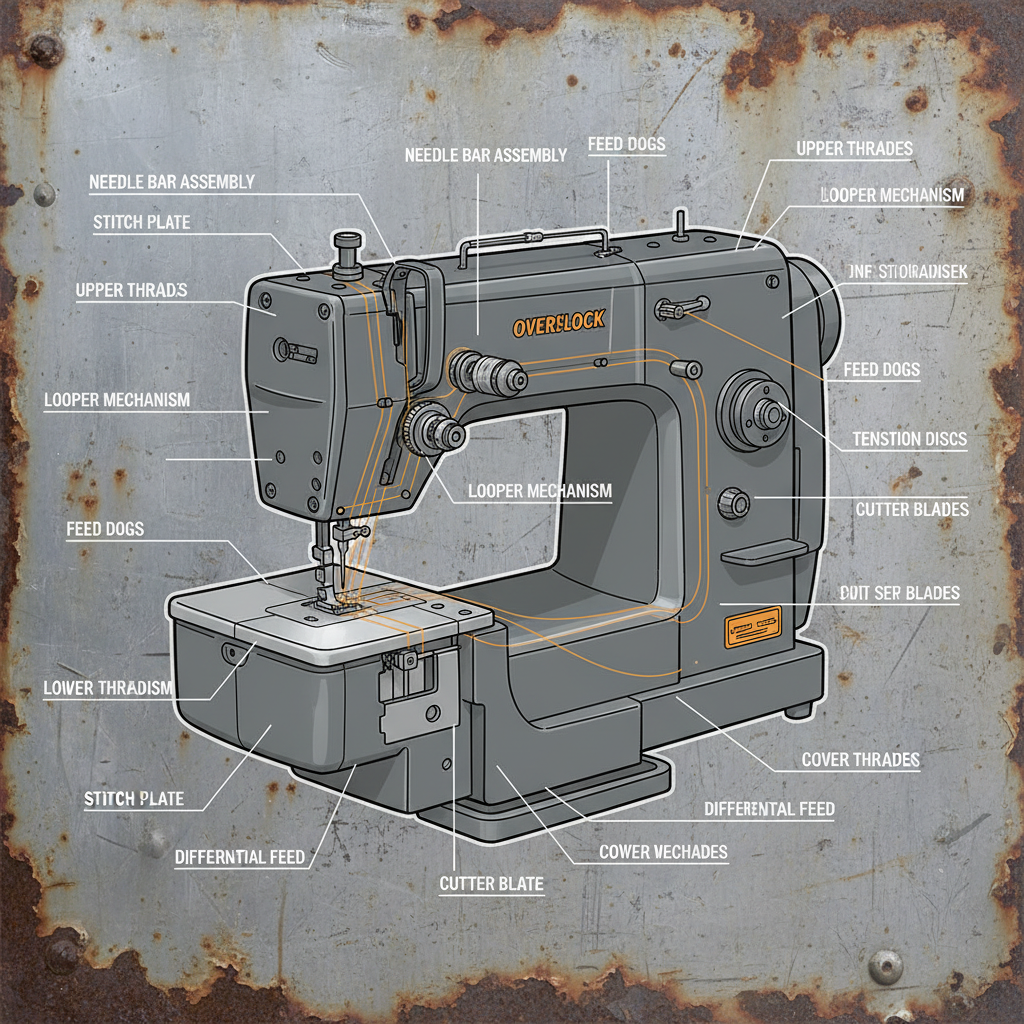
What is a Coverstitch Overlock Machine?
A coverstitch overlock machine blends the functionalities of both coverstitch and overlock sewing. The overlock part secures the fabric edge, preventing fraying, while the coverstitch creates parallel rows of stitching on the right side of the fabric. This results in a professional-looking seam often seen on sportswear, knitwear, and ready-to-wear garments. Unlike a regular overlock machine which primarily finishes raw edges, a coverstitch overlock machine produces a more decorative and robust seam. Longsew offers a comprehensive range of these machines catering to diverse needs.
Key Benefit: Combines edge finishing and decorative stitching, streamlining the garment production process and enhancing aesthetic appeal.
Applications of Coverstitch Overlock Machines
These machines are incredibly versatile and used across a wide range of garment types. Popular applications include: creating flatlock seams on athletic wear, finishing hems on t-shirts and sweatshirts, constructing decorative details on jeans, and assembling lingerie and swimwear. They're especially well-suited for fabrics with stretch, such as knits and spandex, where a flexible and durable seam is required. Furthermore, the machines can be used in creating ruffles or gathers on fabrics.
Common Applications:
• Sportswear & Athletic Wear
• Knitwear (T-shirts, Sweatshirts)
• Jeans and Denim
• Lingerie and Swimwear
Coverstitch vs. Overlock: Key Differences and When to Choose
While both machines serve a purpose in fabric finishing, they operate differently and achieve distinct results. An overlock machine primarily creates a secure edge, while a coverstitch machine creates a visible, decorative seam. The choice depends on the desired aesthetic and functional requirements of the garment.
Choosing the Right Coverstitch Overlock Machine: Key Considerations
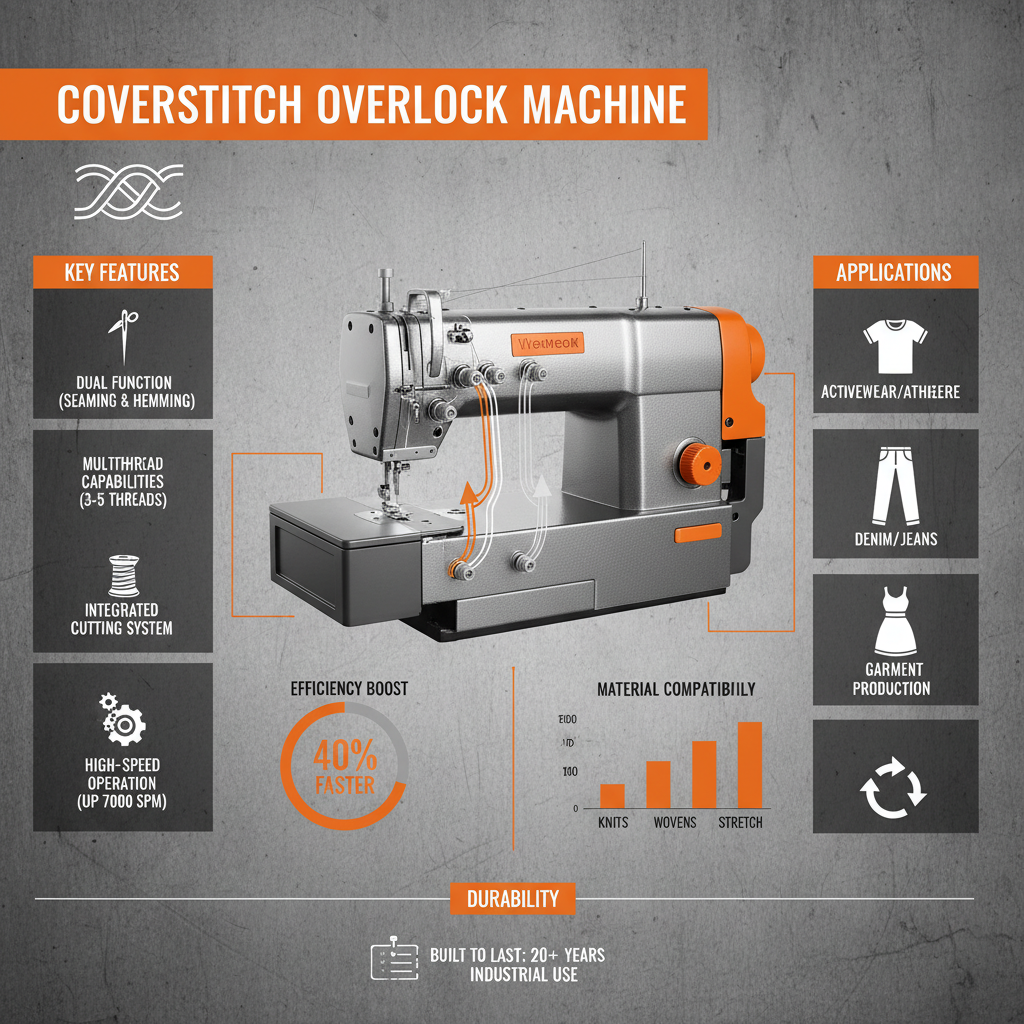
Selecting the ideal machine requires careful consideration of several factors. Needle count is crucial; machines with more needles create wider and more intricate coverstitches. The type of fabric you primarily work with also plays a role. Look for features like adjustable stitch length, differential feed, and automatic thread trimming for enhanced efficiency. Furthermore, consider the machine’s capacity and speed, ensuring it can handle your production volume. Longsew provides detailed specifications and expert guidance to help you make the best decision.
Longsew’s Range of Coverstitch Overlock Machines
Longsew offers a diverse range of coverstitch overlock machines to suit varying production needs and budgets. Our machines are known for their durability, precision, and ease of use. We provide machines with different needle configurations, stitch patterns, and automation features. We also offer comprehensive after-sales support and maintenance services to ensure your continued success.
Conclusion: Elevate Your Garment Production with Longsew
Investing in a high-quality coverstitch overlock machine from Longsew is a strategic move for any garment manufacturing business. Our machines deliver exceptional performance, reliability, and versatility, enabling you to enhance product quality, streamline production processes, and achieve greater profitability. Explore our range today and discover the perfect solution for your needs.
Frequently Asked Questions (FAQs)
What types of fabrics are best suited for a coverstitch overlock machine?
Coverstitch overlock machines excel with knit and stretch fabrics like spandex, lycra, and jersey, as the coverstitch provides a flexible and durable seam that won't break when stretched. They are also suitable for lightweight woven fabrics, but require careful adjustment of tension and stitch length. For heavier woven fabrics, a standard overlock machine might be more appropriate. The key is to experiment with test samples to determine the optimal settings for each fabric type.
How do I maintain a coverstitch overlock machine?
Regular maintenance is essential for optimal performance. This includes daily cleaning of lint and debris, lubricating moving parts as recommended in the machine’s manual, and replacing needles and looper cones when they become dull or damaged. Proper threading is also crucial, and it's important to use high-quality thread designed for coverstitch machines. Annual professional servicing by a qualified technician is also recommended.
What is the difference between a chain stitch and a coverstitch?
Both chain stitch and coverstitch involve looping the thread, but they differ in how the loops are formed and presented. A chain stitch creates a single row of interlocking loops on one side of the fabric, resembling a chain. A coverstitch creates parallel rows of stitching on both sides of the fabric, with the loops interlocked on the underside, providing a more secure and finished appearance. The coverstitch is often preferred for its stretchability and durability.
Where can I find spare parts for my Longsew coverstitch overlock machine?
Longsew maintains a comprehensive inventory of spare parts for all our machines. You can easily order parts directly through our website or by contacting our customer support team. We also have a network of authorized service centers that can provide assistance with repairs and parts replacement.
Latest news
-
Industrial Bag Sewing Machine Price and Comprehensive Buying GuideNewsApr.16,2026
-
Industrial Hand Held Bag Closer for Efficient Packaging SealingNewsApr.16,2026
-
Industrial Hand Held Bag Closer Sewing Machine for PackagingNewsApr.16,2026
-
Efficient Industrial Bag Closer Sewing Machine for PackagingNewsApr.16,2026
-
Industrial Sewing Guide for Choosing the Right Closer MachineNewsApr.16,2026
-
Guide to Capital Bag Closer Machine Price and Buying FactorsNewsApr.16,2026
-
Say goodbye to inefficient cutting! This heavy-duty webbing hot cutting machine redefines the new standard for industrial cuttingNewsApr.14,2026

Hebei LongSew Machinery Technology Co. Ltd is beginning as sewing machine parts supplier, now Longsew have over twenty years experience in complete set sewing machine offering.


CLASSIFICATION
CONTACT US
-

No.368 North Youyi Street, Shijiazhuang City, Hebei Province, China
-

-

Copyright © 2026 HEBEI LONGSEW MACHINERY TECHNOLOGY CO. LTD All Rights Reserved. Sitemap | Privacy Policy | Top Blog | Global Service