

Mar . 08, 2026 02:05
Back to list
Find the Best Cheap Overlock Machine For Your Sewing Needs and Projects
Finding the Best Cheap Overlock Machine for Your Needs
Looking for a reliable and affordable overlock machine? Whether you're a beginner seamstress, a small business owner, or a frequent crafter, choosing the right machine doesn't have to break the bank. This guide will explore what to look for in a cheap overlock machine, key features, and some excellent options to consider. Investing in the right machine can significantly improve the quality and efficiency of your sewing projects. We’ll cover everything from stitch types to thread handling, helping you make an informed decision.
What to Consider When Buying a Cheap Overlock Machine
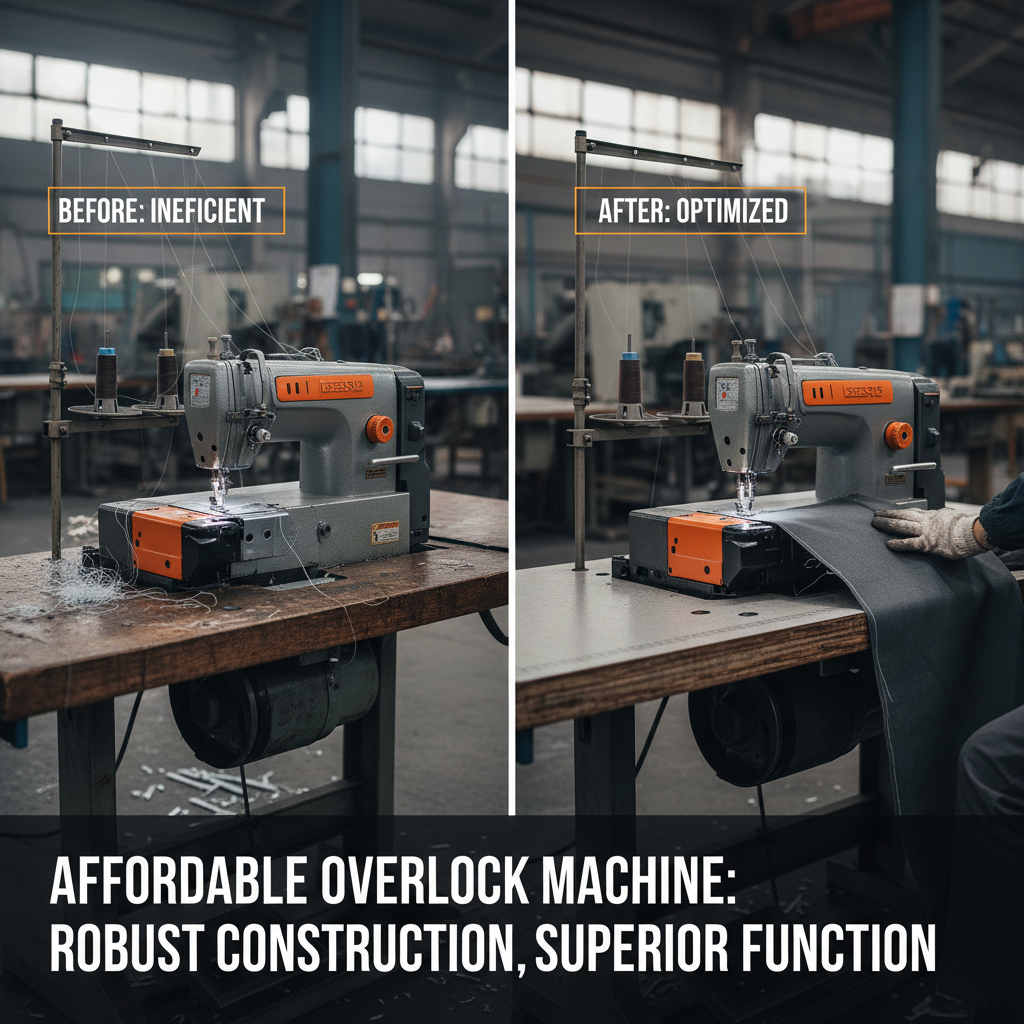
When searching for a cheap overlock machine, prioritize essential features. Stitch options are crucial; look for a machine that offers at least a standard overlock stitch, a rolled hem stitch, and potentially a flatlock stitch. Threading ease is another vital factor – some machines are easier to thread than others, which can save you significant time and frustration. The machine’s ability to handle different fabric types, from lightweight knits to heavier denims, is also important. Consider the machine's durability and the availability of spare parts. Finally, read customer reviews to get insights into real-world performance and reliability. Longsew offers a variety of options that balance affordability with functionality.
Key Considerations: Stitch options, Threading ease, Fabric compatibility, Durability, Customer Reviews.
Essential Features to Look For
Beyond the basics, several features can enhance your overlocking experience. A differential feed is incredibly useful for preventing wavy seams or puckering, particularly when working with stretchy fabrics. Adjustable stitch length and width allow for greater control over the finished look. Built-in lights illuminate the sewing area, reducing eye strain. A free arm can be helpful for sewing cuffs and sleeves. Some overlock machines also include a trash bin to collect fabric scraps, keeping your workspace clean. Look for a machine with a sturdy frame and reliable motor for long-lasting performance. These features, even in a cheap overlock machine, can make a huge difference.
Feature Benefits:
• Differential Feed: Prevents wavy seams and puckering.
• Adjustable Stitch Length/Width: Enhanced control over finish.
• Built-in Lights: Reduced eye strain.
• Free Arm: Easier sewing of cuffs and sleeves.
Comparing Popular Cheap Overlock Machine Models
Several brands offer competitively priced overlock machines. Here’s a quick comparison to help you narrow down your options:
Longsew: A Reliable Source for Affordable Overlock Machines
Longsew provides a range of cheap overlock machines designed for both beginners and experienced sewers. They are known for their commitment to quality, durability, and customer support. Their machines often include features typically found in more expensive models, offering excellent value for money. Longsew’s website provides detailed product specifications, user manuals, and helpful resources to assist you in making the right choice. They also offer competitive pricing and reliable shipping options.
Maintaining Your Overlock Machine
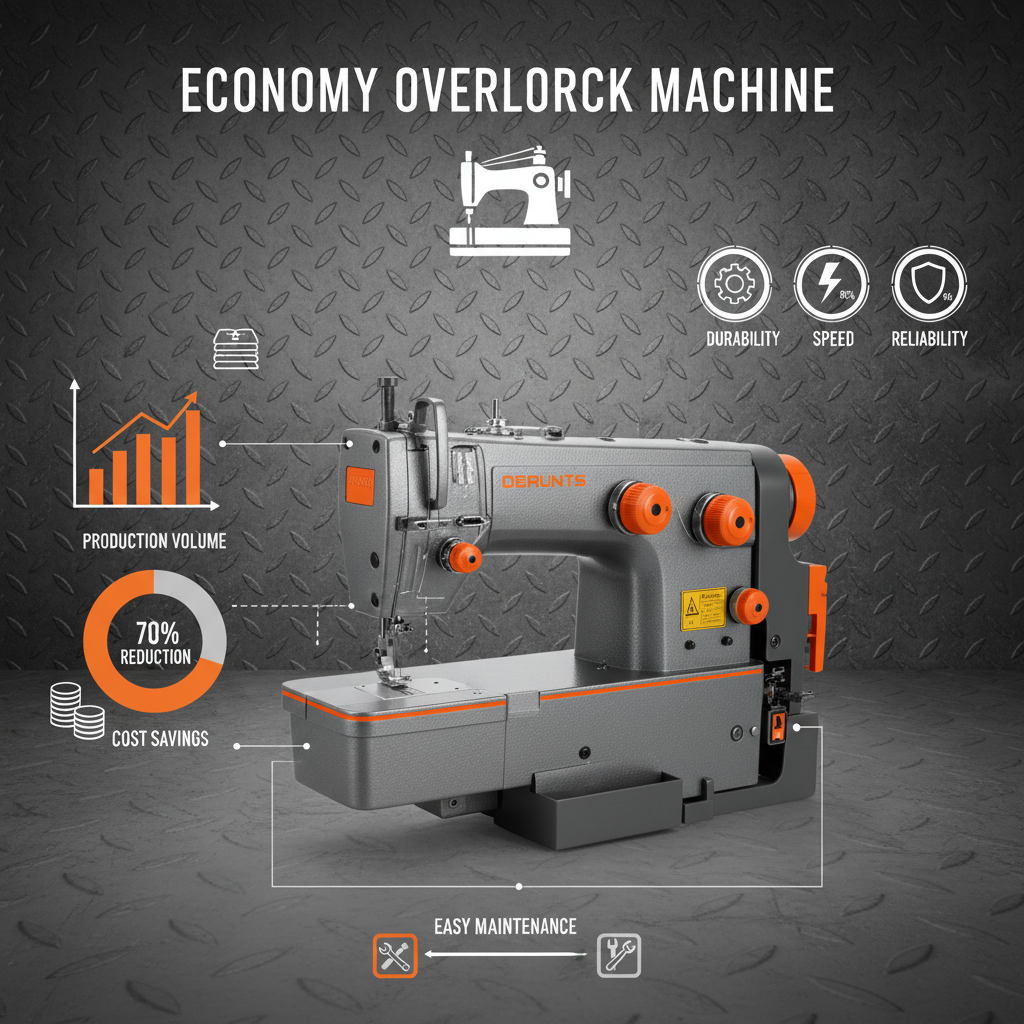
Regular maintenance is crucial for extending the life of your overlock machine. This includes regular cleaning to remove lint and debris, oiling moving parts to ensure smooth operation, and replacing needles and blades as needed. Refer to your machine's manual for specific maintenance instructions. Proper maintenance will prevent breakdowns, maintain stitch quality, and ensure your machine continues to perform optimally for years to come. Ignoring maintenance can lead to costly repairs and reduced performance.
Conclusion: Finding the Right Cheap Overlock Machine
Choosing a cheap overlock machine requires careful consideration of your needs and budget. By prioritizing essential features, comparing models, and focusing on reliable brands like Longsew, you can find a machine that delivers excellent performance and value. Don't compromise on quality – invest in a machine that will help you create professional-looking results.
Frequently Asked Questions (FAQs)
What type of fabric is best suited for overlock machines?
Overlock machines excel at finishing the edges of knit fabrics to prevent fraying, making them ideal for t-shirts, leggings, and other stretchy garments. However, they can also handle woven fabrics effectively. Using the correct needle and stitch settings is crucial for optimal results with different fabric types. Lightweight fabrics benefit from finer needles and lower tension, while heavier fabrics require stronger needles and higher tension. Understanding your fabric's properties will help you achieve professional-quality seams.
How often should I change the needles in my overlock machine?
The frequency of needle changes depends on usage and the types of fabric you’re sewing. As a general guideline, it’s recommended to change needles every 8-10 hours of sewing time, or sooner if you notice skipped stitches, broken threads, or damaged fabric. Dull needles can cause fabric damage and reduce stitch quality. Always use needles specifically designed for overlock machines and match the needle size to the fabric weight. Keeping a supply of spare needles on hand ensures you can quickly replace them when needed.
What’s the difference between a 3-thread and 4-thread overlock stitch?
A 3-thread overlock stitch is commonly used for finishing the edges of lightweight fabrics and creating narrow hems. It’s faster and uses less thread than a 4-thread stitch. A 4-thread overlock stitch is stronger and more durable, making it ideal for heavier fabrics and garments that require a more secure seam. It provides a more professional finish and is often used for assembling garments. The choice between a 3-thread and 4-thread stitch depends on the fabric type and the desired seam strength.
Is it difficult to thread a cheap overlock machine?
Threading can be challenging on any overlock machine, but some models are designed with easier threading systems. Look for machines with color-coded threading paths and clear diagrams. Many modern machines also feature automatic threading mechanisms that simplify the process. Practice and patience are key! Utilizing tweezers and good lighting can also make threading significantly easier. Longsew’s customer support can provide helpful tips and videos to guide you through the threading process.
Latest news
-
Industrial Bag Sewing Machine Price and Comprehensive Buying GuideNewsApr.16,2026
-
Industrial Hand Held Bag Closer for Efficient Packaging SealingNewsApr.16,2026
-
Industrial Hand Held Bag Closer Sewing Machine for PackagingNewsApr.16,2026
-
Efficient Industrial Bag Closer Sewing Machine for PackagingNewsApr.16,2026
-
Industrial Sewing Guide for Choosing the Right Closer MachineNewsApr.16,2026
-
Guide to Capital Bag Closer Machine Price and Buying FactorsNewsApr.16,2026
-
Say goodbye to inefficient cutting! This heavy-duty webbing hot cutting machine redefines the new standard for industrial cuttingNewsApr.14,2026

Hebei LongSew Machinery Technology Co. Ltd is beginning as sewing machine parts supplier, now Longsew have over twenty years experience in complete set sewing machine offering.


CLASSIFICATION
CONTACT US
-

No.368 North Youyi Street, Shijiazhuang City, Hebei Province, China
-

-

Copyright © 2026 HEBEI LONGSEW MACHINERY TECHNOLOGY CO. LTD All Rights Reserved. Sitemap | Privacy Policy | Top Blog | Global Service