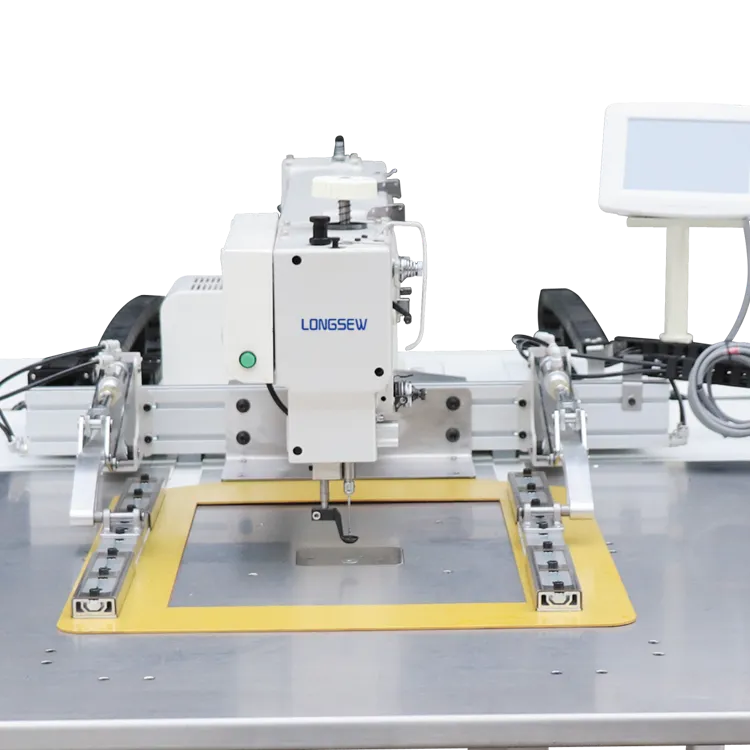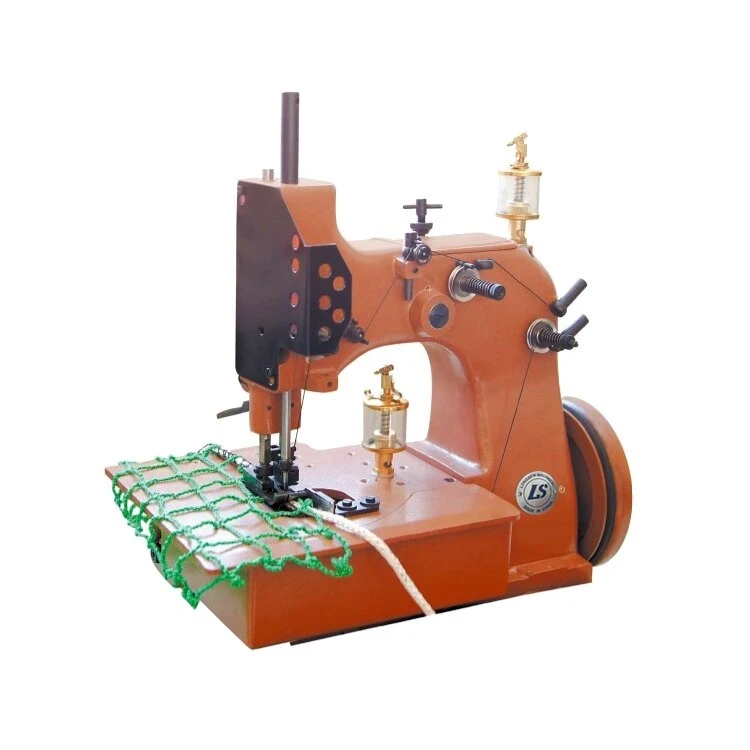
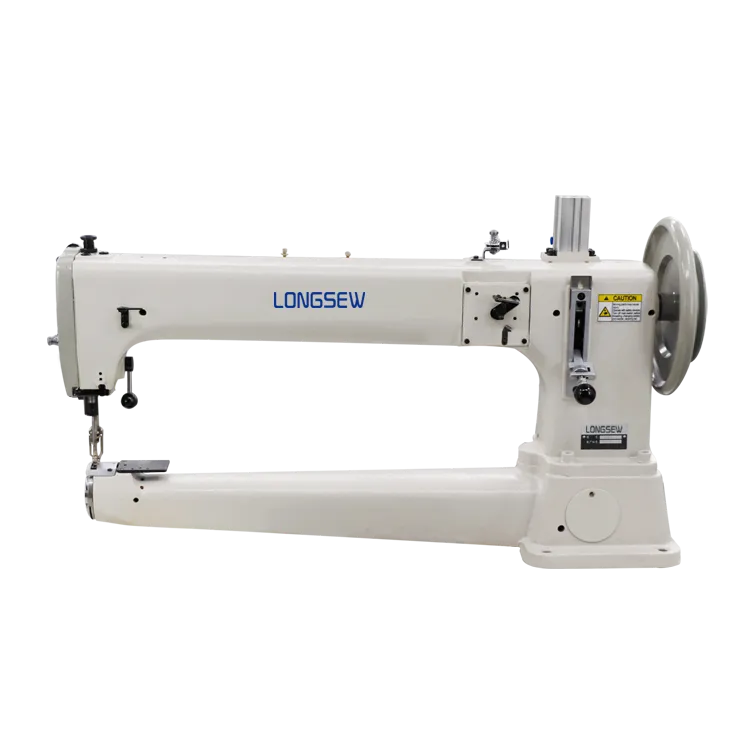
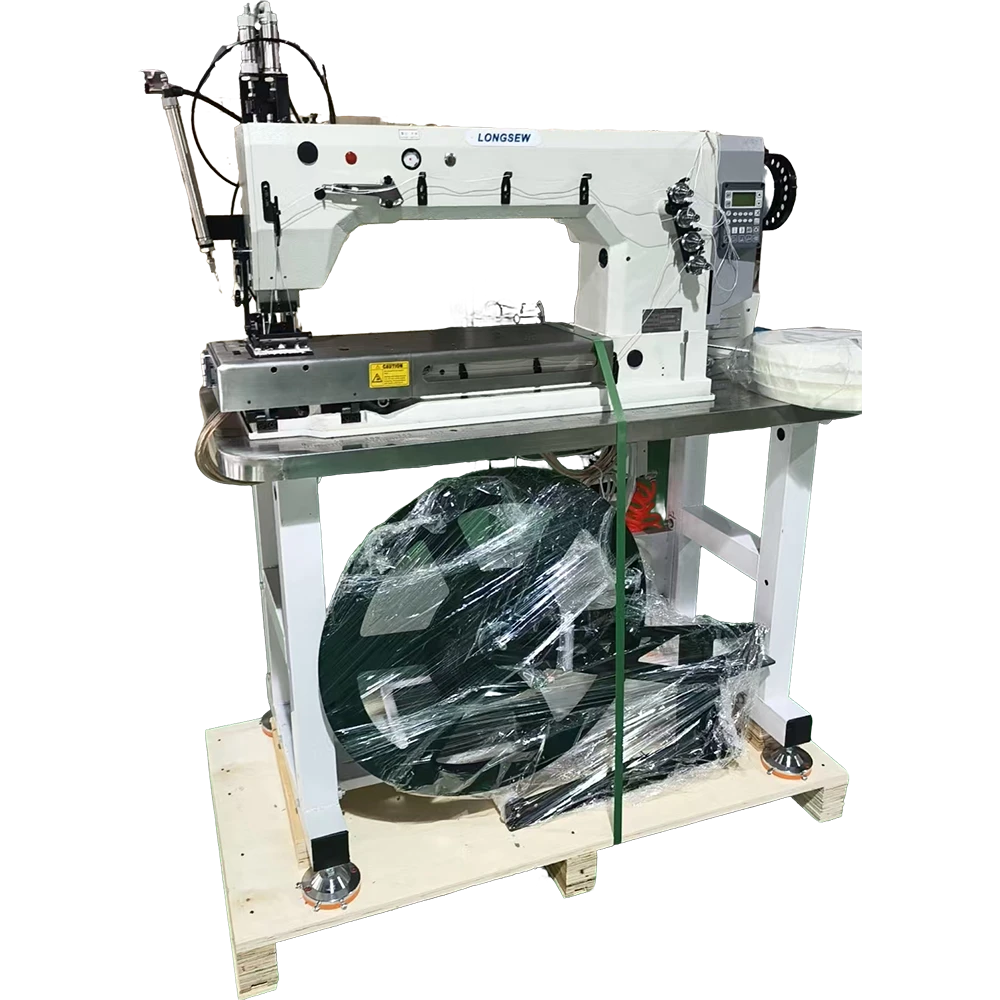
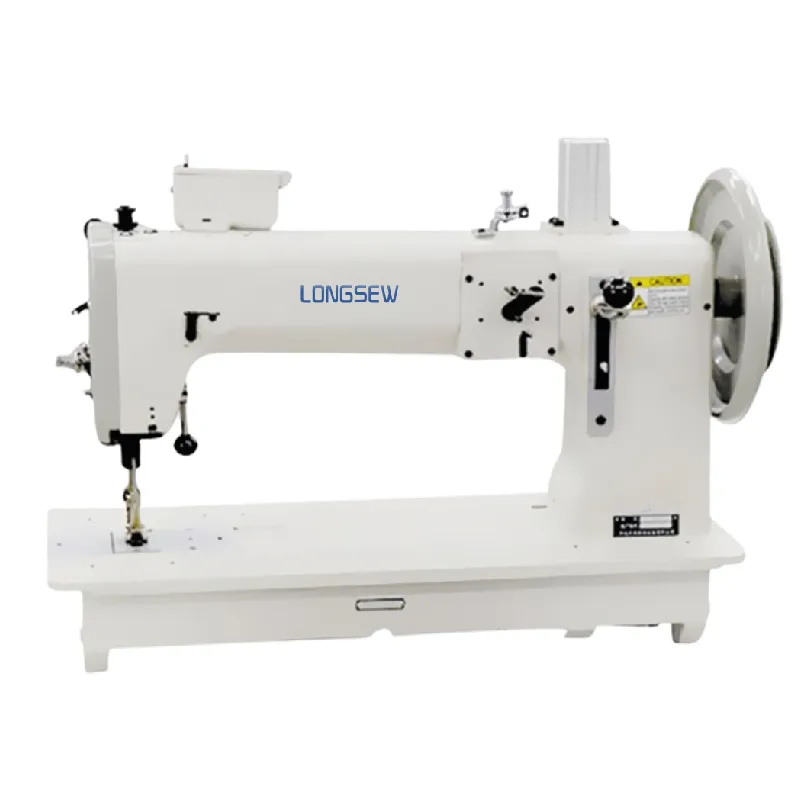
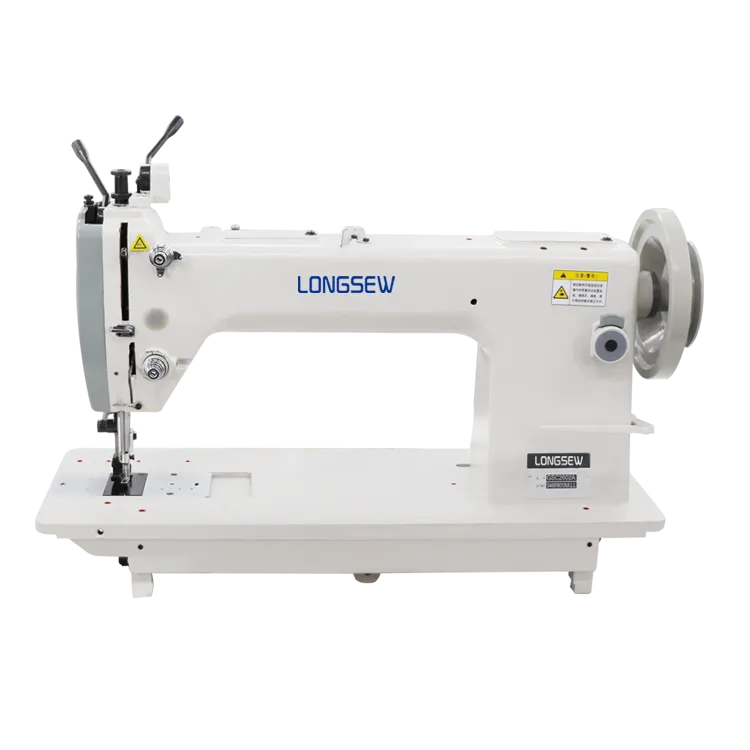
Advanced jumbo bag sewing machine Solutions for Spanish Industrial Packaging

Elevating the efficiency of FIBC and heavy-duty bag production across Spain with precision engineering and automated stitching technology.

Industrial Packaging Landscape in Spain

Analyzing the demand for heavy-duty bag closure systems in the Iberian market.

Spain's industrial sector, particularly in agricultural exports and chemical processing in regions like Catalonia and Valencia, relies heavily on the fibc sewing machine to ensure the integrity of bulk transport. The Mediterranean climate and the logistics of transporting olive oil, grains, and minerals require bags that can withstand extreme tension and environmental humidity.

Currently, Spanish manufacturers are shifting from manual labor to semi-automated big bag sewing machine systems to combat rising labor costs and meet strict EU safety standards for load-bearing packaging. The focus has shifted toward higher cycle speeds and reduced thread breakage.

The integration of a high-performance jumbo bag stitching machine has become a competitive necessity for local factories aiming to export high-quality FIBCs to the rest of Europe, ensuring every seam meets international safety coefficients.
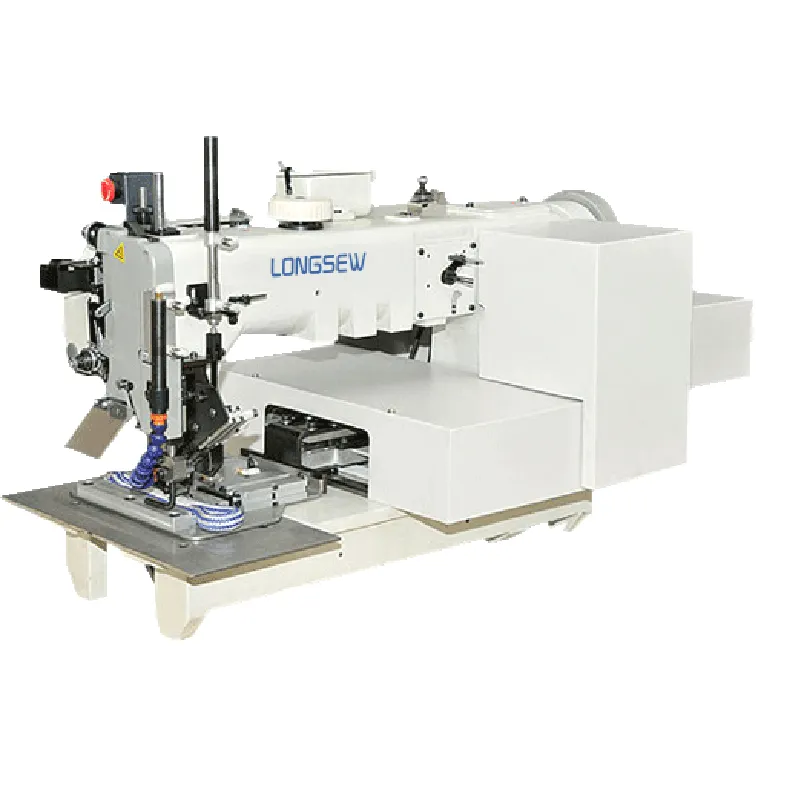
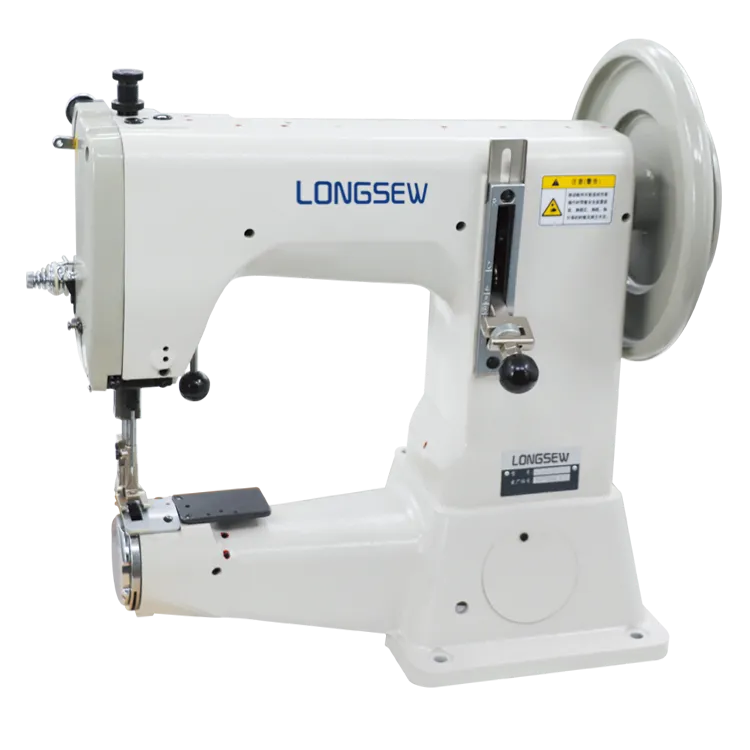
Evolution of Bag Manufacturing Technology

From traditional hand-stitching to the era of Industry 4.0 in Spain.

Market Development History

In the 1990s, the Spanish market primarily utilized basic handheld machines for closing bags. The process was slow and highly dependent on operator skill, often leading to inconsistent seam strength in agricultural packaging.

By the mid-2000s, the introduction of the dedicated 50 kg jute bag making machine allowed for the standardization of medium-weight packaging, transitioning from artisan workshops to organized industrial production lines.

From 2015 onwards, the adoption of PLC-controlled systems and heavy-duty servo motors revolutionized the industry, allowing the jumbo bag sewing machine to operate with pinpoint precision and automated cutting functions.

Future Development Trends

IoT Integration for Maintenance

Predictive maintenance sensors will soon become standard, alerting Spanish operators before a needle breaks or a motor overheats, reducing unplanned downtime in 24/7 facilities.

Sustainable Material Compatibility

As Spain leads in circular economy initiatives, machines are being adapted to sew biodegradable and recycled polymers without compromising the structural integrity of the bag.

Hyper-Automation in Stitching

The transition toward fully robotic arms for handling oversized FIBCs will minimize human error and increase the output of high-capacity stitching lines.

Industry Trends and Future Outlook

Strategic foresight for the textile machinery sector in Spain.

Energy Efficiency
Adoption of energy-saving servo motors to align with Spain's green energy mandates and reduce overhead costs.
Digital Quality Control
Integration of optical sensors to detect seam gaps in real-time, ensuring zero-defect shipments.
Material Diversification
Developing machinery that seamlessly switches between PP, PE, and natural jute fibers.
Modular Design
Quick-change heads and modular frames to allow factories to scale production lines rapidly.

Industry Outlook

Google search trends indicate a growing demand for "automated packaging solutions" in the EU, with Spain showing a specific increase in queries for high-capacity stitching equipment. This suggests a pivot toward larger-scale industrialization.

Within the next 3-5 years, we expect the convergence of robotics and textile machinery to reduce the labor requirement for the big bag sewing machine by 40%, drastically increasing the throughput of Spanish packaging hubs.

Localized Application Scenarios in Spain

Real-world implementation of heavy-duty sewing technology across Spanish industries.

1. Agricultural Bulk Export in Almería

Utilizing the fibc sewing machine to create high-strength bags for transporting bulk seeds and fertilizers, ensuring no leakage during transatlantic shipping.

2. Olive Oil Pomace Packaging in Andalusia

Applying a jumbo bag stitching machine to seal large bags of olive waste for biomass energy production, requiring high-speed processing during harvest peaks.

3. Chemical Granulate Packaging in Tarragona

Deploying a big bag sewing machine with reinforced seams to safely contain hazardous chemical pellets for industrial use across Europe.

4. Traditional Jute Bag Production for Local Markets

Implementing the 50 kg jute bag making machine for traditional food packaging, blending classic aesthetics with modern industrial durability.

5. Construction Debris Containment in Madrid

Using the jumbo bag sewing machine to manufacture heavy-duty debris bags for urban renewal projects, prioritizing tear-resistant seams.

Brand Story

Global Development Journey of Hebei Longsew Machinery Technology Co., Ltd.

Foundational Excellence

Established with a mission to solve the chronic problem of seam failure in bulk bags, focusing on high-torque motor engineering.

Technological Breakthrough

Developed the first generation of automated tension controllers, reducing thread breakage by 30% in industrial environments.

European Expansion

Tailoring equipment to meet CE standards and the specific demands of the Spanish and Italian packaging markets.

Industry 4.0 Integration

Launching a suite of smart sewing machines compatible with digital factory management systems for real-time tracking.

Global Leadership

Becoming a trusted partner for the world's largest FIBC manufacturers, delivering reliability and precision at scale.

Spanish Industrial Sewing FAQ

Technical answers for operators and procurement managers in Spain.

How do I choose the right fibc sewing machine for high-density PP fabric?

For high-density fabrics, you need a machine with a powerful servo motor and an adjustable feed dog to prevent fabric puckering and ensure consistent stitch length.

What is the average output of a professional jumbo bag sewing machine?

Depending on the automation level, our industrial machines can process between 50 to 200 bags per hour, significantly reducing manual overhead.

Can a big bag sewing machine handle recycled materials?

Yes, our machines feature adjustable tension settings specifically designed to handle the varying thickness and elasticity of recycled polymers.

Is the 50 kg jute bag making machine suitable for organic food packaging?

Absolutely. The machinery is designed for natural fibers and meets the hygienic requirements for organic agricultural packaging in the EU.

What maintenance is required for a jumbo bag stitching machine?

Regular lubrication of the moving parts and daily cleaning of the bobbin area are essential to maintain high-speed performance and prevent thread breakage.

Do your machines comply with Spanish and EU safety regulations?

Yes, all our exported equipment is CE certified and built to comply with the rigorous safety and electrical standards of the European Union.

Ready to Optimize Your Production?

Contact our technical team for customized industrial sewing solutions tailored to your facility in Spain.

Contact Us Now

If you are interested in our products, you can choose to leave your information here, and we will be in touch with you shortly.