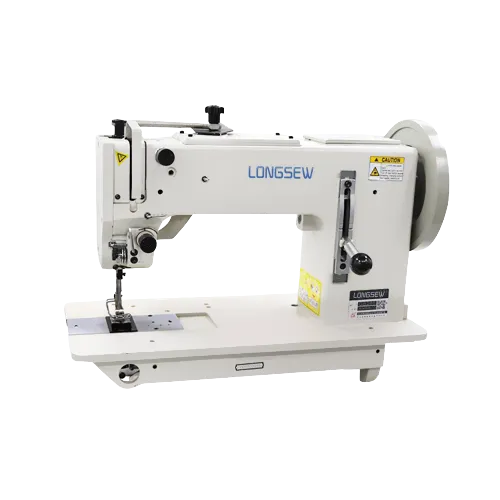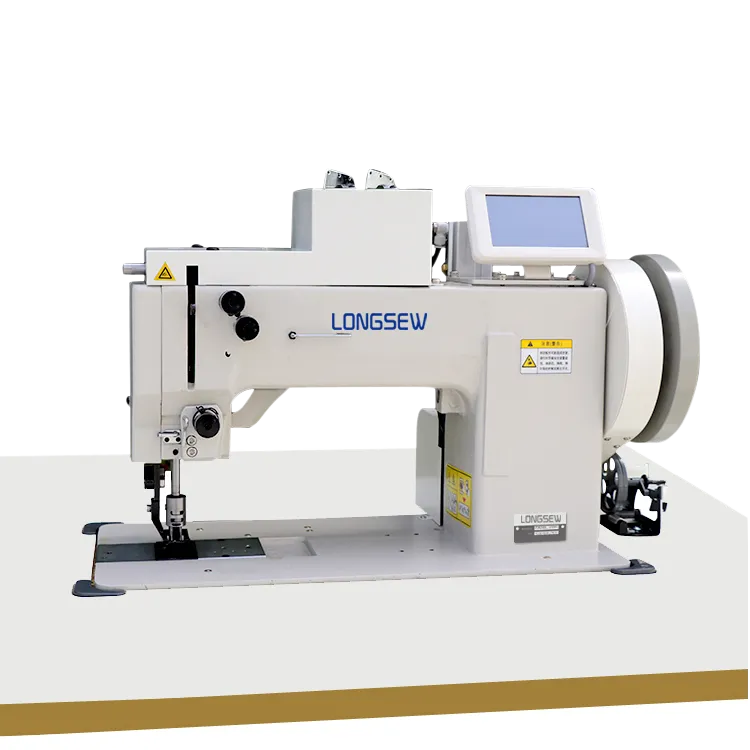
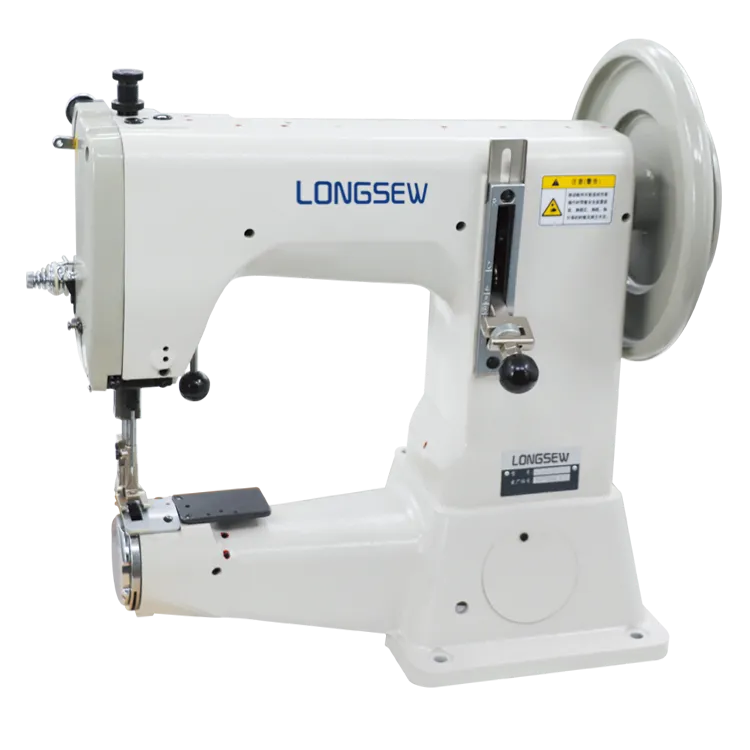
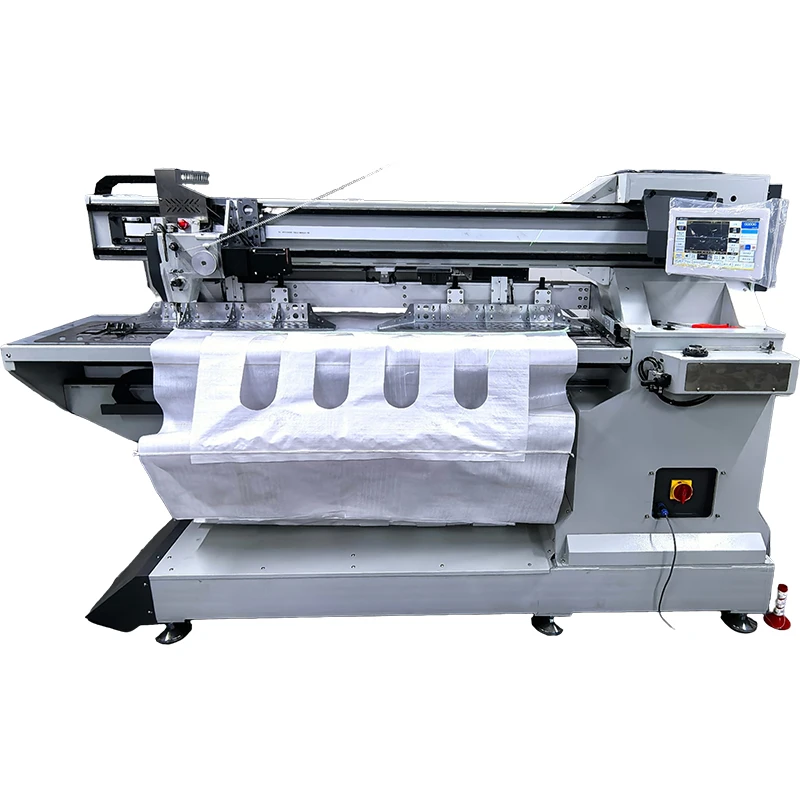
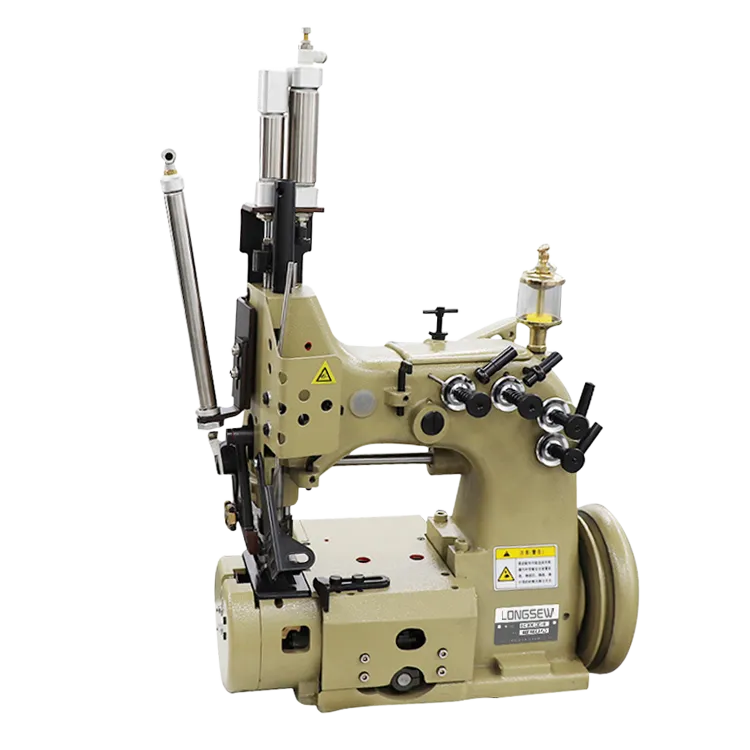
Advanced jumbo bag sewing machine Solutions for Mauritius

Empowering the Mauritian textile and packaging industry with high-precision, durable stitching technology for heavy-duty industrial applications.

Industrial Packaging Landscape in Mauritius

Analyzing the integration of heavy-duty sewing technology in the island's manufacturing sector.

Mauritius, as a strategic hub in the Indian Ocean, possesses a robust textile and export economy. However, the high humidity and saline coastal air present significant challenges for machinery maintenance. The adoption of a high-quality fibc sewing machine is critical for local manufacturers to prevent corrosion and ensure consistent seam strength in bulk bags used for sugar and salt exports.

Currently, the market is shifting from manual stitching to semi-automated systems. Local enterprises are increasingly seeking a reliable big bag sewing machine to meet the stringent international safety standards required for shipping heavy loads across global maritime routes.

Economic diversification in Mauritius has led to a surge in specialized agricultural packaging. This has created a specific demand for the 50 kg jute bag making machine to support the local organic produce and grain distribution sectors, bridging the gap between traditional methods and industrial scale.
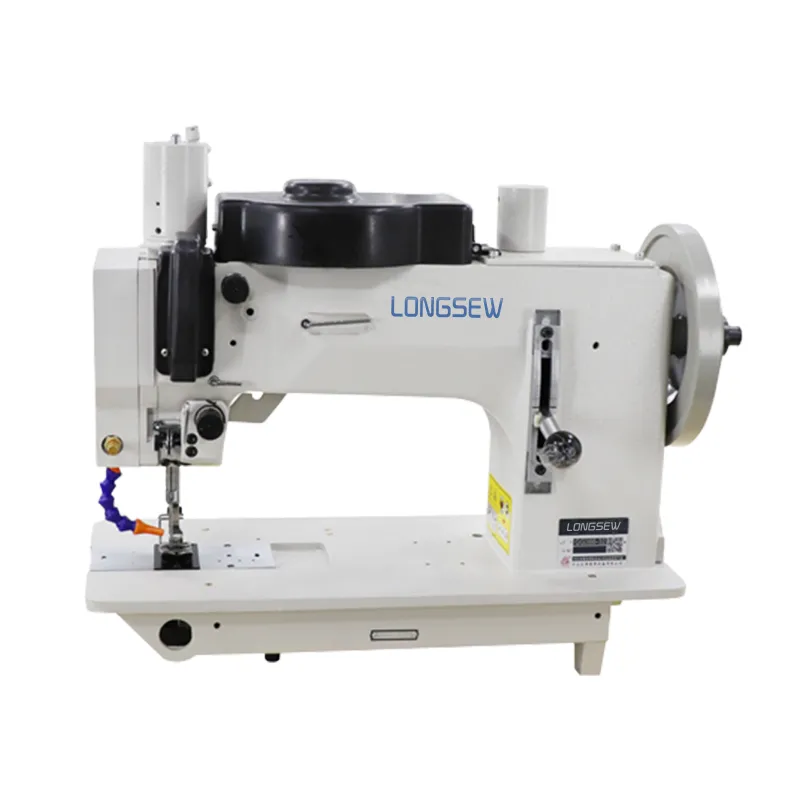
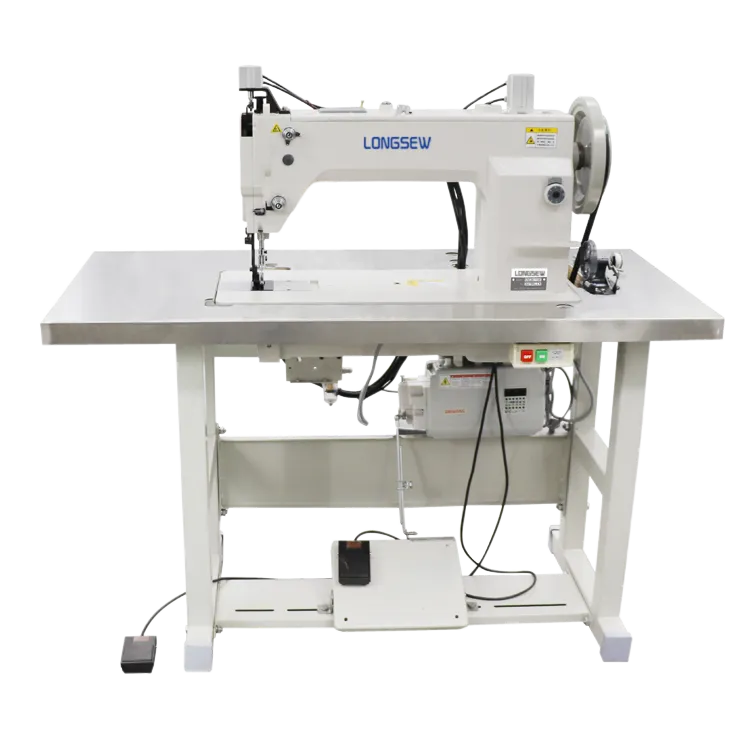
Evolution of Industrial Stitching in Mauritius

From traditional handheld tools to fully integrated automated stitching lines.

Market Development History

In the early 2000s, the Mauritian packaging sector relied heavily on manual, low-speed sewing tools. These machines lacked the tension control necessary for the heavy polypropylene fabrics used in bulk containers, often leading to seam failures during transit.

Between 2010 and 2020, there was a significant transition toward specialized jumbo bag stitching machine technology. This era saw the introduction of reinforced frames and heavy-duty motors capable of handling high-denier fabrics without overheating in the tropical climate.

From 2021 to the present, the focus has shifted toward precision and ergonomics. Modern facilities now integrate computerized tension settings and automatic thread cutters to maximize throughput and reduce material waste in the production of FIBCs.

Future Development Trends

IoT Integration for Predictive Maintenance

Future systems will incorporate sensors to monitor needle wear and motor heat, critical for the humid environment of Mauritius, reducing unplanned downtime.

Eco-Friendly Fabric Compatibility

With the global push for sustainability, machines are being redesigned to handle biodegradable polymers and recycled jute without sacrificing stitch integrity.

Enhanced Energy Efficiency

The shift toward servo-motor technology will reduce electricity consumption by up to 40%, aligning with Mauritius's national goals for green industrialization.

Future Outlook for Heavy-Duty Sewing Technology

Strategic directions for the next 3-5 years in the specialized equipment sector.

Smart Automation
Transitioning toward fully robotic sewing arms to increase precision and safety in large-scale bag production.
Material Versatility
Developing hybrid feeding systems to handle both lightweight polymers and heavy-duty jute seamlessly.
Corrosion Resistance
Application of advanced nano-coatings on machine parts to withstand the salt-heavy air of coastal Mauritius.
Modular Design
Switchable heads and components for rapid transition between different bag sizes and materials.

Industry Outlook

Based on Google search trends for industrial machinery in the African region, there is a growing interest in "energy-efficient manufacturing" and "automated packaging." In Mauritius, this translates to a shift away from outdated mechanical drives toward precision electronic control systems.

We anticipate that within five years, the integration of AI-driven quality control—where the machine detects stitch irregularities in real-time—will become the standard for high-end FIBC production facilities in the region.

Localized Applications in Mauritius

Practical implementation of our equipment across various Mauritian industries.

01. Sugar Export Packaging

Utilizing high-speed jumbo bag sewing machine units to secure bulk sugar shipments, ensuring no leakage during long-haul maritime transport to Europe and Asia.

02. Agricultural Grain Storage

Implementing the 50 kg jute bag making machine for local farmers to pack seeds and grains in breathable, biodegradable bags for internal market distribution.

03. Chemical and Fertilizer Logistics

Using reinforced fibc sewing machine setups to create leak-proof containers for specialized fertilizers used in the local sugarcane plantations.

04. Salt Production Facilities

Deploying corrosion-resistant big bag sewing machine technology in salt pans areas to package bulk industrial salt despite the extreme salinity of the environment.

05. Textile Waste Recycling

Employing the jumbo bag stitching machine to create massive collection bags for textile scrap, supporting the island's move toward a circular economy.

Brand Story

Global Development History of Hebei Longsew Machinery Technology Co., Ltd.

Foundation and Core Vision

Founded with a mission to solve the most stubborn challenges in industrial sewing, we focused on the structural integrity of heavy-duty seams from day one.

Technological Breakthroughs

We developed proprietary tension-control systems that eliminated skipped stitches in thick polypropylene fabrics, setting a new industry benchmark.

Global Market Expansion

Expanding beyond Asia, we tailored our equipment for diverse climates, including the high-humidity regions of Africa and the Indian Ocean.

Commitment to Sustainability

We integrated energy-saving motors and eco-compatible components, helping our clients reduce their carbon footprint while increasing profit.

The Future of Longsew

Today, we continue to innovate, blending traditional sewing mastery with AI and IoT to lead the global specialized equipment industry.

Common Questions for Mauritian Manufacturers

Expert answers to the most frequent technical queries regarding industrial bag sewing.

How does the humid climate in Mauritius affect my jumbo bag sewing machine?

High humidity can lead to oxidation and lubricant degradation. We recommend machines with anti-corrosion coatings and a strict lubrication schedule using high-viscosity industrial oils.

Which is better for sugar exports: a fibc sewing machine or a standard industrial machine?

A specialized fibc sewing machine is superior because it provides the necessary stitch length and strength required to hold several tons of sugar without risking rupture during shipment.

Can a 50 kg jute bag making machine handle synthetic blended fabrics?

Yes, our machines feature adjustable feed dogs and tensioners that allow them to switch between 100% natural jute and synthetic blends with minimal adjustment.

What is the expected lifespan of a big bag sewing machine in a coastal facility?

With proper maintenance and the use of stainless steel components, our machines can operate for 8-12 years even in saline environments.

How do I optimize the speed of my jumbo bag stitching machine without losing quality?

The key is to balance the motor RPM with a high-quality needle and synchronous thread tension. Our servo-driven models allow for precise speed tuning.

Are there energy-saving options for heavy-duty sewing in Mauritius?

Absolutely. We offer integrated inverter systems and brushless motors that significantly reduce energy consumption during idle times.

Ready to Upgrade Your Production Line?

Contact our technical team today for a customized consultation on the best industrial sewing solutions for your business in Mauritius.

Contact Us Now

If you are interested in our products, you can choose to leave your information here, and we will be in touch with you shortly.