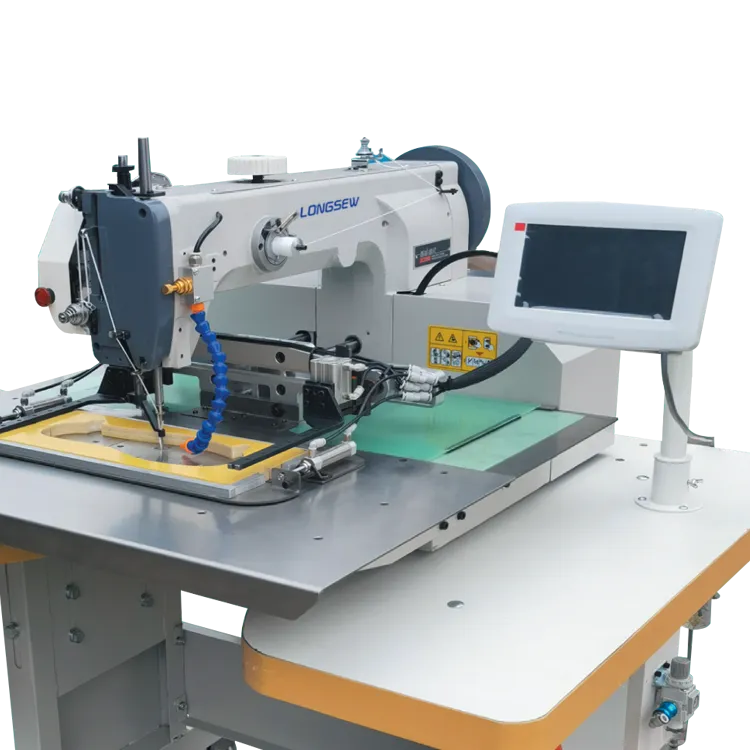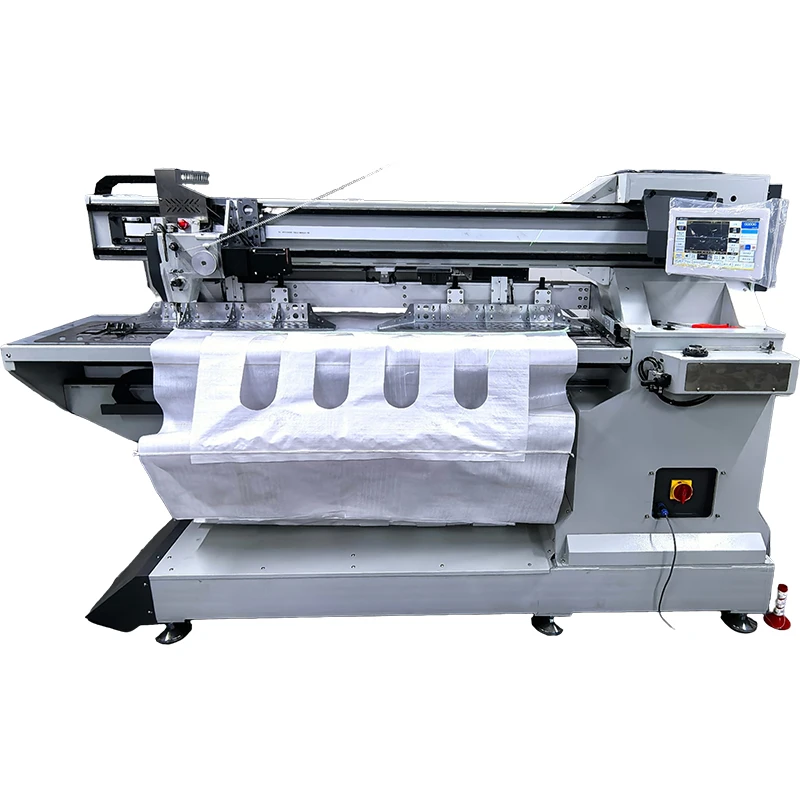
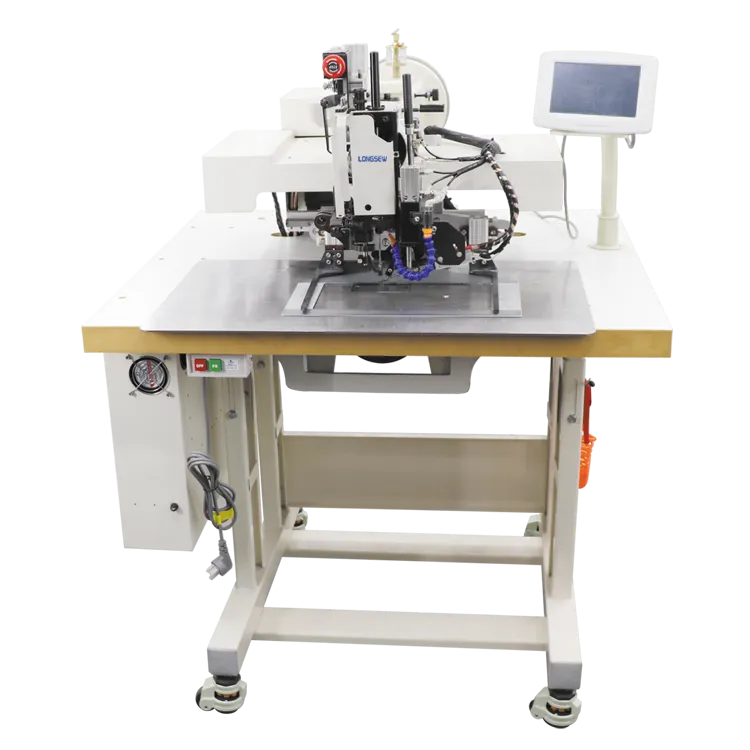
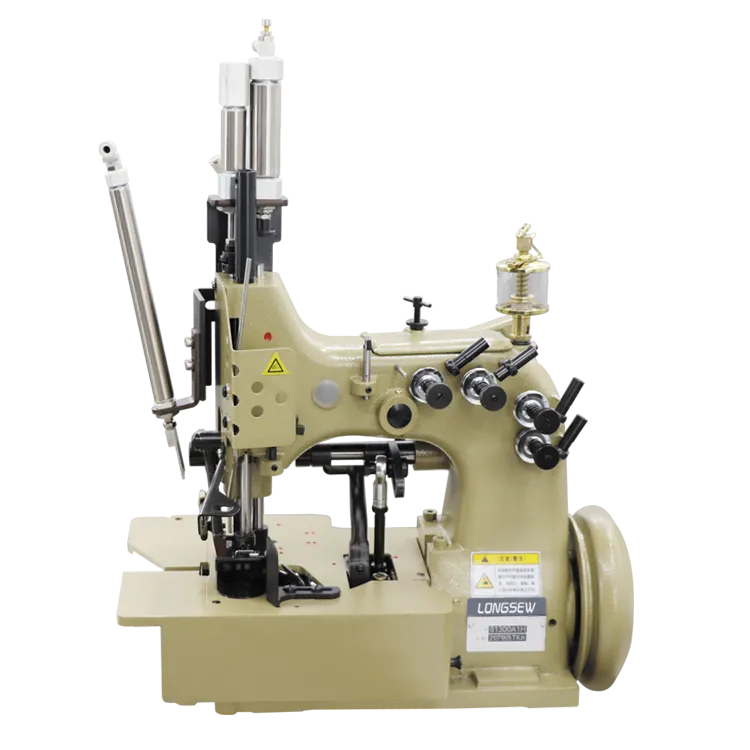
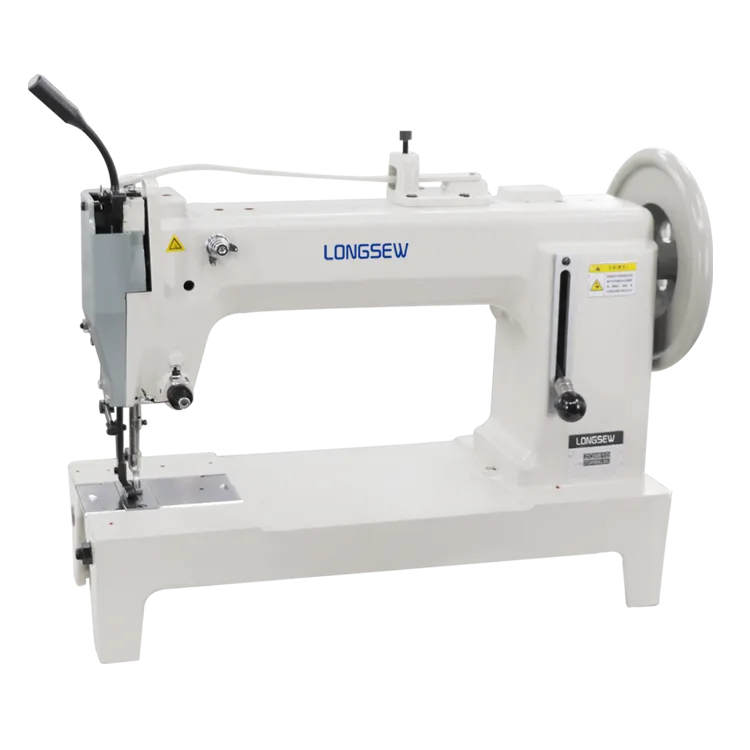
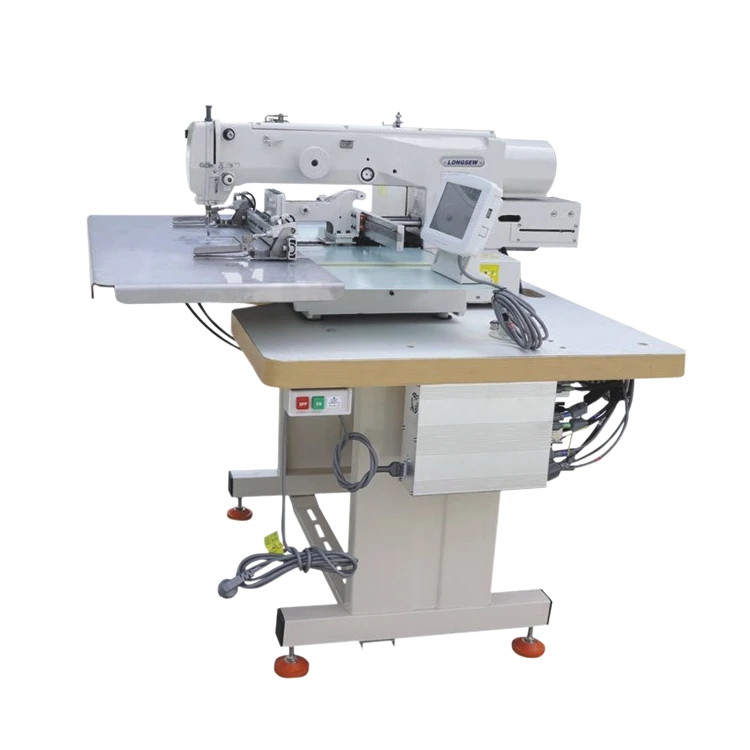
Advanced jumbo bag sewing machine Solutions for Libya's Industrial Growth

Empowering Libyan textile manufacturers with high-precision stitching technology for FIBC and heavy-duty industrial packaging.

Current State of Industrial Packaging in Libya

Analyzing the demand for robust big bag sewing machine technology in North Africa.

In Libya, the manufacturing landscape for industrial packaging is heavily influenced by the petrochemical and agricultural sectors. The demand for bulk transport bags is surging, but many local factories still rely on outdated machinery that struggles with the extreme heat and dust common in the Libyan climate.

The adoption of a professional fibc sewing machine has become critical as Libyan companies aim to export more goods. However, the lack of localized technical support for complex electronics often leads to prolonged downtime in production lines.

Currently, there is a significant shift towards automating the process of producing heavy-duty bags. The transition from manual stitching to high-speed jumbo bag stitching machine systems is enabling local enterprises to meet international quality standards for load-bearing capacity.
Evolution and Trajectory of Textile Machinery in Libya

From traditional manual bags to high-capacity automated production lines.

Market Development History

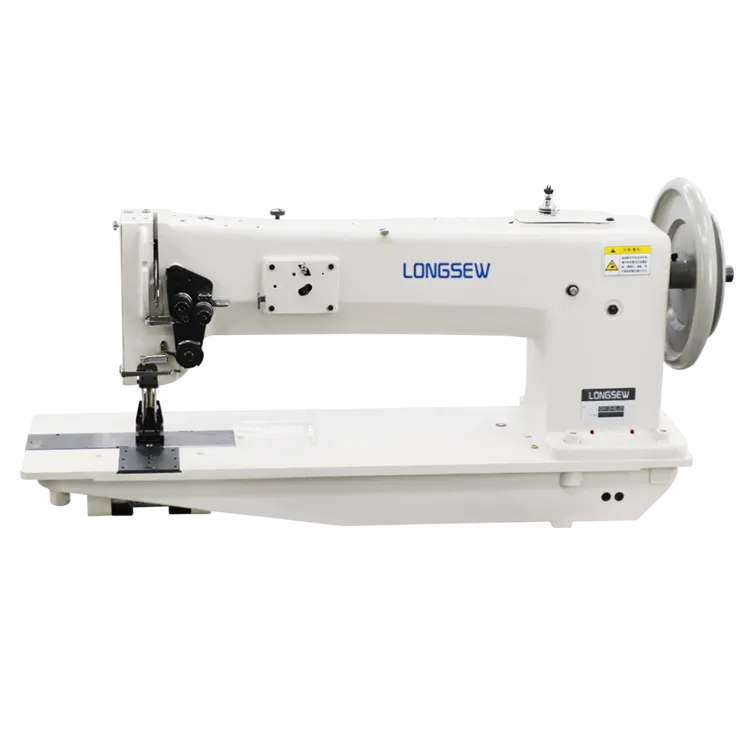
During the late 20th century, Libya's packaging industry primarily focused on low-capacity bags using basic mechanical tools. The reliance on imported finished bags was high due to the limited availability of a specialized 50 kg jute bag making machine.

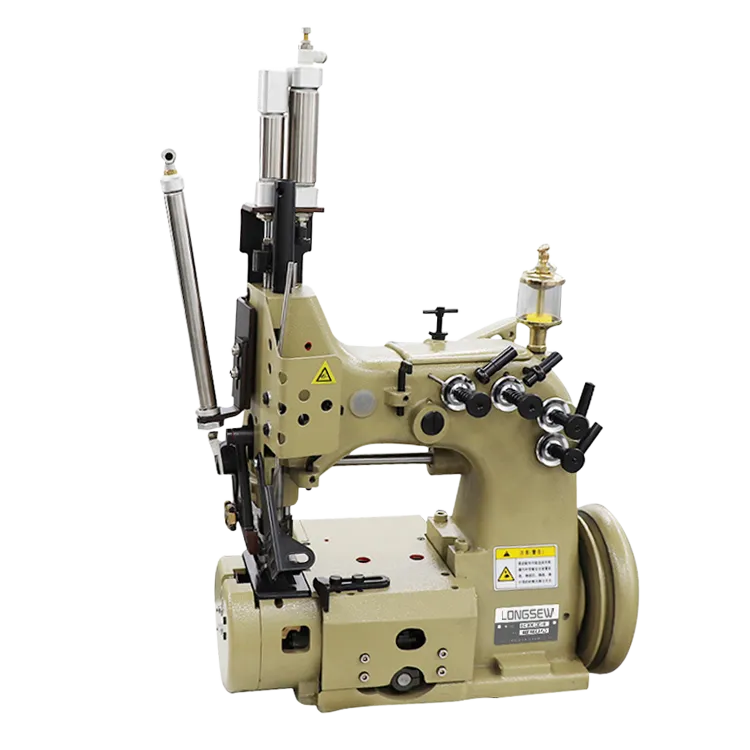
Around 2010, the market saw an influx of semi-automated machinery. This period marked the transition where factories began integrating heavy-duty stitching units to create larger bulk bags, increasing the regional capacity for transporting minerals and grains.

From 2018 to the present, the focus has shifted toward "Smart Manufacturing." The integration of servo-motor controls and reinforced frames has redefined the efficiency of the local fibc sewing machine market, prioritizing energy efficiency and stitch consistency.

Future Development Trends

Integration of IoT Monitoring

Within the next 3 years, Libyan factories will likely adopt remote diagnostic tools to monitor the health of their stitching machines, reducing reliance on on-site technicians.

Sustainable Material Processing

There is a growing trend toward processing recycled polypropylene. This requires machines with adjustable tension systems to handle varying fabric densities without breaking threads.

High-Speed Automation

Driven by Google search trends for "industrial automation in Africa," we predict a move toward fully automated bag-closing systems that replace manual feed mechanisms.

Industry Trends and Future Outlook

Strategizing for the next generation of heavy-duty sewing solutions.

Precision Engineering
Increased focus on stitch accuracy to prevent leaks in chemical transport bags.
Energy Efficiency
Adopting low-power servo motors to reduce operational costs in Libyan factories.
Material Versatility
Developing machines capable of switching between PP and Jute materials seamlessly.
Modular Design
Designing systems with easy-to-replace parts to minimize downtime in remote areas.

Industry Outlook

The Libyan textile and packaging machinery sector is poised for a period of rapid modernization. As the nation stabilizes its infrastructure, the investment in high-end jumbo bag sewing machine technology will likely increase by 15-20% annually.

We anticipate that the convergence of environmental regulations and industrial demand will push manufacturers toward "Zero-Waste" production, where machinery is optimized to reduce fabric scrap during the stitching process.

Localized Application Scenarios in Libya

Practical implementations of our sewing solutions across various Libyan industries.

1. Oil & Gas Bulk Packaging

Utilizing the jumbo bag stitching machine to create reinforced bags for catalyst and polymer pellet transport in the Sirte Basin region.

2. Agricultural Export Hubs

Deploying the 50 kg jute bag making machine for the efficient packaging of dates and grains for export via Libyan ports.

3. Construction Material Supply

Using high-speed big bag sewing machine units to produce sand and gravel bags for infrastructure projects in Tripoli.

4. Chemical Fertilizer Plants

Applying heavy-duty fibc sewing machine technology to ensure leak-proof seams for hazardous chemical powder packaging.

5. Local Waste Management

Implementing bulk bag production for urban waste collection and transport systems in Benghazi using durable industrial stitching.

Brand Story

Global Development Journey of Hebei Longsew Machinery Technology Co., Ltd.

Founding Vision

Established with a mission to solve the common failure points in heavy-duty sewing, focusing on reinforced frames and precision needle timing.

Technical Innovation

Developed a patented tension control system that allows for seamless switching between synthetic and natural fibers.

Market Expansion

Extended operations across Africa and Asia, adapting machinery to withstand extreme environmental conditions like dust and high humidity.

Quality Certification

Achieved international ISO and CE certifications, ensuring every machine meets global safety and performance benchmarks.

Global Leadership

Now recognized as a leading provider of FIBC solutions, committed to empowering industrialization in emerging markets.

Frequently Asked Questions in Libya

Expert answers to common technical and commercial queries regarding our sewing equipment.

How to maintain a fibc sewing machine in dusty environments like Libya?

We recommend daily compressed air cleaning of the feed dogs and bobbin area, along with using high-grade industrial lubricants that resist dust accumulation.

What is the maximum capacity of a professional jumbo bag sewing machine?

Our industrial systems are designed to handle bags with load capacities up to 2,000kg, ensuring a burst-proof seam through reinforced multi-thread stitching.

Can a 50 kg jute bag making machine handle synthetic blends?

Yes, our machines feature adjustable pressure foot settings and tension dials, allowing them to sew both 100% natural jute and synthetic blends.

What is the difference between a big bag sewing machine and a standard industrial machine?

Big bag machines utilize a larger needle eye and heavy-duty motors specifically designed to penetrate multiple layers of thick polypropylene fabric.

How do I choose the right jumbo bag stitching machine for my factory?

Consider your daily production volume and fabric weight. For high-volume output, we recommend our automated servo-driven systems over manual models.

Do you provide spare parts for industrial sewing machines in Libya?

Yes, we offer comprehensive wear-and-tear kits including needles, loopers, and belts to ensure your production line remains operational.

Ready to Upgrade Your Production?

Contact our engineering team today for a customized industrial sewing solution tailored for Libya.

Contact Us Now

If you are interested in our products, you can choose to leave your information here, and we will be in touch with you shortly.