

Mar . 08, 2026 02:05
Back to list
Understanding the Cost of Overlock Machines for Garment Businesses
Understanding the Cost of Overlock Machines
When starting or expanding a garment manufacturing or alterations business, understanding the cost of an overlock machine is crucial. This guide provides a comprehensive overview of factors influencing price, different machine types, and potential expenses beyond the initial purchase. An overlock machine, also known as a serger, is an indispensable tool for finishing fabric edges, preventing fraying, and creating a professional look. Choosing the right machine at the right price is key to optimizing efficiency and profitability.
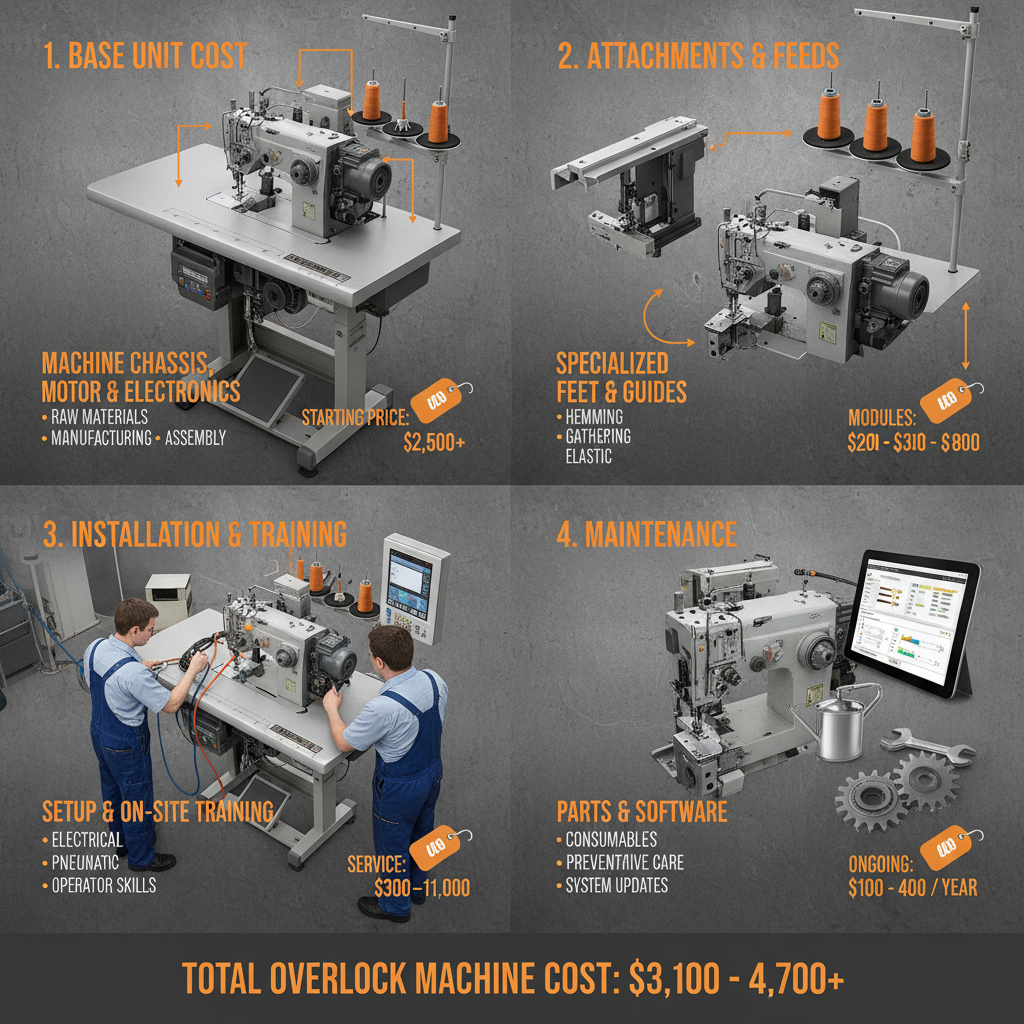
Factors Influencing the Cost of Overlock Machines
Several factors determine the price of an overlock machine. The number of threads, automation level, and brand reputation all play significant roles. Industrial-grade machines generally cost more than domestic models due to their enhanced durability and speed. Features like automatic thread tension, differential feed, and built-in safety mechanisms also contribute to the price. Furthermore, the seller’s location and any included warranties or support services can impact the final cost. It's important to carefully consider your needs and budget to make an informed decision.
Key Considerations: Number of threads, Automation Level, Brand Reputation, Machine grade(Domestic/Industrial).
Types of Overlock Machines and Their Costs
Overlock machines come in various types, each with a different price range. Domestic overlock machines, suitable for home use or small alterations businesses, typically range from $200 to $1,500. Industrial overlock machines, designed for high-volume production, can cost anywhere from $800 to $5,000 or more, depending on their features and capabilities. High-speed, computerized models with advanced features will naturally command a higher price. Specialized overlock machines, like those designed for specific fabric types (e.g., heavy-duty denim overlocks), also have unique pricing structures.
Overlock Machine Cost Breakdown:
• Domestic Overlock Machines: $200 - $1,500
• Industrial Overlock Machines: $800 - $5,000+
• Specialized Overlock Machines: Variable, depending on specialization
Cost Comparison: Domestic vs. Industrial Overlock Machines
Understanding the differences between domestic and industrial overlock machines is vital when considering the cost of overlock machine. While domestic machines are more affordable upfront, industrial models offer long-term value due to their durability and efficiency. Industrial machines are built to withstand continuous use and can significantly increase production capacity. Consider your business's long-term growth potential and production volume when making your decision. Investing in a higher-quality industrial machine may be more cost-effective in the long run.
Additional Costs to Consider
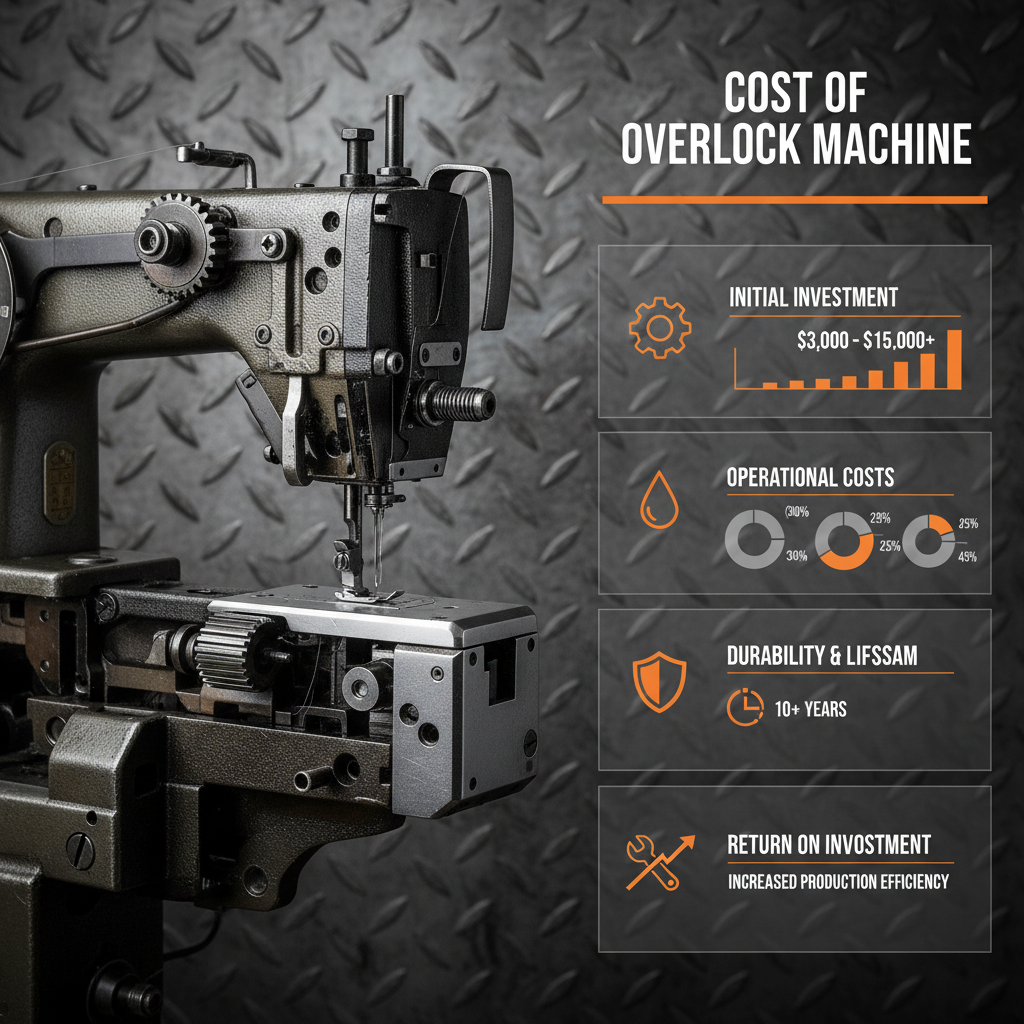
Beyond the initial purchase price, several additional costs should be factored into your budget. These include shipping costs, which can be substantial for heavy industrial machines. You’ll also need to budget for accessories like extra needles, thread, looper blades, and presser feet. Maintenance and repairs are inevitable, so setting aside funds for these expenses is prudent. Training costs, if required, should also be considered. Finally, don’t forget to factor in the cost of electricity to power the machine.
Finding the Best Deals on Overlock Machines
To find the best deals on overlock machines, consider exploring multiple options. Check with reputable sewing machine dealers, both online and locally. Look for sales, promotions, and refurbished machines. Comparing prices from different vendors is essential. Consider purchasing from Longsew, a trusted provider of high-quality overlock machines. Read reviews and compare specifications before making a final decision. Don't be afraid to negotiate prices, especially for industrial machines.
Conclusion: Making an Informed Decision on Overlock Machine Costs
The cost of an overlock machine is a significant investment for any garment-related business. By carefully considering your needs, budget, and the factors discussed in this guide, you can make an informed decision that optimizes efficiency, profitability, and product quality. Remember to factor in all associated costs and explore multiple options to find the best deal for your specific requirements.
Frequently Asked Questions (FAQs)
What is the average lifespan of an industrial overlock machine?
With proper maintenance and care, an industrial overlock machine can last for 10-20 years or even longer. Regular oiling, cleaning, and replacement of worn parts are essential for extending its lifespan. The frequency of use and the quality of the machine itself also play a role. Investing in a reputable brand known for durability can significantly increase its longevity.
What maintenance is required for an overlock machine?
Regular maintenance includes oiling the machine, cleaning lint and debris from the mechanisms, replacing needles and looper blades, and checking for loose screws or parts. It’s also important to keep the machine covered when not in use to protect it from dust and damage. For industrial machines, professional servicing at least once a year is recommended to ensure optimal performance.
Are there financing options available for purchasing an overlock machine?
Yes, many sewing machine dealers and financial institutions offer financing options for purchasing overlock machines, especially industrial models. These options can include installment plans, loans, or leases. It’s important to compare interest rates and terms before committing to a financing agreement. Some manufacturers also offer special financing promotions.
What should I look for when choosing an overlock machine for heavy-duty fabrics?
When working with heavy-duty fabrics like denim or leather, look for an overlock machine specifically designed for these materials. These machines typically have a more powerful motor, a heavier-duty frame, and reinforced components. Consider a machine with a wider feed dog and a larger needle to handle thicker fabrics.
Latest news
-
Industrial Bag Sewing Machine Price and Comprehensive Buying GuideNewsApr.16,2026
-
Industrial Hand Held Bag Closer for Efficient Packaging SealingNewsApr.16,2026
-
Industrial Hand Held Bag Closer Sewing Machine for PackagingNewsApr.16,2026
-
Efficient Industrial Bag Closer Sewing Machine for PackagingNewsApr.16,2026
-
Industrial Sewing Guide for Choosing the Right Closer MachineNewsApr.16,2026
-
Guide to Capital Bag Closer Machine Price and Buying FactorsNewsApr.16,2026
-
Say goodbye to inefficient cutting! This heavy-duty webbing hot cutting machine redefines the new standard for industrial cuttingNewsApr.14,2026

Hebei LongSew Machinery Technology Co. Ltd is beginning as sewing machine parts supplier, now Longsew have over twenty years experience in complete set sewing machine offering.


CLASSIFICATION
CONTACT US
-

No.368 North Youyi Street, Shijiazhuang City, Hebei Province, China
-

-

Copyright © 2026 HEBEI LONGSEW MACHINERY TECHNOLOGY CO. LTD All Rights Reserved. Sitemap | Privacy Policy | Top Blog | Global Service