


NOUVELLES
-
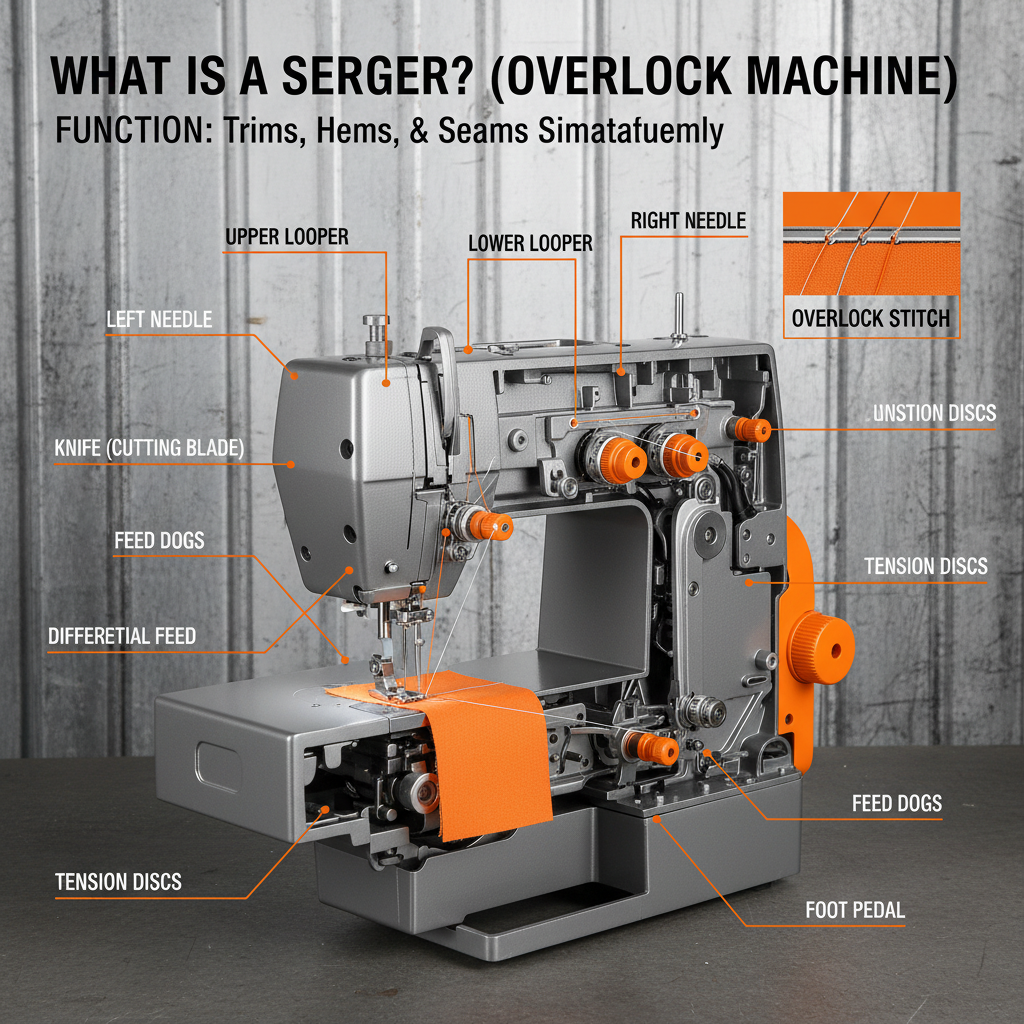 If you're delving into the world of sewing, you’ve likely heard the term "serger" – sometimes called an overlock machine. But what is a serger, and how does it differ from a traditional sewing machine? This article will explore everything you need to know about sergers, including their functions, benefits, and whether one is right for your sewing projects. We’ll cover the technical aspects in a simple, understandable way, so you can make informed decisions about your sewing toolkit. Whether you're a beginner or a seasoned sewist, understanding the capabilities of a serger will elevate your creations. Unlike a standard sewing machine, which uses one or two threads to join fabric pieces, a serger utilizes multiple threads (typically 3-5) to create a professional-looking, overlocked edge. This edge encases the fabric, preventing fraying and offering a clean, durable finish. Sergers are particularly effective on knit fabrics, which are prone to unraveling, but they can also be used on woven fabrics. They simultaneously trim, sew, and finish the edge of the fabric, making them incredibly efficient.En savoir plus
 -
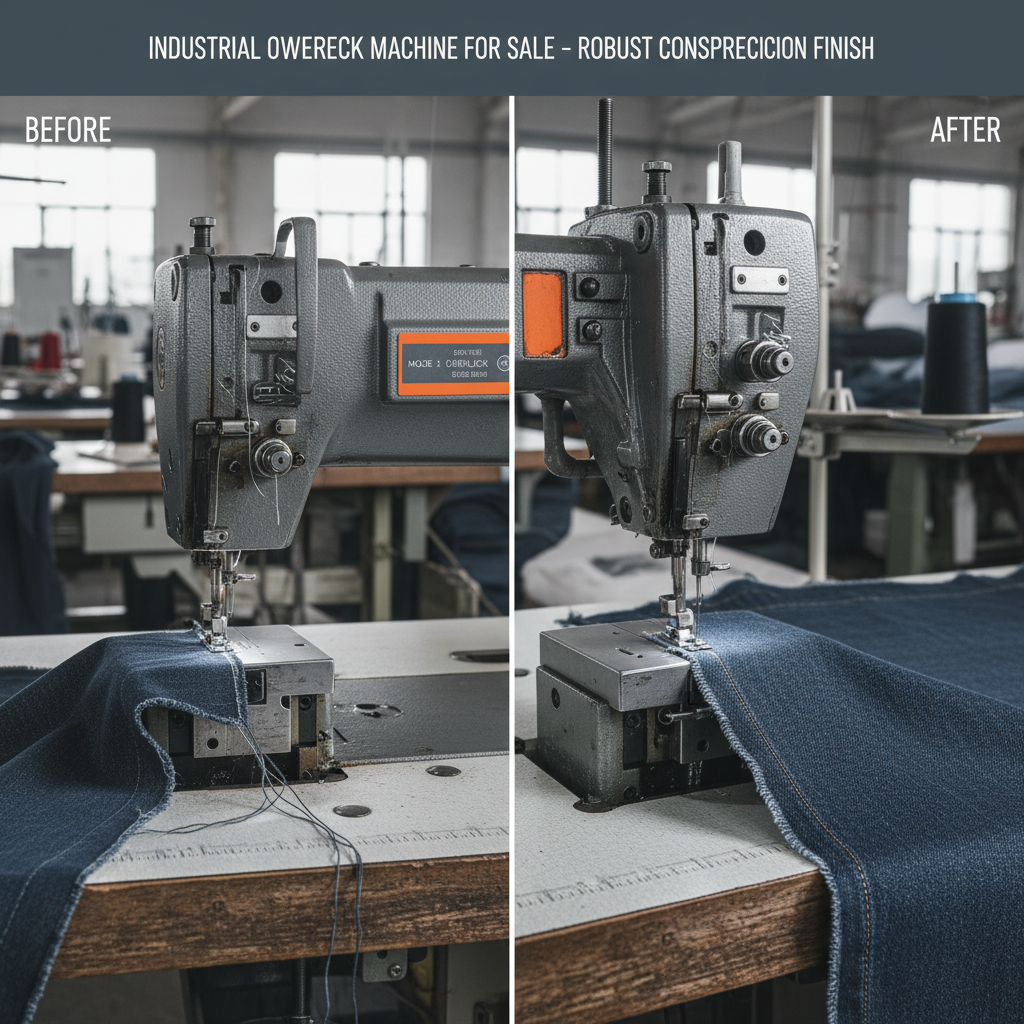 Are you searching for a reliable industrial overlock machine for sale? Investing in the right overlock machine is crucial for streamlining your production process and ensuring high-quality seams. At Longsew, we specialize in providing robust and efficient overlock machines tailored to various industrial applications. This article will explore the key factors to consider when purchasing an industrial overlock machine, the benefits of choosing Longsew, and a detailed look at some of our top models. We’ll also address common questions to help you make an informed decision. Industrial overlock machines, also known as sergers, are essential for creating professional-grade seams on a variety of fabrics. They simultaneously stitch, trim, and overcast the edges of fabric, preventing fraying and providing a clean, durable finish. These machines are widely used in the garment industry, textile manufacturing, and upholstery. Choosing the right machine depends on the types of fabrics you’ll be working with, the volume of production, and the desired seam quality.En savoir plus
 -
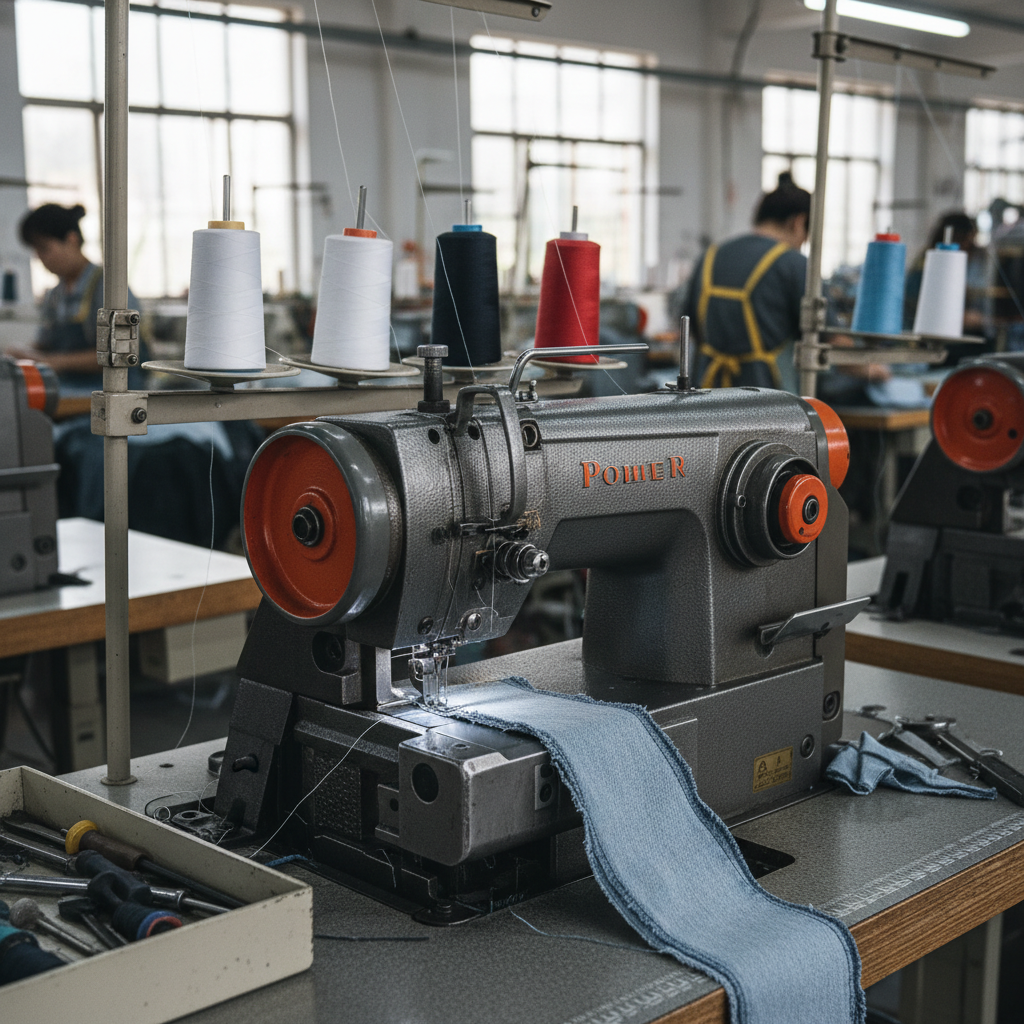 In the fast-paced world of garment manufacturing, efficiency and quality are paramount. A reliable garments overlock machine is essential for producing durable, professional-quality seams. This article will guide you through the key considerations when selecting an overlock machine, exploring features, types, and the benefits of investing in quality equipment. We’ll help you understand how the right machine can streamline your production process and improve your bottom line. Longsew offers a wide range of high-performance overlock machines to suit various needs and budgets. An overlock machine, also known as a serger, simultaneously sews, trims, and finishes the raw edges of fabric, preventing fraying and creating a professional finish. They are critical for a wide range of garment applications, from basic t-shirts to complex sportswear. These machines use loopers to create a chain stitch that’s both strong and flexible, making them ideal for stretch fabrics.En savoir plus
 -
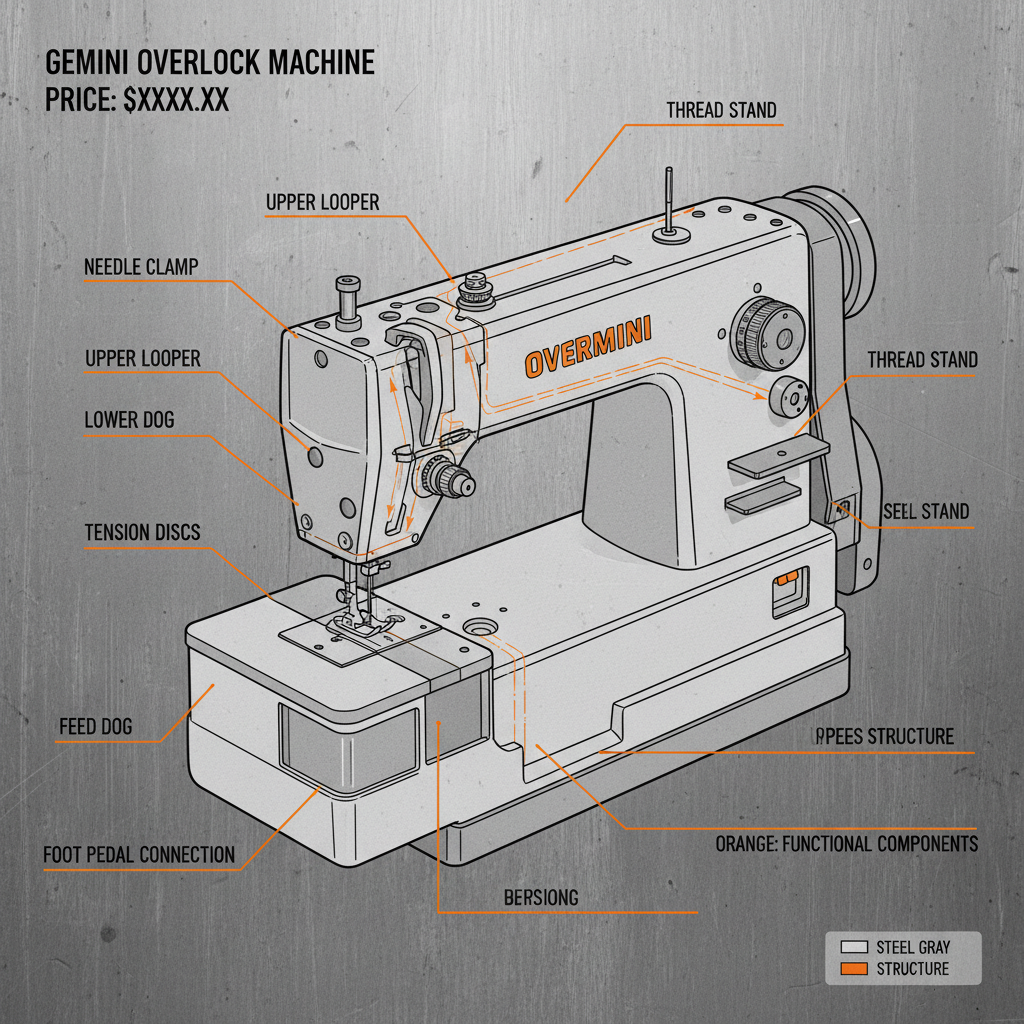 Finding the right overlock machine for your business or personal sewing needs requires careful consideration, especially when it comes to price. The Gemini overlock machine series from Longsew offers a range of options to suit different budgets and production demands. This article will delve into the factors influencing the Gemini overlock machine price, explore different models, and provide insights to help you make an informed decision. Investing in a quality overlock machine is crucial for achieving professional-looking seams and durable finished products. Several key factors contribute to the price of a Gemini overlock machine. The machine’s capabilities are a primary driver models with more features, such as automatic thread trimming, differential feed adjustment, and a wider range of stitch types, generally command a higher price. The level of automation also plays a role fully automatic machines are more expensive than semi-automatic or mechanical models. Build quality and the materials used are equally important machines built with robust components and durable materials will be more expensive upfront but offer greater longevity and reliability.En savoir plus
 -
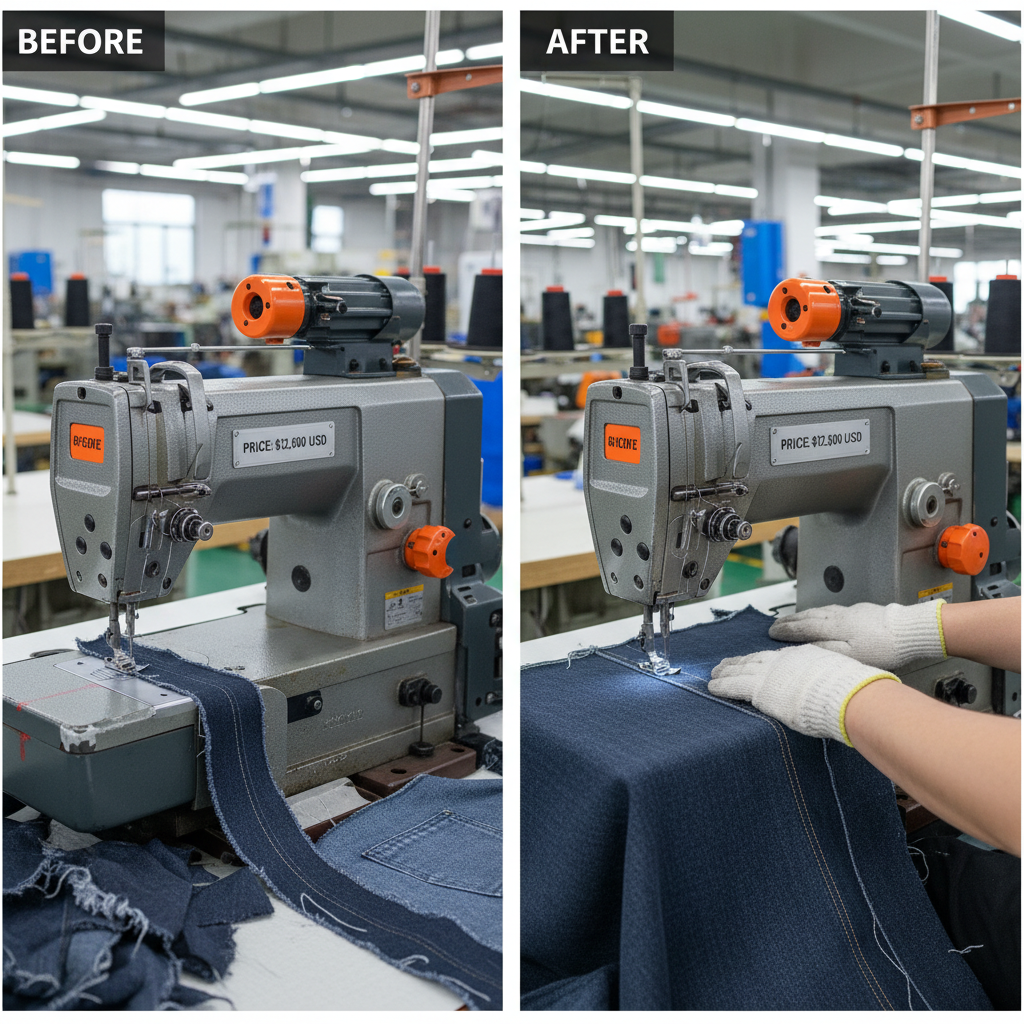 Are you searching for a high-quality deluxe overlock machine? Understanding the pricing and features is crucial for making an informed decision. This article delves into the factors influencing the deluxe overlock machine price, explores different models, and provides insights to help you find the perfect machine for your needs. We’ll cover everything from basic functionalities to advanced features, ensuring you get the most value for your investment. The price of a deluxe overlock machine can vary significantly based on several key factors. These include the brand reputation, the number of threads it can handle, the speed and precision of the stitching, and the availability of advanced features like automatic thread trimming and differential feed. Industrial-grade machines generally command higher prices due to their durability and higher production capabilities.En savoir plus
 -
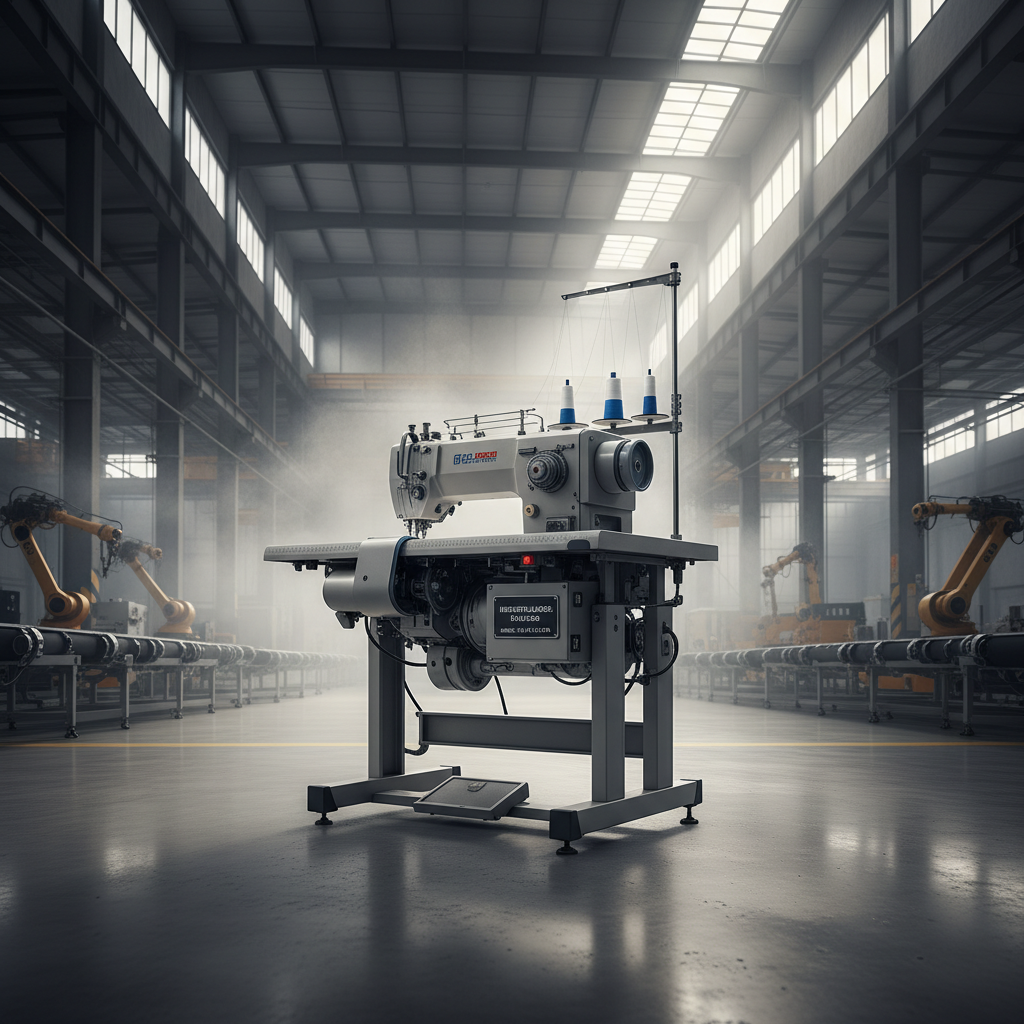 Investing in a five thread overlock machine is a crucial step for garment manufacturers, apparel designers, and anyone involved in fabric finishing. These machines deliver a professional, durable seam that’s essential for quality clothing production. But navigating the five thread overlock machine price range can be complex. This article breaks down the factors influencing costs, explores different price points, and guides you through making an informed purchasing decision. We’ll cover everything from basic models to high-performance industrial machines, helping you find the best fit for your needs and budget. Several factors contribute to the cost of a five thread overlock machine. The brand reputation plays a significant role; established brands known for reliability and performance typically command higher prices. The machine’s features, such as automatic thread trimming, differential feed, and stitch length adjustment, also impact the price. Industrial-grade machines, designed for heavy-duty use, are significantly more expensive than domestic models.En savoir plus
 -
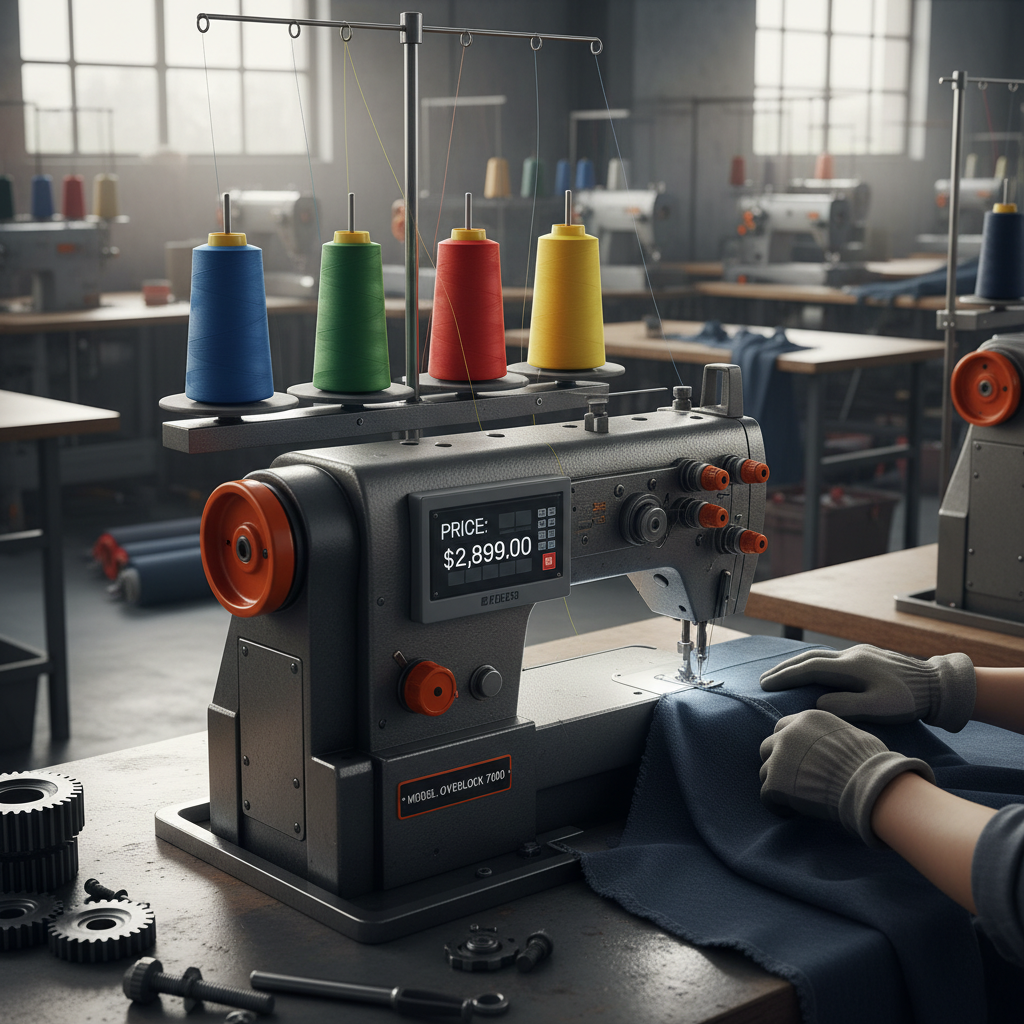 When seeking a reliable and efficient sewing solution for finishing fabric edges, a four thread overlock machine is an excellent investment. These machines create a professional and durable seam, preventing fraying and adding a clean aesthetic to garments and other textile projects. However, understanding the four thread overlock machine price can be complex due to variations in features, brands, and quality. This article will provide a comprehensive guide to navigating the market and finding the best machine for your needs and budget. Several key factors influence the price of a four thread overlock machine. Brand reputation plays a significant role, with established brands often commanding a premium. The level of automation, including features like automatic thread trimming and tension adjustment, also impacts the cost. Machine build quality, materials used, and the inclusion of advanced features like differential feed further contribute to price variations. Finally, the supplier or retailer you choose and their associated overhead costs will affect the final price you pay.En savoir plus
 -
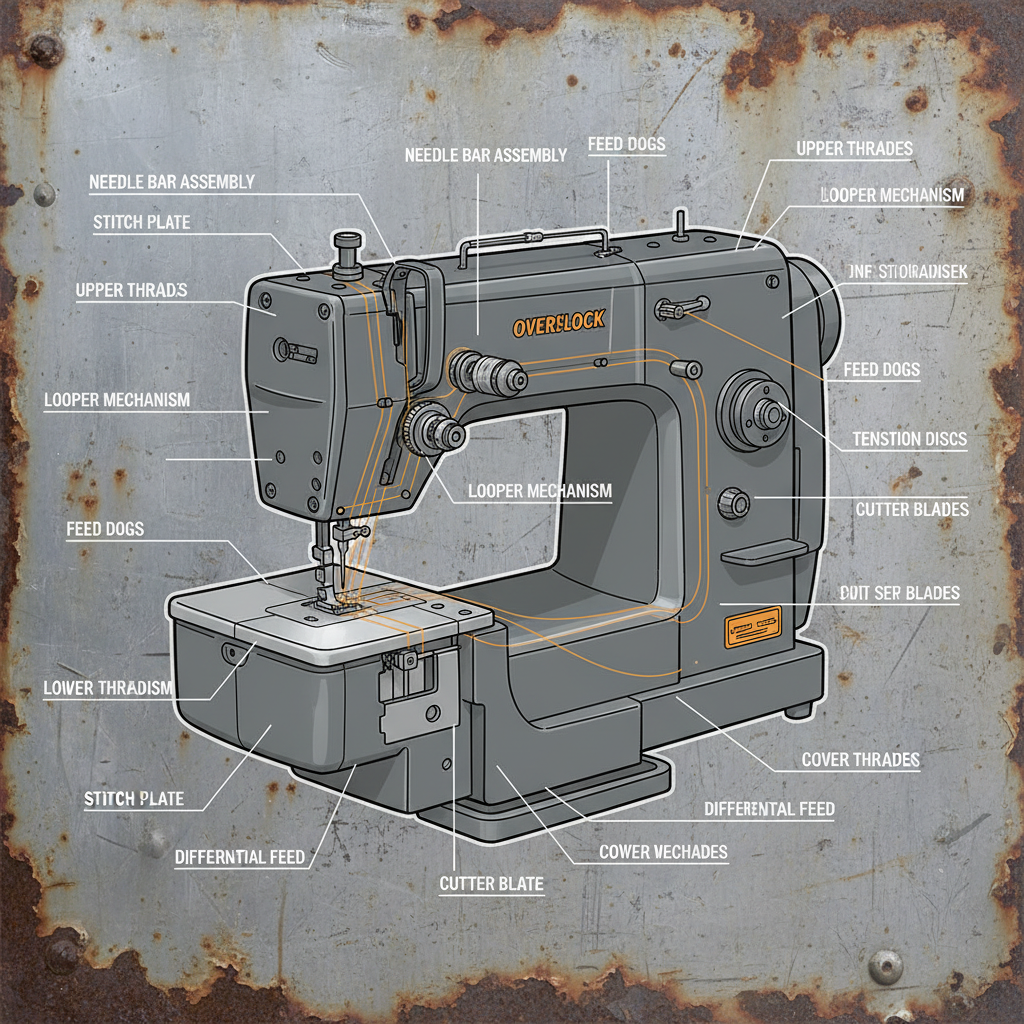 In the dynamic world of textile manufacturing and garment creation, efficiency and quality are paramount. The coverstitch overlock machine emerges as a critical tool, offering a unique combination of functionalities that streamline production and enhance the final product. This article delves into the benefits, applications, key features, and selection criteria for these versatile machines, providing valuable insights for businesses seeking to elevate their garment manufacturing processes. We will explore how choosing the right machine can significantly impact production speed, product quality, and overall cost-effectiveness. A coverstitch overlock machine blends the functionalities of both coverstitch and overlock sewing. The overlock part secures the fabric edge, preventing fraying, while the coverstitch creates parallel rows of stitching on the right side of the fabric. This results in a professional-looking seam often seen on sportswear, knitwear, and ready-to-wear garments.En savoir plus
 -
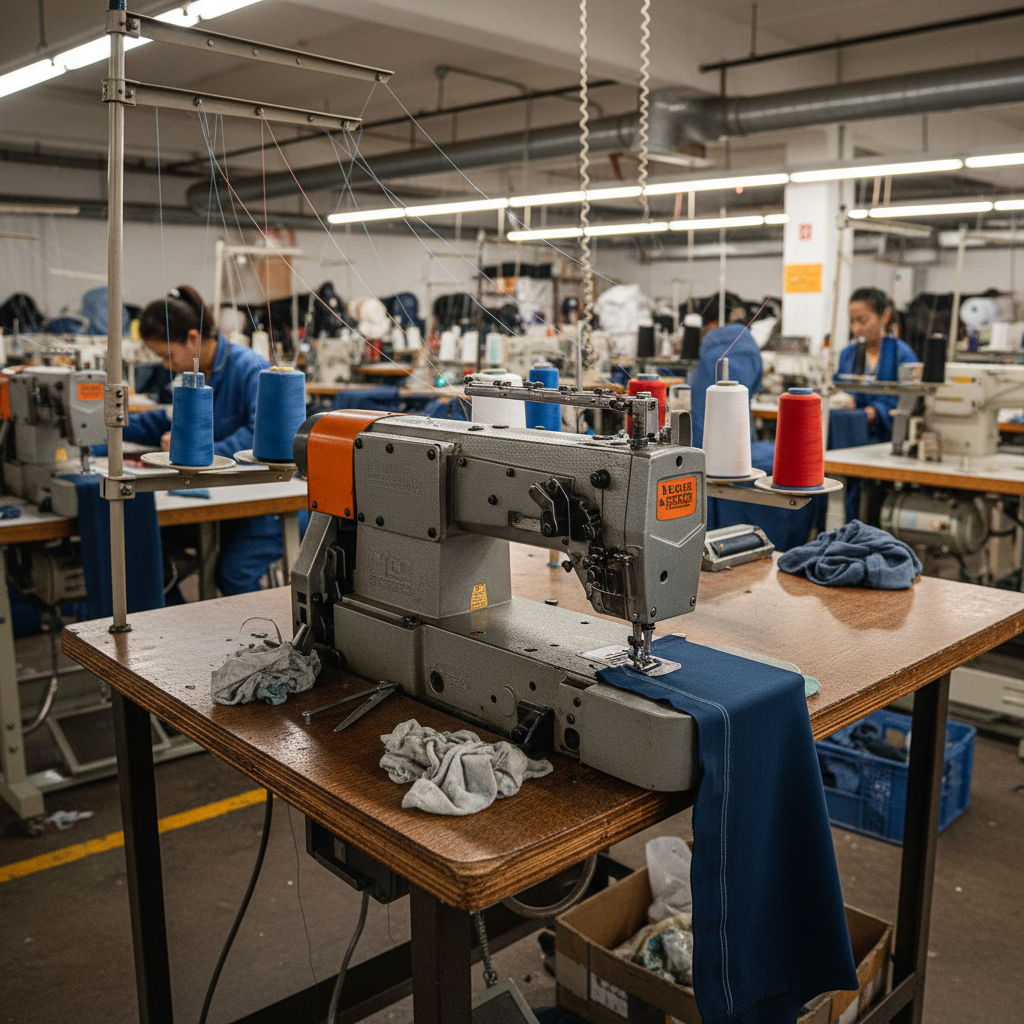 In the dynamic world of garment manufacturing and textile production, efficiency and quality are paramount. A coverstitch serger machine is a vital tool that elevates both. It’s not just about sewing; it’s about creating durable, professional-looking seams that enhance the value and appeal of your products. This article will explore the benefits, applications, and key features of coverstitch serger machines, helping you understand why it's a worthwhile investment for your business. We’ll delve into what sets these machines apart and how they can streamline your production process. A coverstitch serger machine creates a professional-looking stitch on the right side of the fabric, while looping the thread around the edge to create a clean, finished seam. Unlike a standard serger which trims and overlocks the edge simultaneously, a coverstitch machine focuses on creating a durable and aesthetically pleasing seam. This makes it ideal for applications where the seam is visible and needs to be robust.En savoir plus
 -
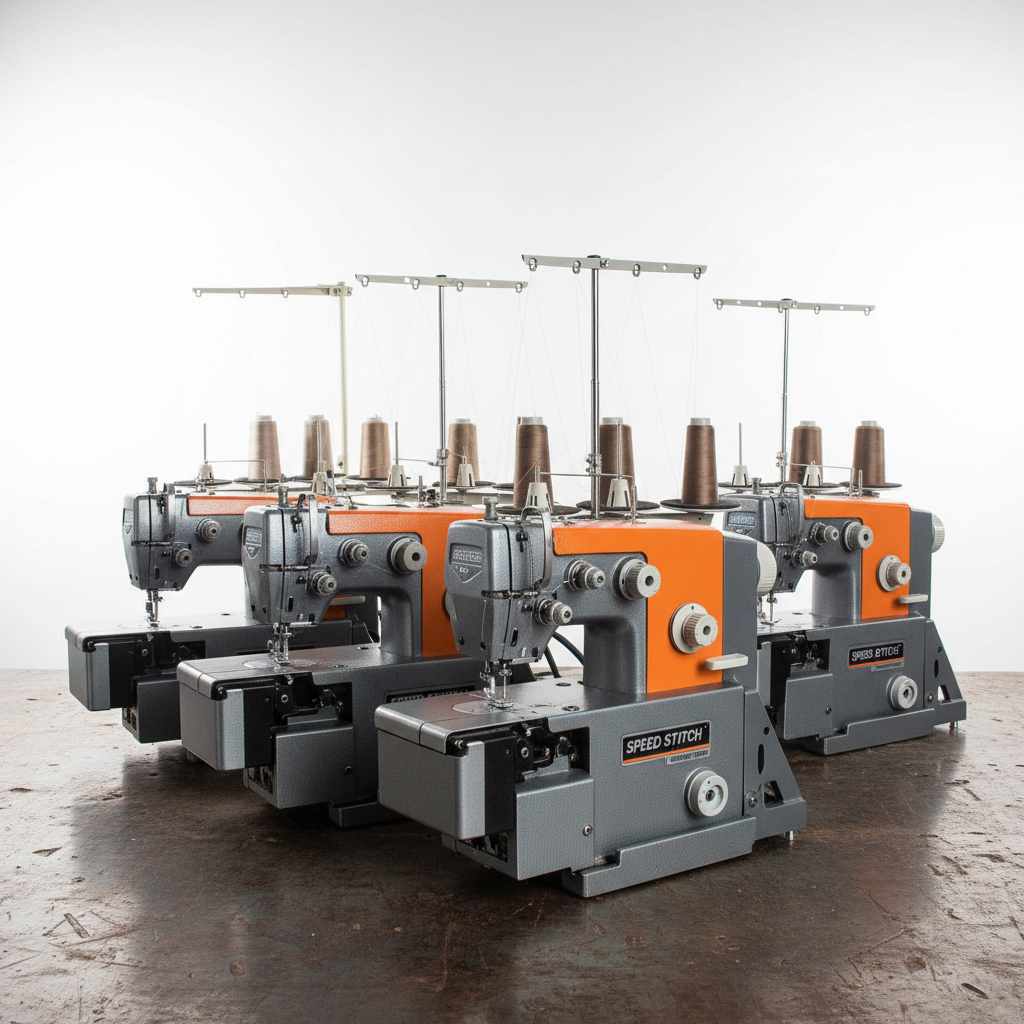 An overlocker, also known as a serger, is an essential tool for creating professional-looking seams and finishing edges on fabrics. However, the cost can be a significant barrier for beginners or those on a budget. This article will guide you through navigating the world of cheap overlocker sewing machines, exploring features, brands, and what to look for to get the best value. We’ll help you find a reliable machine without breaking the bank. Investing in the right overlocker can significantly enhance your sewing projects, adding durability and a polished finish. The term "cheap" doesn't necessarily mean low quality. Often, it refers to entry-level models with fewer features than professional-grade machines. These typically have fewer stitch options, less adjustability, and simpler threading systems. However, they are perfectly capable of handling most common overlocking tasks. The price range for a genuinely affordable overlocker generally falls between $200 and $500. Beware of extremely low prices, as these may indicate a poorly constructed machine that won't last.En savoir plus
 -
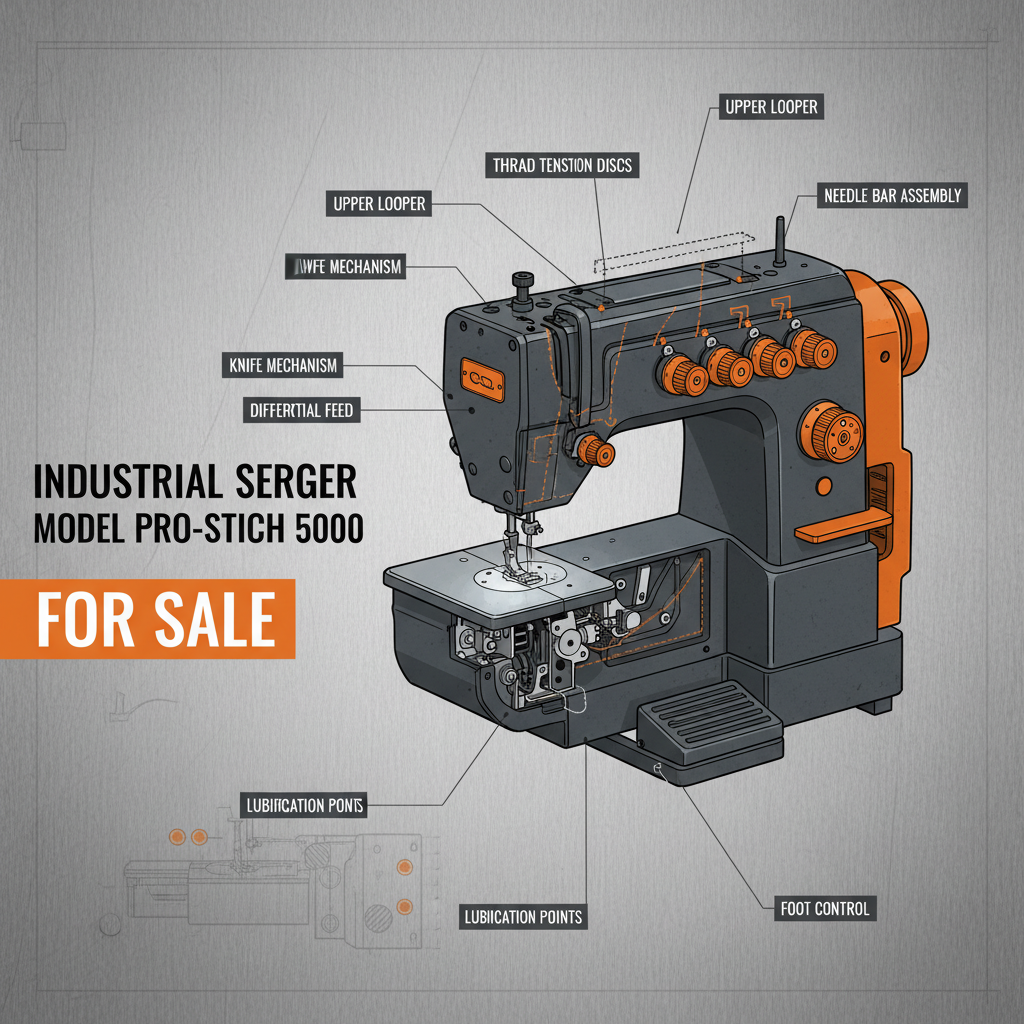 Are you looking to upgrade your sewing capabilities with a robust and efficient machine? A commercial serger is an invaluable asset for businesses and serious sewing enthusiasts. This guide explores everything you need to know about choosing the right commercial serger, including features, benefits, and where to find the best deals. Investing in a high-quality serger can significantly improve your production speed and the overall quality of your finished products. Longsew offers a wide range of options to suit your specific needs. Commercial sergers are built to withstand the demands of heavy use. Unlike domestic machines, they feature more powerful motors, durable components, and larger work areas. This translates to increased productivity, reduced downtime, and consistently professional results. They excel at finishing raw edges, creating rolled hems, and joining fabrics quickly and neatly. For businesses producing garments, upholstery, or other sewn products, a commercial serger is a worthwhile investment.En savoir plus
 -
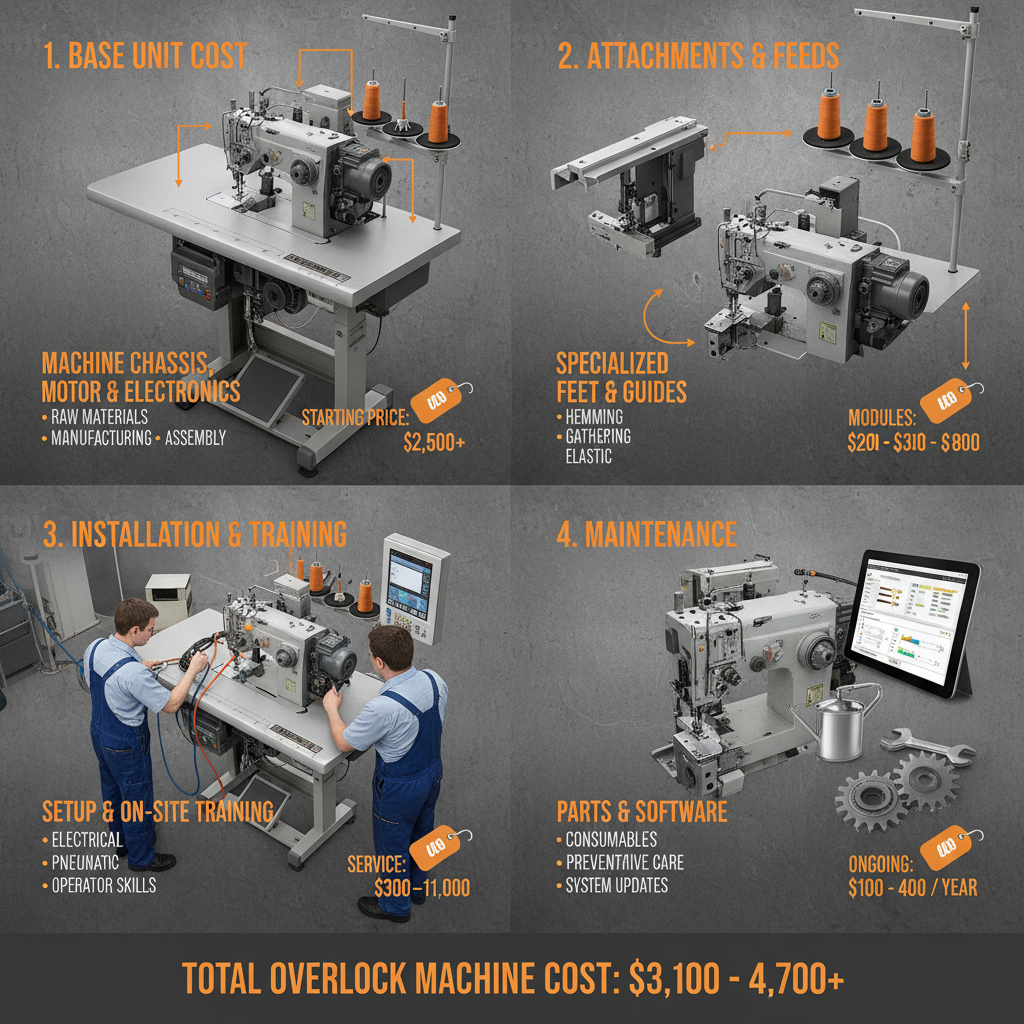 When starting or expanding a garment manufacturing or alterations business, understanding the cost of an overlock machine is crucial. This guide provides a comprehensive overview of factors influencing price, different machine types, and potential expenses beyond the initial purchase. An overlock machine, also known as a serger, is an indispensable tool for finishing fabric edges, preventing fraying, and creating a professional look. Choosing the right machine at the right price is key to optimizing efficiency and profitability. Several factors determine the price of an overlock machine. The number of threads, automation level, and brand reputation all play significant roles. Industrial-grade machines generally cost more than domestic models due to their enhanced durability and speed. Features like automatic thread tension, differential feed, and built-in safety mechanisms also contribute to the price. Furthermore, the seller’s location and any included warranties or support services can impact the final cost. It's important to carefully consider your needs and budget to make an informed decision.En savoir plus

Hebei LongSew Machinery Technology Co. Ltd débute en tant que fournisseur de pièces de machines à coudre. Longsew a maintenant plus de vingt ans d'expérience dans l'offre d'ensembles complets de machines à coudre.


INFORMATION
CLASSIFICATION
CONTACTEZ-NOUS
-

No.368 rue North Youyi, ville de Shijiazhuang, province du Hebei, Chine
-

-

Copyright © 2026 HEBEI LONGSEW MACHINERY TECHNOLOGY CO. LTD All Rights Reserved. Sitemap | Privacy Policy