


سپتامبر . 01, 2025 17:13
بازگشت به لیست
Serger For Sale
When browsing online or in sewing stores, it is common to see advertisements for a serger for sale. A serger, also known as an overlock sewing machine, is a highly efficient tool for finishing fabric edges, creating durable seams, and giving garments a professional look. Whether someone is just learning sewing or managing a professional studio, choosing the right machine from the many listings of serger for sale, قفسههای اضافی برای فروش, or overlock machine for sale can make a major difference. A serger trims, sews, and encloses fabric edges in a single step, making it far more versatile than a traditional sewing machine.
What Is A Serger And Why It Matters
Before discussing the value of finding the right serger for sale, it’s important to understand what is a serger. A serger is a machine that combines cutting blades with multiple threads to create strong and neat stitches along fabric edges. It is different from a standard sewing machine because it not only stitches but also trims fabric at the same time. Many beginners searching for what is an overlock sewing machine or what’s the difference between a serger and an overlock machine soon learn that both terms describe the same type of machine. In professional sewing, a serger and coverstitch machine or a specialized industrial overlock machine may also be considered, depending on production needs.
Overlockers For Sale And Their Variety
When browsing قفسههای اضافی برای فروش, one will find many types available. There are compact models designed for beginners, mid-range options for experienced hobbyists, and heavy-duty machines for industrial use. An industrial overlocker for sale is built for long-term durability, speed, and reliability. On the other hand, a domestic serger for sale might be ideal for small home projects. The choice depends on intended usage, sewing frequency, and the type of fabric. Lightweight fabric might only require a simple sewing serger for sale, while thicker textiles often demand an industrial overlock machine.
Industrial Overlocker For Sale: Professional Considerations
For businesses, browsing an industrial overlocker for sale is a strategic decision. These machines are built to handle constant use in garment factories and workshops. Compared to a domestic serger for sale, an industrial model runs at much higher speeds and can manage multiple layers of heavy fabric without slowing down. Manufacturers often evaluate overlock machine price not only by cost but by the long-term productivity and quality output of the machine. In such cases, an industrial overlock machine becomes the best investment for scaling operations.
What’s The Difference Between A Serger And An Overlock Machine
Shoppers often wonder what’s the difference between a serger and an overlock machine when comparing listings for serger for sale or overlock machine for sale. The reality is that both terms are interchangeable. In North America, the word “serger” is common, while “overlock machine” is more widely used in Europe and Asia. However, the important difference is not in terminology, but in machine category. A basic domestic model is very different from an industrial overlocker, which is designed for commercial-scale work.
Serger And Coverstitch Machine Options
Some listings advertise a serger and coverstitch machine, which offers even greater versatility. This combination allows users to not only overlock seams but also create coverstitch hems commonly seen on t-shirts and sportswear. While a serger for sale may focus on seam finishing, a hybrid option adds professional hemming features. For advanced users or small studios, this dual-function machine can be more cost-effective than buying separate equipment. However, those running larger production lines often prefer a dedicated industrial overlock machine for speed and a standalone coverstitch unit for finishing.
Overlock Machine For Sale And Pricing Factors
The search for an overlock machine for sale often brings up questions about overlock machine price. Prices vary widely depending on whether the machine is a domestic serger, a mid-level model, or an industrial system. Domestic models are typically lightweight and affordable, making them perfect for hobbyists or beginners. In contrast, professional users may focus on an industrial overlocker for sale, which costs more but delivers unmatched performance and durability. When choosing between these, it’s important to balance cost with expected sewing volume and desired stitch quality.
What Is The Best Serger For Your Needs
Many sewing enthusiasts ask what is the best serger while exploring listings for serger for sale or sewing serger for sale. The answer depends on usage. For home projects, the best serger might be a compact machine with four-thread functionality. For fashion designers or small tailoring businesses, a five-thread or combination serger and coverstitch machine might be ideal. For industrial-scale work, the best option is always an industrial overlock machine, which is specifically designed for speed, precision, and heavy workloads. The definition of “best” depends less on price and more on the balance between machine features and user needs.
Sewing Serger For Sale Versus Industrial Units
When someone looks for a sewing serger for sale, they are often searching for an entry-level model to complement a standard sewing machine. These units are perfect for learning how to manage seam finishing and decorative stitches. However, they cannot match the strength of an industrial overlock machine. Businesses or professionals who sew daily often transition from a sewing serger for sale listing to an industrial overlocker for sale, realizing the latter offers far greater efficiency and lifespan.
Conclusion
In conclusion, finding the right serger for sale depends on whether the user is a hobbyist, a small studio, or a large-scale manufacturer. A domestic serger for sale or sewing serger for sale can be perfect for light sewing, while an industrial overlocker for sale delivers unmatched performance for professionals. Understanding what is a serger, the differences between domestic and industrial models, and evaluating overlock machine price are all essential steps before making a decision. Whether choosing a versatile serger and coverstitch machine or focusing on an industrial overlock machine, buyers can find options that suit their needs. Ultimately, the best investment comes from balancing functionality, durability, and long-term productivity, making every purchase of a serger for sale an opportunity to elevate sewing quality.
بعد:
آخرین خبرها
-
Industrial Bag Sewing Machine Price and Comprehensive Buying GuideاخبارApr.16,2026
-
Industrial Hand Held Bag Closer for Efficient Packaging SealingاخبارApr.16,2026
-
Industrial Hand Held Bag Closer Sewing Machine for PackagingاخبارApr.16,2026
-
Efficient Industrial Bag Closer Sewing Machine for PackagingاخبارApr.16,2026
-
Industrial Sewing Guide for Choosing the Right Closer MachineاخبارApr.16,2026
-
Guide to Capital Bag Closer Machine Price and Buying FactorsاخبارApr.16,2026
-
Say goodbye to inefficient cutting! This heavy-duty webbing hot cutting machine redefines the new standard for industrial cuttingاخبارApr.14,2026
سپتامبر . 02, 2024 05:42
بازگشت به لیست
High-Quality Serger for Sale | Best Prices & Deals Online
The Ultimate Guide to Buying a Serger for Sale
In the world of sewing, a serger (or overlock machine) is an invaluable tool that can elevate your projects and streamline your sewing process. Whether you are an avid dressmaker, a quilting enthusiast, or just beginning your sewing journey, purchasing a serger can significantly improve the quality and durability of your creations. In this article, we will explore the key considerations and benefits of buying a serger for sale, helping you make an informed purchase.
Understanding the Benefits of a Serger
A serger is designed to trim excess fabric while simultaneously stitching the edges to prevent fraying. This capability allows you to finish seams quickly, making it an essential machine for those who often work with knits, jersey fabrics, and other materials prone to unraveling. Here are a few benefits of investing in a serger
1. Professional Finish Using a serger allows you to achieve neat and professionally finished seams that are both strong and aesthetically pleasing. This is particularly important for garments that will see regular wear and wash.
2. Speed and Efficiency A serger can sew faster than a regular sewing machine as it performs multiple tasks at once. This is ideal for those who create garments or projects in bulk.
3. Versatility Modern sergers come with various stitch types, allowing you to create rolled hems, flatlock seams, and more. This versatility can expand your sewing capabilities and encourage creativity.
4. Better Handling of Stretch Fabrics Serger machines are adept at sewing stretch fabrics, as they maintain the fabric's elasticity while providing a secure finish.
Factors to Consider When Buying a Serger
serger for sale
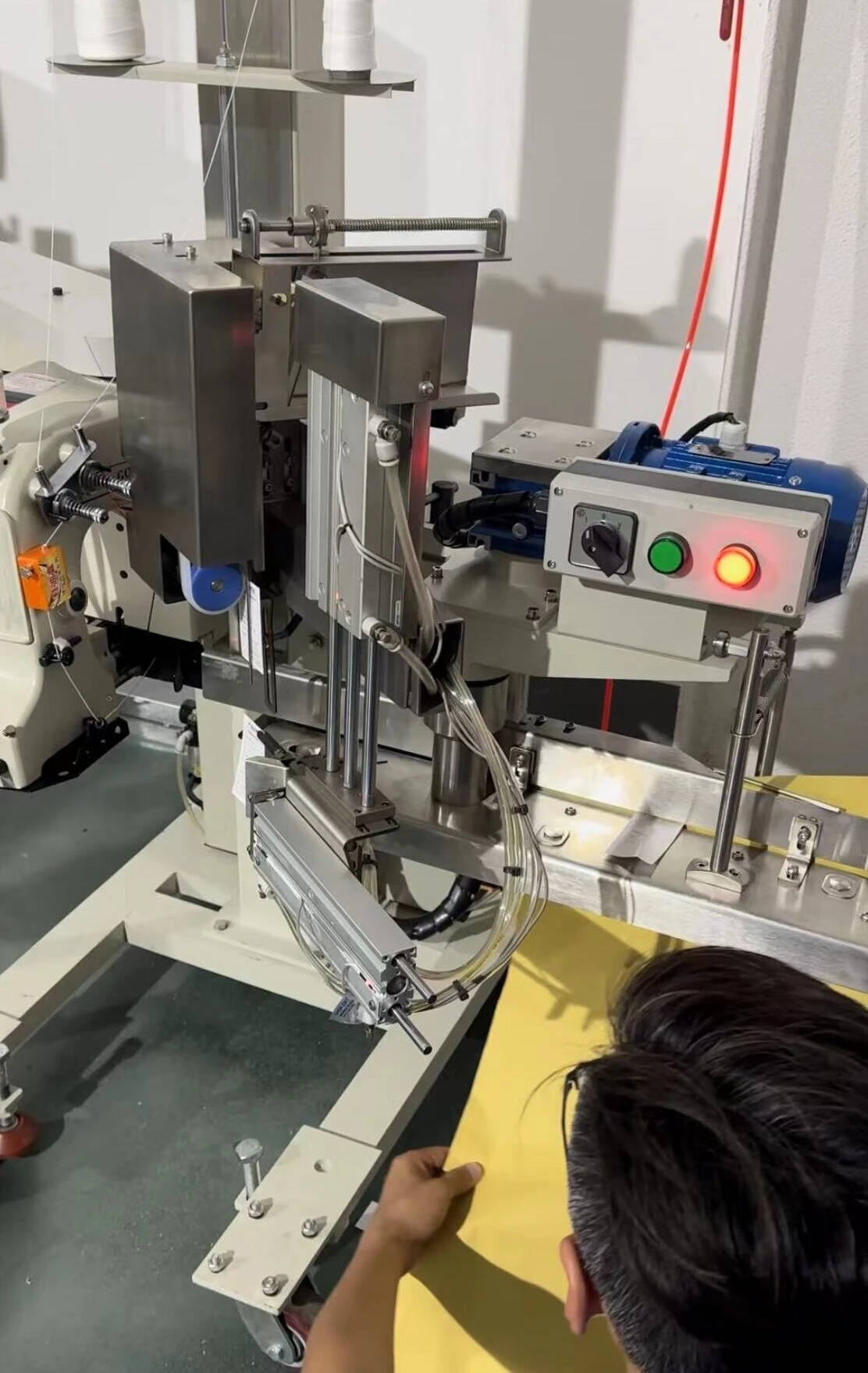
When shopping for a serger for sale, you should consider a few important factors
1. Number of Threads Sergers can have different threading capacities, typically ranging from 2 to 5 threads. A 4-thread machine is the most common for home use, offering a balance of stitch options and ease of use.
2. Ease of Use Look for a serger that offers easy threading and adjustments. Many models come with color-coded threading guides to simplify the process, which can be particularly helpful for beginners.
3. Machine Features Evaluate additional features such as differential feed, adjustable stitch length, and built-in rolled hem capabilities. The more options your serger has, the more creative possibilities you'll have.
4. Budget Set a budget before exploring options. While there are high-end models with advanced features, there are also budget-friendly choices for those just starting.
5. Brand Reputation and Support Research reputable brands that have a history of reliability and customer support. Reading reviews and seeking recommendations can guide you toward a trustworthy product.
Finding the Right Sale
When looking for a serger for sale, consider both online and local sewing supply stores. Be on the lookout for seasonal sales, clearance events, and promotional discounts. Additionally, purchasing second-hand can yield great deals but ensure you check the machine's condition and functionality before buying.
In conclusion, investing in a serger can enhance your sewing experience and output quality dramatically. By understanding its benefits, considering essential features, and seeking out sales, you can find the perfect serger that fits your needs and budget. Happy sewing!
بعد:
آخرین خبرها
-
Industrial Bag Sewing Machine Price and Comprehensive Buying GuideاخبارApr.16,2026
-
Industrial Hand Held Bag Closer for Efficient Packaging SealingاخبارApr.16,2026
-
Industrial Hand Held Bag Closer Sewing Machine for PackagingاخبارApr.16,2026
-
Efficient Industrial Bag Closer Sewing Machine for PackagingاخبارApr.16,2026
-
Industrial Sewing Guide for Choosing the Right Closer MachineاخبارApr.16,2026
-
Guide to Capital Bag Closer Machine Price and Buying FactorsاخبارApr.16,2026
-
Say goodbye to inefficient cutting! This heavy-duty webbing hot cutting machine redefines the new standard for industrial cuttingاخبارApr.14,2026

شرکت فناوری ماشینآلات هبی لانگسو (Hebei LongSew Machinery Technology Co. Ltd) فعالیت خود را به عنوان تأمینکننده قطعات چرخ خیاطی آغاز کرد و اکنون بیش از بیست سال تجربه در ارائه مجموعه کامل چرخ خیاطی دارد.


طبقهبندی
تماس با ما
-

شماره 368 خیابان یویی شمالی، شهر شیجیاژوانگ، استان هبی، چین
-

-

Copyright © 2026 HEBEI LONGSEW MACHINERY TECHNOLOGY CO. LTD All Rights Reserved. Sitemap | Privacy Policy