

Apr . 16, 2026 01:55
Back to list
Industrial Sewing Guide for Choosing the Right Closer Machine
The Ultimate Guide to Choosing the Right Closer Machine for Industrial Sewing
In the demanding world of industrial textile manufacturing, the final seal of a product often determines its overall quality and durability. A high-performance closer machine is essential for creating secure, professional closures on everything from heavy-duty bags to luxury upholstery. Whether you are sealing the bottom of a mattress or closing a specialized industrial sack, the precision of your machinery directly impacts your production efficiency and waste reduction. In this guide, we will explore the technical nuances, various types, and the critical factors to consider when integrating a professional closing system into your workflow.
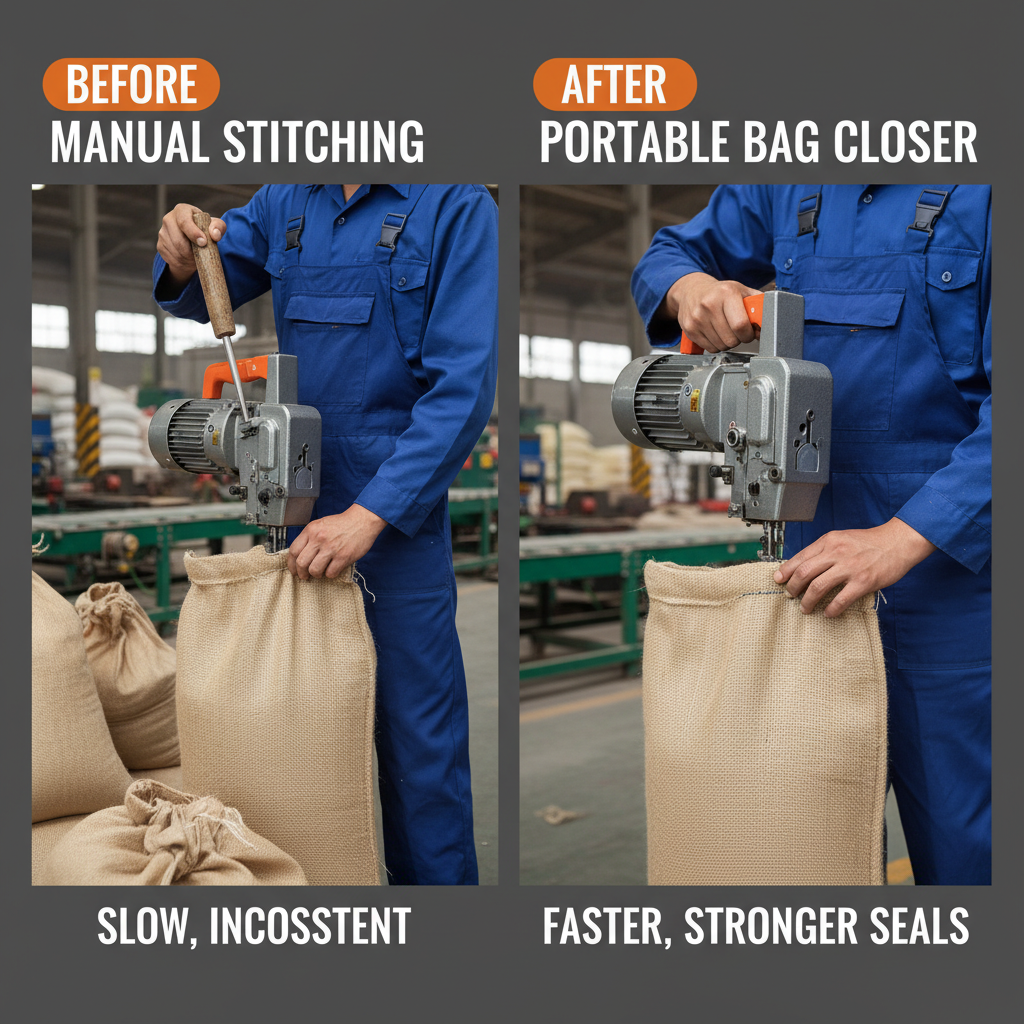
How a Professional Closer Machine Enhances Production
The primary role of a closer machine is to provide a robust and consistent stitch that can withstand significant internal pressure and external tension. Unlike standard sewing machines, these specialized units are engineered to handle thick material accumulations and maintain stitch uniformity even at high speeds. By automating the closing process, manufacturers can significantly reduce manual labor costs and minimize the risk of human error, which often leads to costly product recalls or failures in the field.
Industry Impact: Switching to an automated closer machine can increase output by up to 40% while reducing material waste by approximately 15% due to precise seam alignment.
Types of Closer Machine Technology and Their Uses
Not all closing requirements are the same. Depending on the fabric weight and the required strength of the seam, different mechanical approaches are used. For example, chain-stitch closers are preferred for their elasticity and strength, making them ideal for bags that will be filled to capacity. On the other hand, lock-stitch closers offer a more permanent, non-raveling seam suited for luxury goods. Understanding these differences ensures that your investment in a closer machine aligns perfectly with your material specifications.
Comparing Closer Machine Models: Manual vs. Automatic
When evaluating whether to purchase a manual or an automatic closer machine, the decision usually boils down to production volume and budget. Manual machines offer greater flexibility for bespoke items, while automatic systems are the backbone of mass production. The following table provides a detailed comparison to help you decide based on your specific operational needs.
Critical Maintenance for Your Closer Machine
To ensure the longevity of your closer machine, a strict maintenance schedule is non-negotiable. Because these machines often operate in dusty environments (such as bagging plants), lint and debris can accumulate in the bobbin area and feed dogs, leading to skipped stitches or thread breakage. Regular lubrication of moving parts and the timely replacement of needles are the simplest yet most effective ways to prevent unplanned downtime and maintain the integrity of your seals.
Maintenance Checklist:
• Daily: Remove lint from the feed mechanism
• Weekly: Check oil levels and lubricate joints
• Monthly: Inspect belt tension and motor alignment
• Quarterly: Professional calibration of stitch length
Technical Specifications of a Premium Closer Machine
When sourcing equipment from a professional supplier like Longsew, it is important to look beyond the price tag and analyze the technical specifications. A premium closer machine should feature high-torque motors and reinforced frames to handle heavy industrial fabrics without vibrating or shifting. Below are the standard specifications you should expect from a top-tier industrial closer.
Conclusion: Optimizing Your Workflow with Longsew
Investing in a high-quality closer machine is more than just a hardware purchase; it is a strategic move toward operational excellence. By choosing a machine that balances speed, precision, and durability, you ensure that your final product reflects the quality of your entire manufacturing process. Whether you are upgrading an existing line or building a new facility, prioritizing technical specifications and maintenance will yield long-term profitability. Trust in professional engineering to seal your success.
Frequently Asked Questions (FAQs)
What materials are most suitable for a closer machine?
A closer machine is specifically designed for materials that require a strong, secure end-seam. This includes heavy-duty woven polypropylene, canvas, leather, and various synthetic fabrics used in industrial bagging and upholstery. Depending on the model, these machines can handle everything from thin linens to multi-layered heavy fabrics. The key is matching the needle gauge and thread strength to the material weight to avoid fabric tearing or thread snapping during the closing process.
Can a closer machine be used for home sewing projects?
While technically possible, industrial closer machines are generally overkill for home projects. They are designed for high-volume, heavy-duty applications and typically lack the delicate settings required for light clothing fabrics. Furthermore, they often require specialized industrial power supplies and a dedicated workspace due to their weight and vibration. For professional-grade home results, a heavy-duty domestic machine is usually sufficient, whereas a closer machine is reserved for commercial environments.
How do I prevent skipped stitches on my closer machine?
Skipped stitches are usually caused by one of three things: a dull or bent needle, incorrect timing between the needle and the hook, or improper thread tension. First, ensure you are using a fresh, industrial-grade needle suitable for your fabric. Second, check that the thread is correctly seated in the tension discs. If the problem persists, it may be a timing issue that requires a professional technician to calibrate the machine's internal synchronization to ensure the hook catches the loop perfectly every time.
What is the difference between a bag closer and a general closer machine?
A bag closer is a specialized type of closer machine often designed to be portable (hand-held), allowing the operator to move the machine around the bag. A general industrial closer machine is typically a stationary unit integrated into a larger production line. While both serve the purpose of sealing an opening, the stationary units generally offer higher speeds, more precise control, and the ability to handle significantly heavier materials through the use of powerful table-driven motors.
Latest news
-
Industrial Bag Sewing Machine Price and Comprehensive Buying GuideNewsApr.16,2026
-
Industrial Hand Held Bag Closer for Efficient Packaging SealingNewsApr.16,2026
-
Industrial Hand Held Bag Closer Sewing Machine for PackagingNewsApr.16,2026
-
Efficient Industrial Bag Closer Sewing Machine for PackagingNewsApr.16,2026
-
Guide to Capital Bag Closer Machine Price and Buying FactorsNewsApr.16,2026
-
Say goodbye to inefficient cutting! This heavy-duty webbing hot cutting machine redefines the new standard for industrial cuttingNewsApr.14,2026
-
LS300 Series Automatic Pattern Sewing Machine High-Efficiency Model for Safety Harness, Lifting Slings & Heavy-Duty WebbingNewsApr.10,2026

Hebei LongSew Machinery Technology Co. Ltd is beginning as sewing machine parts supplier, now Longsew have over twenty years experience in complete set sewing machine offering.


CLASSIFICATION
CONTACT US
-

No.368 North Youyi Street, Shijiazhuang City, Hebei Province, China
-

-

Copyright © 2026 HEBEI LONGSEW MACHINERY TECHNOLOGY CO. LTD All Rights Reserved. Sitemap | Privacy Policy | Top Blog | Global Service