


ΝΕΑ
-
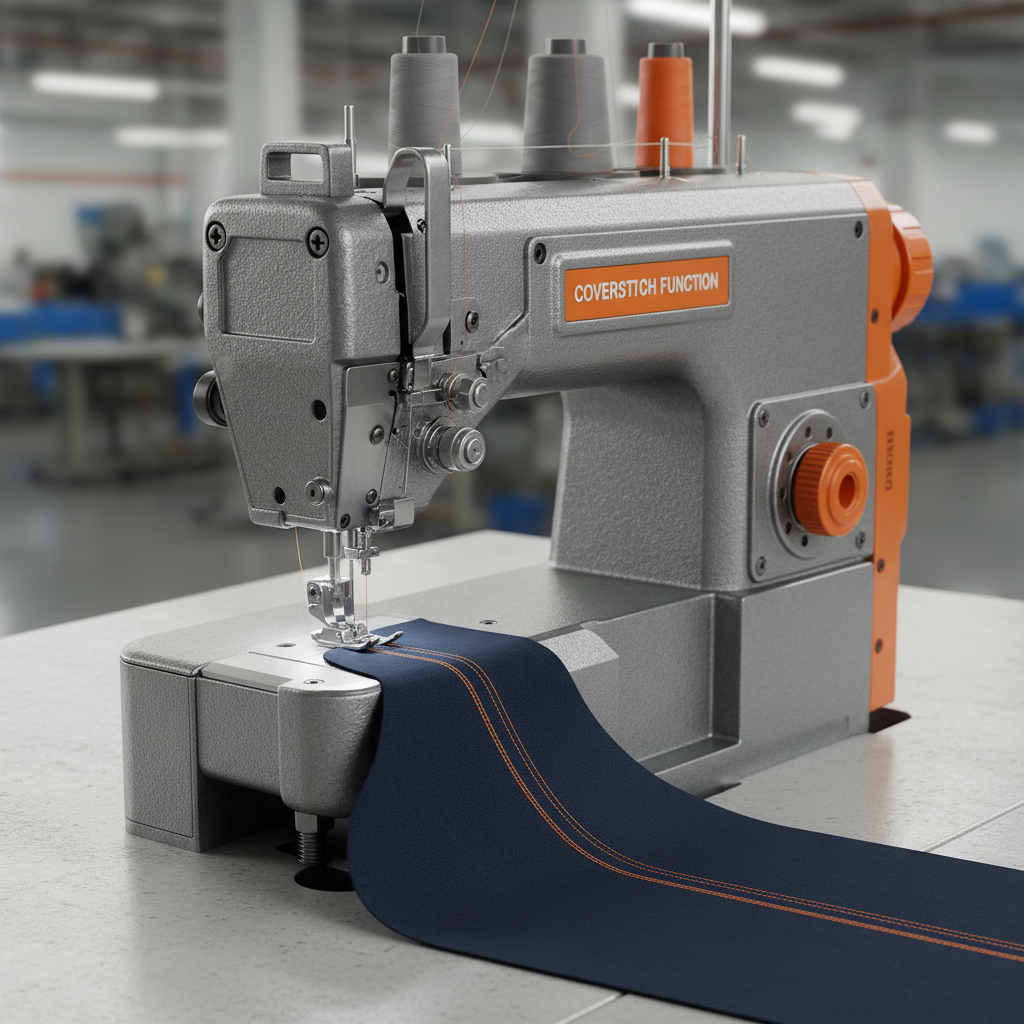 Understanding the intricacies of a serger can unlock a world of professional-looking finishes for your sewing projects. Among its many capabilities, the cover stitch stands out as a particularly versatile and attractive option. This article will delve into the specifics of what a cover stitch on a serger is, its uses, how it differs from other serger stitches, and how Longsew offers solutions for achieving perfect cover stitches. Whether you’re a beginner or a seasoned seamstress, mastering the cover stitch will elevate your creations. A cover stitch, created on a serger (often needing a specialized cover stitch plate and looper configuration), is a stitch that forms parallel rows on the right side of the fabric with looping threads on the wrong side. It’s characterized by its professional, clean finish. It’s commonly used for hems, necklines, and sleeve cuffs on knit fabrics, offering significant stretch and preventing fraying.Διαβάστε περισσότερα
 -
 The overlock stitch, also known as serging, is a crucial technique in sewing and textile manufacturing. Understanding what does overlock stitch look like is essential for garment construction, finishing raw edges, and creating durable seams. This article will delve into the appearance, benefits, types, and applications of the overlock stitch, offering a comprehensive guide for both beginners and experienced sewers. We'll explore why this stitch is a staple in both home sewing and industrial production. An overlock stitch is characterized by its looped appearance, encasing the fabric edge within threads. It’s created using loopers and needles simultaneously, resulting in a clean and professional finish. The stitch resembles a chain-like pattern along the edge of the fabric, preventing fraying and adding durability. Unlike a simple straight stitch, the overlock stitch wraps around the edge, creating a secure and neat seam. The density of the loops and the width of the stitch can vary depending on the machine settings and the type of fabric being used.Διαβάστε περισσότερα
 -
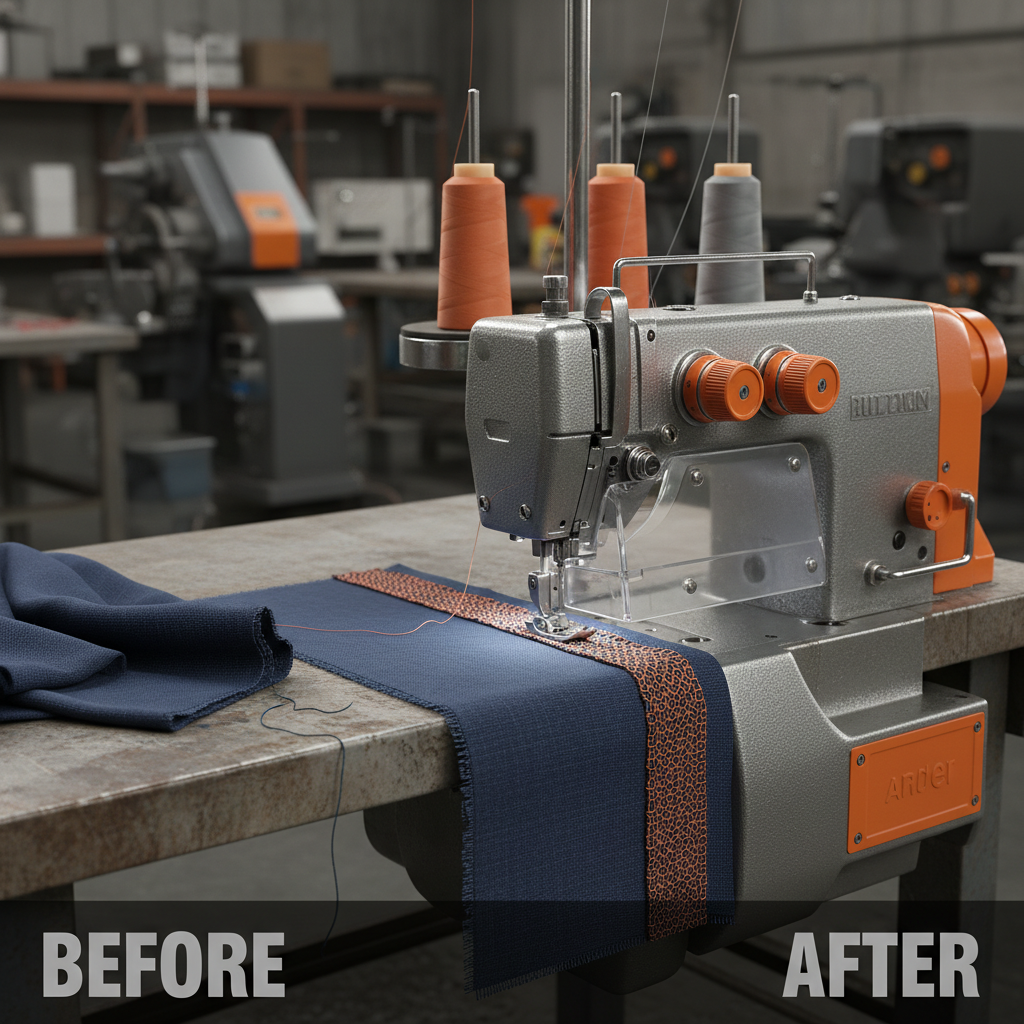 Are you new to sewing and hearing about serger machines? Or perhaps you're wondering if a serger is worth the investment beyond a standard sewing machine? This article will comprehensively explain what a serger machine does, its benefits, how it differs from a sewing machine, and whether it’s the right tool for your sewing projects. We’ll break down the technical aspects in an easy-to-understand way, helping you determine if a serger will elevate your sewing game. A serger, also known as an overlock machine, is a specialized sewing machine that simultaneously sews a seam, trims the excess fabric, and overcasts the raw edges to prevent fraying. Unlike a standard sewing machine that creates a straight stitch, a serger uses loopers and needles to create an overlocked stitch. This stitch is exceptionally strong and flexible, making it ideal for knit fabrics that stretch and move.Διαβάστε περισσότερα
 -
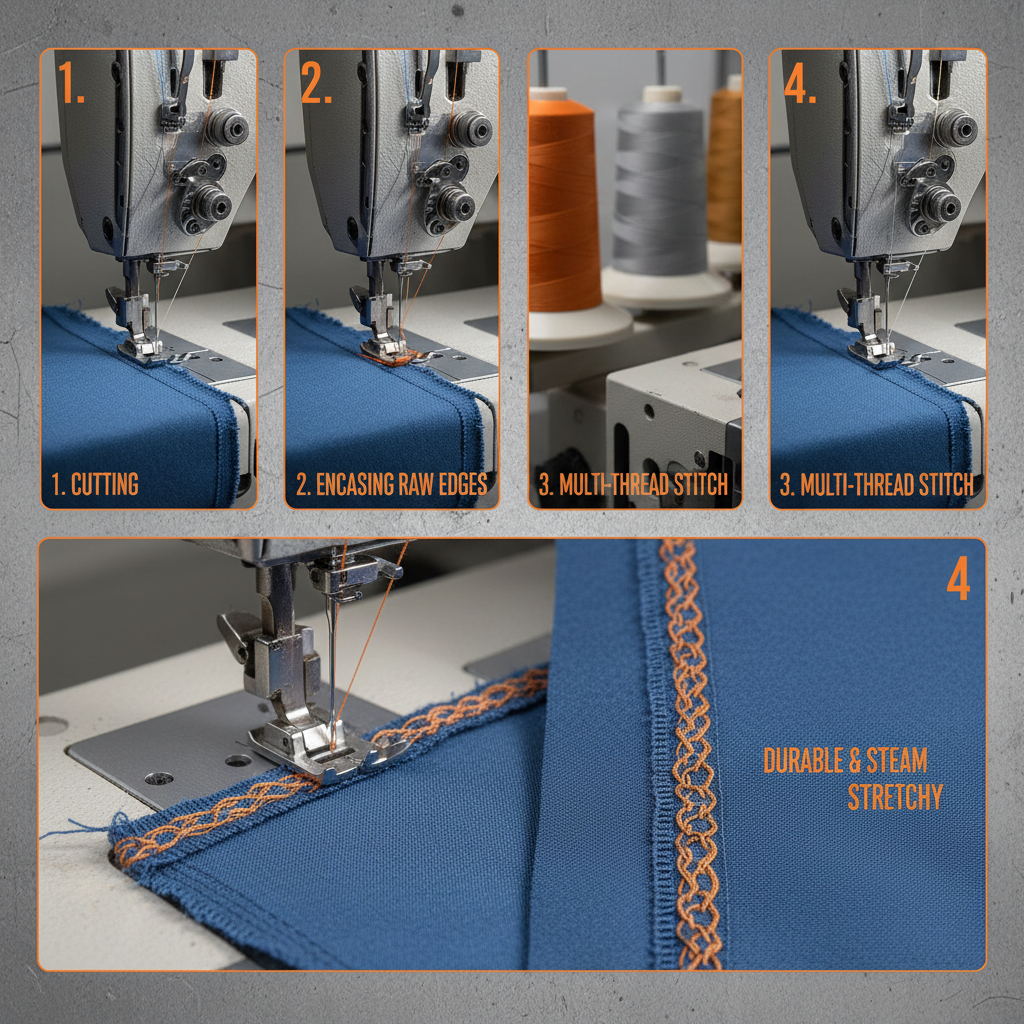 The world of sewing machines can seem daunting with numerous types available, each serving a specific purpose. Among them, the overlock machine stands out for its unique functionality. Often called a serger, this machine isn’t designed for basic seams, but instead excels at finishing raw fabric edges, preventing fraying, and creating professional-looking garments. This article will explore exactly what does overlock machine do, its benefits, applications, and how it differs from other sewing machines. Whether you’re a seasoned seamstress or just starting out, understanding the capabilities of an overlock machine is crucial for achieving high-quality sewing results. At its core, an overlock machine’s primary function is to create a neat, durable edge finish on fabric. Unlike a standard sewing machine which simply joins two pieces of fabric, an overlock machine simultaneously sews a seam, trims the excess fabric, and encases the raw edge within threads. This prevents the fabric from unraveling, resulting in a clean and professional finish. This is especially important for fabrics that fray easily, such as knits and woven materials.Διαβάστε περισσότερα
 -
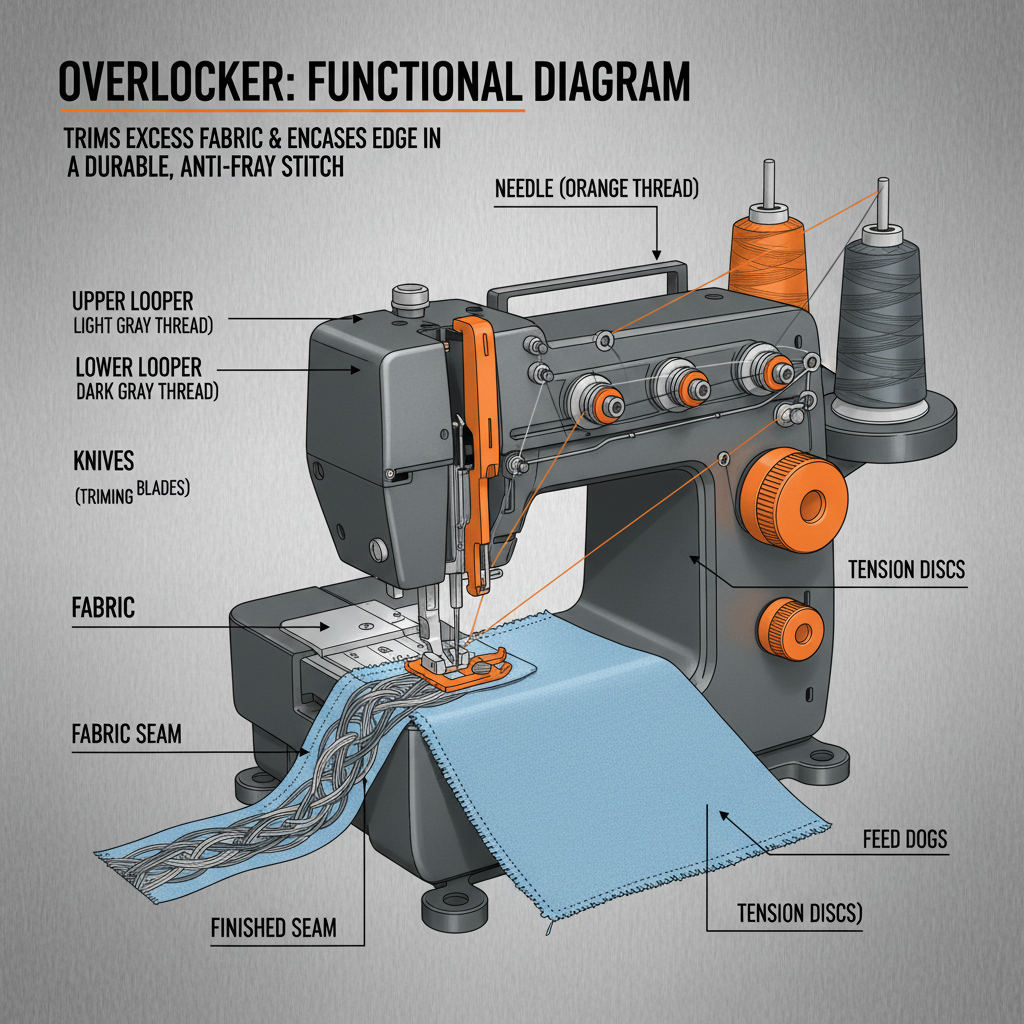 An overlocker, also known as a serger, is a specialized sewing machine used to create a professional finish on fabric edges. Unlike a traditional sewing machine which primarily joins fabrics, an overlocker simultaneously sews, trims, and overcasts the edge of the fabric – preventing it from fraying and creating a neat, durable seam. This makes it an essential tool for garment construction, particularly for knit fabrics. Understanding overlock machines and their capabilities can significantly enhance the quality and efficiency of your sewing projects. Longsew offers a range of industrial overlock machines designed for various applications. At its heart, an overlocker performs three critical functions concurrently: sewing, trimming, and overcasting. The sewing action uses loopers instead of a traditional needle, creating a chain stitch that is highly flexible and secure. Simultaneously, a built-in blade trims away the excess fabric edge. Finally, the overcasting action wraps thread around the edge of the fabric, preventing fraying and providing a clean finish.Διαβάστε περισσότερα
 -
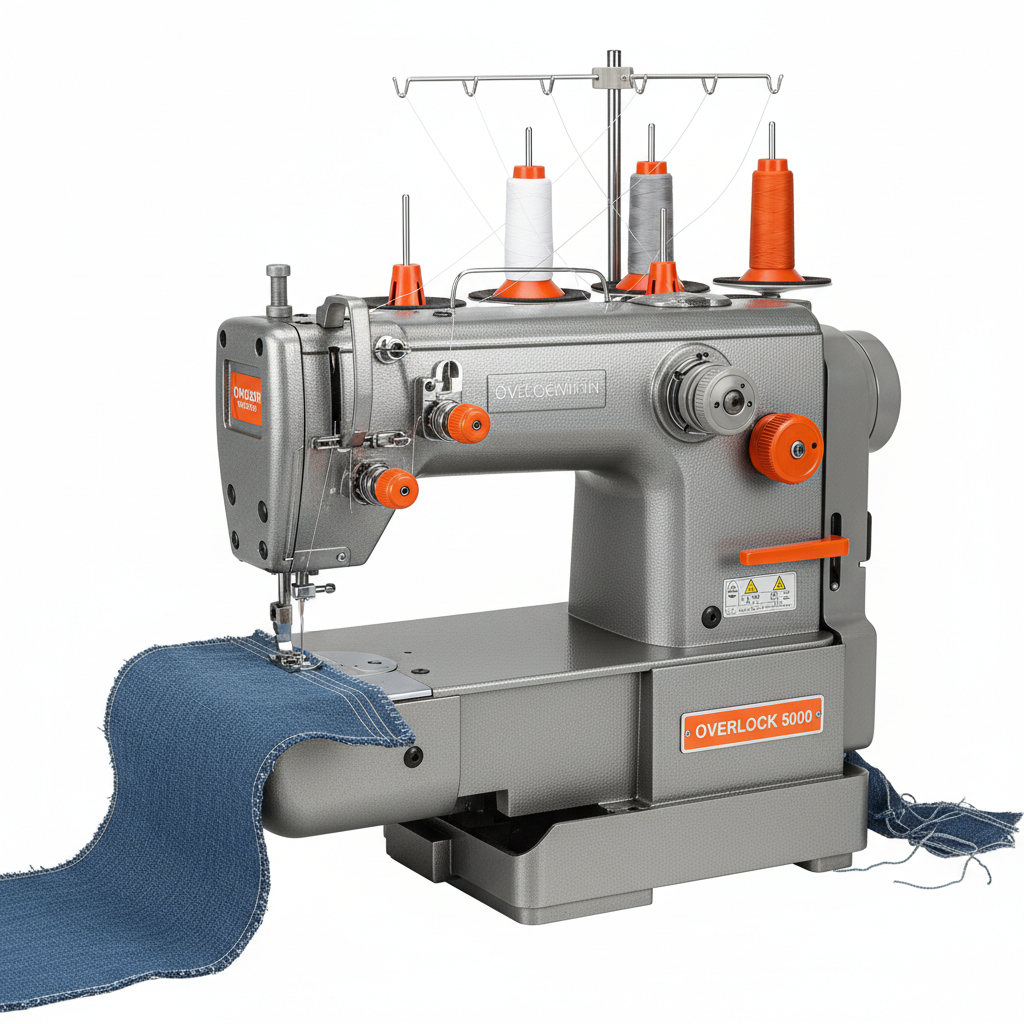 An overlock sewing machine, also known as a serger, is a specialized machine used to finish the edges of fabric. Unlike a standard sewing machine that creates a straight stitch, an overlock machine wraps thread around the edge of the fabric, preventing unraveling and creating a professional, durable seam. It's an essential tool in garment construction, quilting, and any project where a clean, finished edge is desired. This article will explore the functions, benefits, and types of overlock machines available, and how they contribute to high-quality sewing projects. You can explore a wide range of overlock sewing machines at Longsew. The primary purpose of an overlock machine is to encase the raw edge of fabric within threads, preventing fraying and creating a neat finish. This is achieved using loopers and needles that simultaneously create a stitch that interlocks with itself. This stitch is far more flexible and durable than a simple zig-zag stitch often used on standard machines for edge finishing.Διαβάστε περισσότερα
 -
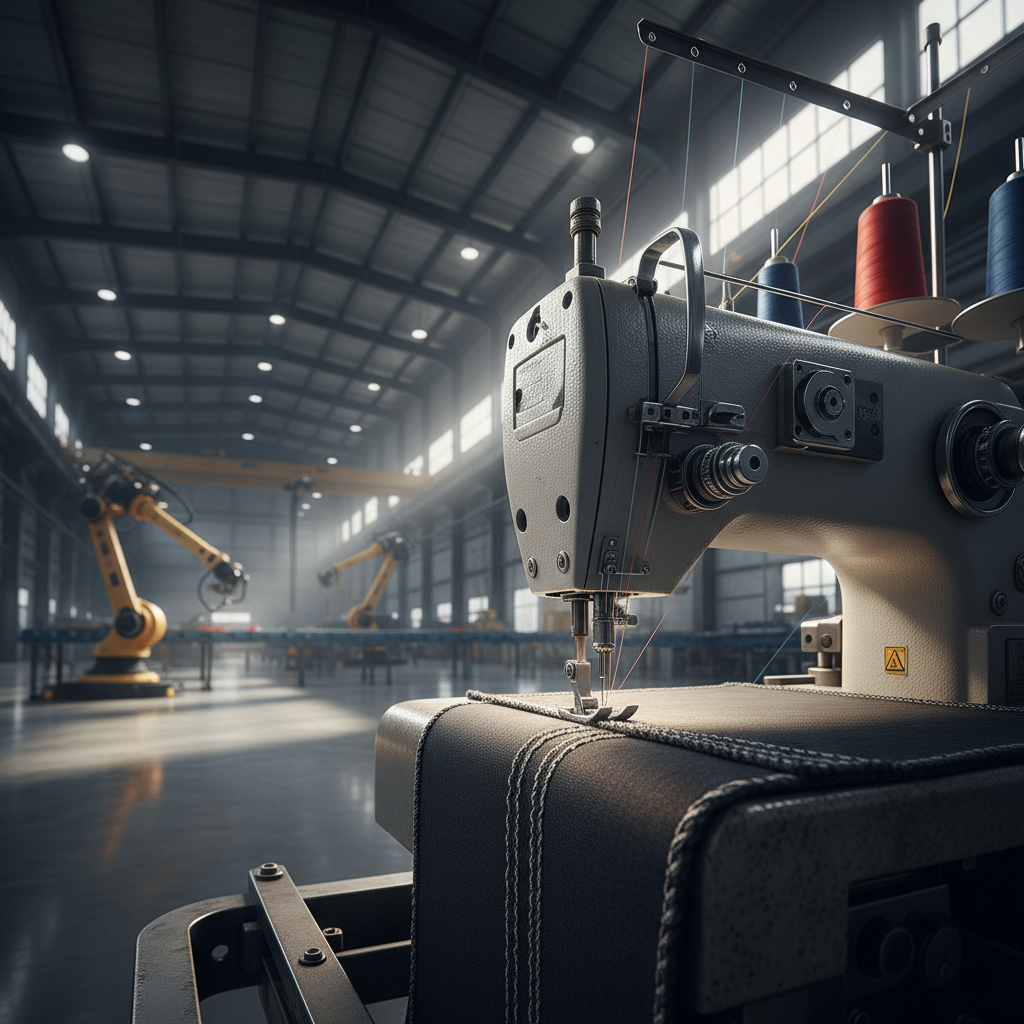 The overlock stitch, also known as the serger stitch, is a crucial technique in garment construction and textile finishing. It creates a professional-looking edge that prevents fabric from fraying and adds a clean finish. Understanding Longsew's overlock capabilities and what the stitch looks like is fundamental for anyone involved in sewing, from hobbyists to large-scale manufacturers. This article will detail the appearance of an overlock stitch, its benefits, variations, and how it differs from other seam finishes. Let's explore this essential sewing technique in detail. An overlock stitch is instantly recognizable by its looped, interwoven appearance. It encases the raw edge of the fabric with multiple threads simultaneously, creating a neat and durable finish. Typically, it looks like a row of tight, interlocking loops running along the fabric edge. The number of threads used (usually 3, 4, or 5) affects the density and appearance of the stitch. A 4-thread overlock is commonly used for general seam finishing, while a 3-thread overlock is suitable for lighter fabrics. The stitch effectively seals the fabric edge, preventing unraveling during washing and wear.Διαβάστε περισσότερα
 -
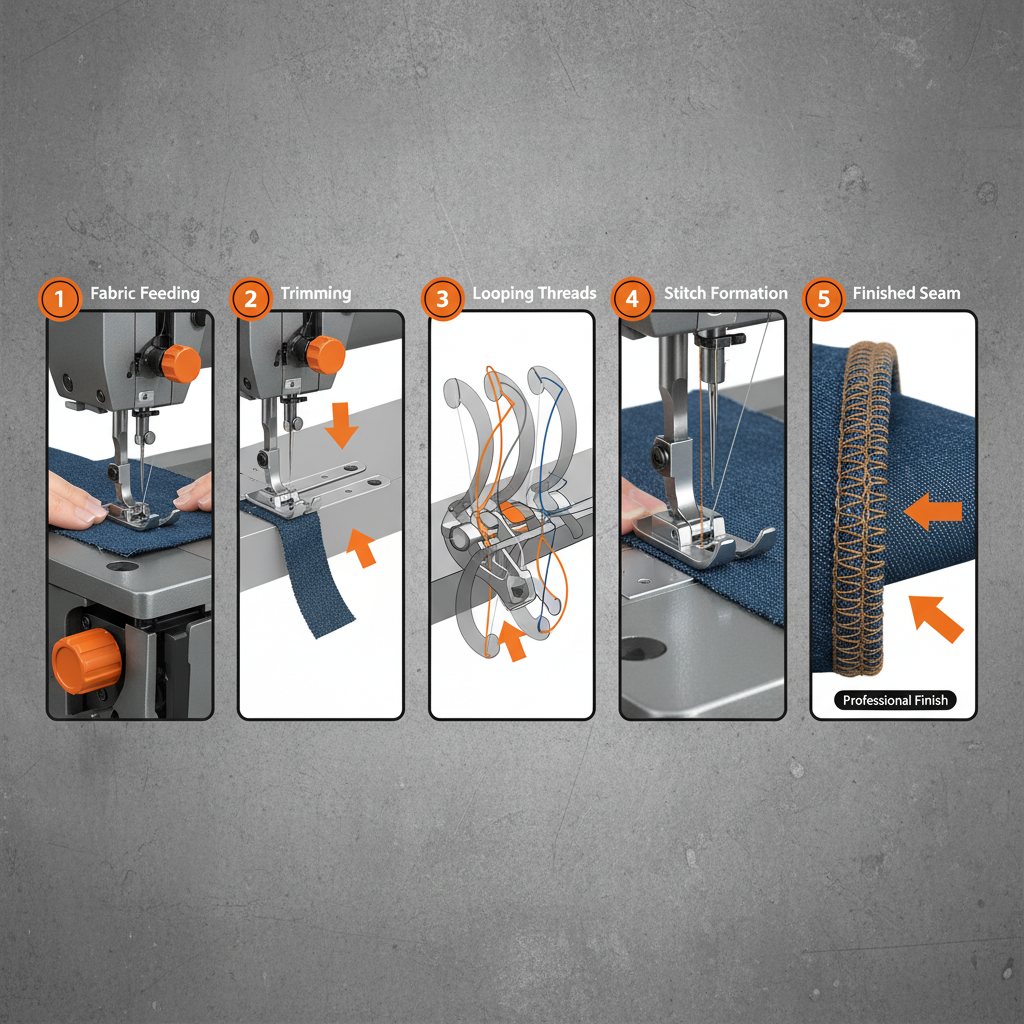 An overlocker, also known as a serger, is a specialized sewing machine that simultaneously sews a seam, trims excess fabric, and overcasts the edge to prevent fraying. It's an essential tool for creating professional-looking finishes, especially in garment construction. Many find the overlocker intimidating at first, but understanding its function unlocks a world of possibilities for achieving high-quality results. Whether you're a seasoned seamstress or just beginning your sewing journey, a good understanding of Longsew overlock machines can significantly improve your sewing projects. Let’s dive into the specifics of what an overlocker does and how it differs from a traditional sewing machine. The primary function of an overlocker is to create a clean, durable, and professional finish on fabric edges. It accomplishes this through a series of coordinated actions: sewing, trimming, and overcasting. Unlike a regular sewing machine that creates a single line of stitching, an overlocker uses loopers and needles to create an overlock stitch.Διαβάστε περισσότερα
 -
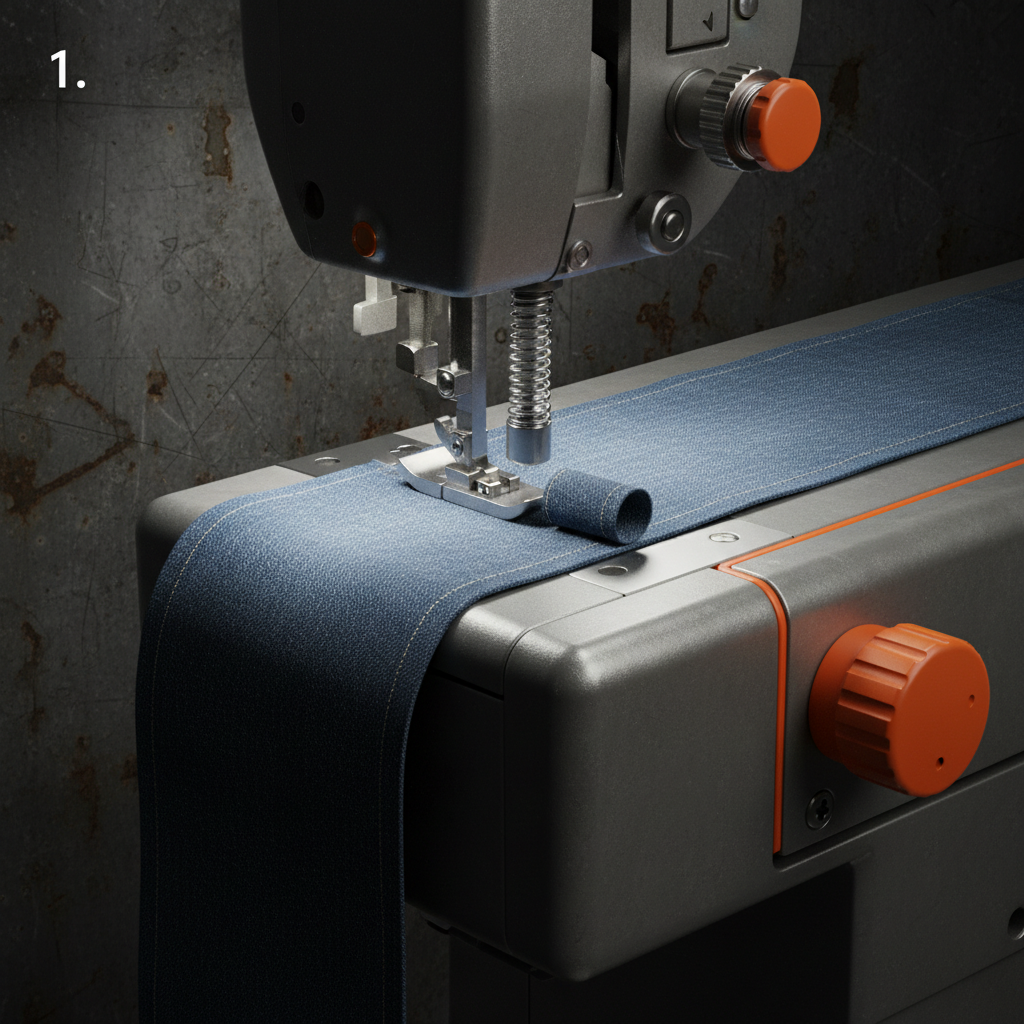 An overlocker, also known as a serger, is a specialized sewing machine used to create a professional finish on fabric edges. Unlike a traditional sewing machine that joins fabric pieces together, an overlocker simultaneously sews, trims, and encases the raw edge of the fabric, preventing fraying and adding durability. This makes it an indispensable tool for garment construction, quilting, and other sewing projects where a clean, polished look is desired. At Longsew, we offer a diverse range of overlock machines to meet various sewing needs. Understanding the capabilities of an overlocker can significantly elevate your sewing projects. At its core, an overlocker uses loopers and needles to create a stitch that wraps around the edge of the fabric. This "overlocking" stitch prevents the fabric from unraveling, resulting in a clean and durable seam.Διαβάστε περισσότερα
 -
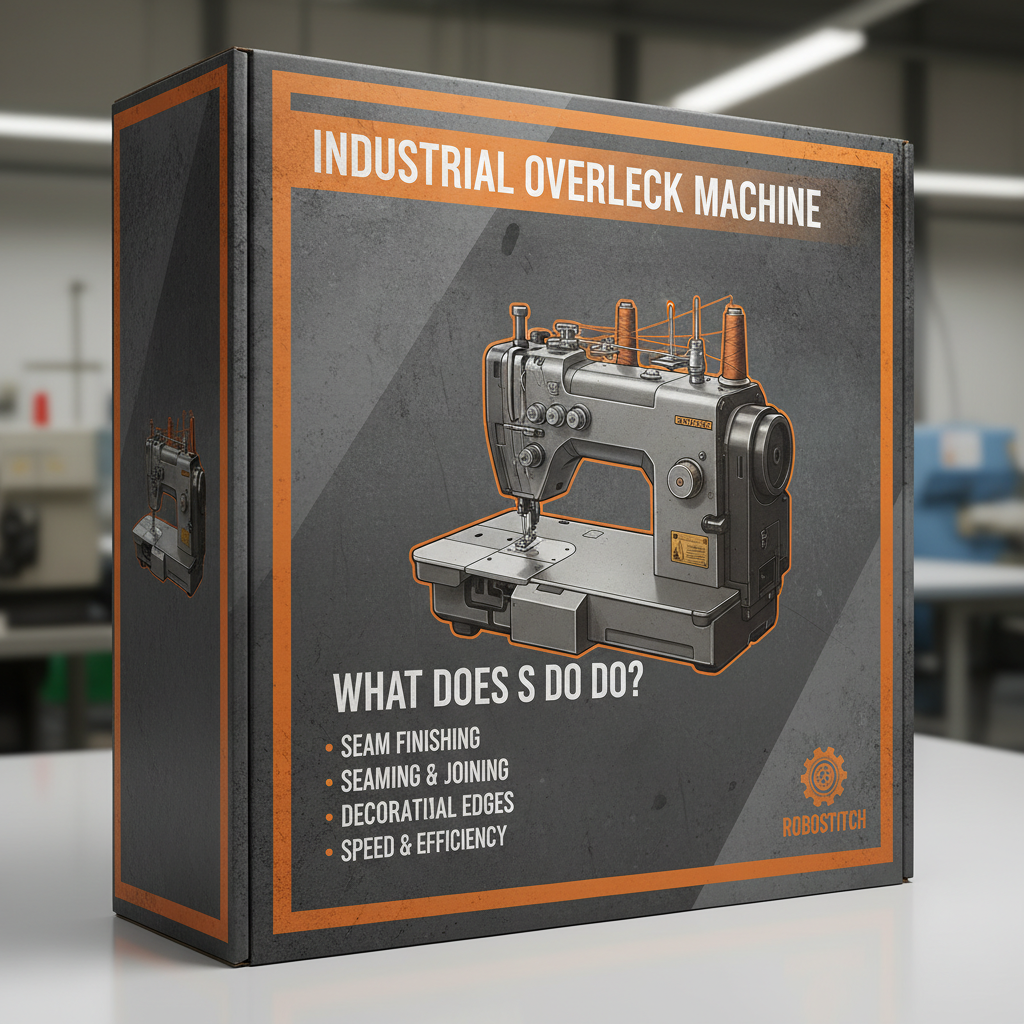 An overlock machine, also known as a serger, is a specialized sewing machine that creates a professional finish on fabric edges. Unlike a standard sewing machine which simply stitches two pieces of fabric together, an overlock machine simultaneously sews, trims, and overcasts the edge of the fabric, preventing it from fraying. This makes it an indispensable tool in garment construction, quilting, and various textile projects. Understanding what an overlock machine does can significantly enhance your sewing capabilities and the quality of your finished products. The primary function of an overlock machine is to create a clean, durable, and professional-looking edge finish. It achieves this through a combination of three key processes. First, the machine sews the fabric pieces together using loopers instead of a traditional needle and bobbin. Secondly, a built-in blade trims away any excess fabric as it sews, ensuring a neat and even edge. Finally, the overlocking stitch itself wraps around the edge of the fabric, encapsulating the raw edge and preventing fraying.Διαβάστε περισσότερα
 -
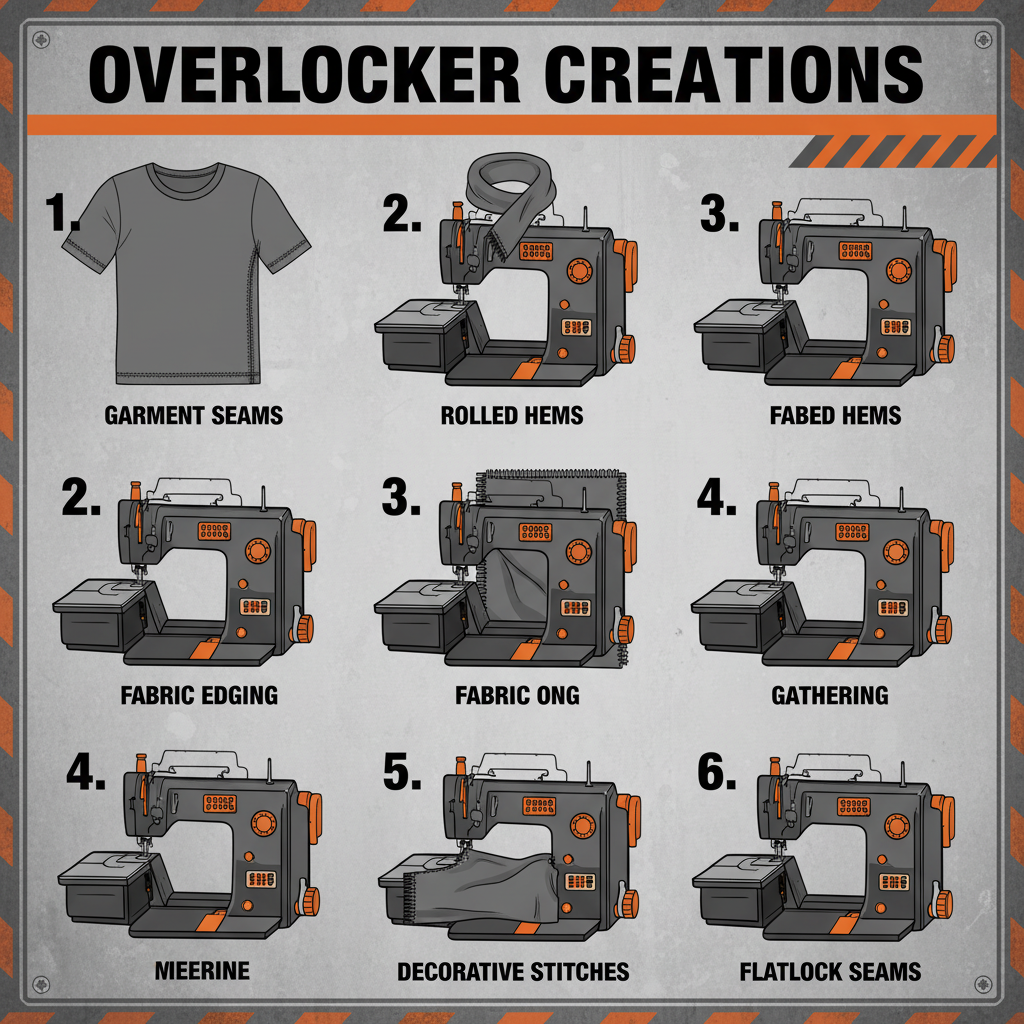 An overlocker, also known as a serger, is a powerhouse in the sewing world, capable of so much more than just finishing raw edges. From creating professional-looking garments to crafting beautiful home decor, its versatility is astounding. This article explores the diverse range of projects you can tackle with an overlocker, unlocking its full potential. Whether you're a beginner or an experienced sewer, an overlocker can elevate your creations. Discover how to expand your skillset and enjoy the efficiency and quality of serged seams. Explore our range of high-performance overlockers at Longsew to find the perfect machine for your needs. The most common use of an overlocker is in garment construction. It excels at creating durable, professional-finished seams on woven and knit fabrics. Beyond basic seam finishing, you can create rolled hems, flatlock seams (ideal for activewear), and decorative edge finishes.Διαβάστε περισσότερα
 -
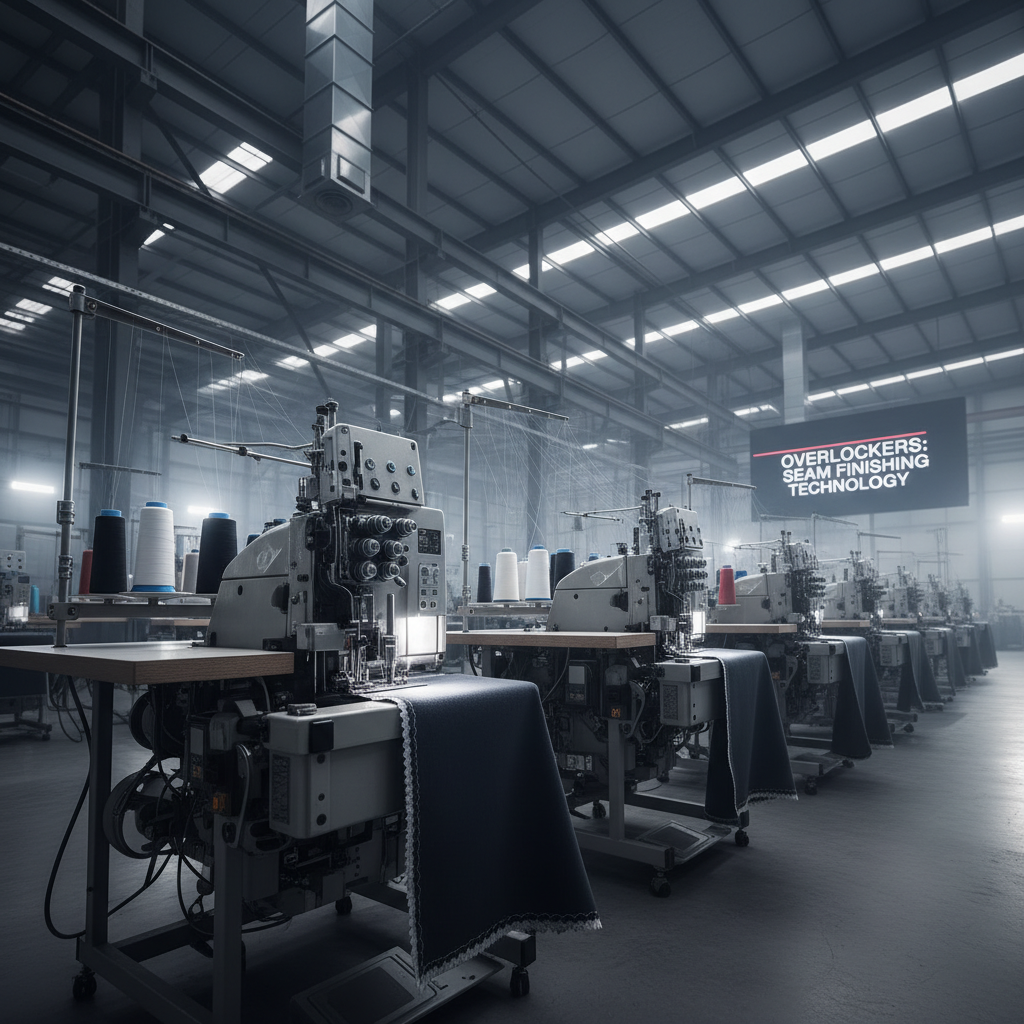 Overlockers, also known as sergers, are specialized sewing machines that play a crucial role in the garment industry and crafting. But what exactly do overlockers do? They create a professional finish on fabric edges, preventing fraying and adding durability. This article dives deep into the functions, benefits, and types of overlockers, helping you understand their importance in modern textile work. Whether you're a seasoned seamstress or a beginner, learning about overlockers can elevate your sewing projects to a new level. The primary function of an overlocker is to encase the raw edge of fabric with thread, preventing it from unraveling. Unlike a traditional sewing machine that simply stitches along a seam, an overlocker creates a looped overlock stitch that wraps around the edge. This looped stitch provides a clean, durable, and professional finish. This is particularly vital for fabrics prone to fraying, such as knits and woven materials. Without an overlocked edge, garments can quickly appear worn and damaged.Διαβάστε περισσότερα

Η Hebei LongSew Machinery Technology Co. Ltd ξεκινά ως προμηθευτής ανταλλακτικών ραπτομηχανών και πλέον η Longsew έχει πάνω από είκοσι χρόνια εμπειρίας στην προσφορά ολοκληρωμένων ραπτομηχανών.


ΤΑΞΙΝΟΜΗΣΗ
ΕΠΙΚΟΙΝΩΝΗΣΤΕ ΜΑΖΙ ΜΑΣ
-

No.368 North Youyi Street, πόλη Shijiazhuang, επαρχία Hebei, Κίνα
-

-

Copyright © 2026 HEBEI LONGSEW MACHINERY TECHNOLOGY CO. LTD All Rights Reserved. Sitemap | Privacy Policy