

Mar . 08, 2026 02:05
Back to list
Find the Best Cheapest Overlocker Sewing Machines for Your Sewing Needs
Finding the Cheapest Overlocker Sewing Machines for Your Needs
An overlocker, also known as a serger, is an essential tool for creating professional-looking seams and finishing edges on fabrics. However, the cost can be a significant barrier for beginners or those on a budget. This article will guide you through navigating the world of cheap overlocker sewing machines, exploring features, brands, and what to look for to get the best value. We’ll help you find a reliable machine without breaking the bank. Investing in the right overlocker can significantly enhance your sewing projects, adding durability and a polished finish.
What Makes an Overlocker "Cheap"?
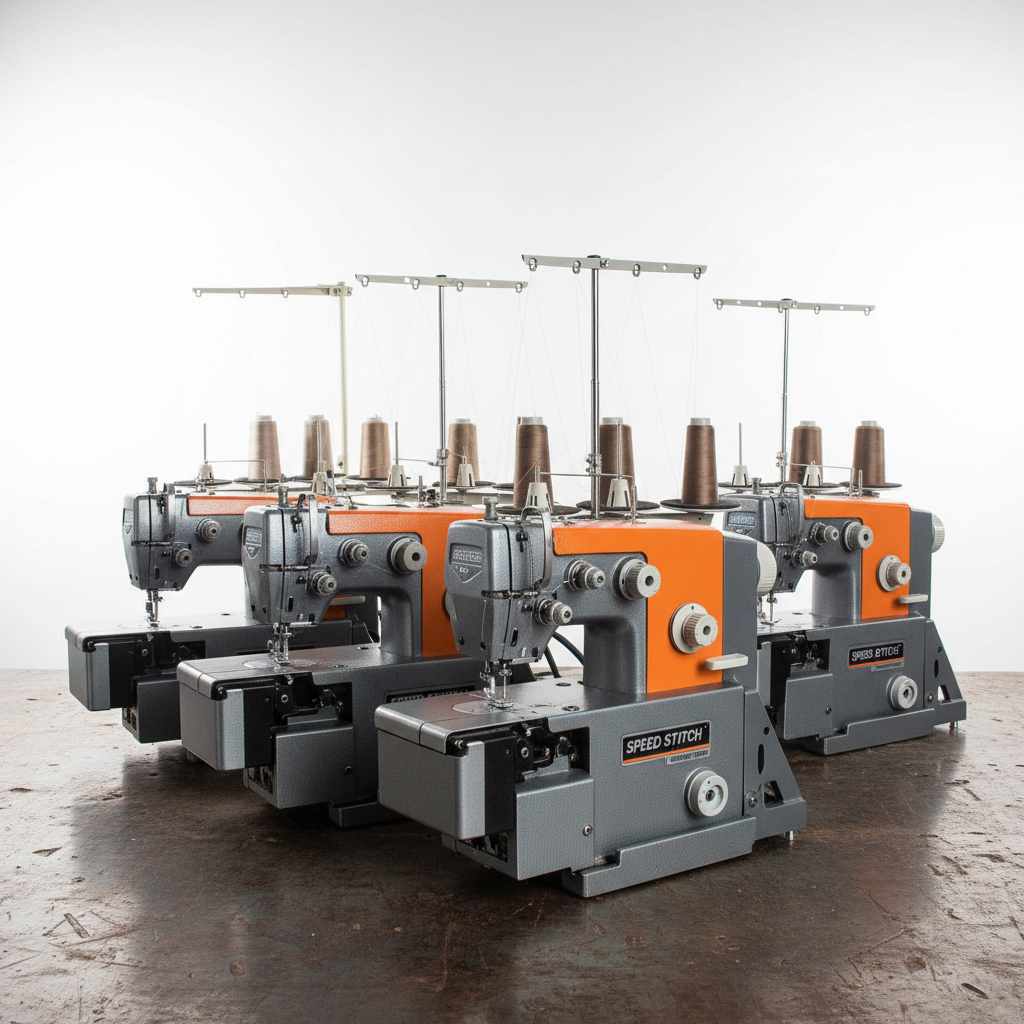
The term "cheap" doesn't necessarily mean low quality. Often, it refers to entry-level models with fewer features than professional-grade machines. These typically have fewer stitch options, less adjustability, and simpler threading systems. However, they are perfectly capable of handling most common overlocking tasks. The price range for a genuinely affordable overlocker generally falls between $200 and $500. Beware of extremely low prices, as these may indicate a poorly constructed machine that won't last. Consider your sewing needs - if you are a casual sewer or beginner, a basic model from Longsew might be all you need.
Key Considerations: Affordable overlockers focus on core functionality, offering reliable seam finishing without advanced features. They’re a great starting point for learning and tackling everyday sewing projects.
Key Features to Look for in a Cheap Overlocker Sewing Machine
Even when seeking the cheapest overlocker sewing machines, certain features are crucial. Look for a machine with at least 3-4 threads, which allows for a variety of seam finishes. Differential feed is also important; it prevents stretching or puckering of fabrics. Adjustable stitch length and width give you more control over the finished look. While automatic threading isn’t always found on cheaper models, a clear and well-illustrated threading guide is essential. Ease of maintenance, including access to the loopers for cleaning, is also important.
Essential Features:
• 3-4 Thread Capability
• Differential Feed
• Adjustable Stitch Length & Width
• Clear Threading Guide
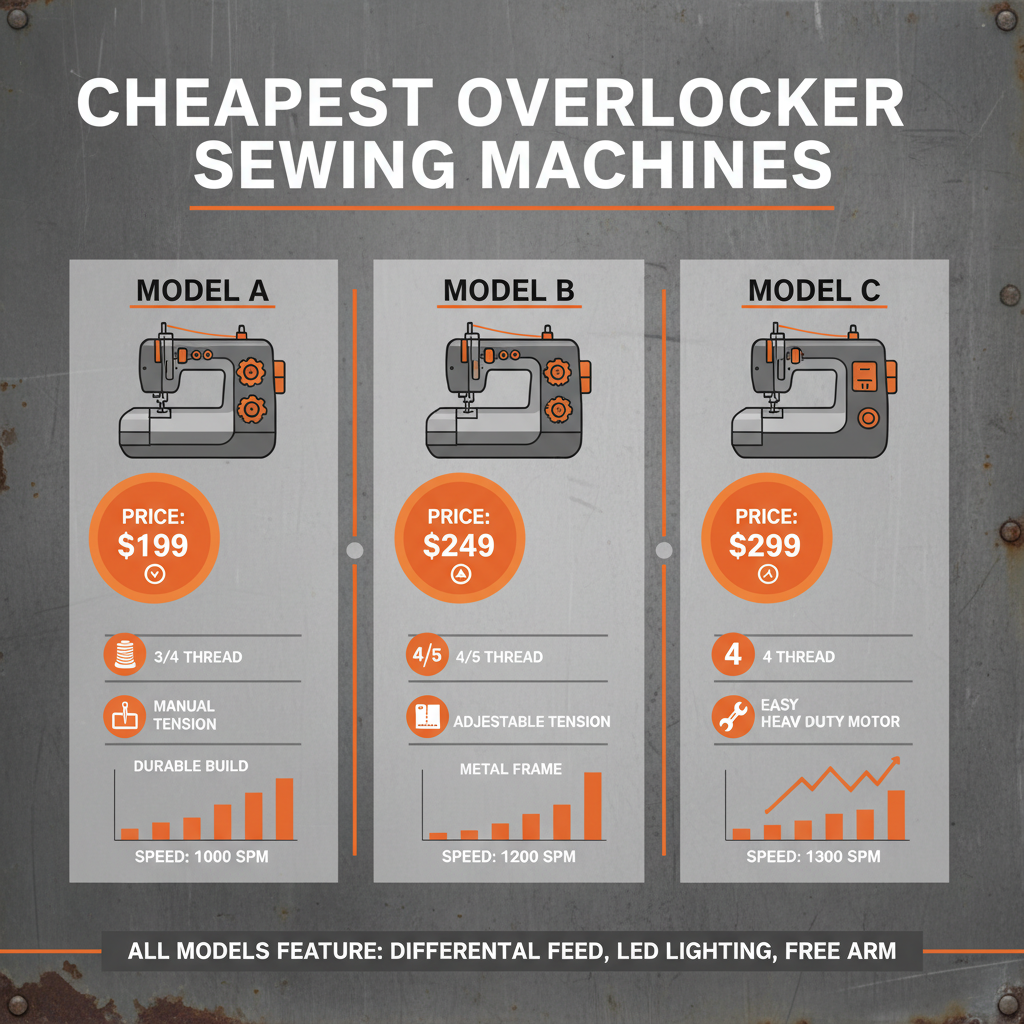
Comparing Popular Affordable Overlocker Models
Several brands offer reasonably priced overlockers. Here's a comparison of some popular options. Prices are approximate and may vary.
Tips for Finding Deals on Overlocker Machines
Finding a cheap overlocker sewing machine requires a bit of research. Look for sales events like Black Friday or Cyber Monday. Consider refurbished models from reputable dealers; these often come with warranties and can save you a significant amount of money. Check online marketplaces like eBay or Craigslist for used machines, but be sure to inspect the machine thoroughly before purchasing. Don't forget to factor in the cost of accessories like extra blades and loopers, which may need to be replaced periodically.
Final Thoughts: Is a Cheap Overlocker Right For You?
Ultimately, the best cheapest overlocker sewing machine depends on your individual needs and budget. While more expensive models offer advanced features and increased durability, a well-chosen entry-level machine can provide excellent value for beginners and casual sewers. Consider your project scope, fabric types, and desired level of control when making your decision. Remember to prioritize quality and reliability, even when shopping for an affordable option.
Conclusion
Investing in an overlocker, even a budget-friendly one, can elevate your sewing projects. By carefully considering your needs and researching available options, you can find a machine that delivers professional-quality results without breaking the bank. Don't hesitate to explore the range of models available at Longsew.
Frequently Asked Questions (FAQs)
What's the difference between an overlocker and a serger?
There is no difference! "Overlocker" and "serger" are simply different names for the same type of sewing machine. The term "overlocker" is more common in the UK and Europe, while "serger" is widely used in North America. Both machines perform the same function: creating overlocked seams to finish fabric edges, prevent fraying, and add a professional touch to sewing projects. They work by looping threads around the edge of the fabric, creating a neat and durable seam.
How often should I oil my overlocker?
Regular oiling is crucial for maintaining your overlocker’s performance. Generally, you should oil your machine before each use, or at least every few projects. Focus on oiling the loopers, needles, and any areas where metal parts move against each other. Use a specifically formulated sewing machine oil, as other lubricants can damage the machine. Refer to your overlocker’s manual for specific oiling instructions and recommended oiling points.
Can I use an overlocker on all types of fabric?
While overlockers are incredibly versatile, some fabrics require special attention. Lightweight and delicate fabrics like chiffon or silk may need a narrower stitch width and slower speed to prevent puckering. Thick or bulky fabrics like denim or upholstery fabric may require a heavier-duty needle and potentially adjustments to the differential feed. Always test the settings on a scrap of fabric before sewing your final project. Consult your overlocker’s manual for guidance on sewing different fabric types.
Is it difficult to thread an overlocker?
Threading an overlocker can initially seem daunting, but with practice, it becomes easier. The key is to follow the threading path carefully, as indicated in your machine's manual. Many modern overlockers have color-coded threading guides to simplify the process. If you’re struggling, there are numerous online tutorials and videos available to demonstrate the correct threading technique. A good lighting and a pair of tweezers can also be helpful. Don't be afraid to take your time and double-check your work!
Latest news
-
Industrial Bag Sewing Machine Price and Comprehensive Buying GuideNewsApr.16,2026
-
Industrial Hand Held Bag Closer for Efficient Packaging SealingNewsApr.16,2026
-
Industrial Hand Held Bag Closer Sewing Machine for PackagingNewsApr.16,2026
-
Efficient Industrial Bag Closer Sewing Machine for PackagingNewsApr.16,2026
-
Industrial Sewing Guide for Choosing the Right Closer MachineNewsApr.16,2026
-
Guide to Capital Bag Closer Machine Price and Buying FactorsNewsApr.16,2026
-
Say goodbye to inefficient cutting! This heavy-duty webbing hot cutting machine redefines the new standard for industrial cuttingNewsApr.14,2026

Hebei LongSew Machinery Technology Co. Ltd is beginning as sewing machine parts supplier, now Longsew have over twenty years experience in complete set sewing machine offering.


CLASSIFICATION
CONTACT US
-

No.368 North Youyi Street, Shijiazhuang City, Hebei Province, China
-

-

Copyright © 2026 HEBEI LONGSEW MACHINERY TECHNOLOGY CO. LTD All Rights Reserved. Sitemap | Privacy Policy | Top Blog | Global Service