


TIN TỨC
-
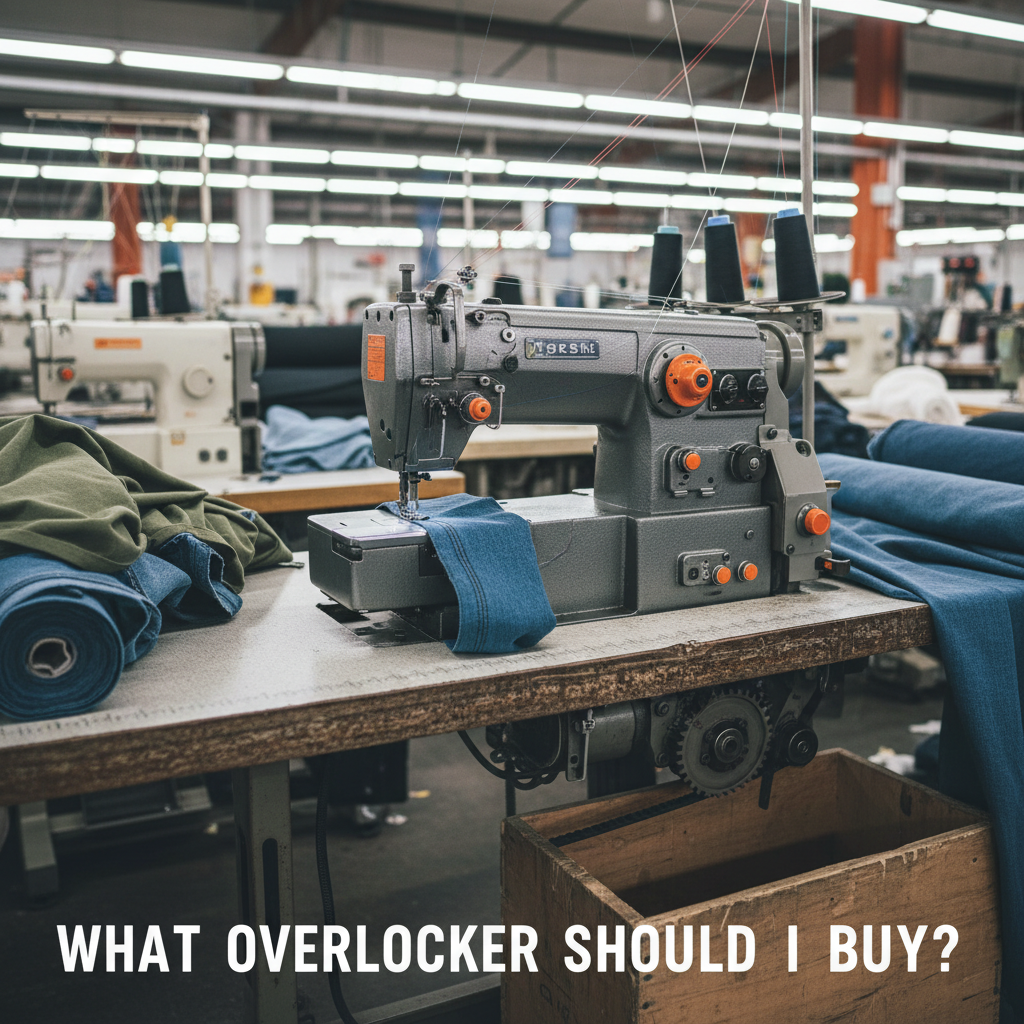 Choosing the right overlocker (also known as a serger) can significantly enhance your sewing projects, providing professional-looking finishes and durable seams. With a vast range of models available, it can be challenging to determine which one best suits your needs. This guide will explore various factors to consider, from basic functionality to advanced features, helping you make an informed decision. We’ll look at different types of overlockers, their features, and price points, with a spotlight on Longsew’s diverse offerings. Investing in the right overlocker can elevate your sewing game and open up new creative possibilities. An overlocker, unlike a traditional sewing machine, simultaneously sews a seam, trims excess fabric, and encases the raw edge of the fabric – all in one step. This creates a professional, clean finish that prevents fraying and adds durability to your garments. Overlockers use loopers and needles to create an overlocked stitch, often referred to as a serged stitch. They are incredibly versatile and are used for everything from finishing seams on clothing to creating decorative edges on napkins and scarves. The ability to quickly and efficiently finish edges makes them essential for anyone who sews regularly.Đọc thêm
 -
 Choosing the right overlocker, also known as a serger, can dramatically improve the quality and efficiency of your sewing projects. An overlocker neatly finishes fabric edges, preventing fraying and adding a professional touch. But with so many options available, understanding what to look for in an overlocker is crucial. This guide will walk you through the key features to consider, helping you select the perfect machine for your needs. From stitch types to ease of use, we’ll cover everything you need to know to make an informed decision. Investing in a quality overlocker can elevate your sewing from a hobby to a professional skill.Đọc thêm
 -
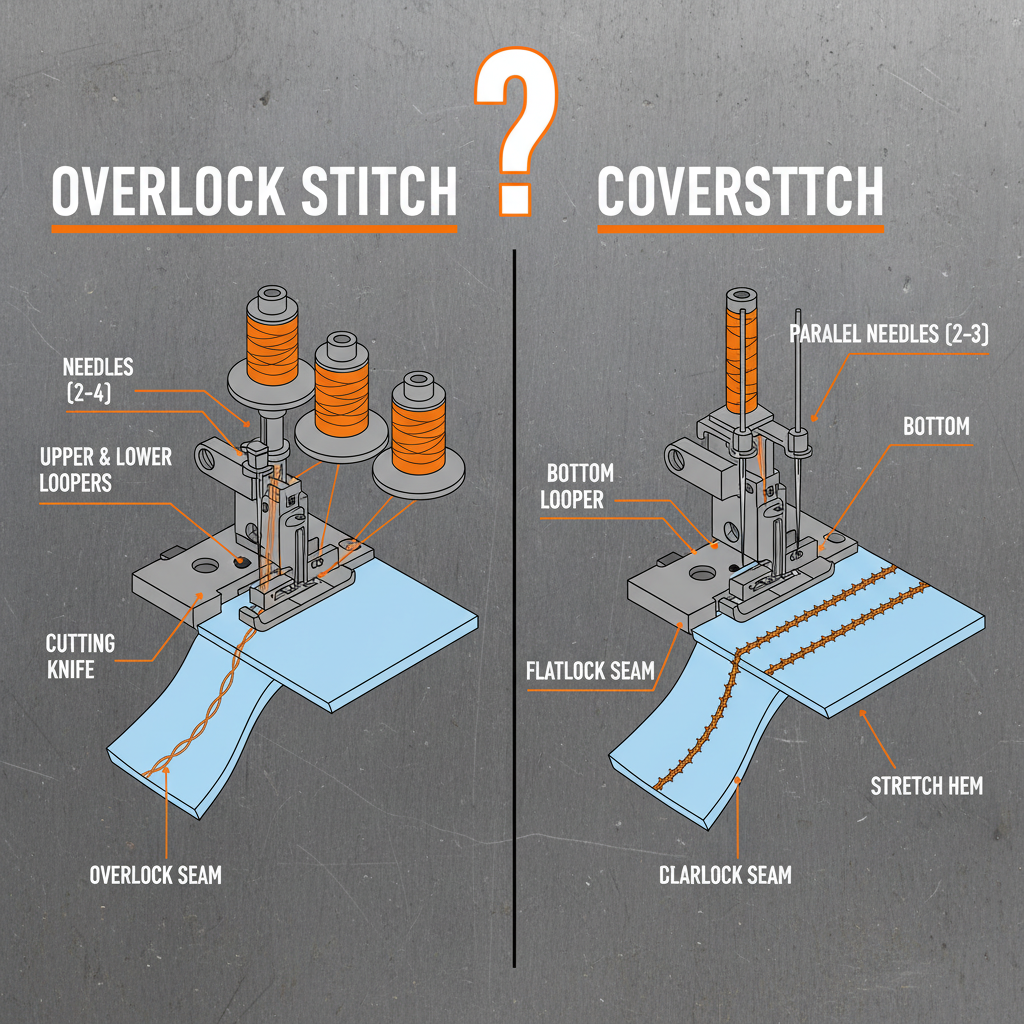 Understanding the differences between overlock and coverstitch machines is crucial for achieving professional-quality seams in garment construction. Both are specialized sewing techniques, but they serve different purposes and create distinct finishes. This article dives deep into the functionalities, applications, and key distinctions between these two machines, helping you determine which one is best suited for your sewing projects. We’ll explore everything from seam strength to aesthetic appeal, offering insights for both beginners and experienced sewists. Explore our range of high-quality industrial sewing machines at Longsew. The overlock machine, also known as a serger, is designed to simultaneously cut, stitch, and finish the raw edges of fabric. This process prevents fraying and creates a neat, professional-looking seam. Overlock machines utilize multiple threads (typically 3-5) to create a secure and durable seam. They’re incredibly efficient for quickly finishing edges, especially on knit fabrics where fraying is a significant concern. The resulting seam is relatively flat and flexible, making it ideal for garments that require stretch and comfort. A coverstitch machine, on the other hand, creates a professional-looking hem or decorative stitch on the right side of the fabric.Đọc thêm
 -
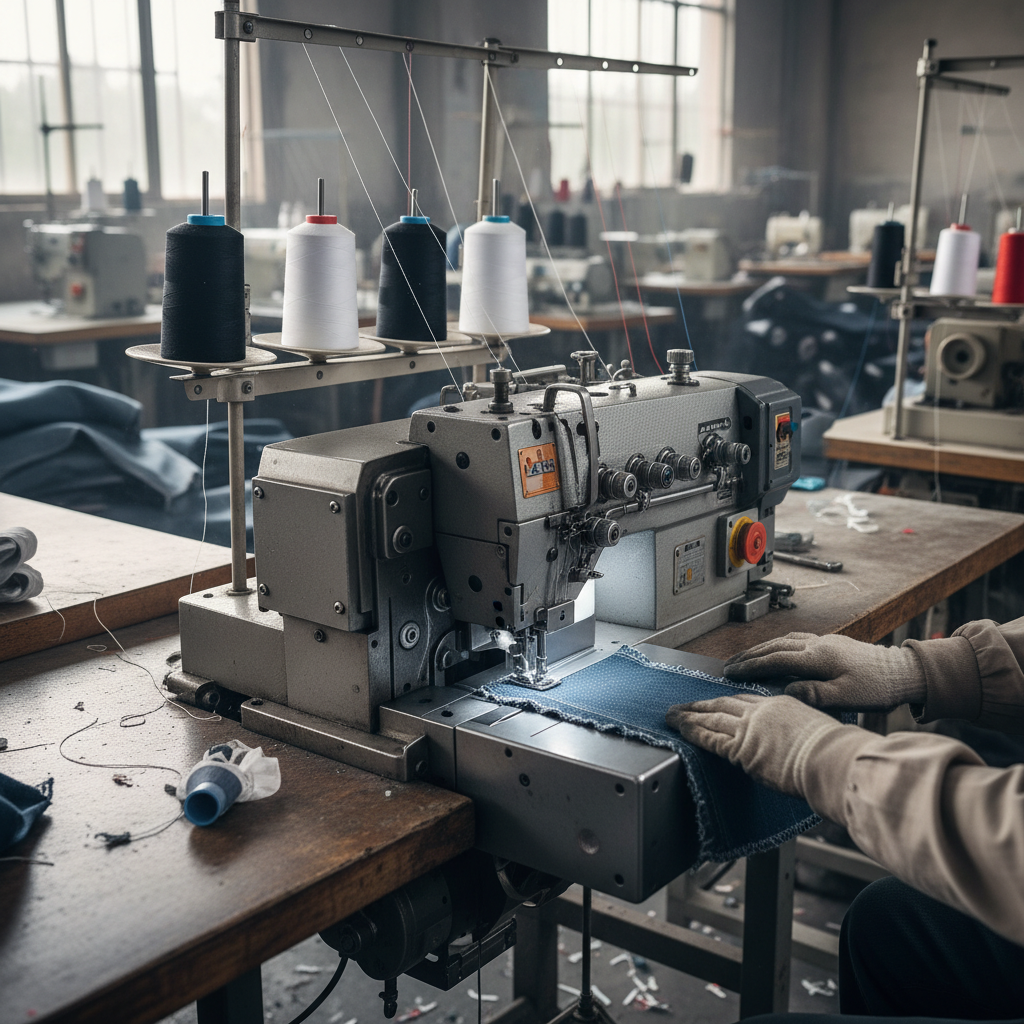 When embarking on sewing projects, particularly those involving knit fabrics or wanting a professional finish, understanding the difference between a serger and an overlock machine is crucial. Both machines tackle edge finishing, but they offer distinct functionalities and advantages. This article will delve into the nuances of each machine, exploring their capabilities, ideal uses, and differences, helping you determine which one best suits your sewing needs. At Longsew, we specialize in high-quality sewing machines, including sergers and overlocks, to support your creative journey. Both sergers and overlock machines are primarily designed to finish raw edges of fabric, preventing fraying and giving a clean, professional appearance. They achieve this by encasing the fabric edge in thread. However, the way they accomplish this, and the capabilities beyond edge finishing, are what set them apart. A key benefit of using either machine is the speed and efficiency with which they can handle edge finishing, compared to traditional methods like zigzag stitching. This is especially helpful for large-scale projects or production runs.Đọc thêm
 -
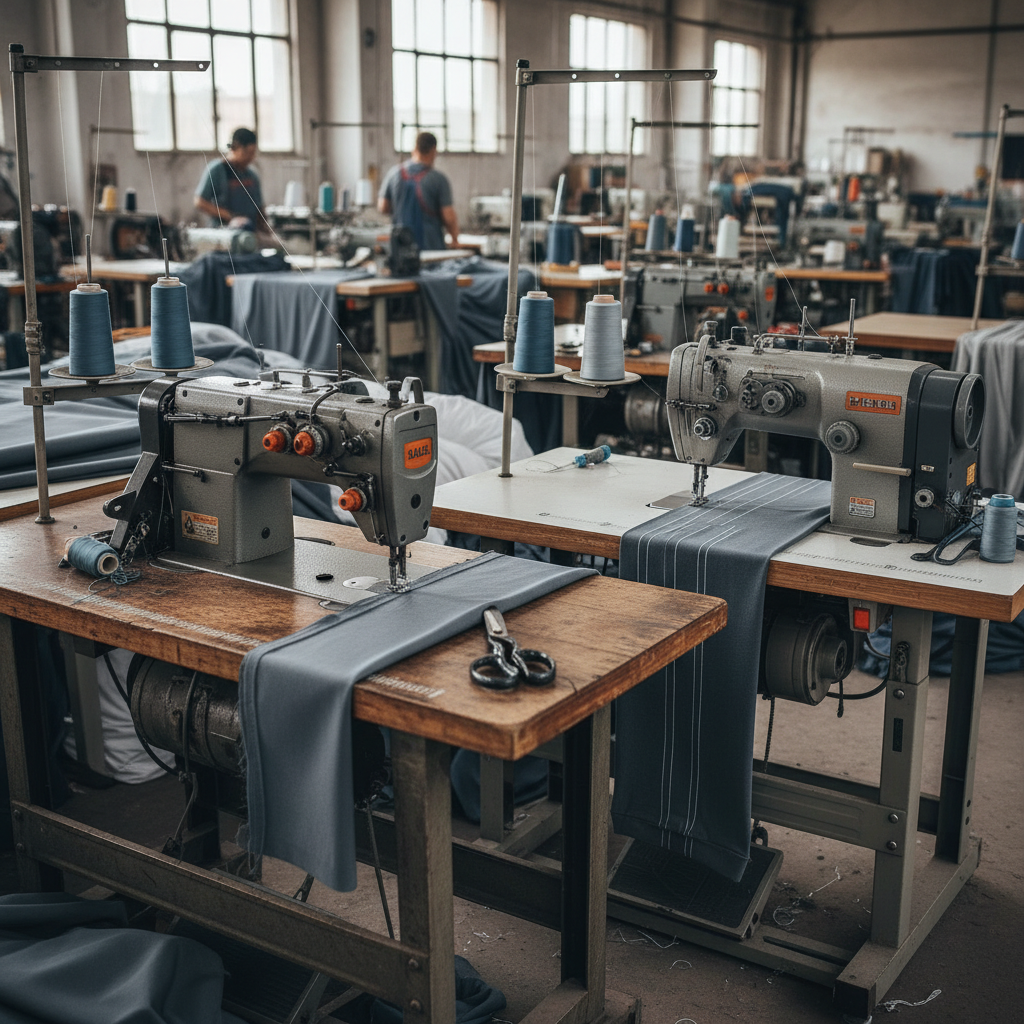 Choosing the right sewing machine can be daunting, especially when faced with terms like 'serger' and 'overlock'. While often used interchangeably, these machines have distinct features and capabilities. This article will break down the key differences between a serger and an overlock machine, helping you determine which one best suits your sewing needs. We’ll cover their functions, benefits, and ideal applications, offering a clear understanding to guide your purchase. Explore our range of high-quality sewing machines at Longsew. An overlock machine, sometimes called an overlocker, is designed primarily to finish raw fabric edges. It prevents fraying by wrapping thread around the edge of the fabric, creating a neat and professional finish. This is crucial for garments and items that will undergo frequent washing and wear. Overlock machines typically use 3, 4, or 5 threads to create a secure and durable seam. While they can join fabric, their strength isn't comparable to a traditional sewing machine. Longsew’s overlock machines are known for their precision and reliability. A serger, a specialized type of overlock machine, goes beyond simply finishing edges. It simultaneously sews a seam, trims excess fabric, and overlocks the raw edge – all in one step.Đọc thêm
 -
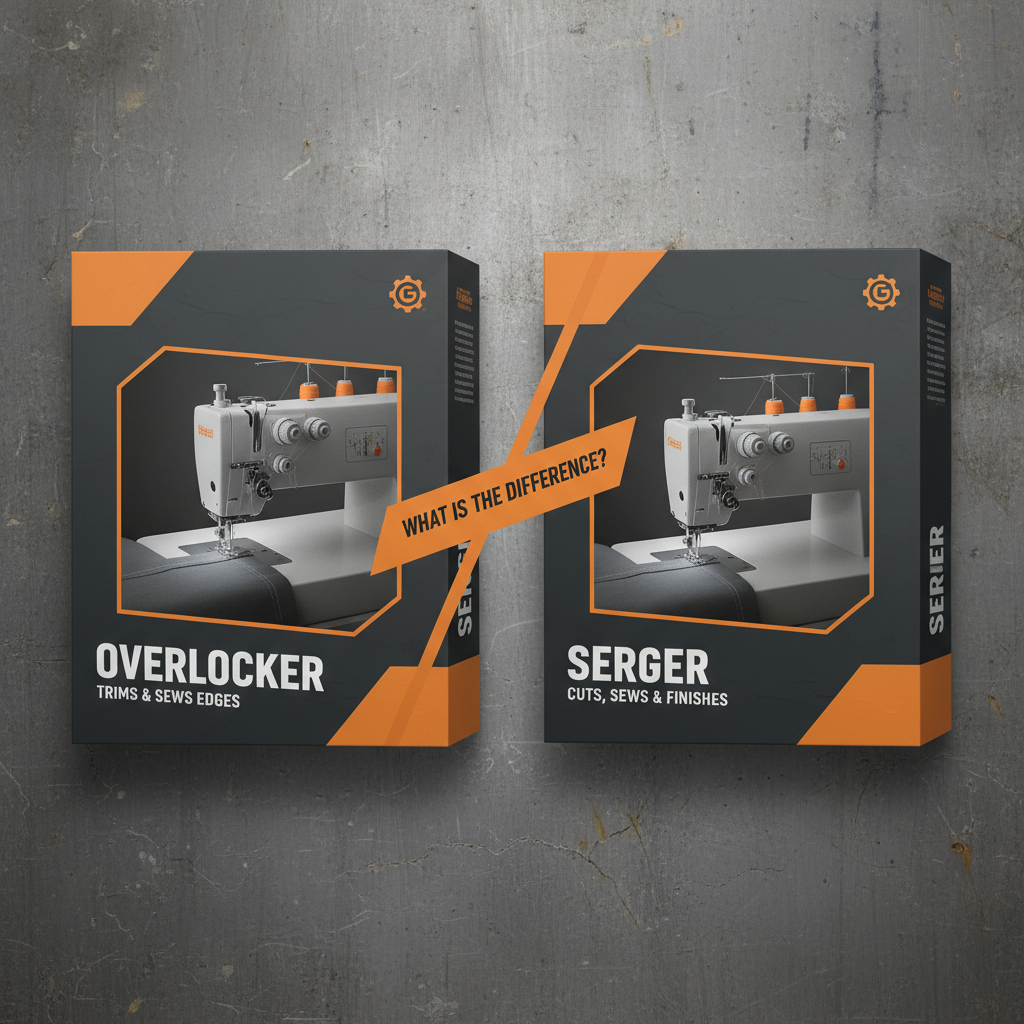 If you’re a sewing enthusiast or involved in garment manufacturing, understanding the nuances between an overlocker and a serger is crucial. While the terms are often used interchangeably, there are subtle differences that can impact your sewing projects. Both machines are essential for creating professional-looking finishes, but they serve slightly different purposes. This article will break down the features, applications, and key distinctions between these two valuable sewing tools. Knowing these differences will help you choose the right machine for your needs, whether you're a home sewer or running a large-scale production facility. You can find a wide range of high-quality industrial sewing machines, including overlockers and sergers, at Longsew. At their core, both overlockers and sergers are designed to finish the edges of fabric, preventing fraying and creating a clean, professional look. They achieve this by simultaneously cutting, stitching, and encasing the raw edge of the fabric with thread. However, the way they accomplish this, and the types of finishes they produce, differ. A serger generally uses multiple threads (typically 3, 4, or 5) to create a clean, overlocked edge. An overlocker, on the other hand, often focuses on creating a more durable and secure seam, particularly important in industrial garment construction. Both are vital pieces of equipment, but understanding their strengths is key to making the right choice.Đọc thêm
 -
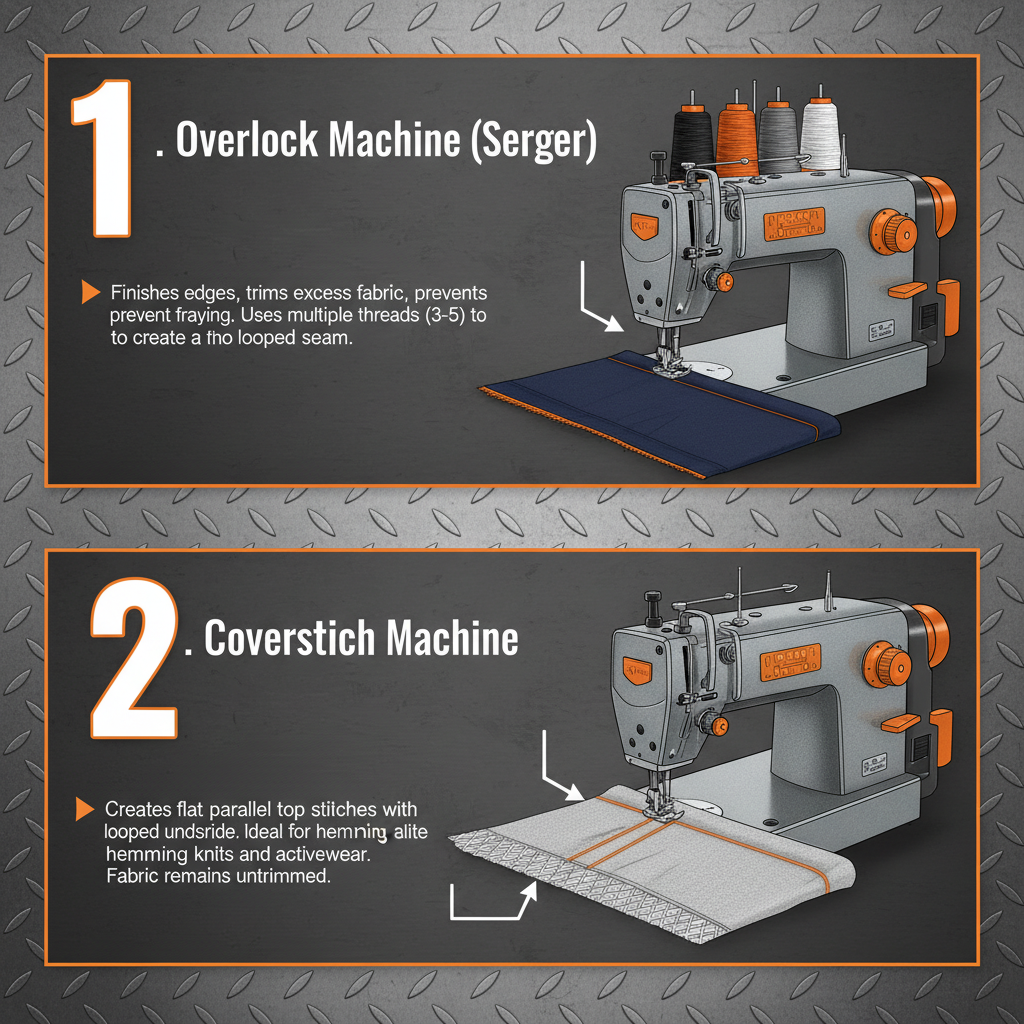 Understanding the nuances between coverstitch and overlock sewing techniques is crucial for achieving professional-quality results in garment construction. Both are commonly used for finishing edges, but they serve different purposes and create distinctly different looks. This article will delve into the specifics of each technique, highlighting their strengths, weaknesses, and ideal applications. Choosing the right stitch can significantly impact the durability, appearance, and overall quality of your projects. We'll explore how Longsew industrial sewing machines cater to both these techniques. Coverstitch is a technique that creates a professional-looking finish, often seen on ready-to-wear garments, particularly activewear and knit fabrics. It uses loopers to create parallel rows of stitching on the right side of the fabric, with a looper thread interlocking with a needle thread on the underside.Đọc thêm
 -
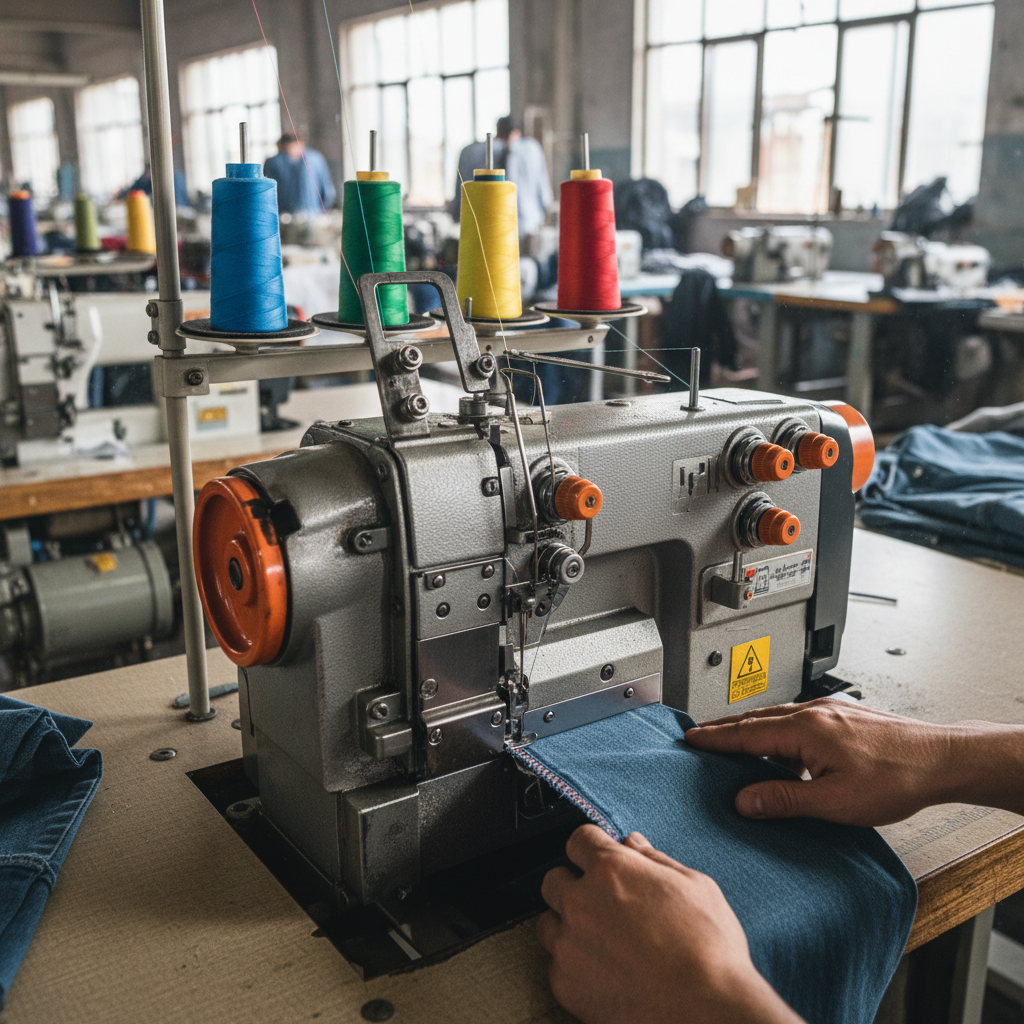 For sewing enthusiasts and professionals alike, understanding the nuances of sewing machines is crucial. Two machines often discussed – and sometimes confused – are sergers and overlockers. While often used interchangeably, there are subtle, yet important, differences between the two. This article will explore these distinctions, helping you determine which machine best suits your sewing needs. Choosing the right machine can elevate your projects from good to truly professional. Longsew provides a wide range of high-quality sergers and overlockers to help you achieve your sewing goals. The primary function of an overlocker is to encase the raw edges of fabric, preventing fraying. It accomplishes this by simultaneously cutting the fabric and stitching over the edge with thread.Đọc thêm
 -
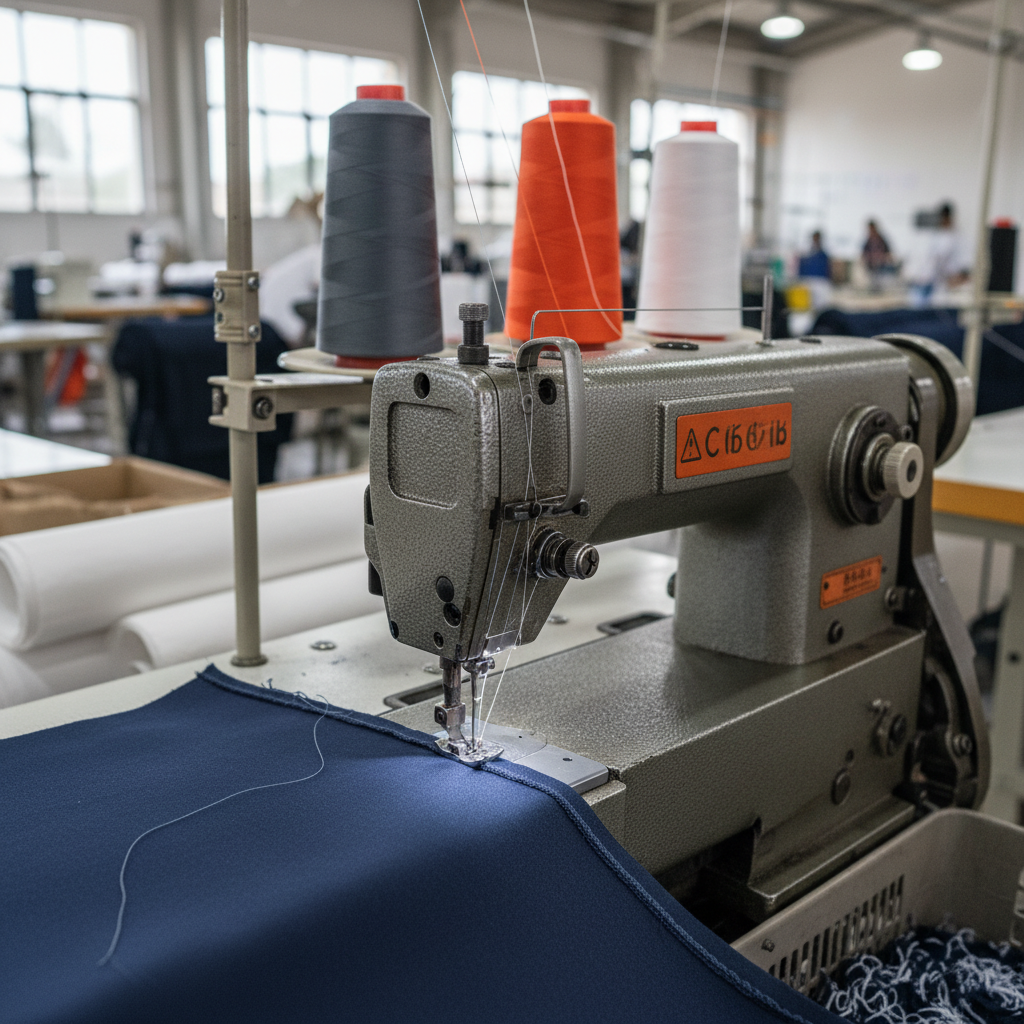 The overlocking stitch, also known as serging, is a crucial technique in sewing and textile production. It’s a method of finishing raw fabric edges to prevent fraying and creating a professional-looking seam. This is particularly important in garments and items that will undergo frequent washing or wear. Understanding overlocking and its applications can significantly enhance the quality and durability of your sewing projects. Whether you're a beginner or an experienced seamster, this guide will delve into the details of this versatile stitch. At its core, the overlocking stitch wraps thread around the edge of the fabric, encasing it and preventing the fibers from unraveling. This is achieved using a specialized machine called an overlock machine (or serger) which utilizes loopers to create a neat and secure finish. Unlike a standard sewing machine stitch which simply joins fabric pieces, the overlocking stitch simultaneously sews, trims, and finishes the edge. This efficiency makes it a favorite among garment manufacturers and those involved in mass textile production. A strong overlock stitch ensures your finished products maintain their shape and integrity over time.Đọc thêm
 -
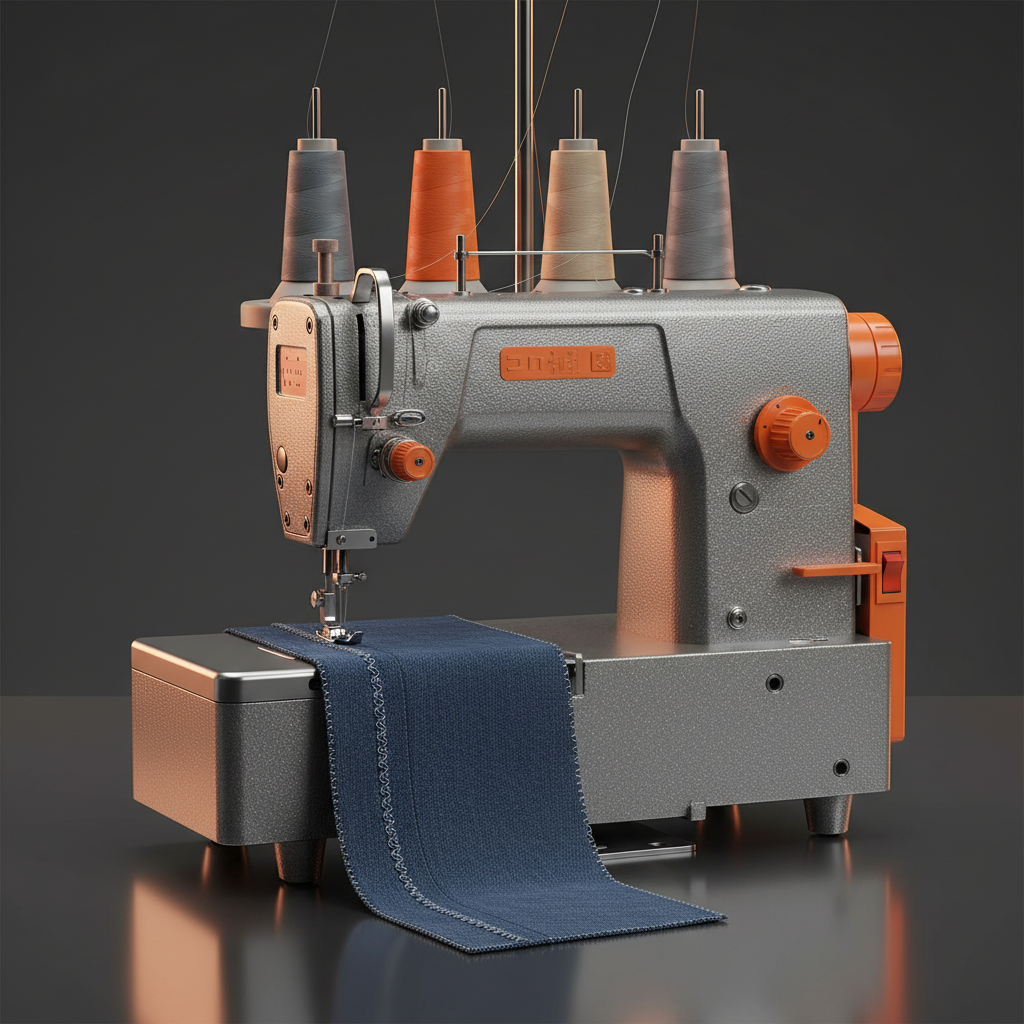 Overlock sewing, also known as serging, is a vital technique in modern garment construction and textile finishing. It involves using a specialized sewing machine to create a clean, professional edge on fabric, preventing fraying and adding durability. Unlike a standard sewing machine that uses two threads, an overlock machine employs three, four, or even more threads simultaneously. This creates a looped stitch that encases the fabric edge. Understanding overlock sewing is crucial for anyone involved in sewing, from hobbyists to professional apparel manufacturers. It significantly improves the quality and longevity of textile products. The primary function of overlock sewing is to encase the raw edge of fabric, preventing unraveling and providing a neat finish. This is achieved by creating a looped stitch that wraps around the edge, securing the fibers. Overlocking is particularly important for knit fabrics, which are prone to stretching and fraying. The stretchable nature of the overlock stitch allows the fabric to maintain its shape and prevents puckering.Đọc thêm
 -
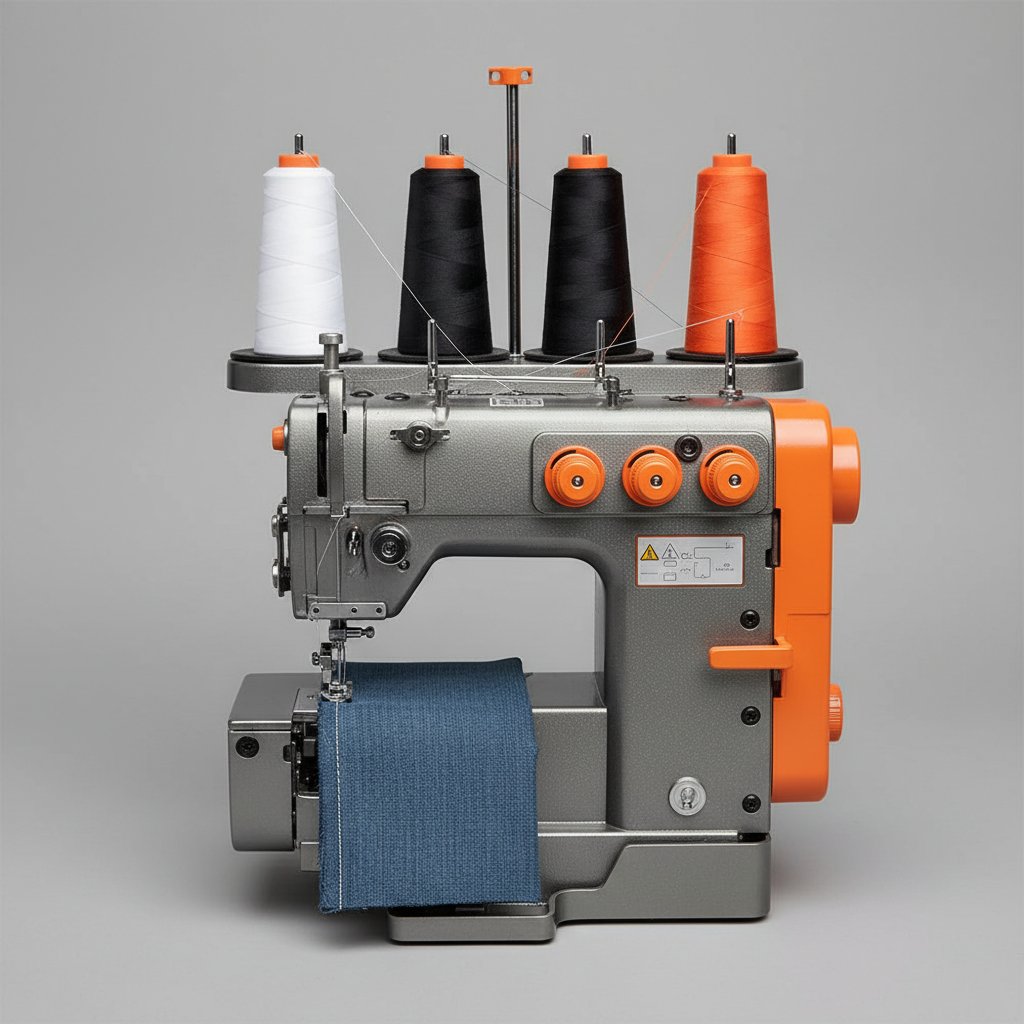 An overlock serger sewing machine (often simply called a serger) is a specialized sewing machine designed to create a professional finish on fabric edges. Unlike a standard sewing machine which simply stitches fabric together, a serger simultaneously sews a seam, trims away excess fabric, and encases the raw edge with thread – all in one step! This prevents fraying and gives garments and projects a clean, durable, and polished look. It’s a must-have tool for serious sewers, quilters, and anyone working with knit fabrics. Understanding the benefits and capabilities of a serger can elevate your sewing projects to a whole new level. The magic of a serger lies in its use of loopers instead of the traditional needle and bobbin found in standard sewing machines. Loopers interlock threads around the edge of the fabric, creating a secure and flexible seam. A built-in knife trims the fabric edge before it’s overlocked, ensuring a clean finish. Most sergers use between 3 and 5 threads, allowing for a variety of stitch types and widths.Đọc thêm
 -
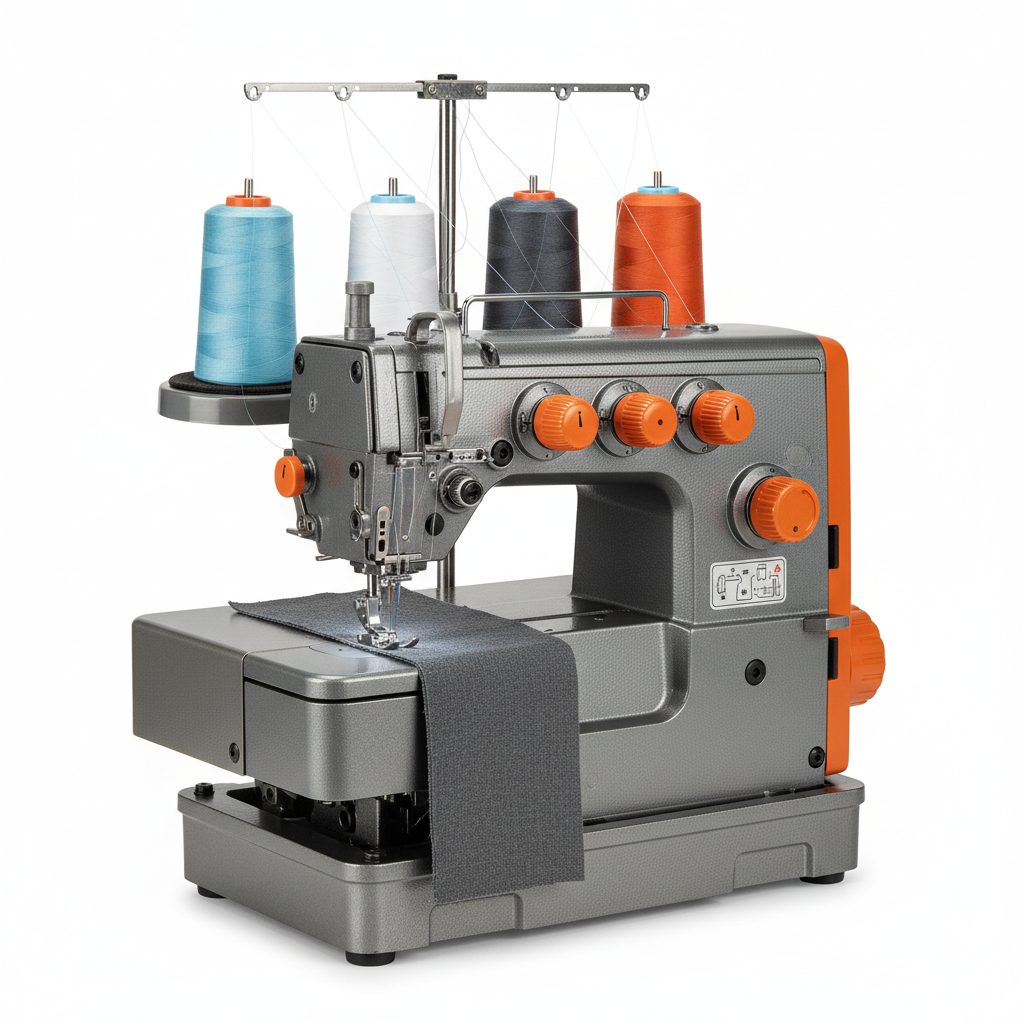 An overlocker, also known as a serger, is a specialized sewing machine that simultaneously sews a seam, trims excess fabric, and overcasts the raw edge to prevent fraying. Unlike a traditional sewing machine, an overlocker uses loopers instead of a bobbin. This makes it incredibly efficient for finishing seams on garments and other fabric projects. Understanding what an overlocker is for is key to unlocking professional-looking results in your sewing endeavors. This article will delve into the benefits, applications, and considerations when choosing an overlocker, offering a thorough overview for both beginners and experienced sewers. The primary function of an overlocker is to create a professional finish on fabric edges. It accomplishes this by wrapping thread around the edge of the fabric, preventing it from unraveling. This is especially crucial for fabrics prone to fraying, like knit fabrics. The speed and efficiency of an overlocker are significantly faster than traditional methods of edge finishing, like zig-zag stitching.Đọc thêm

Công ty TNHH Công nghệ Máy móc LongSew Hà Bắc khởi đầu là nhà cung cấp phụ tùng máy may, hiện nay Longsew đã có hơn hai mươi năm kinh nghiệm trong việc cung cấp bộ máy may hoàn chỉnh.


THÔNG TIN
PHÂN LOẠI
LIÊN HỆ VỚI CHÚNG TÔI
-

Số 368 đường Bắc Youyi, thành phố Thạch Gia Trang, tỉnh Hà Bắc, Trung Quốc
-

-

Copyright © 2026 HEBEI LONGSEW MACHINERY TECHNOLOGY CO. LTD All Rights Reserved. Sitemap | Privacy Policy