

Mar . 24, 2026 02:15
Back to list
What is the Difference Between Serger and Overlock Sewing Machines Explained
What is the Difference Between a Serger and an Overlock?
When embarking on sewing projects, particularly those involving knit fabrics or wanting a professional finish, understanding the difference between a serger and an overlock machine is crucial. Both machines tackle edge finishing, but they offer distinct functionalities and advantages. This article will delve into the nuances of each machine, exploring their capabilities, ideal uses, and differences, helping you determine which one best suits your sewing needs. At Longsew, we specialize in high-quality sewing machines, including sergers and overlocks, to support your creative journey.
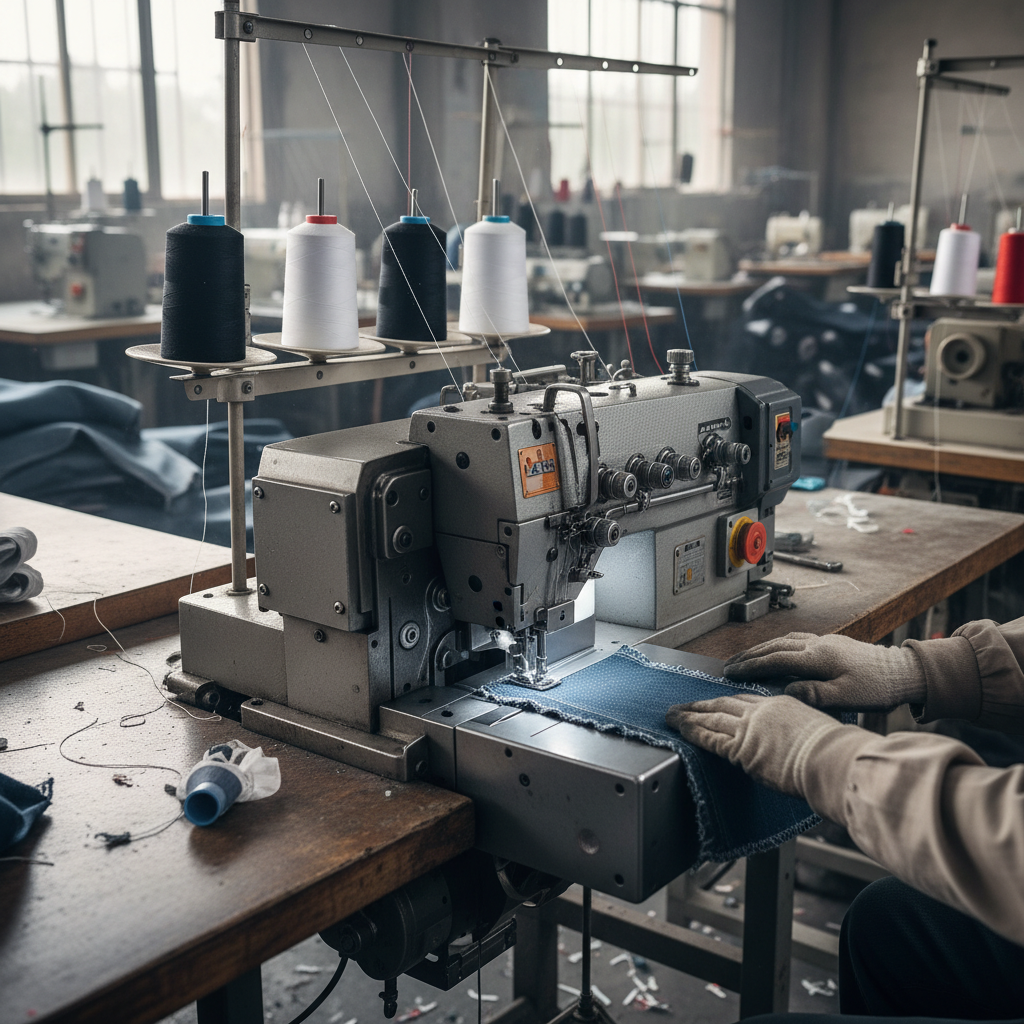
Understanding the Core Function: Edge Finishing
Both sergers and overlock machines are primarily designed to finish raw edges of fabric, preventing fraying and giving a clean, professional appearance. They achieve this by encasing the fabric edge in thread. However, the way they accomplish this, and the capabilities beyond edge finishing, are what set them apart. A key benefit of using either machine is the speed and efficiency with which they can handle edge finishing, compared to traditional methods like zigzag stitching. This is especially helpful for large-scale projects or production runs.
Key Takeaway: Both machines prevent fraying and create a neat edge, but their overall functionality differs significantly.
Sergers: The Multi-Talented Machines
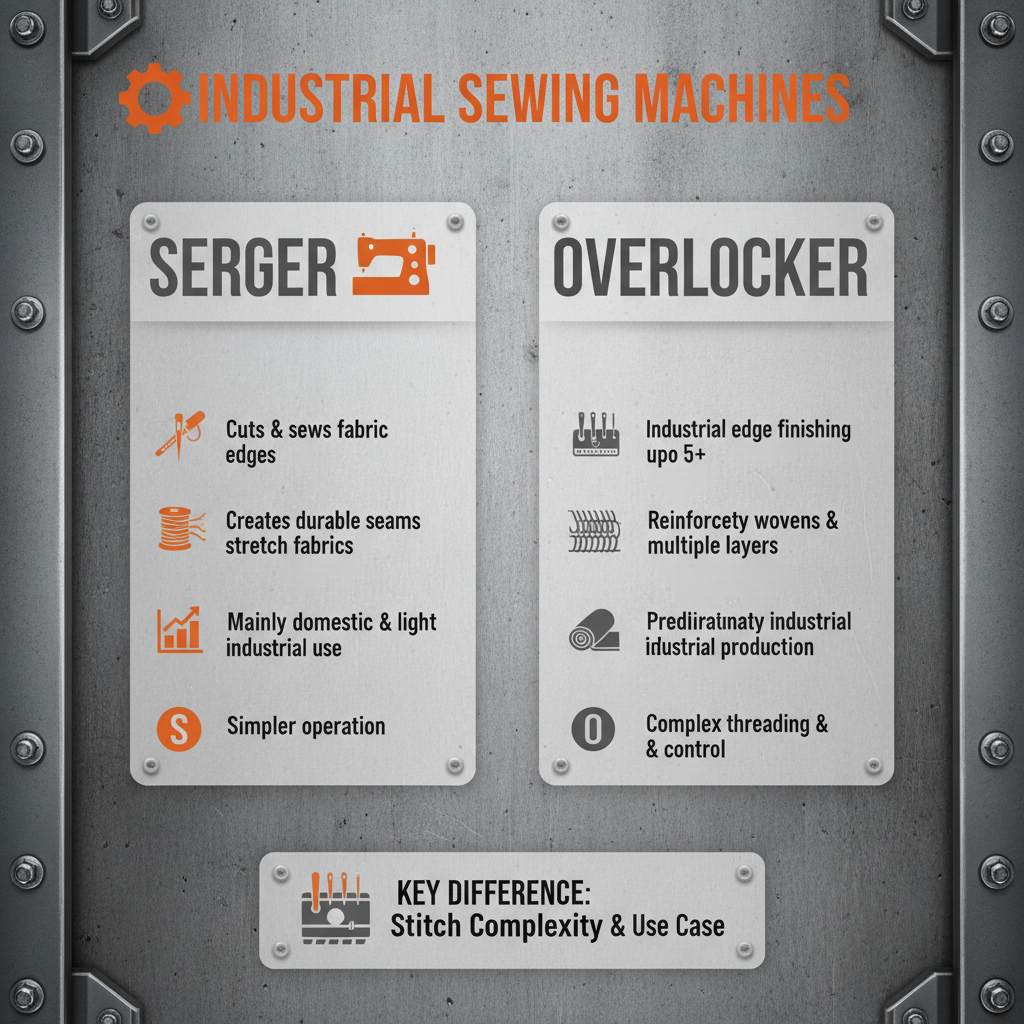
A serger, often called an overlock machine (though technically not the same – we’ll get to that!), is a versatile machine capable of several operations simultaneously: overlocking, trimming, and cutting fabric. It uses loopers and needles to create a professional-looking seam with a clean, finished edge. Sergers are especially beneficial for working with knit fabrics as they provide a stretchable seam that won’t break when the fabric is stretched. They can also create rolled hems, flatlocked seams, and decorative edges. You can explore a range of industrial overlock sewing machines at Longsew.
Serger Capabilities:
• Overlocking (edge finishing)
• Trimming excess fabric
• Cutting fabric as it sews
• Creating rolled hems
• Producing flatlocked seams
What is an Overlock? And How Does it Differ?
An overlock machine, in its truest definition, is a type of machine that specifically creates an overlocked stitch – a stitch that wraps around the edge of the fabric to prevent fraying. While the terms are often used interchangeably, a true overlock machine only performs this one function. It typically has fewer features than a serger and doesn't usually include the ability to trim or cut fabric simultaneously. Often, the term “overlock” is used to describe the stitch created by a serger, which contributes to the confusion.
Which Machine is Right for You?
If you're looking for a machine that can do it all – edge finishing, trimming, cutting, and creating various seam finishes – a serger is the ideal choice. It’s particularly valuable for sewists who work frequently with knit fabrics or desire a professional finish for garments. However, if your primary need is simply to prevent fabric fraying and you don’t require the additional functionalities, a dedicated overlock machine might suffice. For most home sewers, the versatility of a serger makes it a worthwhile investment. Longsew offers expert advice to help you choose the perfect machine for your needs.
Conclusion: Making the Informed Choice
Understanding the difference between a serger and an overlock machine empowers you to make an informed decision based on your sewing requirements. While the terms are often used interchangeably, recognizing their distinct capabilities ensures you select the machine that best supports your projects and enhances your sewing experience. Investing in the right equipment, whether it's a versatile serger or a dedicated overlock machine, is a step towards achieving professional-quality results. At Longsew, we are committed to providing you with the tools and knowledge you need to succeed.
Frequently Asked Questions (FAQs)
Can a serger replace a sewing machine?
No, a serger cannot completely replace a traditional sewing machine. While a serger excels at edge finishing and working with knit fabrics, it’s not designed for tasks like constructing garments from pattern pieces, sewing zippers, or creating buttonholes. A sewing machine is essential for these fundamental sewing operations. Sergers complement sewing machines, adding a professional touch to your finished projects.
Is it difficult to learn how to use a serger?
While there's a learning curve, sergers aren't overly difficult to master. Modern sergers often come with clear instructions and helpful tutorials. The key is to practice threading the machine correctly and understanding the different stitch settings. Once you become familiar with the basics, you'll find that a serger significantly speeds up your sewing process and improves the quality of your finishes. Longsew offers support and resources to help you learn to use your new machine.
What types of fabric are best suited for a serger?
Sergers are exceptionally well-suited for knit fabrics, as they create a stretchable seam that moves with the fabric. However, they can also be used effectively on woven fabrics, especially for finishing edges and creating lightweight seams. The differential feed feature on many sergers helps to prevent puckering or stretching on woven fabrics. Experimenting with different settings and fabrics is key to achieving optimal results.
How often should I oil my serger?
Regular oiling is crucial for maintaining your serger's performance. The frequency of oiling depends on usage, but generally, it’s recommended to oil your serger after every 8 hours of sewing. Refer to your serger's manual for specific oiling instructions and recommended oil types. Proper lubrication ensures smooth operation and prevents premature wear and tear.
Latest news
-
Industrial Bag Sewing Machine Price and Comprehensive Buying GuideNewsApr.16,2026
-
Industrial Hand Held Bag Closer for Efficient Packaging SealingNewsApr.16,2026
-
Industrial Hand Held Bag Closer Sewing Machine for PackagingNewsApr.16,2026
-
Efficient Industrial Bag Closer Sewing Machine for PackagingNewsApr.16,2026
-
Industrial Sewing Guide for Choosing the Right Closer MachineNewsApr.16,2026
-
Guide to Capital Bag Closer Machine Price and Buying FactorsNewsApr.16,2026
-
Say goodbye to inefficient cutting! This heavy-duty webbing hot cutting machine redefines the new standard for industrial cuttingNewsApr.14,2026

Hebei LongSew Machinery Technology Co. Ltd is beginning as sewing machine parts supplier, now Longsew have over twenty years experience in complete set sewing machine offering.


CLASSIFICATION
CONTACT US
-

No.368 North Youyi Street, Shijiazhuang City, Hebei Province, China
-

-

Copyright © 2026 HEBEI LONGSEW MACHINERY TECHNOLOGY CO. LTD All Rights Reserved. Sitemap | Privacy Policy | Top Blog | Global Service