


Eyl . 22, 2025 11:27
Listeye geri dön
Heavy-Duty FIBC Sewing Machine for Jumbo Bags | Efficient Stitching
The Critical Role of Advanced FIBC Sewing Machines in Modern Manufacturing
In the rapidly evolving landscape of industrial packaging, the demand for Flexible Intermediate Bulk Containers (FIBCs), commonly known as jumbo bags or big bags, continues to surge across diverse sectors. These robust, high-capacity container111s are indispensable for the efficient and safe transport of bulk materials such as chemicals, grains, minerals, and construction aggregates. At the heart of their production lies sophisticated machinery, and the selection of a high-performance fibc sewing machine is paramount for manufacturers aiming to achieve superior product quality, operational efficiency, and cost-effectiveness. This article delves into the technical intricacies, application benefits, and strategic considerations for deploying advanced FIBC sewing technology.
Industry Trends and Market Dynamics
The global FIBC market is projected to grow significantly, driven by increasing industrial production, expanding trade, and the imperative for secure and sustainable packaging solutions. This growth fuels a parallel demand for specialized industrial sewing equipment capable of handling heavy-duty materials with precision and speed. Key trends include:
- Automation Integration: The shift towards fully automated or semi-automated systems to minimize labor costs and human error, thereby enhancing productivity.
- Enhanced Durability: A continuous push for machines designed for prolonged operational cycles, processing tough, multi-layered polypropylene fabrics without compromising stitch integrity.
- Pattern Recognition & Computerization: Advanced computerized pattern sewing machines that can execute complex stitch patterns, such as those required for loop rings and lifting belts, with unmatched accuracy.
- Sustainability Focus: Manufacturers are increasingly seeking energy-efficient machines with reduced material waste and noise levels, aligning with global environmental standards.
These trends underscore the importance of investing in cutting-edge machinery that not only meets current production demands but also offers scalability and adaptability for future requirements.
Technical Specifications of Advanced FIBC Sewing Machines
Modern FIBC sewing equipment, such as the FIBC Bag / Jumbo Bag / Big Bag Automatic Computerized Pattern Sewing Machine For Bulk Bag Loop Ring or Lifting Belt LS200-5020, exemplifies the pinnacle of precision engineering. These machines are engineered to tackle the rigorous demands of heavy-duty material handling and precise pattern stitching.
Product Spotlight: LS200-5020 Series
The LS200-5020 is designed specifically for automated production of FIBC loop rings and lifting belts, critical components ensuring the safety and structural integrity of jumbo bags. Its features are optimized for high-volume, high-precision operations.
| Parameter | Şartname | Advantage / Feature |
|---|---|---|
| Stitch Type | Lockstitch (Type 301) | High strength, unravel-resistant, ideal for heavy materials. |
| Sewing Area | 500mm x 200mm (or customizable) | Versatile for various loop and belt sizes, enhancing production flexibility. |
| Max. Sewing Speed | 800-1200 RPM | High productivity for large-scale manufacturing. |
| Needle System | DDx1 (specific for heavy materials) | Ensures penetration through thick, layered fabrics without breakage. |
| Thread Type | Heavy-duty Polyester, Nylon (up to Tex 400) | Accommodates strong threads essential for FIBC integrity. |
| Material Thickness | Up to 25mm (compressed) | Handles multiple layers of woven polypropylene with ease. |
| Control System | Advanced PLC & Touchscreen HMI | Intuitive operation, precise pattern control, data logging. |
| Motor Type | Direct Drive Servo Motor | Energy-efficient, quiet, precise start/stop, variable speed. |
| Pattern Storage | Internal memory for hundreds of patterns | Quick pattern recall and switching, enhancing versatility. |
The robust construction of the fibc sewing machine head and its integrated software enable seamless execution of complex patterns, which is vital for the safety and certification of FIBCs. Manufacturers using this type of advanced jumbo bag sewing machine can significantly reduce production inconsistencies and improve overall product reliability.
Manufacturing Process of a High-Precision FIBC Sewing Machine
The development and manufacturing of a sophisticated industrial sewing machine like the LS200-5020 series involve a multi-stage process, meticulously engineered to ensure durability, precision, and longevity. This process adheres to stringent quality control standards, including ISO 9001 for quality management and ANSI standards for component integrity.
Key Stages of Machine Production:
- Material Selection and Sourcing:
High-grade alloy steels for critical components (e.g., shafts, gears), industrial-strength aluminum for lighter structural parts, and corrosion-resistant coatings are selected. Electrical components are sourced from certified suppliers, meeting CE and UL standards for safety and performance.
- Casting and Forging:
Main frame components, heavy-duty armaments, and base plates undergo precision casting using robust iron or steel alloys to ensure structural rigidity and vibration dampening. Critical stress-bearing parts, like connecting rods and hooks, are often forged for superior strength and fatigue resistance.
- CNC Machining:
Advanced 5-axis CNC machining centers are utilized to fabricate components with micron-level precision. This includes the sewing head, feed dog mechanisms, needle bars, and other intricate parts. This accuracy is paramount for consistent stitch formation and smooth operation over the machine's extended service life, which can exceed 15-20 years with proper maintenance.
- Heat Treatment and Surface Finishing:
Components subjected to high wear, such as hooks, feed dogs, and loopers, undergo specialized heat treatments (e.g., carburizing, nitriding) to enhance hardness and wear resistance. Surface finishes, including powder coating and anodizing, provide protection against corrosion and wear in challenging industrial environments.
- Assembly and Integration:
Skilled technicians assemble the mechanical, electrical, and pneumatic systems. This stage involves the integration of PLC (Programmable Logic Controller) units, servo motors, and HMI (Human Machine Interface) touchscreens, ensuring seamless communication and precise control. Closed-loop feedback systems are calibrated for optimal performance.
- Rigorous Testing and Quality Assurance:
Each machine undergoes comprehensive testing, including endurance tests at maximum load, stitch quality analysis across various materials, and precise pattern replication tests. Electrical safety is verified against IEC standards, and overall performance is benchmarked against strict internal quality parameters to guarantee reliability and consistency.
This meticulous production process ensures that every fibc sewing machine is built to deliver exceptional performance and a long operational lifespan, minimizing downtime and maximizing return on investment for end-users.
Application Scenarios and Target Industries
The versatility and robustness of modern big bag sewing machine solutions make them indispensable across a broad spectrum of industries that rely on bulk material handling. Their ability to produce strong, reliable FIBCs is crucial for logistics, storage, and safe transportation.
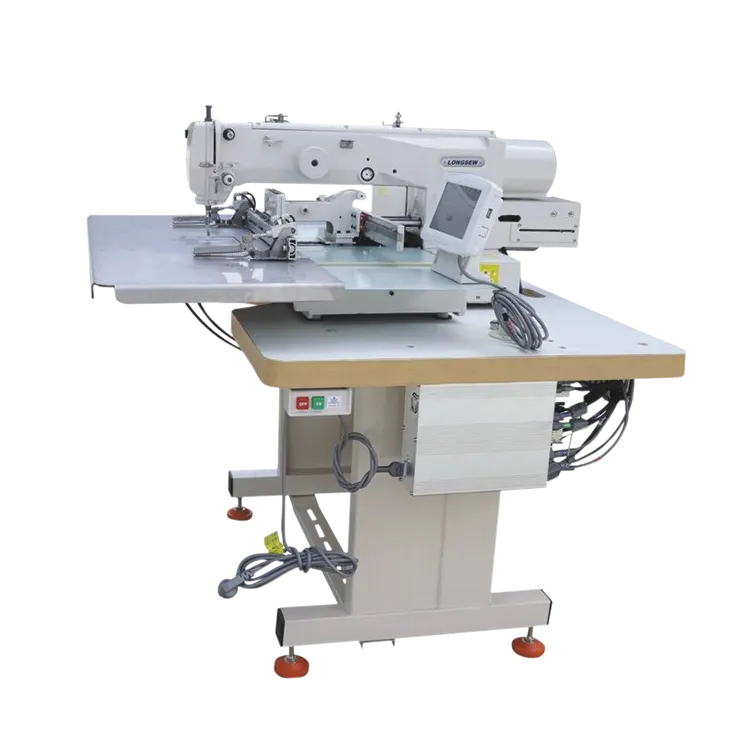
Figure 1: Automated stitching of FIBC lifting loops showcasing the precision of a modern fibc sewing machine.
Key Industrial Applications:
- Petrochemical Industry: For packaging polymers, resins, carbon black, and other granulated or powdered chemicals. The strength and integrity of FIBCs are critical to prevent leaks and ensure worker safety.
- Metallurgy and Mining: Transporting ore concentrates, metal powders, and finished products like ferroalloys. FIBCs must withstand heavy loads and abrasive materials, requiring exceptionally strong seams.
- Agriculture and Food Processing: Used for grains, seeds, fertilizers, sugar, and flour. Hygiene and resistance to environmental factors are key, making reliable stitching imperative.
- Construction and Building Materials: Packaging cement, sand, gravel, and construction waste. FIBCs here must handle extreme weights and rough handling.
- Pharmaceuticals: For bulk active pharmaceutical ingredients (APIs) and excipients. Stringent quality control and sterile environment compatibility are often required, emphasizing precision in manufacturing.
Demonstrable Advantages in Typical Scenarios:
- Energy Saving: Direct-drive servo motors consume significantly less power than traditional clutch motors, resulting in substantial energy cost reductions—often up to 70% compared to older models.
- Corrosion Resistance: Components treated with advanced coatings ensure longevity and stable operation even in environments with high humidity or chemical exposure, common in petrochemical or certain food processing facilities.
- Enhanced Safety: Precision-stitched lifting loops created by these machines minimize the risk of bag failure during handling, a critical safety factor in industries dealing with hazardous materials or heavy loads.
- Increased Production Throughput: Automation and higher sewing speeds allow manufacturers to meet tight deadlines and scale production efficiently without compromising quality.
Technical Advantages and Performance Differentiation
The technological leap in computerized pattern sewing machines provides distinct advantages over traditional manual or semi-automatic systems. These advancements translate directly into superior product quality and operational efficiency for manufacturers.
Key Technical Advantages:
- Unparalleled Stitch Precision: Computerized control ensures consistent stitch length, tension, and pattern execution, crucial for the structural integrity of FIBC lifting loops and seams. Deviations are minimized, leading to uniform and reliable products.
- High-Efficiency Production: Automated material feeding, clamping, and pattern execution dramatically reduce cycle times per bag. This leads to higher output with fewer operators, optimizing labor resources. For example, an automated pattern sewer can complete a complex loop pattern in seconds, a task that would take significantly longer and be prone to human error with manual methods.
- Versatility in Pattern Design: The ability to program and store numerous sewing patterns allows for rapid switching between different FIBC designs (e.g., U-panel, 4-panel, baffle bags) and customized loop configurations without mechanical adjustments.
- Enhanced Material Handling: Features like heavy-duty presser feet, robust feeding mechanisms, and pneumatic clamping systems securely hold multiple layers of thick polypropylene fabric, preventing material slippage and ensuring consistent stitch penetration.
- Diagnostic and Monitoring Capabilities: Integrated sensors and software provide real-time feedback on machine status, thread breaks, and maintenance alerts, facilitating proactive troubleshooting and minimizing downtime.
Competitive Differentiators:
| Feature | Advanced Computerized Pattern Sewing (e.g., LS200-5020) | Conventional Manual FIBC Sewing |
|---|---|---|
| Stitch Consistency | Excellent (software-controlled, micron precision) | Variable (operator skill-dependent) |
| Productivity | High (automated cycles, faster speeds) | Moderate to Low (manual handling, slower) |
| Labor Requirement | Low (one operator can oversee multiple machines) | High (one operator per machine, skilled labor) |
| Material Waste | Minimal (optimized patterns, fewer errors) | Higher (due to errors, misalignments) |
| Safety & Reliability | Superior (consistent quality, reduced bag failures) | Moderate (dependent on operator attention) |
| Customization & Flexibility | High (software-programmable patterns) | Low (requires mechanical adjustments or skilled freehand) |
The clear operational and quality advantages of computerized fibc sewing machine technology underscore its value proposition for manufacturers seeking a competitive edge in the bulk packaging market.
Customized Solutions and Application Case Studies
Recognizing that every manufacturing operation has unique requirements, leading providers of jumbo bag stitching machine offer extensive customization options. These solutions are tailored to optimize specific production workflows and integrate seamlessly with existing infrastructure.
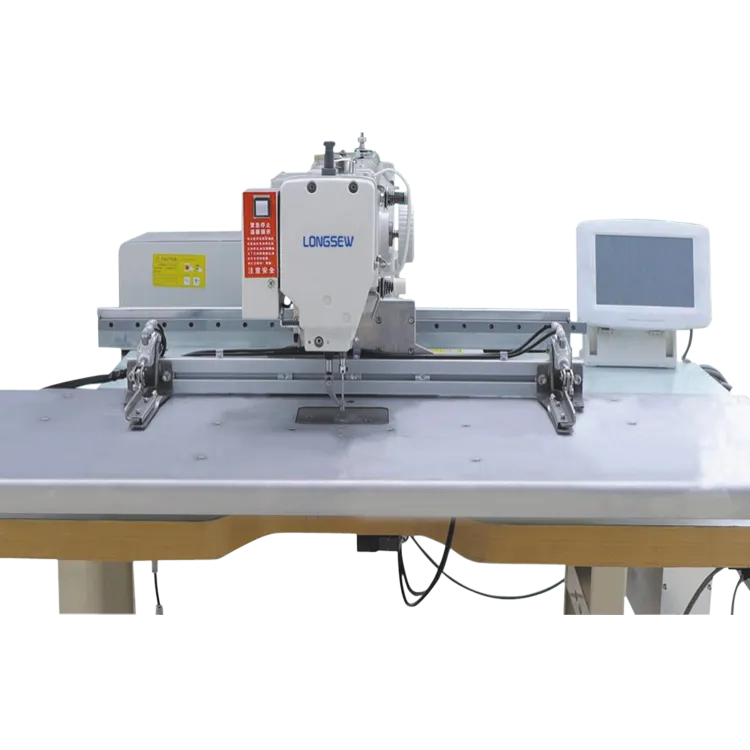
Figure 2: Close-up of a computerized pattern sewing machine's working area, highlighting material handling and precision stitching.
Tailored Solutions:
- Workstation Integration: Machines can be supplied as standalone units or integrated into complete production lines, including automated cutting, printing, and packing stations.
- Custom Sewing Areas: While standard models offer generous sewing fields, bespoke dimensions can be configured to accommodate unusually large FIBC components or specific industrial requirements.
- Specialized Clamping Mechanisms: Customized pneumatic or mechanical clamping systems can be designed to handle unique fabric properties, complex multi-ply assemblies, or specific material configurations.
- Advanced Software Features: Programmable logic can be extended to include specialized pattern recognition, barcode integration for batch tracking, or enhanced data analytics for production optimization.
Real-World Application Case Studies:
Here are examples demonstrating the transformative impact of advanced FIBC sewing technology:
Case Study 1: Large-Scale Fertilizer Manufacturer
A leading agricultural input company faced challenges with inconsistent FIBC loop quality and slow production rates using older manual machines. By deploying several LS200-5020 automatic computerized pattern sewing machines, they achieved:
- A 40% increase in daily FIBC output.
- A 95% reduction in bag rejection rates due to stitching errors, enhancing product safety and brand reputation.
- A 25% decrease in labor costs per unit, reallocating skilled workers to other value-added tasks.
"The transition to automated sewing has been a game-changer for our bulk bag production. The consistency and speed are unmatched," reports their Production Manager.
Case Study 2: Chemical & Pharmaceutical Packaging Specialist
A company specializing in packaging fine chemicals and sensitive pharmaceutical powders required ultra-precise stitching for specialized FIBCs that met FDA and ISO standards. Their previous machines struggled with the intricate patterns and material specifications. Implementing a customized LS200-5020 50 kg jute bag making machine with enhanced pattern recognition allowed them to:
- Achieve 100% compliance with critical stitch integrity standards for pharmaceutical-grade FIBCs.
- Expand their product portfolio to include more complex, high-value bulk bags.
- Reduce material waste by 15% through optimized pattern placement and reduced reworks.
"Our clients demand perfection. This machine delivers the consistency and traceability we need to maintain our competitive edge," stated the CEO.
Authoritativeness and Trustworthiness: Ensuring Confidence
For B2B decision-makers, choosing an industrial partner extends beyond technical specifications to encompass trust, reliability, and long-term support. A reputable provider of fibc sewing machine solutions demonstrates authoritativeness through verifiable credentials and fosters trustworthiness through transparent policies.
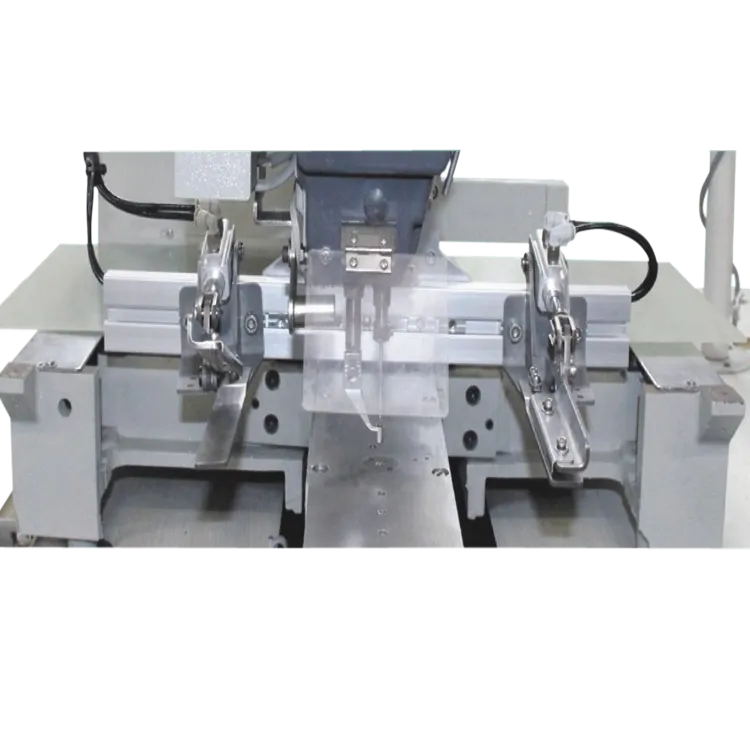
Figure 3: A technician performing final quality checks on a newly assembled fibc sewing machine before dispatch.
Certifications and Industry Recognition:
Suppliers of high-quality industrial sewing machines typically hold certifications such as ISO 9001 (Quality Management Systems) and CE marking (for European market safety compliance). These demonstrate adherence to rigorous international standards in design, manufacturing, and service. Partnerships with leading component manufacturers and a track record of serving prominent clients globally further solidify a vendor's authoritative standing. Companies with over 20 years of specialized experience in industrial sewing machine manufacturing often possess the deepest expertise.
Frequently Asked Questions (FAQ):
Q1: What is the typical lead time for an LS200-5020 machine?
A1: Standard models typically have a lead time of 4-6 weeks from order confirmation. Customized solutions may require 8-12 weeks, depending on the complexity of modifications. We maintain efficient supply chain management to minimize delivery periods.
Q2: What warranty coverage is provided?A2: All new machines come with a comprehensive 12-month warranty covering parts and labor against manufacturing defects. Extended warranty options and service contracts are available for continuous peace of mind.
Q3: How is after-sales support handled?A3: We offer multi-channel after-sales support, including remote technical assistance via video conferencing, on-site technician visits, and a global network of certified service partners. Spare parts are readily available from our central warehouse and regional distribution centers to ensure minimal downtime.
Q4: Can the machine handle different types of FIBC fabrics?A4: Yes, the LS200-5020 is engineered with a powerful feeding mechanism and a robust sewing head to efficiently handle a wide range of woven polypropylene (WPP) fabrics, including coated, uncoated, and multi-ply variations commonly used in FIBC manufacturing.
Conclusion
The continuous evolution of the bulk packaging industry necessitates investment in advanced manufacturing technology. A modern fibc sewing machine represents a critical asset for producers of Flexible Intermediate Bulk Containers, offering unparalleled precision, efficiency, and reliability. By embracing computerized pattern sewing machines, manufacturers can not only meet stringent quality standards and enhance operational safety but also achieve significant cost savings and improve overall competitiveness in the global market. The long-term benefits of robust construction, intelligent automation, and comprehensive support ensure that such an investment yields substantial returns for years to come.
References
- ISO 9001:2015 - Quality management systems — Requirements. International Organization for Standardization.
- ANSI/ASME B30.20-2018 - Below-the-Hook Lifting Devices. American Society of Mechanical Engineers.
- The Flexible Intermediate Bulk Container (FIBC) Market: Global Industry Trends, Share, Size, Growth, Opportunity and Forecast 2023-2028. IMARC Group.
- Modern Textile Machinery: Advances in Automation and Digitalization. Journal of Textile Engineering & Fashion Technology.
Son Haberler
-
Industrial Bag Sewing Machine Price and Comprehensive Buying GuideHaberlerApr.16,2026
-
Industrial Hand Held Bag Closer for Efficient Packaging SealingHaberlerApr.16,2026
-
Industrial Hand Held Bag Closer Sewing Machine for PackagingHaberlerApr.16,2026
-
Efficient Industrial Bag Closer Sewing Machine for PackagingHaberlerApr.16,2026
-
Industrial Sewing Guide for Choosing the Right Closer MachineHaberlerApr.16,2026
-
Guide to Capital Bag Closer Machine Price and Buying FactorsHaberlerApr.16,2026
-
Say goodbye to inefficient cutting! This heavy-duty webbing hot cutting machine redefines the new standard for industrial cuttingHaberlerApr.14,2026

Hebei LongSew Makine Teknolojisi Ltd. Şti. dikiş makinesi parçaları tedarikçisi olarak faaliyete başlamıştır, Longsew artık komple dikiş makinesi setleri sunmada yirmi yılı aşkın deneyime sahiptir.


SINIFLANDIRMA
BİZE ULAŞIN
-

No.368 Kuzey Youyi Caddesi, Shijiazhuang Şehri, Hebei Eyaleti, Çin
-

-

Copyright © 2026 HEBEI LONGSEW MACHINERY TECHNOLOGY CO. LTD All Rights Reserved. Sitemap | Privacy Policy