


НОВОСТИ
-
In the field of FIBC production, the firmness and standardization of the sewing of lifting slinЧитать далее
-
Finding the right industrial upholstery sewing machine for sale is crucial for businesses in the furniture, automotive, and marine industries. These machines are built for heavy-duty fabric and demanding applications, offering superior performance and durability compared to domestic sewing machines. This guide provides a detailed overview of factors to consider when purchasing, popular models, and where to find reliable suppliers like Longsew. Investing in a high-quality machine can significantly improve production efficiency and product quality. When selecting an industrial upholstery sewing machine, consider essential features like stitch type, motor power, feed system, and needle selection. A walking foot mechanism is vital for handling thick materials without slipping. Higher motor power (typically 600W or more) allows for sewing through multiple layers of fabric. Different needle types are suitable for various fabrics – consider self-threading needles for efficiency. Furthermore, features like automatic lubrication and adjustable stitch length enhance usability and machine lifespan.Читать далее
-
The demand for high-quality leather upholstery is consistently strong, driving the need for efficient and reliable leather upholstery machines. Whether you’re crafting furniture, automotive interiors, or bespoke leather goods, selecting the right machine is paramount. This article delves into the world of leather upholstery machines, covering different types, key features, and considerations for choosing the perfect machine for your needs. We will explore how investing in the right technology can optimize your production process and enhance the quality of your finished products. Leather upholstery machines aren't a 'one-size-fits-all' solution. Several types cater to specific tasks and production volumes. These include: Industrial Sewing Machines designed specifically for heavy-duty leather, Skiving Machines used to thin leather edges for seamless joining, Cutting Machines ensuring precise shapes and minimizing waste, and Pattern Making Machines for creating templates.Читать далее
-
Hook needle upholstery is a traditional yet remarkably effective method for crafting durable and visually appealing upholstered furniture. It's a technique deeply rooted in history, yet remains relevant in contemporary furniture making and restoration. This article explores the process, benefits, and applications of hook needle upholstery, providing insights for both beginners and experienced upholsterers. We'll delve into the tools, materials, and techniques involved, showcasing why this method is still a favored choice for many. At its core, hook needle upholstery involves using a specialized hook-shaped needle to draw loops of yarn or fabric through a woven backing material, creating a dense, textured surface. Unlike traditional upholstery which relies on tightly stretched fabric, hook needle work produces a softer, more forgiving finish.Читать далее
-
Selecting the right heavy thread for sewing leather is crucial for achieving durable and aesthetically pleasing results. Leatherworking demands a thread that can withstand the stresses of piercing tough hides and resist breakage. At LongSew, we offer a comprehensive range of high-quality threads specifically designed for leather applications. This article delves into the key considerations when choosing a heavy thread, exploring materials, sizes, and applications to help you make the best decision for your project. Investing in the correct thread will significantly impact the longevity and professional finish of your leather goods. Several materials are commonly used for heavy leather sewing threads, each offering unique benefits.Читать далее
-
Working with vinyl requires a robust and reliable sewing machine capable of handling the material's thickness and unique properties. Selecting the appropriate heavy duty sewing machine for vinyl is crucial for achieving professional-quality results. This guide explores the key features to consider, different machine types, and recommendations to help you make an informed decision. From crafting durable bags to creating custom upholstery, the right machine can significantly improve your workflow and final product. Vinyl presents unique sewing challenges compared to fabrics. Its non-porous nature means it doesn’t readily accept pins, and it can be ‘sticky’ making it difficult to feed through the machine. Standard sewing machines often lack the power and specialized features needed to consistently stitch through multiple layers of vinyl.Читать далее
-
When it comes to crafting durable and aesthetically pleasing denim products, the choice of thread is paramount. Heavy duty denim thread is engineered to withstand the stresses of denim sewing, ensuring long-lasting seams and a professional finish. This article delves into the world of heavy duty denim thread, covering its characteristics, applications, types, and how to choose the right thread for your projects. Whether you’re a seasoned denim artisan or just starting, understanding this vital component is key to creating high-quality denim goods. The term "heavy duty" refers to several key characteristics of the thread. First, it’s about the thread's weight or thickness – a heavier thread uses more fiber, making it stronger. Second, it involves the fiber composition; traditionally, these threads are made from strong materials like bonded nylon or polyester. Finally, construction method plays a role; core-spun threads, where a strong core is wrapped with outer fibers, are particularly durable. These characteristics combine to create a thread capable of resisting breakage during the demanding process of sewing through thick denim layers.Читать далее
-
Selecting a handheld sewing machine capable of handling thick fabrics is crucial for various projects, from upholstery and leatherwork to denim and canvas. Not all portable machines are created equal, and using the wrong one can lead to frustration, broken needles, and damaged materials. This guide explores key considerations, features, and top recommendations for handheld sewing machines that excel at sewing through substantial textiles. We’ll delve into what makes a machine suitable for thicker materials and how to choose the best one for your specific needs. Thick fabrics present unique challenges for sewing machines. They require more power to penetrate the material, and standard needles often bend or break. The heavier weight can also strain the motor and feeding mechanism of less robust machines. Features like a powerful motor, adjustable presser foot pressure, and the ability to use heavy-duty needles are essential.Читать далее
-
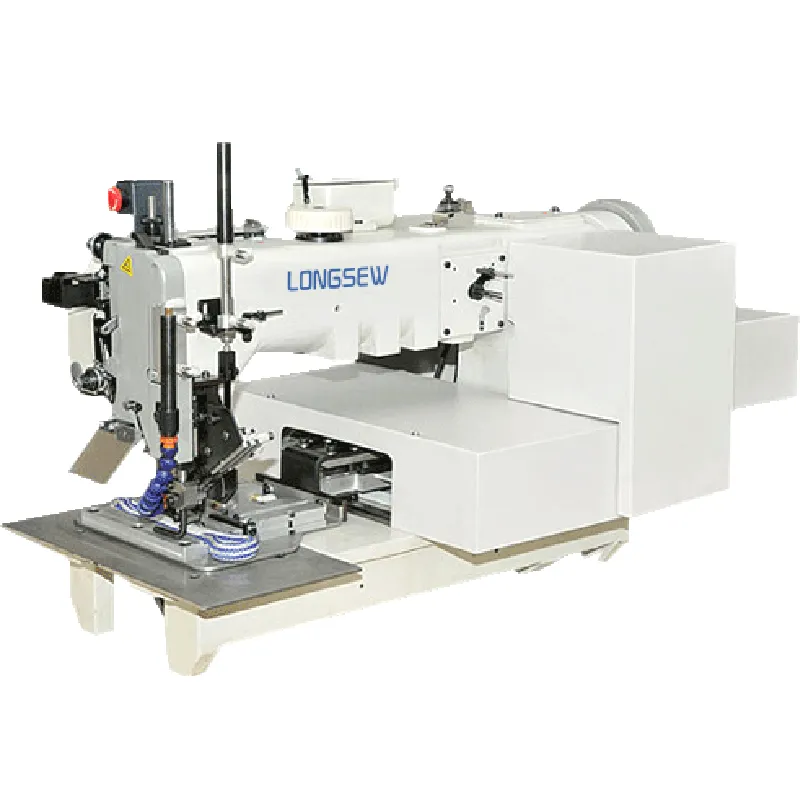 In the heavy-duty realm of industrial sewing, the core demands have always been the sewing of tЧитать далее
 -
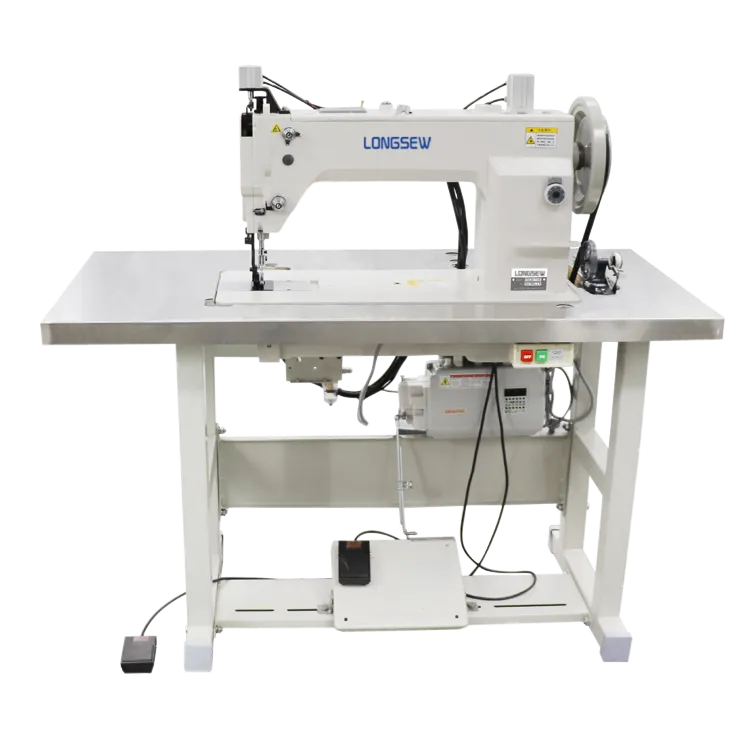 In the production scenarios involving ton bags, lifting belts, and various heavy materials, theЧитать далее
 -
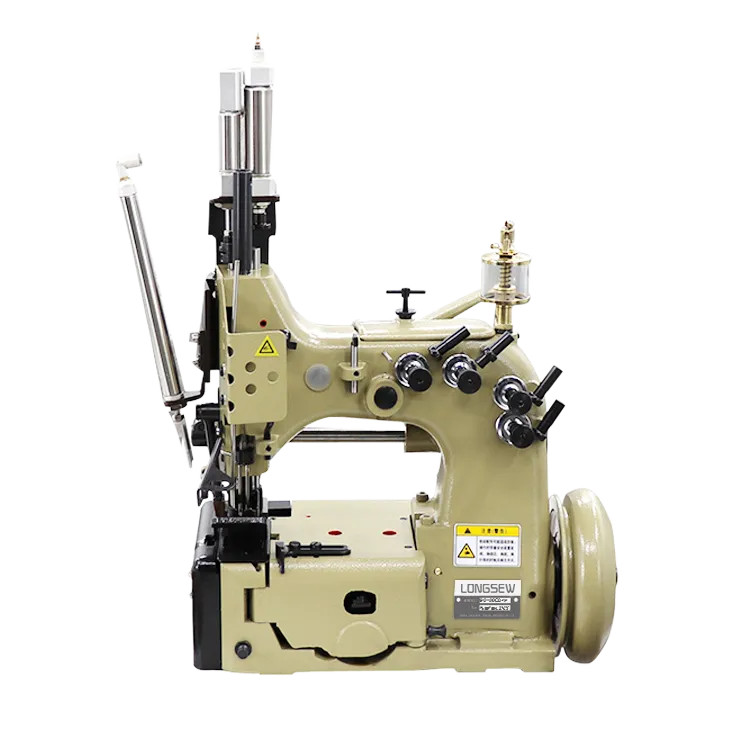 In the field of heavy-duty bulk bag production, a stable, reliable and high-performance sewingЧитать далее
 -
Discover high-performance FIBC sewing machine solutions with double needles and servo motor technology. Advanced features like hot cutter systems and customizable options ensure efficient Jumbo bag production. HEBEI LONGSEW guarantees industrial-grade quality. Explore now: https://www.longsew.comЧитать далее

Компания Hebei LongSew Machinery Technology Co. Ltd. начинала свою деятельность как поставщик деталей для швейных машин. Сейчас у Longsew более двадцати лет опыта в поставках комплектных швейных машин.


КЛАССИФИКАЦИЯ
СВЯЗАТЬСЯ С НАМИ
-

No.368 North Youyi Street, город Шицзячжуан, провинция Хэбэй, Китай
-

-

Copyright © 2026 HEBEI LONGSEW MACHINERY TECHNOLOGY CO. LTD All Rights Reserved. Sitemap | Privacy Policy