


НОВОСТИ
-
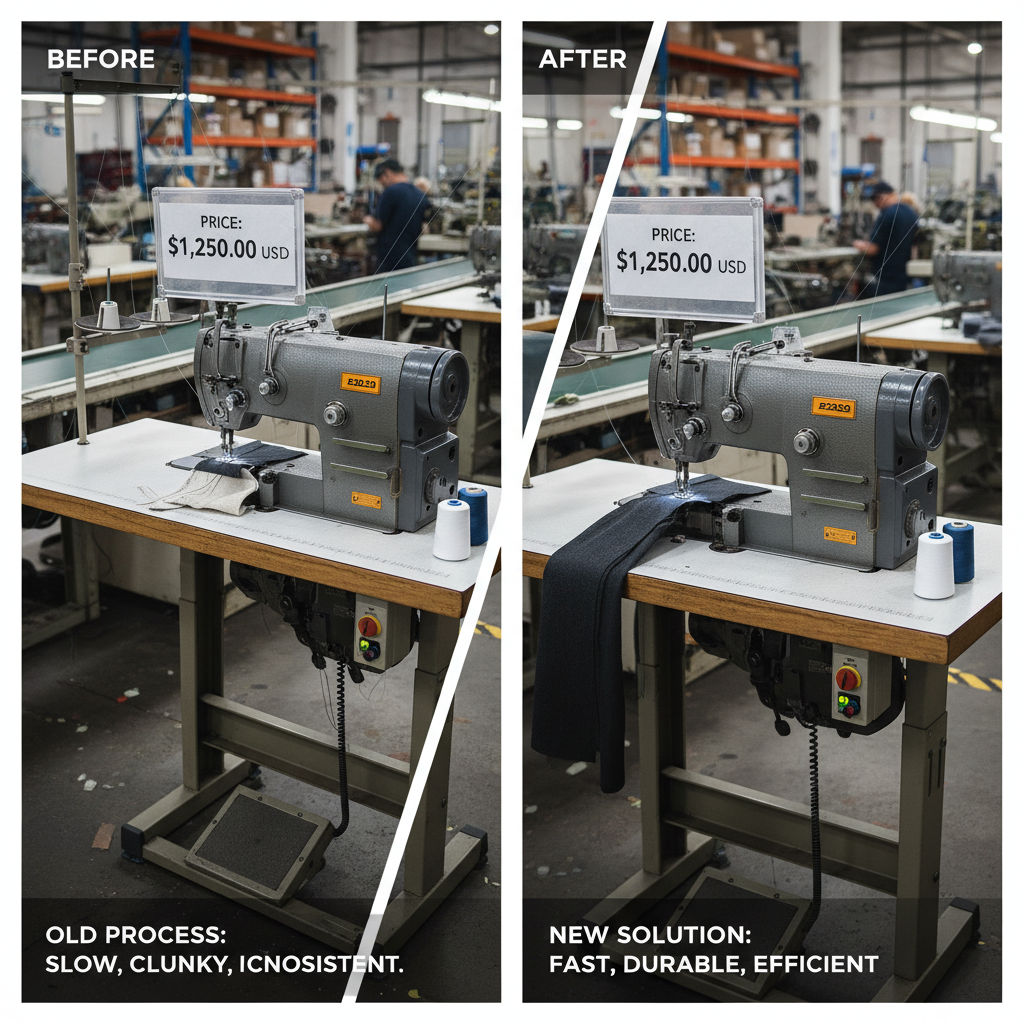 When starting or expanding a garment production business, investing in a reliable overlock machine with table is crucial. The cost can vary significantly depending on features, brand, and automation level. This article provides a detailed overview of the factors influencing the price of these machines, a comparison of different options, and where to find the best deals. Understanding these aspects will empower you to make an informed purchase that suits your needs and budget. We'll explore everything from basic models to high-end industrial machines. Several factors contribute to the final price of an overlock machine with table. The number of threads it can handle is a significant one; more threads generally mean a higher price. Automation, such as automatic thread trimming and presser foot lift, also increases cost. The brand’s reputation for reliability and the machine's overall build quality play a crucial role. Industrial-grade machines are typically more expensive than domestic models due to their durability and performance. Additionally, the size and type of table included (fixed, adjustable, or with storage) impact the overall price.Читать далее
 -
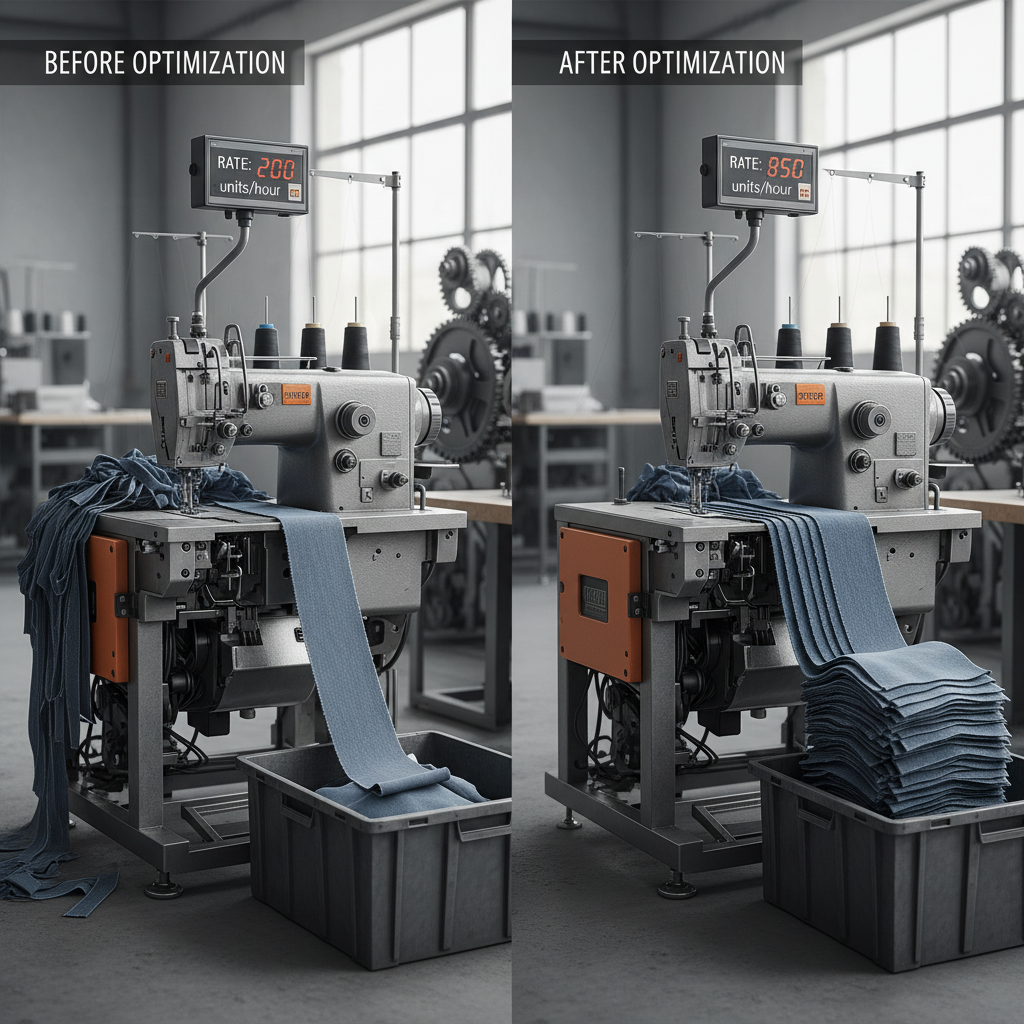 In the fast-paced world of garment manufacturing, understanding the overlock machine rate – its efficiency, output, and associated costs – is paramount. This rate directly impacts production timelines, profitability, and overall competitiveness. This article will provide an in-depth look at the factors influencing overlock machine rates, how to calculate them, and strategies to optimize them for maximum efficiency. Whether you're a seasoned apparel manufacturer or new to the industry, a grasp of these concepts is essential for streamlining your operations and achieving superior results. The overlock machine rate isn't a single number, but rather a composite measurement of efficiency. It encompasses several key metrics, including the number of stitches per minute (SPM), the number of garments completed per hour, and the cost associated with operating the machine (labor, electricity, maintenance, and materials). Analyzing this rate allows manufacturers to identify bottlenecks, assess operator performance, and make informed decisions about machine upgrades or maintenance schedules.Читать далее
 -
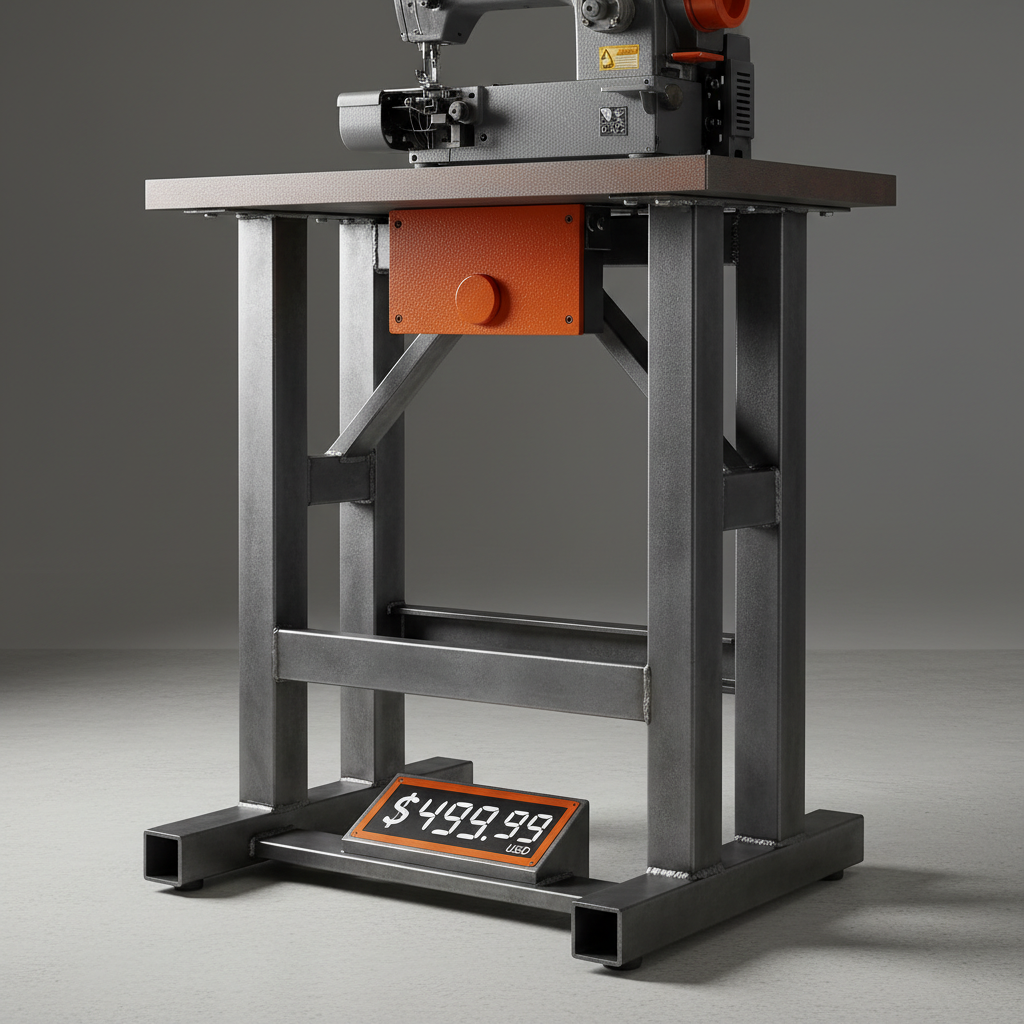 Investing in an overlock machine stand is crucial for optimizing your sewing workspace, enhancing efficiency, and prolonging the lifespan of your machine. But understanding the overlock machine stand price can be complex. This article breaks down the factors influencing cost, provides a price range overview, and helps you determine the best stand for your needs. We'll explore different types, materials, features, and where to find the best deals. A well-chosen stand isn't just an accessory; it's an investment in your craft. Several key factors contribute to the variation in overlock machine stand prices. The material used is a significant factor – steel stands generally cost more than those made from aluminum or plastic. Size and weight capacity also play a role; larger, more robust stands capable of supporting heavier machines are naturally more expensive. Features like adjustable height, wheels for mobility, and built-in storage compartments add to the cost. Brand reputation and the inclusion of warranties also influence pricing. Finally, shipping costs, especially for international buyers, can significantly affect the final price.Читать далее
 -
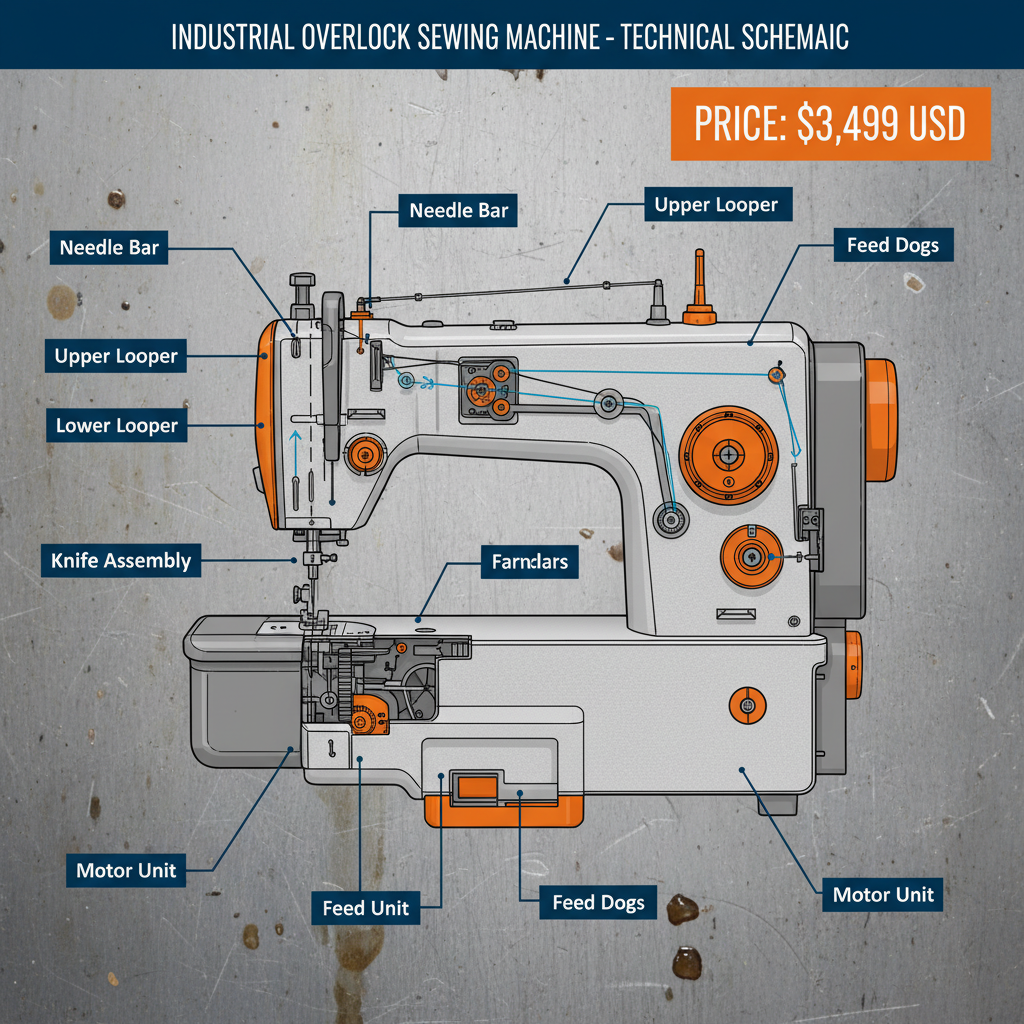 An overlock machine, also known as a serger, is a vital piece of equipment for anyone involved in garment construction, quilting, or fabric finishing. But with a wide range of models and features available, the price of an overlock machine can vary significantly. This article will delve into the factors influencing these costs, providing a comprehensive guide to help you find the best machine for your needs and budget. We'll explore different price points and what you can expect to get for your investment, helping you make an informed decision. Several factors contribute to the price of an overlock machine. The number of threads it can handle is a primary one; machines capable of 3, 4, or even 5 threads generally cost more. Automation also plays a role – computerized machines with features like automatic thread trimming, tension adjustments, and stitch selection are more expensive than mechanical models.Читать далее
 -
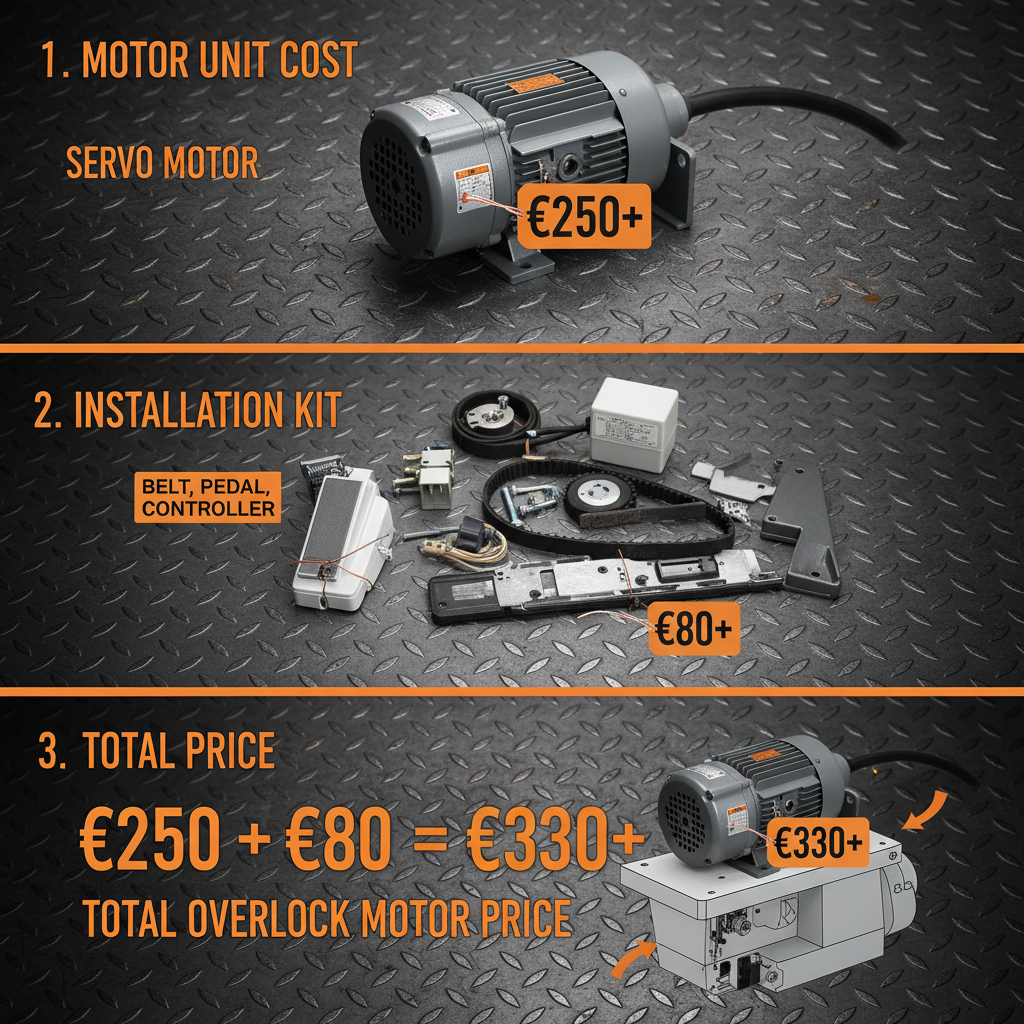 When investing in an overlock machine, the motor is a crucial component impacting performance and longevity. Understanding the overlock machine motor price range, different types, and factors influencing cost is essential for making an informed decision. This article will delve into the details, helping you navigate the market and select a motor that meets your specific needs and budget. We will explore the various types of motors available, what affects their pricing, and how to determine the best option for your sewing applications. Overlock machines typically utilize either traditional friction motors or direct-drive motors. Friction motors, older technology, rely on a belt and pulley system. Direct-drive motors, increasingly popular, directly connect the motor to the machine's flywheel, offering several advantages. The type of motor significantly affects the overlock machine motor price and performance. Factors like power, speed control, and noise level differ considerably between these types. Consider your production volume and required precision when choosing between the two.Читать далее
 -
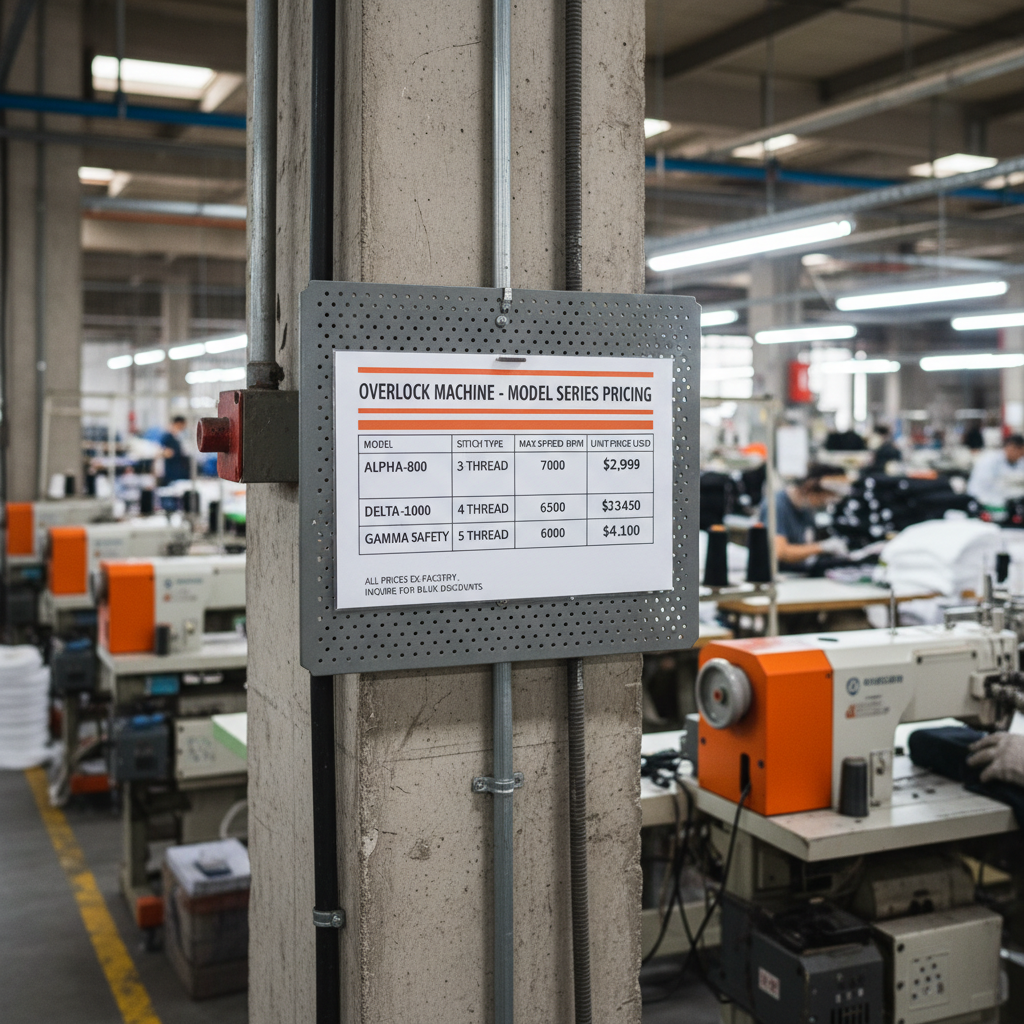 Choosing the right overlock machine is crucial for efficient and professional garment construction. This article provides a comprehensive overlock machine price list and guide to help you find the perfect machine for your specific needs, whether you're a hobbyist, small business, or large-scale manufacturer. We'll cover different types of overlock machines, key features, and price ranges, ensuring you make an informed decision. Understanding your needs and budget is the first step in finding the ideal machine. Overlock machines, also known as sergers, come in various configurations, each suited for different applications. The most common types include 3-thread, 4-thread, and 5-thread overlock machines. 3-thread machines are ideal for light to medium fabrics and basic overlocking. 4-thread machines offer increased durability and a wider range of stitch options. 5-thread machines, often used in industrial settings, provide exceptional strength and versatility, capable of both overlocking and safety stitching.Читать далее
 -
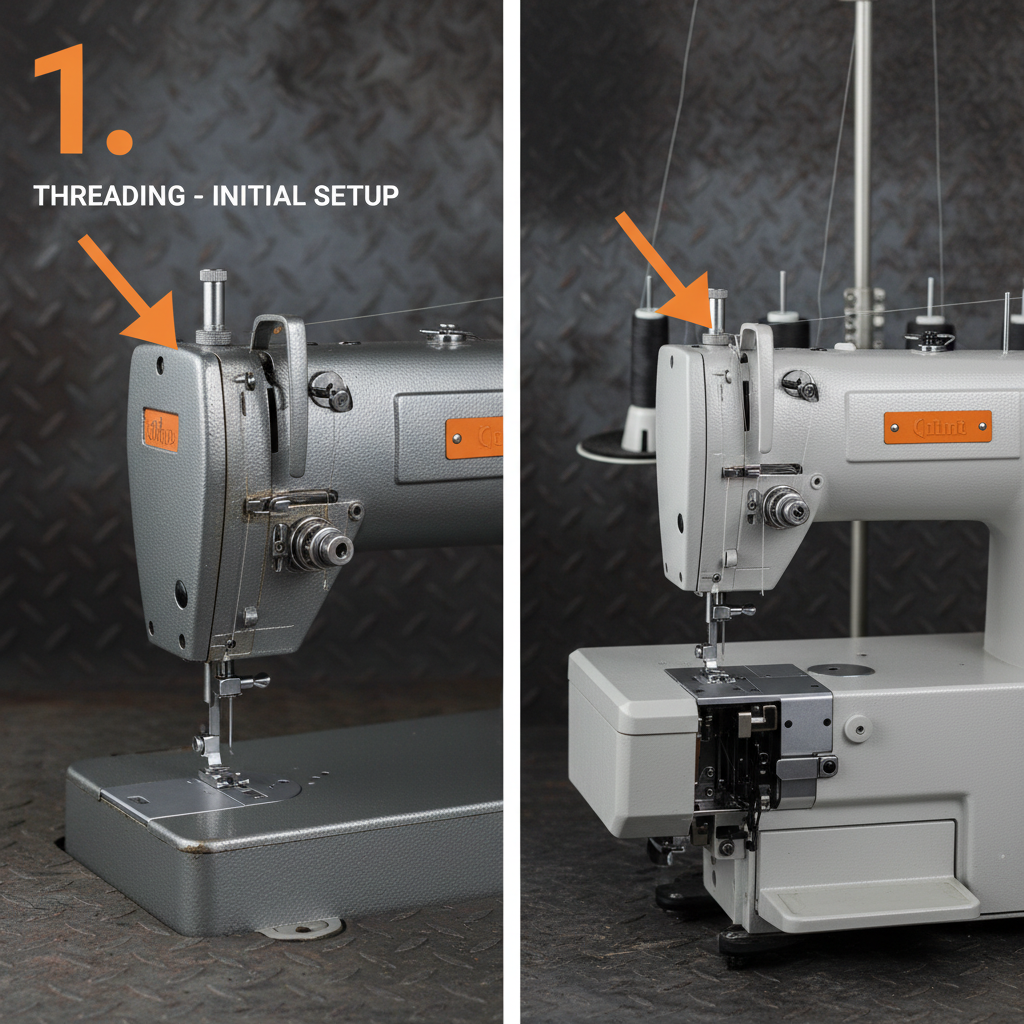 In the dynamic world of garment manufacturing and textile production, selecting the right machinery is crucial for efficiency, quality, and cost-effectiveness. Two essential machines in this process are the industrial sewing machine and the overlocker (also known as a serger). These machines serve distinct but complementary functions, and understanding their differences is key to optimizing your production workflow. This article will provide a comprehensive overview of both machines, their applications, and factors to consider when making a purchase from a trusted provider like Longsew. The industrial sewing machine is a workhorse of the textile industry. Designed for heavy-duty use and high-speed operation, it excels at creating strong, durable seams. These machines come in various types, each suited for specific fabrics and applications. From straight stitch machines for general sewing to specialized machines for quilting, leatherworking, or upholstery, there’s an industrial sewing machine for nearly every task. They are built for longevity and can withstand the demands of continuous production, making them a worthwhile investment for businesses of all sizes. An overlocker, or serger, performs a different but equally vital function. Unlike a standard sewing machine which primarily joins fabrics, an overlocker simultaneously sews a seam, trims excess fabric, and encases the raw edge to prevent fraying.Читать далее
 -
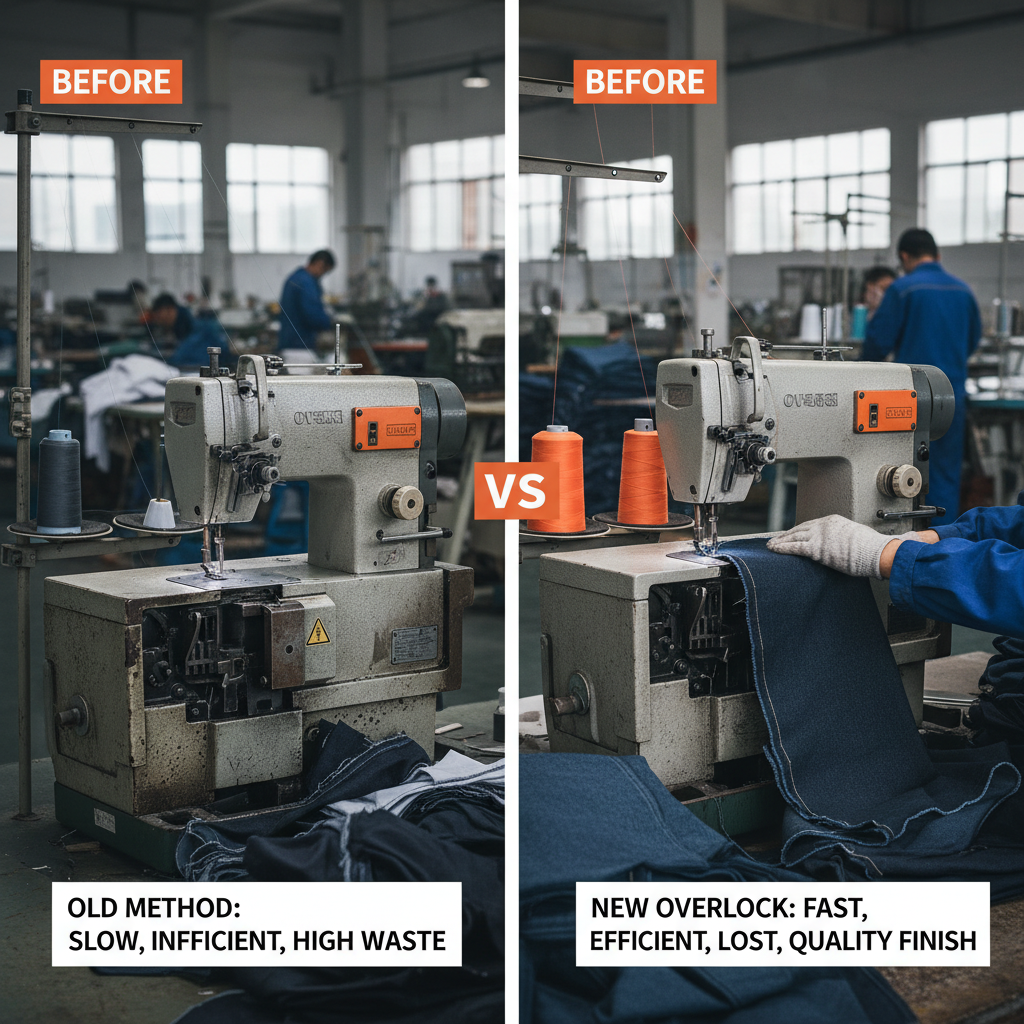 Investing in an overlock machine is crucial for any garment manufacturing or tailoring business. However, finding a reliable machine at a low price can be challenging. This article provides an in-depth guide to navigating the market, understanding your needs, and securing the best value for your investment. We will explore different types of overlock machines, key features to consider, and where to find affordable options from reputable suppliers like Longsew. An overlock machine, also known as a serger, is essential for finishing fabric edges, preventing unraveling, and creating professional-looking seams. It works by looping thread around the edge of the fabric, creating a clean and durable finish. These machines are indispensable for a variety of applications, from clothing construction to quilting and crafting. Different types of overlock machines cater to various needs. 3/4 thread overlock machines are commonly used for general sewing, while 5/6 thread machines are often preferred for heavier fabrics and more complex constructions. Choosing the right machine significantly impacts the quality and efficiency of your production.Читать далее
 -
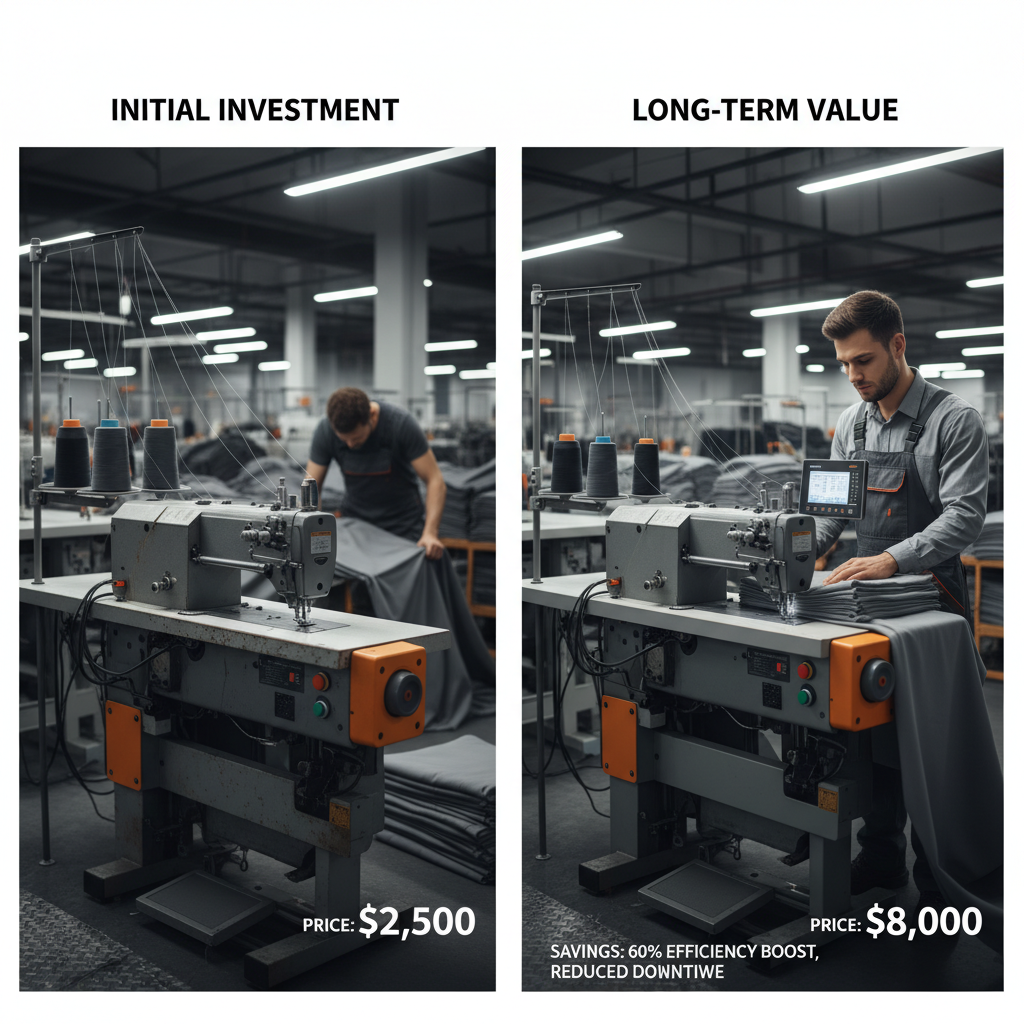 Investing in an industrial overlocker is a significant decision for any apparel or textile business. Understanding the factors that influence industrial overlocker prices is crucial to making an informed choice. This article will delve into the different types of overlockers, their features, pricing considerations, and how to find the best value for your needs. We'll cover everything from basic models to high-end machines, helping you navigate the market and secure the perfect overlocker for your production requirements. Industrial overlockers come in various configurations, each designed for specific applications. The most common types include 3-thread, 4-thread, 5-thread, and 6-thread overlockers. The number of threads directly impacts the stitch type, durability, and overall cost. Several factors contribute to the price of an industrial overlocker. Brand reputation, machine features, automation level, and manufacturing origin all play a role.Читать далее
 -
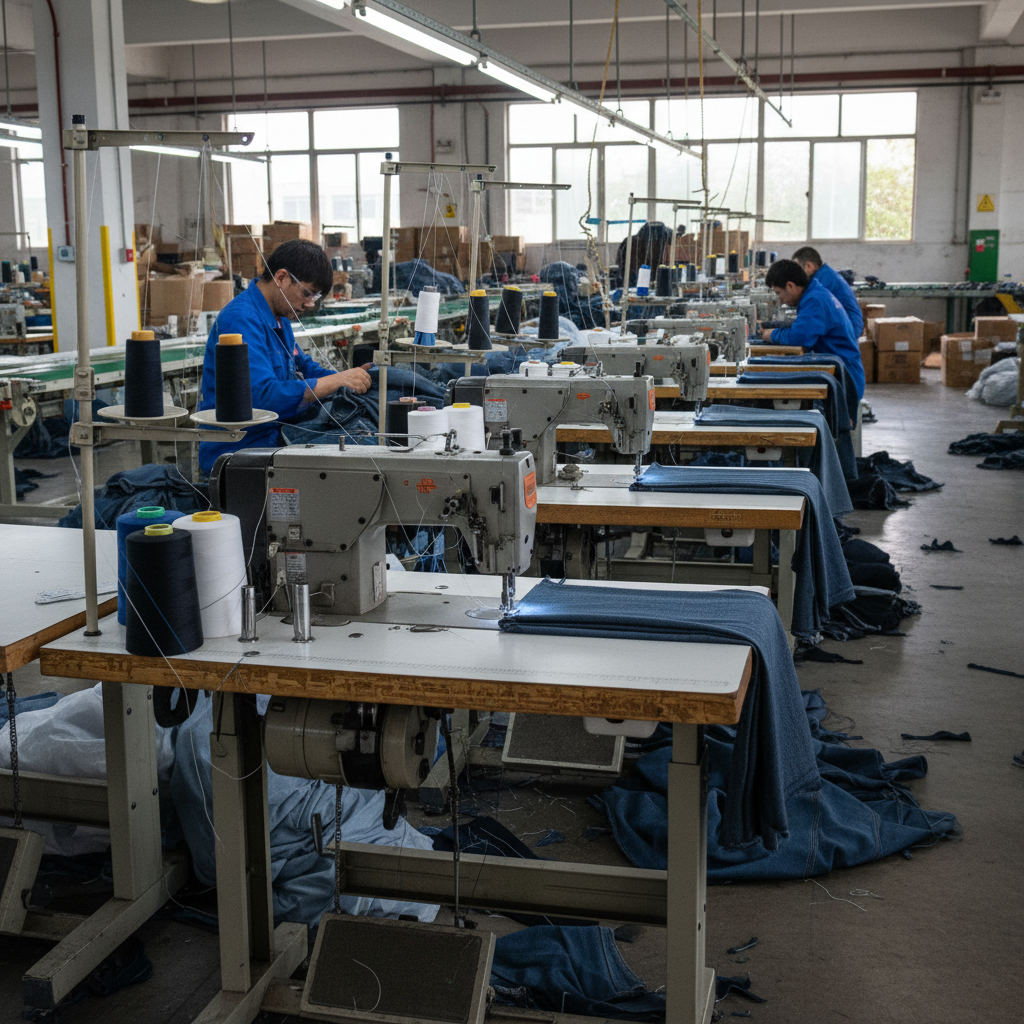 In the world of textile manufacturing, the industrial serger machine is an indispensable tool. Also known as overlock machines, these powerhouses are crucial for efficiently finishing fabric edges, preventing fraying, and creating professional-looking seams. This guide dives deep into the world of industrial sergers, covering their types, applications, benefits, and how to choose the right machine for your specific needs. Whether you’re starting a garment production line or upgrading existing equipment, understanding industrial sergers is vital. Industrial serger machines aren't simply about preventing fraying; they offer a versatile range of functionalities. They simultaneously cut, stitch, and overlock the edge of the fabric, creating a clean and durable finish in a single pass. This efficiency dramatically speeds up production compared to traditional methods.Читать далее
 -
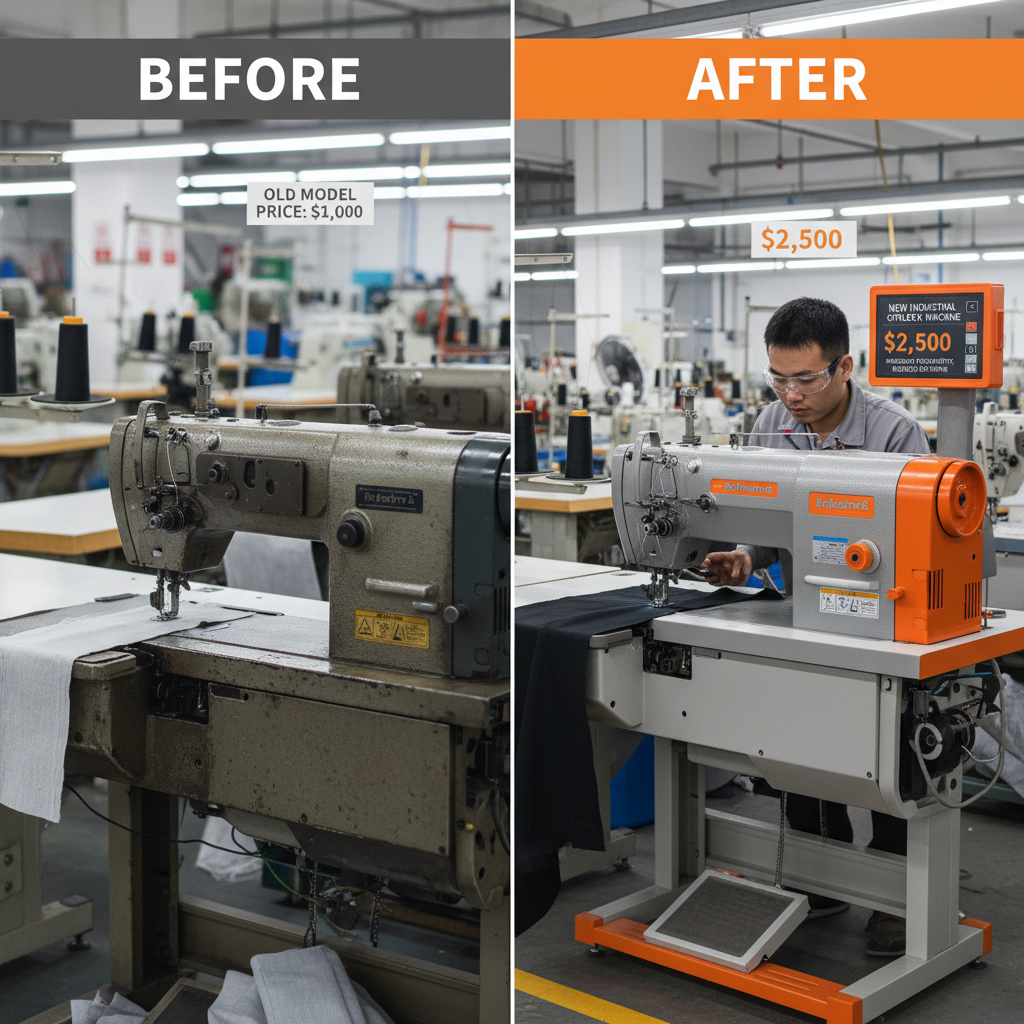 When investing in garment manufacturing, choosing the right industrial overlock machine is crucial. Understanding the industrial overlock machine price is just the first step. This guide provides a detailed overview of factors influencing cost, machine types, and where to find quality machines from a reliable source like Longsew. We will explore everything from basic models to high-performance options to help you make an informed decision. The price of an industrial overlock machine isn’t fixed. Several elements contribute to the overall cost. Machine Type is a primary factor, with more advanced models featuring automation and specialized capabilities commanding higher prices. Brand Reputation also plays a role; established brands with a history of quality and reliability often come with a premium. Features and Specifications such as the number of threads, stitch length adjustment, and automatic lubrication all impact the price. Finally, Supplier and Location can also influence costs – purchasing directly from a manufacturer like Longsew can often offer competitive pricing.Читать далее
 -
 In the fast-paced world of garment manufacturing and textile production, efficiency and quality are paramount. A high speed overlock sewing machine is a crucial component in achieving both. This article delves into the features, benefits, and considerations when selecting the right overlock machine for your specific needs. We’ll explore the key aspects to ensure you make an informed decision that optimizes your production process and delivers superior results. From understanding different machine types to analyzing performance metrics, this guide will equip you with the knowledge you need to choose the perfect machine for your business. A high speed overlock sewing machine, also known as a serger, is designed to simultaneously stitch a seam, trim excess fabric, and overcast the raw edge to prevent fraying. This makes it an essential tool for creating professional-looking garments and textiles. The “high speed” aspect refers to the machine's ability to execute these operations rapidly, significantly increasing production output. These machines are frequently utilized in industries such as apparel manufacturing, upholstery, and textile finishing.Читать далее

Компания Hebei LongSew Machinery Technology Co. Ltd. начинала свою деятельность как поставщик деталей для швейных машин. Сейчас у Longsew более двадцати лет опыта в поставках комплектных швейных машин.


КЛАССИФИКАЦИЯ
СВЯЗАТЬСЯ С НАМИ
-

No.368 North Youyi Street, город Шицзячжуан, провинция Хэбэй, Китай
-

-

Copyright © 2026 HEBEI LONGSEW MACHINERY TECHNOLOGY CO. LTD All Rights Reserved. Sitemap | Privacy Policy