

Mar . 26, 2026 01:55
Back to list
What Overlocker Should I Buy A Comprehensive Guide To Sergers
What Overlocker Should I Buy? A Comprehensive Guide
Choosing the right overlocker (also known as a serger) can dramatically improve the quality and efficiency of your sewing projects. With a wide variety of models available, selecting the best one for your needs can feel overwhelming. This guide will explore the key features, types, and considerations to help you determine which overlocker is right for you, whether you're a beginner or an experienced sewist. We’ll cover everything from basic models to more advanced machines, helping you make an informed decision and elevate your sewing game.
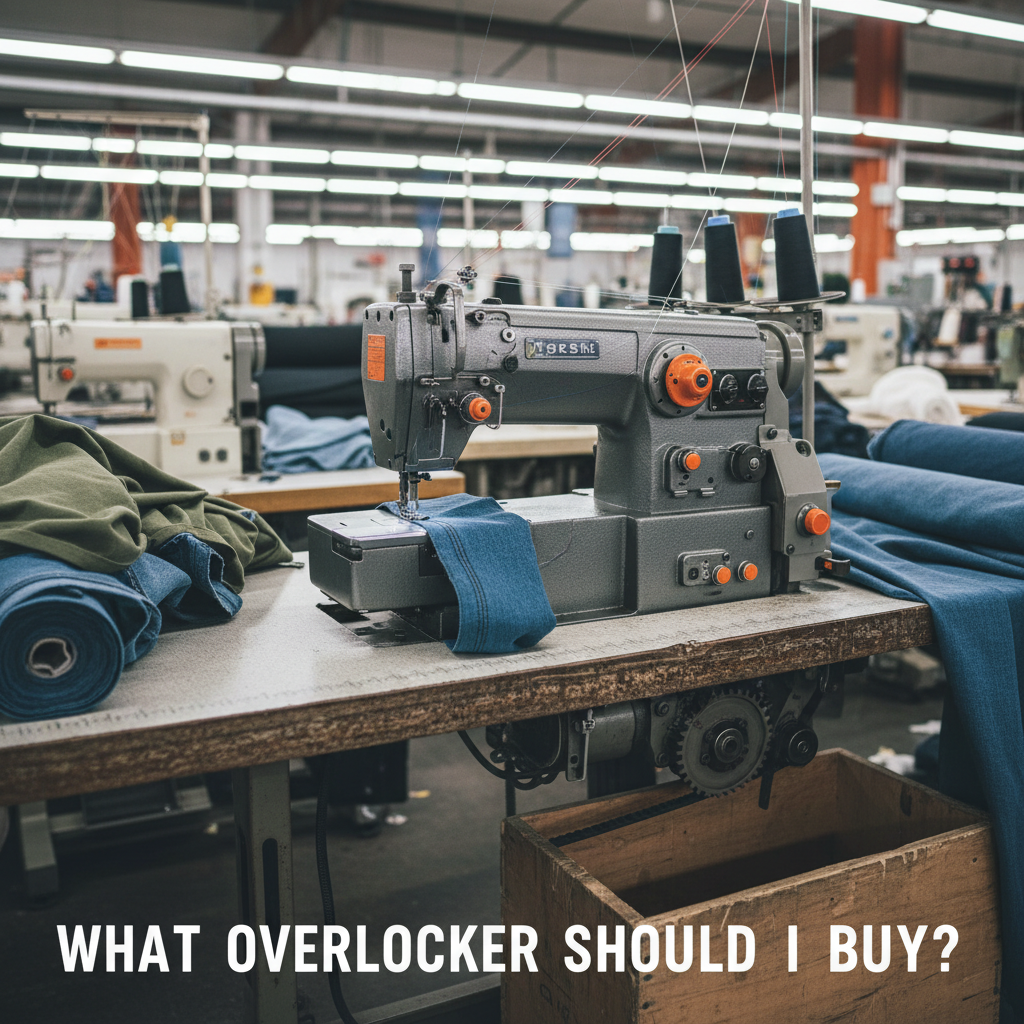
Understanding the Different Types of Overlockers
Overlockers come in several variations, each suited to different sewing tasks and budgets. The most common types include: standard 3/4 thread overlockers, coverstitch machines, and combo overlock/coverstitch machines. A 3/4 thread overlocker is ideal for finishing raw edges, preventing fraying, and creating professional-looking seams. Coverstitch machines are specialized for creating hems on knit fabrics, offering a professional stretch finish. Combo machines combine the functionality of both, providing versatility but often at a higher price point. Understanding these distinctions is the first step in finding the right machine for your needs.
Key Takeaway: Consider the types of projects you typically undertake. If you mostly work with woven fabrics, a 3/4 thread overlocker is a great starting point. For knits, a coverstitch machine is invaluable.
What Overlocker Should I Buy: Key Features to Consider
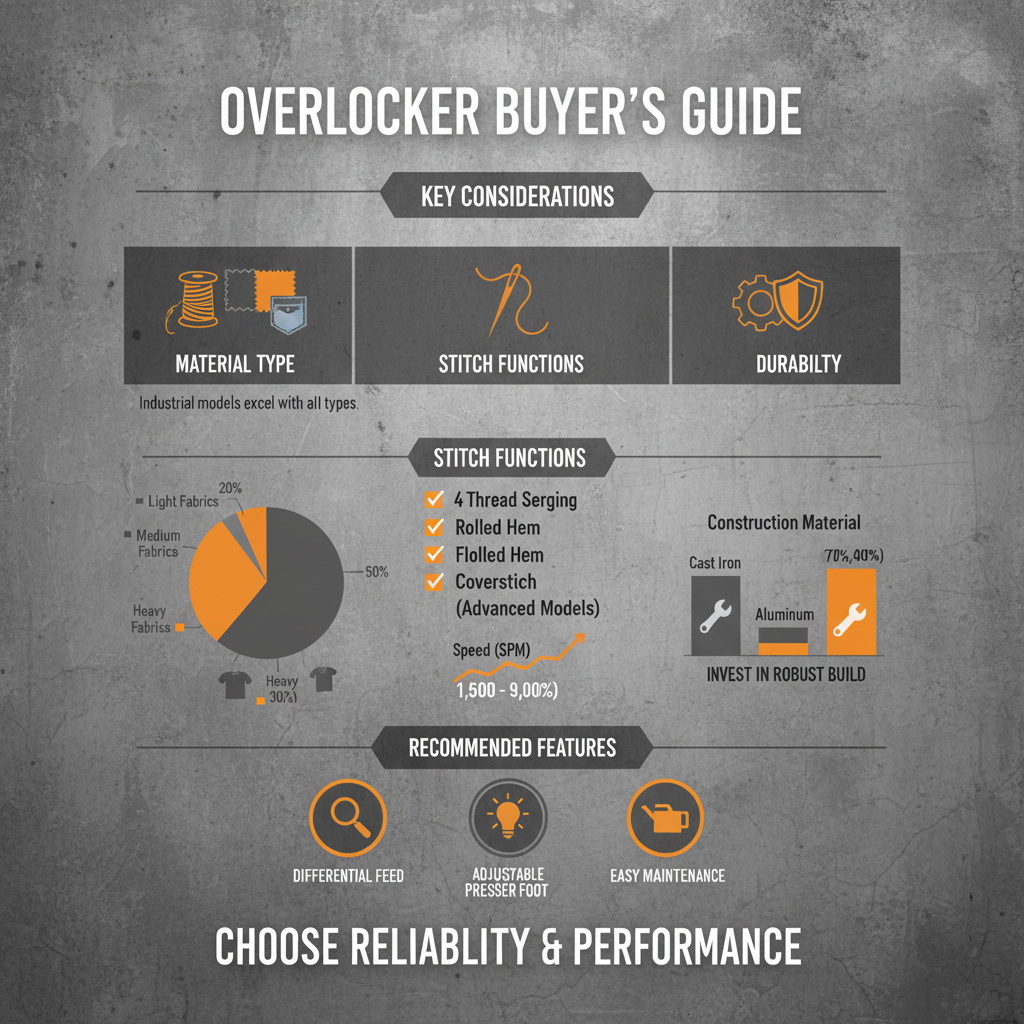
When evaluating overlockers, several features are crucial. These include: the number of threads (3/4/5/6), stitch width and length adjustment, differential feed, rolled hem capability, and ease of threading. Differential feed is especially important for preventing stretching or puckering in knit fabrics. A rolled hem feature allows you to create delicate, narrow hems. Finally, consider the machine's ease of threading – a well-designed threading system can save you significant time and frustration. Investing in a machine with these features will enhance your sewing experience and allow you to tackle a wider range of projects.
Essential Features:
• Differential Feed
• Adjustable Stitch Width & Length
• Rolled Hem Capability
• Easy Threading System
Comparing Popular Overlocker Models
To help you narrow down your options, here's a comparison of a few popular overlocker models. Prices are approximate and can vary depending on the retailer.
Budget Considerations: How Much Should You Spend?
The price of an overlocker can range from around $200 for a basic model to over $1000 for a high-end machine. Your budget will significantly influence your choices. Beginners might start with a more affordable 3/4 thread overlocker, while experienced sewers who tackle a variety of projects may benefit from investing in a more versatile and feature-rich machine. Don't forget to factor in the cost of accessories, such as extra blades, needles, and thread.
Final Thoughts: Finding the Perfect Overlocker for You
Choosing the right overlocker is a personal decision that depends on your individual needs and sewing style. By carefully considering the type of projects you'll be working on, the features that are important to you, and your budget, you can find a machine that will help you create professional-looking results. Explore the options available at Longsew and read reviews to gain further insights. Investing in a good overlocker is an investment in your sewing future!
Conclusion: Elevate Your Sewing with the Right Overlocker
An overlocker is an invaluable tool for any serious sewist. By understanding the different types, key features, and budget considerations, you can make an informed decision and choose a machine that will enhance your creativity and efficiency. Don't hesitate to research and compare models before making your purchase.
Frequently Asked Questions (FAQs)
What's the difference between an overlocker and a sewing machine?
While a sewing machine can create seams, an overlocker (serger) specializes in finishing raw edges to prevent fraying. It also simultaneously sews, trims, and overcasts the fabric, creating a professional and durable finish. Overlockers are particularly useful for knit fabrics, as they provide the necessary stretch and prevent unraveling. Sewing machines handle a wider range of tasks, including straight stitching, zigzag stitching, and buttonholes.
Is threading an overlocker difficult?
Threading an overlocker can be initially challenging, as it involves multiple threads. However, many modern overlockers feature color-coded threading guides and automatic threaders to simplify the process. Practice and patience are key. Refer to your machine's manual and watch online tutorials to learn the correct threading sequence. Once you've mastered it, threading becomes much easier and faster.
Can an overlocker be used for projects other than clothing?
Absolutely! Overlockers are versatile machines that can be used for a wide range of projects beyond clothing. They're excellent for finishing edges on home décor items like curtains, tablecloths, and pillowcases. They can also be used for creating rolled hems on napkins or scarves and for constructing bags and accessories. Their ability to quickly and neatly finish edges makes them a valuable tool for any sewing enthusiast.
How often should I change the blades of my overlocker?
The frequency of blade changes depends on the amount of fabric you're cutting and the type of fabric. As a general guideline, it's recommended to change the blades every 20-40 hours of sewing or when you notice skipped stitches or frayed edges. Dull blades can put stress on the machine and compromise the quality of your seams. Regularly inspecting and replacing the blades will ensure optimal performance.
Previous:
Latest news
-
Industrial Bag Sewing Machine Price and Comprehensive Buying GuideNewsApr.16,2026
-
Industrial Hand Held Bag Closer for Efficient Packaging SealingNewsApr.16,2026
-
Industrial Hand Held Bag Closer Sewing Machine for PackagingNewsApr.16,2026
-
Efficient Industrial Bag Closer Sewing Machine for PackagingNewsApr.16,2026
-
Industrial Sewing Guide for Choosing the Right Closer MachineNewsApr.16,2026
-
Guide to Capital Bag Closer Machine Price and Buying FactorsNewsApr.16,2026
-
Say goodbye to inefficient cutting! This heavy-duty webbing hot cutting machine redefines the new standard for industrial cuttingNewsApr.14,2026

Hebei LongSew Machinery Technology Co. Ltd is beginning as sewing machine parts supplier, now Longsew have over twenty years experience in complete set sewing machine offering.


CLASSIFICATION
CONTACT US
-

No.368 North Youyi Street, Shijiazhuang City, Hebei Province, China
-

-

Copyright © 2026 HEBEI LONGSEW MACHINERY TECHNOLOGY CO. LTD All Rights Reserved. Sitemap | Privacy Policy | Top Blog | Global Service