

Mar . 05, 2026 01:55
Back to list
What is an Overlock Sewing Machine A Comprehensive Guide to Sergers
What is an Overlock Sewing Machine? A Comprehensive Guide
An overlock sewing machine, also known as a serger, is a specialized sewing machine that creates a professional finish on fabric edges. Unlike a standard sewing machine which joins fabrics together, an overlock machine simultaneously sews, trims, and encases the raw edge of the fabric, preventing fraying and creating a clean, durable seam. This makes it ideal for garments, quilting, and various textile projects. Understanding how these machines work and their benefits is crucial for both hobbyists and professionals. Longsew offers a range of high-quality overlock machines designed to meet diverse needs.
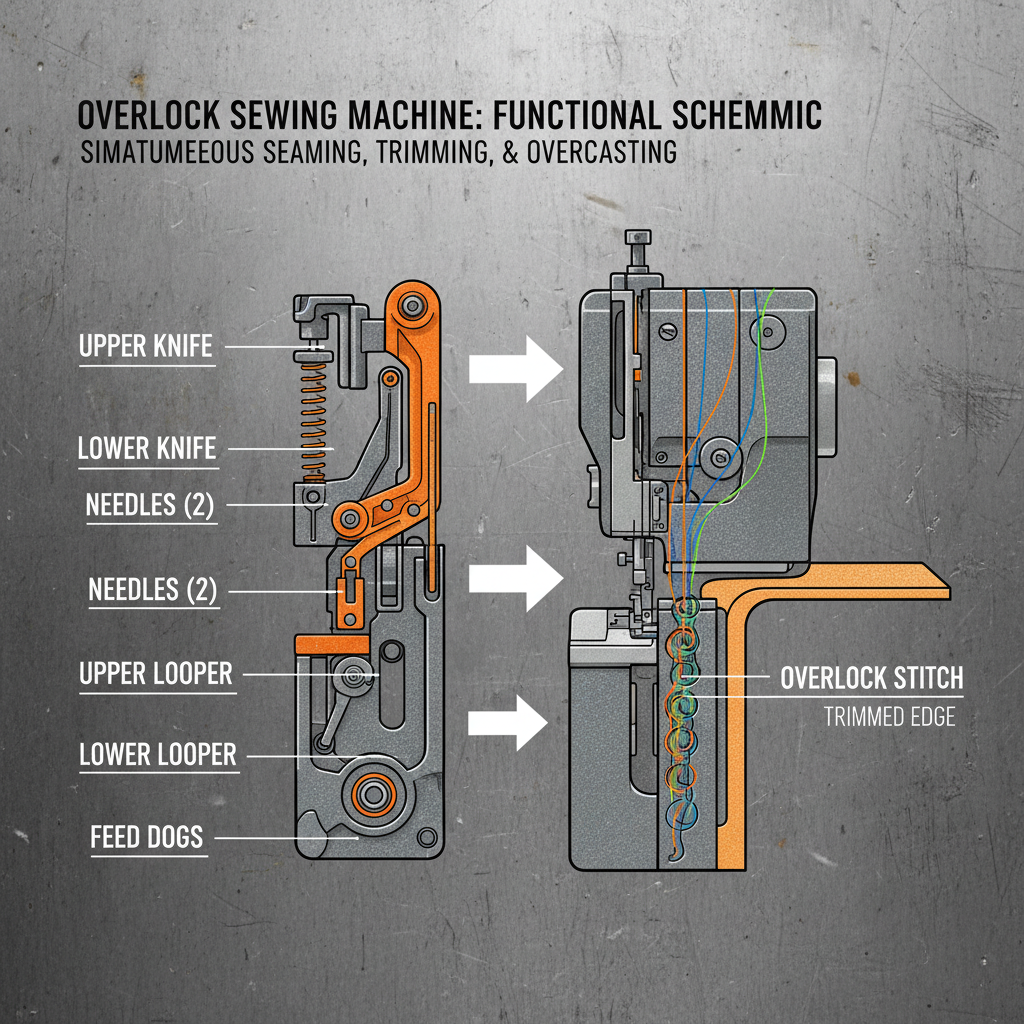
How Does an Overlock Machine Work?
The core function of an overlock machine revolves around loopers rather than a traditional needle. These loopers interlock threads around the fabric edge, creating a secure, overlocked stitch. Typically, an overlock machine utilizes multiple threads (3, 4, or 5) to achieve this. The machine simultaneously cuts off excess fabric with a built-in knife, resulting in a clean, finished edge. Different stitch types are created by adjusting the tension of the loopers and the feed dog settings. These machines are exceptionally efficient and produce seams that are far more durable and aesthetically pleasing than a standard zigzag stitch.
Key Benefit: An overlock stitch provides superior seam strength and prevents unraveling, enhancing the longevity of your projects.
What are the Different Types of Overlock Machines?
Overlock machines come in several varieties, each offering unique capabilities. The most common types include:
- 3-Thread Overlock: The most basic type, suitable for light to medium-weight fabrics. Primarily used for finishing edges.
- 4-Thread Overlock: Offers greater durability and is ideal for medium to heavy-weight fabrics. Creates a more secure seam.
- 5-Thread Overlock: Provides the strongest and most professional finish, often used in industrial settings. Includes a safety stitch.
- Coverstitch Machine: Creates a professional hem on knits and stretchy fabrics. Different from a traditional overlock.
Choosing the right type depends on the fabrics you'll be working with and the desired level of seam strength. Longsew’s diverse range caters to all these requirements.
Choosing the Right Machine: Consider the types of fabrics you'll be working with and the desired seam strength when selecting an overlock machine.
Overlock vs. Standard Sewing Machine: A Comparison
While a standard sewing machine can create a zigzag stitch to finish edges, it doesn't offer the same level of professionalism or durability as an overlock machine. The overlock machine's unique looping action creates a seam that stretches with the fabric, preventing unraveling and providing a polished look. Here's a direct comparison:
Applications of Overlock Sewing Machines
Overlock machines are essential in numerous applications, including:
- Garment Construction: Finishing seams on clothing items for a professional look.
- Quilting: Securing binding and creating decorative edges.
- Crafting: Creating finished edges on felt projects, blankets, and other crafts.
- Home Décor: Finishing curtains, pillowcases, and other home textile projects.
The ability to quickly and efficiently finish edges makes overlock machines invaluable for both large-scale production and individual projects. Longsew’s machines are built to handle these diverse demands.
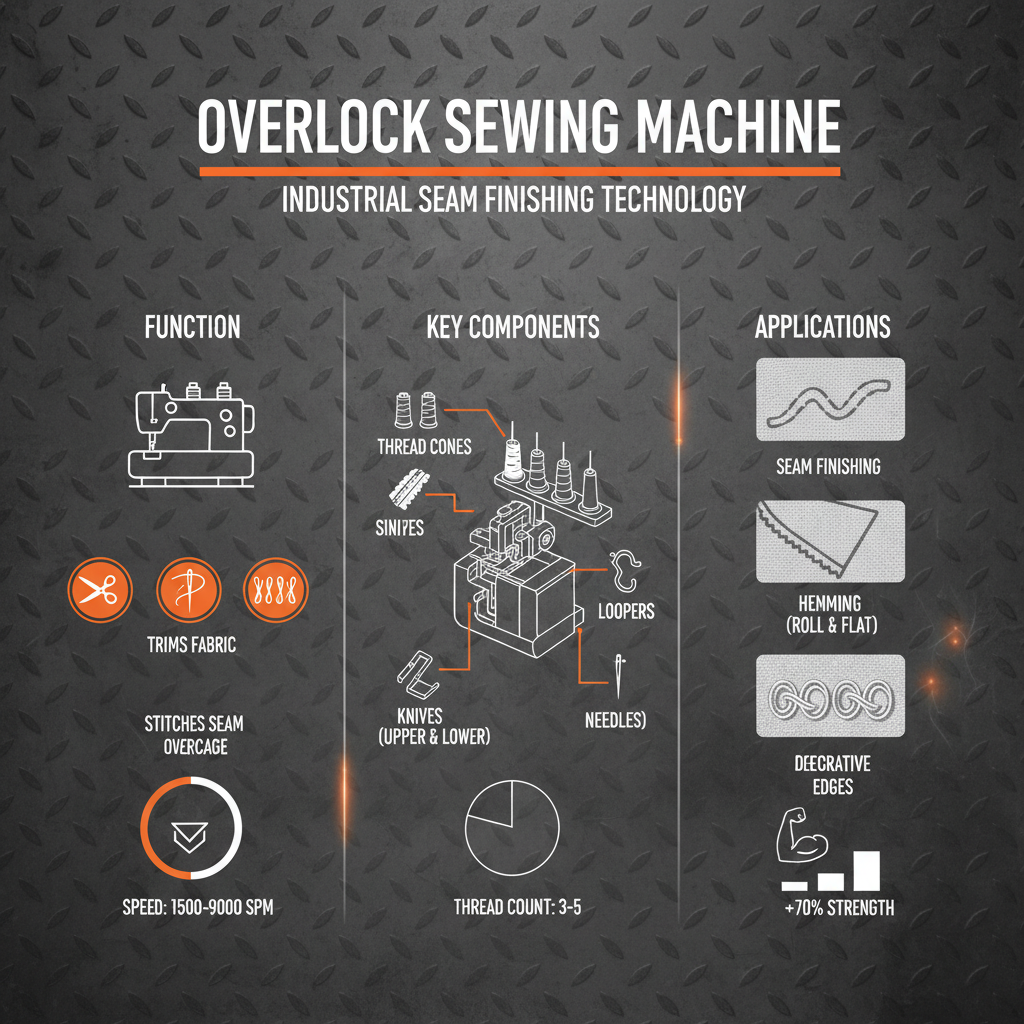
Choosing the Right Overlock Machine for Your Needs
Selecting the perfect overlock machine requires considering your project needs and budget. Features to look for include adjustable stitch length and width, automatic tension control, and differential feed. Longsew provides detailed product specifications and expert advice to help you make the right choice. Investing in a quality machine will save you time and frustration in the long run.
Conclusion: Elevate Your Sewing with an Overlock Machine
The overlock sewing machine is an indispensable tool for anyone serious about sewing. Its ability to create professional-looking, durable seams sets it apart from standard sewing machines. By understanding the different types and features available, you can choose the machine that best suits your needs and elevate the quality of your sewing projects. Don't settle for less – invest in an overlock machine and experience the difference!
Frequently Asked Questions (FAQs)
What fabrics can I use with an overlock machine?
Overlock machines are incredibly versatile and can handle a wide range of fabrics, from lightweight silks and chiffons to heavy-weight denims and upholstery fabrics. They are especially well-suited for knit fabrics, as the overlock stitch allows for stretch without breaking. However, some very thick or bulky fabrics may require a more powerful industrial machine. Always test a small scrap of fabric before starting your project to ensure proper stitch formation and tension.
How often should I oil my overlock machine?
Regular oiling is crucial for maintaining the smooth operation of your overlock machine. As a general guideline, oil it before each major project or every 8-10 hours of use. Refer to your machine's manual for specific oiling points and recommendations. Use a high-quality sewing machine oil and apply it sparingly to avoid buildup. Proper lubrication prevents friction, reduces wear and tear, and ensures optimal performance.
What is differential feed and how does it help?
Differential feed is a feature found on many overlock machines that allows you to adjust the speed at which the feed dogs move. This is particularly useful for working with stretchy fabrics. If the fabric is stretching out, you can lower the differential feed to prevent elongation. Conversely, if the fabric is puckering, you can increase the differential feed to smooth it out. This feature ensures even and professional-looking seams on challenging fabrics.
Where can I find replacement parts for my overlock machine?
Replacement parts, such as needles, loopers, and blades, can typically be found at sewing machine retailers, online marketplaces, and directly from the manufacturer. Longsew offers a comprehensive selection of replacement parts for its machines, ensuring you can keep your overlock machine running smoothly for years to come. Always use genuine replacement parts to maintain the quality and performance of your machine.
Latest news
-
Industrial Bag Sewing Machine Price and Comprehensive Buying GuideNewsApr.16,2026
-
Industrial Hand Held Bag Closer for Efficient Packaging SealingNewsApr.16,2026
-
Industrial Hand Held Bag Closer Sewing Machine for PackagingNewsApr.16,2026
-
Efficient Industrial Bag Closer Sewing Machine for PackagingNewsApr.16,2026
-
Industrial Sewing Guide for Choosing the Right Closer MachineNewsApr.16,2026
-
Guide to Capital Bag Closer Machine Price and Buying FactorsNewsApr.16,2026
-
Say goodbye to inefficient cutting! This heavy-duty webbing hot cutting machine redefines the new standard for industrial cuttingNewsApr.14,2026

Hebei LongSew Machinery Technology Co. Ltd is beginning as sewing machine parts supplier, now Longsew have over twenty years experience in complete set sewing machine offering.


CLASSIFICATION
CONTACT US
-

No.368 North Youyi Street, Shijiazhuang City, Hebei Province, China
-

-

Copyright © 2026 HEBEI LONGSEW MACHINERY TECHNOLOGY CO. LTD All Rights Reserved. Sitemap | Privacy Policy | Top Blog | Global Service