

Mar . 05, 2026 01:55
Back to list
Comprehensive Guide to Overlock Sewing Machine Price and Features
Understanding the Overlock Sewing Machine Price: A Comprehensive Guide
An overlock sewing machine is a crucial investment for garment manufacturers, tailors, and anyone involved in textile production. Determining the right machine involves understanding the factors that influence the overlock sewing machine price. This article will explore the various price points, features, and considerations to help you make an informed decision. We'll discuss everything from basic models for home use to industrial machines designed for high-volume production. Knowing what impacts the cost will empower you to find the perfect balance between budget and functionality.
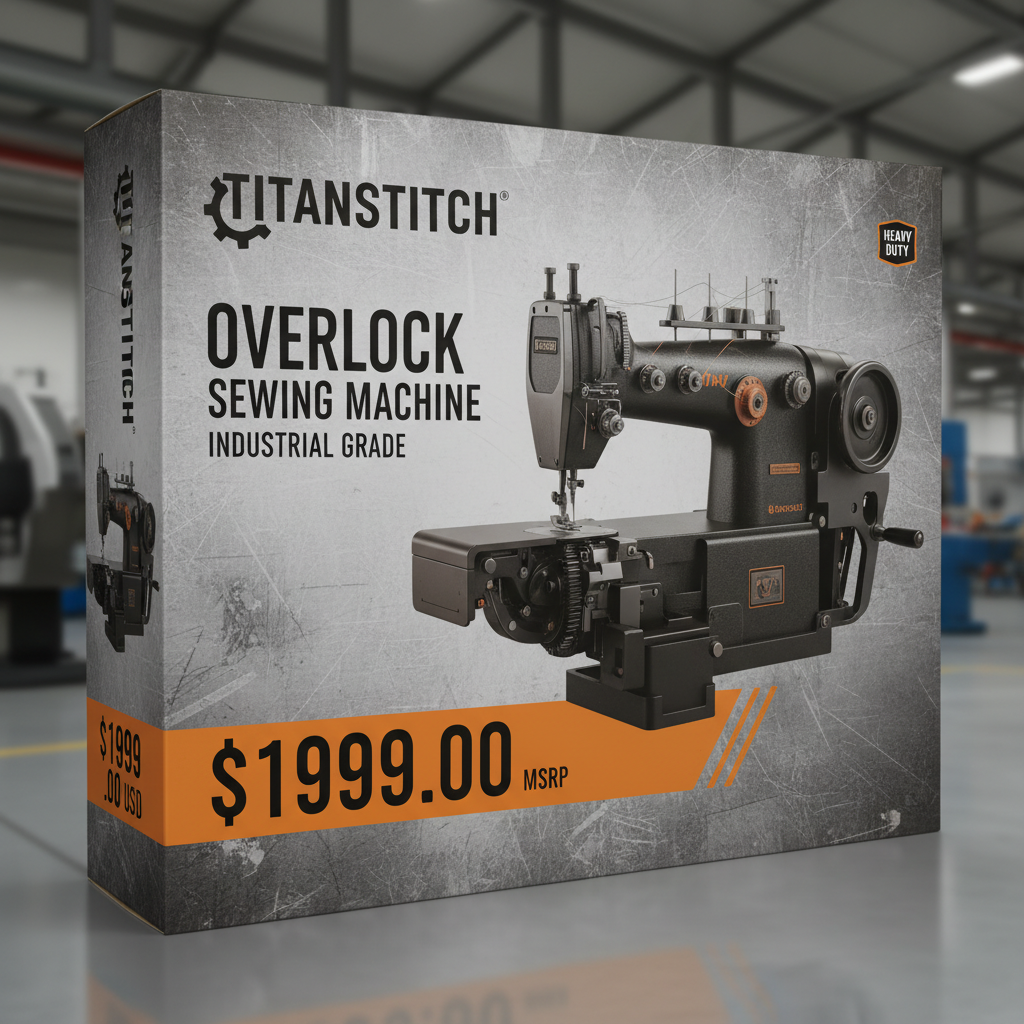
Factors Influencing Overlock Sewing Machine Price
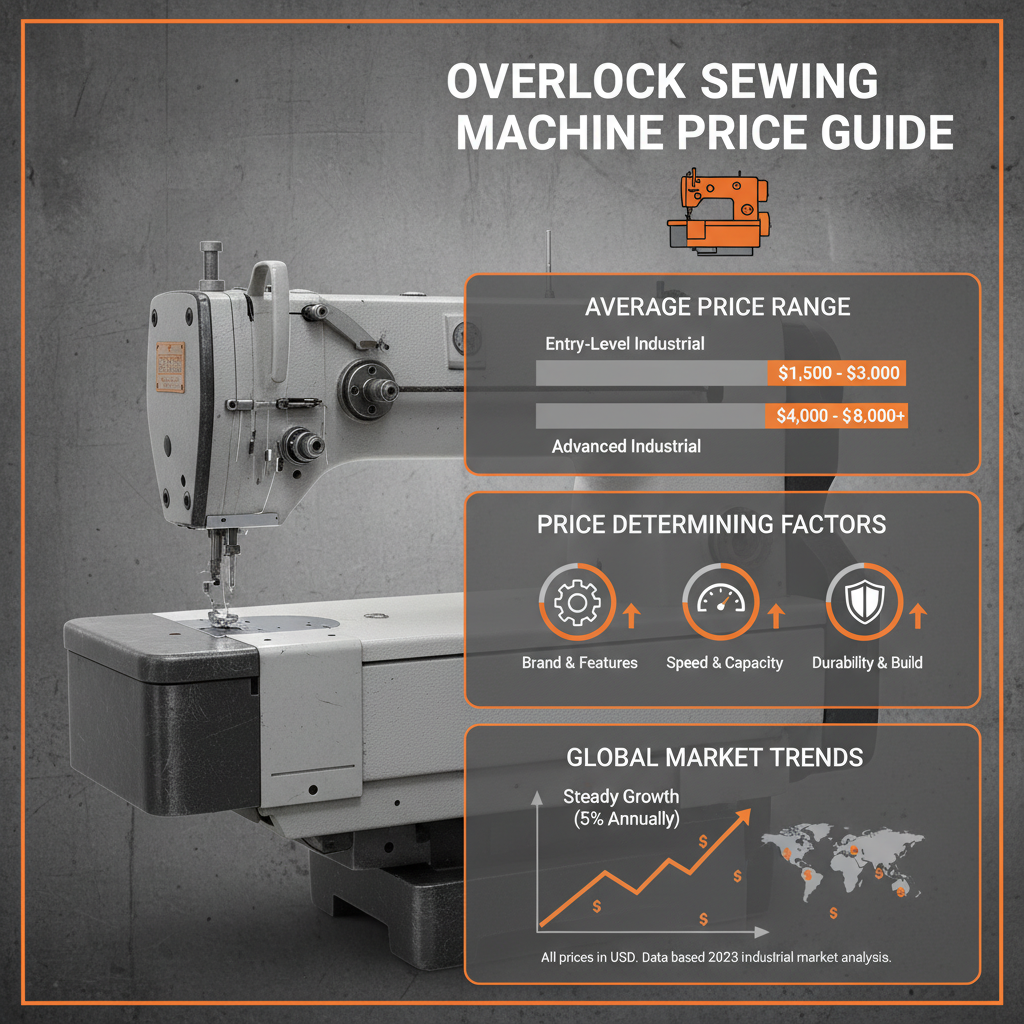
Several key factors dictate the overlock sewing machine price. These include the machine's type (domestic or industrial), the number of threads it handles, its automation level, brand reputation, and included features. Industrial overlock machines generally command a higher price due to their robust construction, higher speed, and ability to handle heavier fabrics. The number of threads (3, 4, 5, or 6) also impacts the cost, with more threads offering greater seam flexibility and higher price. Automation features, like automatic thread trimming and tension adjustment, add to the overall cost but can significantly improve efficiency. Longsew offers a range of overlock machines to cater to different needs and budgets.
Key Highlights: The overlock sewing machine price is significantly affected by the machine's construction, features, and intended use – domestic versus industrial.
Domestic vs. Industrial Overlock Machines: A Price Comparison
Domestic overlock machines are designed for home use and generally range in price from $200 to $800. These machines are typically lighter, more compact, and easier to use for beginners. Industrial overlock machines, on the other hand, are built for heavy-duty use in factories and workshops. Their prices range from $800 to $3,000 or even higher, depending on the features and brand. The durability, speed, and capacity to handle thicker fabrics justify the higher investment for professional applications. Choosing between a domestic and industrial machine depends on your production volume and fabric types. Longsew provides a variety of options for both home and industrial users.
Price Point Breakdown:
• Domestic Overlock Machines: $200 - $800
• Industrial Overlock Machines: $800 - $3,000+
Key Features and Their Impact on Overlock Sewing Machine Price
Certain features significantly influence the overlock sewing machine price. Automatic thread trimming saves time and reduces waste, adding $100-$300 to the cost. Differential feed allows for adjusting the fabric feed rate, preventing stretching or puckering, typically increasing the price by $50-$150. Adjustable stitch length and width provide more control over seam appearance and durability, and add around $50-$200. Machines with built-in LED lighting and digital displays also tend to be more expensive. Investing in these features can enhance productivity and the quality of your finished products. Longsew’s models offer various feature combinations to suit different budgets.
Brand Reputation and Warranty Considerations
Established brands like Longsew often command a higher overlock sewing machine price due to their proven reliability and quality. These brands typically offer comprehensive warranties and readily available support. A strong warranty provides peace of mind and protects your investment. It’s crucial to compare warranties across different brands and models before making a purchase. Consider the length of the warranty, what it covers, and the ease of making a claim. Cheap, unbranded machines may seem appealing, but they often lack the quality and support of established brands.
Making the Right Choice: A Summary
The overlock sewing machine price is influenced by a complex interplay of factors. Carefully consider your needs, budget, and the features that are most important to you. Whether you’re a home sewer or a large-scale manufacturer, understanding these factors will empower you to make an informed decision. Longsew offers a wide range of overlock machines to meet diverse requirements and provides expert guidance to help you select the perfect machine for your needs.
Conclusion: Investing in the Right Overlock Machine
Choosing the right overlock sewing machine is a significant investment. By carefully considering factors like your budget, production needs, and desired features, you can find a machine that delivers exceptional performance and value. Don’t hesitate to explore the options available at Longsew to find the perfect solution for your business.
Frequently Asked Questions (FAQs)
What is the average lifespan of an overlock sewing machine?
The lifespan of an overlock sewing machine varies depending on usage and maintenance. Domestic machines typically last 5-10 years with proper care, while industrial machines, with regular servicing, can last 10-20 years or even longer. Regular oiling, cleaning, and blade replacements are crucial for extending the machine's life. Ignoring maintenance can lead to premature wear and tear and ultimately reduce the machine’s lifespan. Choosing a reputable brand like Longsew ensures access to quality parts and support.
How often should I change the blades on my overlock machine?
The frequency of blade replacement depends on the fabric types you sew and the amount of use. As a general guideline, blades should be replaced every 20-40 hours of sewing time or when you notice skipped stitches or frayed edges. Using dull blades can damage the fabric and reduce the quality of your seams. Regularly inspecting the blades for wear and tear is essential. Longsew offers genuine replacement blades for all its machines.
What type of fabric is best suited for an overlock machine?
Overlock machines are incredibly versatile and can handle a wide range of fabrics, including knit fabrics, woven fabrics, and delicate materials like silk and chiffon. They excel at finishing raw edges to prevent fraying and creating professional-looking seams. However, very thick or heavy fabrics may require an industrial-grade machine with a more powerful motor. Always test a small scrap of fabric before sewing a full project to ensure the machine is properly adjusted.
What are the benefits of an automatic threader?
An automatic threader significantly speeds up the threading process, especially for multi-thread overlock machines. It reduces eye strain and frustration, making it easier to set up the machine for different projects. While machines with automatic threaders typically have a higher overlock sewing machine price, the time savings and convenience can be well worth the investment, particularly for those who frequently change thread colors or types.
Latest news
-
Industrial Bag Sewing Machine Price and Comprehensive Buying GuideNewsApr.16,2026
-
Industrial Hand Held Bag Closer for Efficient Packaging SealingNewsApr.16,2026
-
Industrial Hand Held Bag Closer Sewing Machine for PackagingNewsApr.16,2026
-
Efficient Industrial Bag Closer Sewing Machine for PackagingNewsApr.16,2026
-
Industrial Sewing Guide for Choosing the Right Closer MachineNewsApr.16,2026
-
Guide to Capital Bag Closer Machine Price and Buying FactorsNewsApr.16,2026
-
Say goodbye to inefficient cutting! This heavy-duty webbing hot cutting machine redefines the new standard for industrial cuttingNewsApr.14,2026

Hebei LongSew Machinery Technology Co. Ltd is beginning as sewing machine parts supplier, now Longsew have over twenty years experience in complete set sewing machine offering.


CLASSIFICATION
CONTACT US
-

No.368 North Youyi Street, Shijiazhuang City, Hebei Province, China
-

-

Copyright © 2026 HEBEI LONGSEW MACHINERY TECHNOLOGY CO. LTD All Rights Reserved. Sitemap | Privacy Policy | Top Blog | Global Service