

Apr . 16, 2026 02:05
Back to list
Industrial Bag Sewing Machine Price and Comprehensive Buying Guide
Industrial Bag Sewing Machine Price: A Comprehensive Buying Guide
Investing in a high-quality closure system is essential for any packaging operation. When researching the industrial bag sewing machine price, it is important to look beyond the initial cost and consider the long-term value, durability, and efficiency of the equipment. Whether you are sealing woven polypropylene bags, paper sacks, or heavy-duty canvas, the right machine ensures product integrity and operational speed. In this guide, we will break down the pricing factors, technical specifications, and how to choose the best value for your production line to maximize your return on investment.
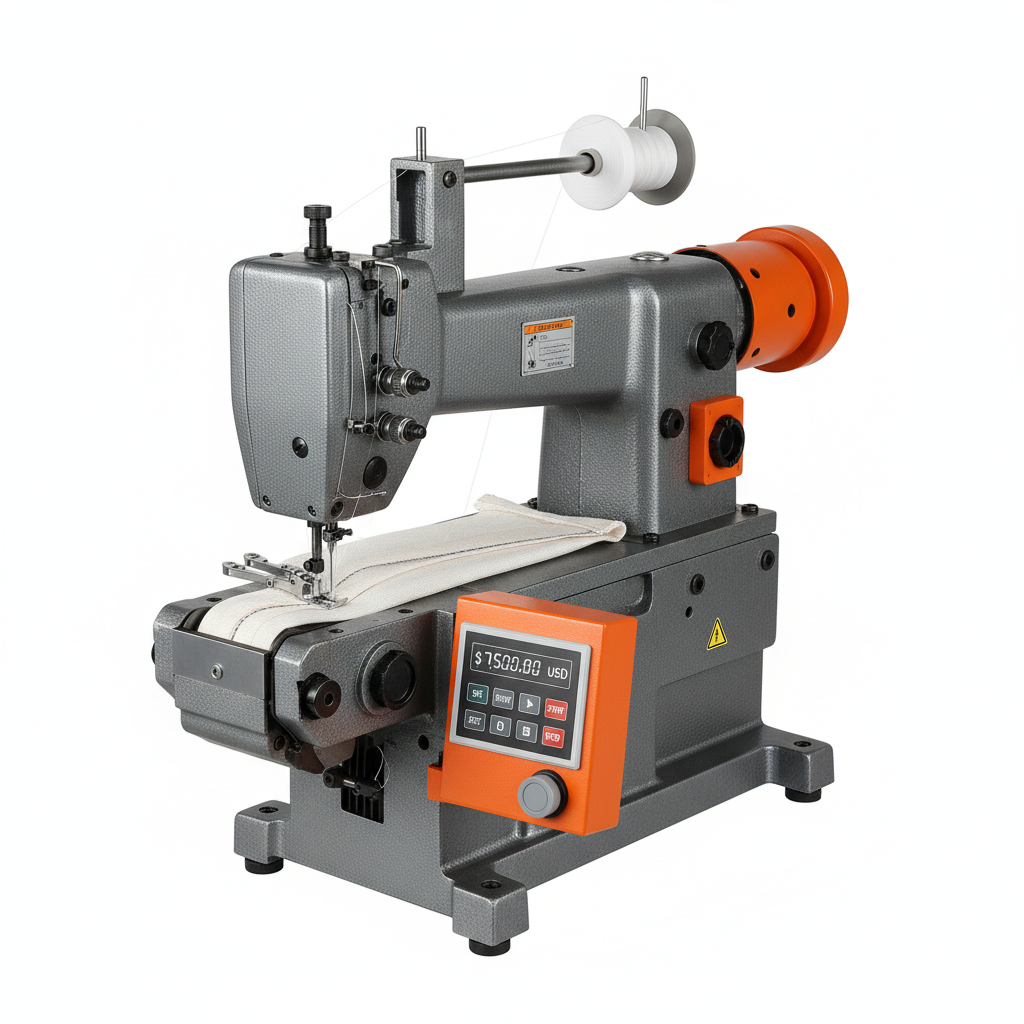
Factors That Influence the Industrial Bag Sewing Machine Price
Several variables determine the final cost of a bag closer. First, the motor power and efficiency play a huge role; brushless motors often cost more but offer higher longevity and lower energy consumption. Second, the build material—cast iron frames are more expensive than lightweight alloys but provide the stability needed for 24/7 industrial use. Additionally, the automation level significantly impacts the industrial bag sewing machine price, as fully automatic conveyor-mounted systems require complex sensors and PLC controls compared to portable handheld units.
Quick Tip: Always check if the price includes a starter kit (needles, thread, and oil), as buying these separately can add 5-10% to your initial setup cost.
Comparing Portable vs. Stationary Model Costs
Depending on your facility's layout, you may need a handheld machine or a fixed station. Portable machines are highly versatile and generally have a lower entry industrial bag sewing machine price, making them ideal for small batches or irregular bag sizes. Stationary machines, however, offer superior ergonomic support and higher speeds, reducing operator fatigue and increasing hourly output. The following table compares the typical investment levels and capabilities of these two primary categories.
Analyzing Industrial Bag Sewing Machine Price vs. Performance
When analyzing the industrial bag sewing machine price, it is vital to understand the "Price-Performance Curve." Lower-cost machines often utilize plastic components and lower-grade motors, which may lead to frequent downtime. In contrast, professional-grade machines incorporate reinforced steel and precision timing gears. This means while the initial cost is higher, the cost-per-bag decreases over time due to higher speed and fewer repairs. For businesses processing over 1,000 bags per day, the high-end industrial model usually pays for itself within the first six months.
Technical Specifications Affecting Long-term Value
To justify the industrial bag sewing machine price, you must examine the technical specs. A machine with a variable speed control allows you to adapt to different fabric thicknesses, preventing thread breakage. Lubrication systems also vary; automatic oiling systems are more expensive but prevent the premature wear of moving parts. Below are the standard specifications you should look for when evaluating a professional-grade bag sewing machine to ensure it meets industrial standards.
Maintenance Costs and the Total Cost of Ownership
When evaluating an industrial bag sewing machine price, a common mistake is ignoring the Total Cost of Ownership (TCO). TCO includes the purchase price plus the cost of consumables (thread, needles) and maintenance. High-quality machines are designed for easy access to the bobbin and needle bar, which reduces the time required for adjustments. A machine that costs 20% more upfront but requires 50% less downtime is the more economical choice for any serious manufacturer.
TCO Reduction Checklist:
• Invest in high-tensile polyester thread to reduce breakage
• Implement a weekly cleaning schedule for dust removal
• Use genuine manufacturer replacement parts for longevity
• Train operators on correct tension settings to avoid waste
How to Get the Best Value for Your Investment
To secure the best industrial bag sewing machine price, we recommend purchasing directly from reputable manufacturers or authorized distributors. This ensures you receive a genuine warranty and access to technical support. Additionally, bundling your order—purchasing multiple units or including a conveyor system—can often lead to significant wholesale discounts. Always ask for a demonstration or a sample sew using your actual packaging material to verify that the machine's performance justifies its price tag.
Conclusion: Optimizing Your Packaging Efficiency
Choosing the right equipment involves balancing the industrial bag sewing machine price with your specific production needs. While budget models are tempting, the reliability and speed of industrial-grade machinery offer a far superior return on investment for growing businesses. By focusing on technical specifications, total cost of ownership, and manufacturer reputation, you can ensure your packaging line remains efficient, durable, and cost-effective for years to come.
Frequently Asked Questions (FAQs)
Why is there such a wide range in industrial bag sewing machine prices?
The variation in price is primarily driven by the quality of internal components, the motor type, and the intended volume of production. Entry-level machines are designed for light-duty or intermittent use and utilize cheaper materials. In contrast, premium industrial machines are built for 24/7 operation, featuring heavy-duty cast iron components, precision-engineered timing, and advanced lubrication systems. Additionally, automation features, such as automatic thread cutting or conveyor integration, add to the cost but significantly increase production efficiency and reduce labor costs.
Are portable bag closers as durable as stationary ones?
Portable bag closers are designed for versatility and are surprisingly durable for their size, but they are not intended for the same extreme volumes as stationary machines. A portable unit is excellent for small to medium operations where bags are moved manually. However, stationary machines are engineered with more robust frames to handle the constant vibration of high-speed sewing. If your production exceeds a few hundred bags per day, a stationary unit is a better long-term investment in terms of durability and operator health.
How often should I replace the needles and thread?
Needle replacement depends entirely on the abrasive nature of your bags. For woven polypropylene, needles may need replacing every few days of heavy use to prevent fabric snagging. Thread should be replaced as the spool empties, but it is critical to use high-quality, industrial-grade polyester thread to avoid snapping. Regular replacement of consumables is a small cost that prevents expensive machine downtime. We recommend keeping a stock of needles and thread on hand to ensure your production line never stops due to a simple part failure.
Can I use one machine for different types of bag materials?
Yes, most industrial bag sewing machines are versatile, but you will need to adjust the tension and potentially the needle size depending on the material. For example, heavy canvas requires a thicker needle and higher tension than thin paper sacks. High-end models with adjustable stitch lengths and variable speed controls make this transition much easier. If you frequently switch between materials, investing in a machine with a wide range of adjustable settings will save you time and reduce material waste during the setup phase.
Latest news
-
Efficient Industrial Bag Closer Sewing Machine for PackagingNewsApr.16,2026
-
Industrial Hand Held Bag Closer Sewing Machine for PackagingNewsApr.16,2026
-
Industrial Hand Held Bag Closer for Efficient Packaging SealingNewsApr.16,2026
-
Industrial Sewing Guide for Choosing the Right Closer MachineNewsApr.16,2026
-
Guide to Capital Bag Closer Machine Price and Buying FactorsNewsApr.16,2026
-
Say goodbye to inefficient cutting! This heavy-duty webbing hot cutting machine redefines the new standard for industrial cuttingNewsApr.14,2026
-
LS300 Series Automatic Pattern Sewing Machine High-Efficiency Model for Safety Harness, Lifting Slings & Heavy-Duty WebbingNewsApr.10,2026

Hebei LongSew Machinery Technology Co. Ltd is beginning as sewing machine parts supplier, now Longsew have over twenty years experience in complete set sewing machine offering.


CLASSIFICATION
CONTACT US
-

No.368 North Youyi Street, Shijiazhuang City, Hebei Province, China
-

-

Copyright © 2026 HEBEI LONGSEW MACHINERY TECHNOLOGY CO. LTD All Rights Reserved. Sitemap | Privacy Policy | Top Blog | Global Service