

Feb . 11, 2026 02:05
Back to list
Unlock Sewing Efficiency with the Power of a Speed Shuttle Hook
Understanding the Power of a Speed Shuttle Hook: A Comprehensive Guide
In the fast-paced world of textile manufacturing and sewing, efficiency and precision are paramount. One component that significantly impacts these aspects is the speed shuttle hook. This seemingly small part plays a crucial role in loop formation, stitch quality, and overall sewing speed. This article delves into the intricacies of speed shuttle hooks, exploring their types, applications, benefits, and how to choose the right one for your industrial sewing needs. Understanding the nuances of this vital component can unlock significant improvements in your production processes.
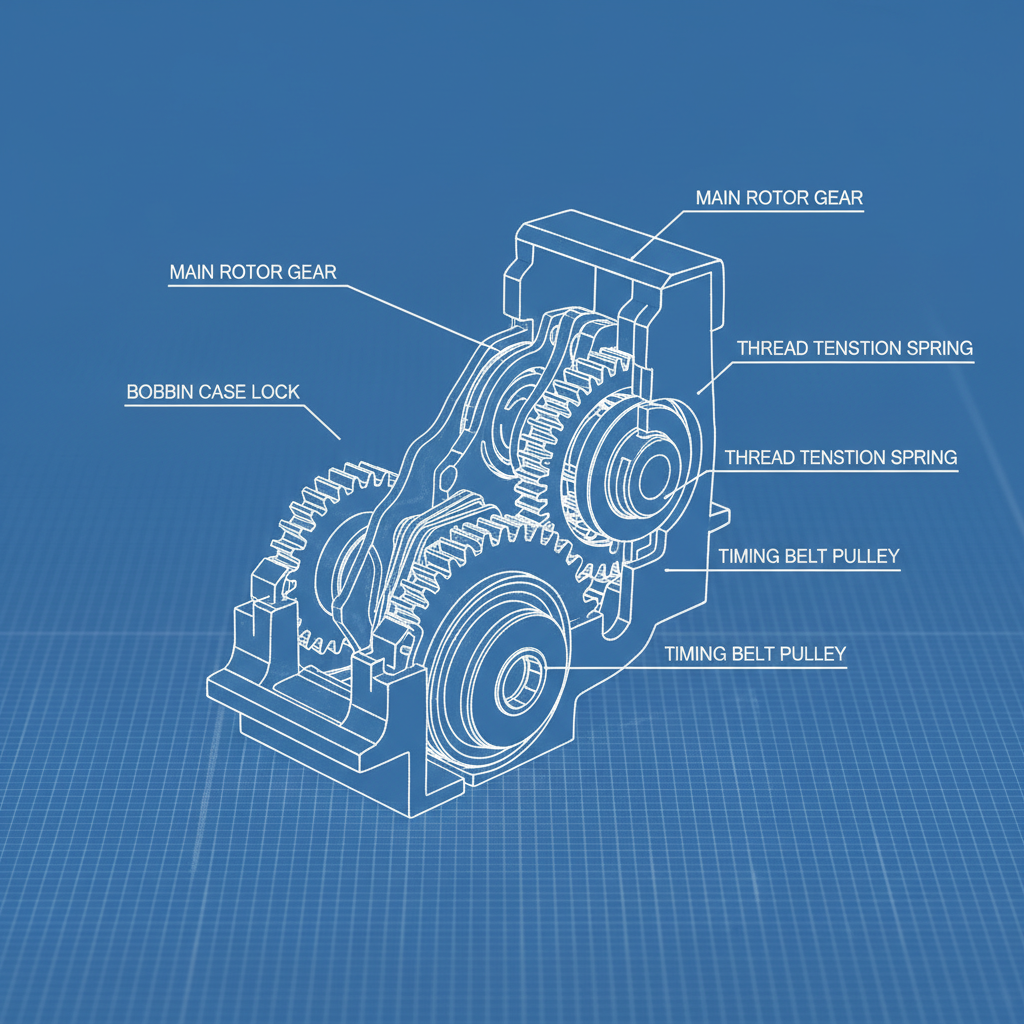
What is a Speed Shuttle Hook and Why is it Important?
A speed shuttle hook is a key component in lockstitch sewing machines, particularly those designed for high-speed applications. It's the part responsible for catching the loop formed by the needle thread and interlocking it with the bobbin thread, creating a secure stitch. Unlike traditional hooks, speed shuttle hooks are designed with a more streamlined profile and optimized geometry to minimize friction and maximize rotational speed. This translates directly into faster sewing speeds and increased production capacity. A well-maintained, high-quality speed shuttle hook ensures consistent stitch quality, reduces thread breakage, and minimizes machine downtime.
Key Benefits: Increased sewing speed, Improved stitch quality, Reduced thread breakage, Minimized machine downtime, Enhanced production efficiency.
Types of Speed Shuttle Hooks
Speed shuttle hooks aren't one-size-fits-all. Several types cater to different sewing machine models and applications. The most common types include: Standard Speed Shuttle Hooks, Japanese-Type Speed Shuttle Hooks, and German-Type Speed Shuttle Hooks. Each type has specific dimensional characteristics and performance attributes. The choice of hook depends on the sewing machine brand, the type of fabric being sewn, and the desired sewing speed. Understanding these differences is critical for ensuring compatibility and optimal performance. Longsew offers a wide variety of speed shuttle hooks to suit diverse needs.
Key Hook Types:
• Standard Speed Shuttle Hooks: Versatile and widely used.
• Japanese-Type Speed Shuttle Hooks: Known for high precision and speed.
• German-Type Speed Shuttle Hooks: Durable and suitable for heavy-duty applications.
Speed Shuttle Hook Comparison: Key Features and Performance
Choosing the right speed shuttle hook requires careful consideration of its features and performance characteristics. Here's a comparison of the major types:
Maintaining Your Speed Shuttle Hook for Optimal Performance
Regular maintenance is vital for maximizing the lifespan and performance of your speed shuttle hook. This includes frequent cleaning to remove lint and debris, proper lubrication to reduce friction, and periodic inspection for wear and tear. Replacing a worn hook proactively can prevent costly machine breakdowns and ensure consistent stitch quality. Longsew offers expert advice and genuine replacement parts to help you maintain your sewing machines effectively.
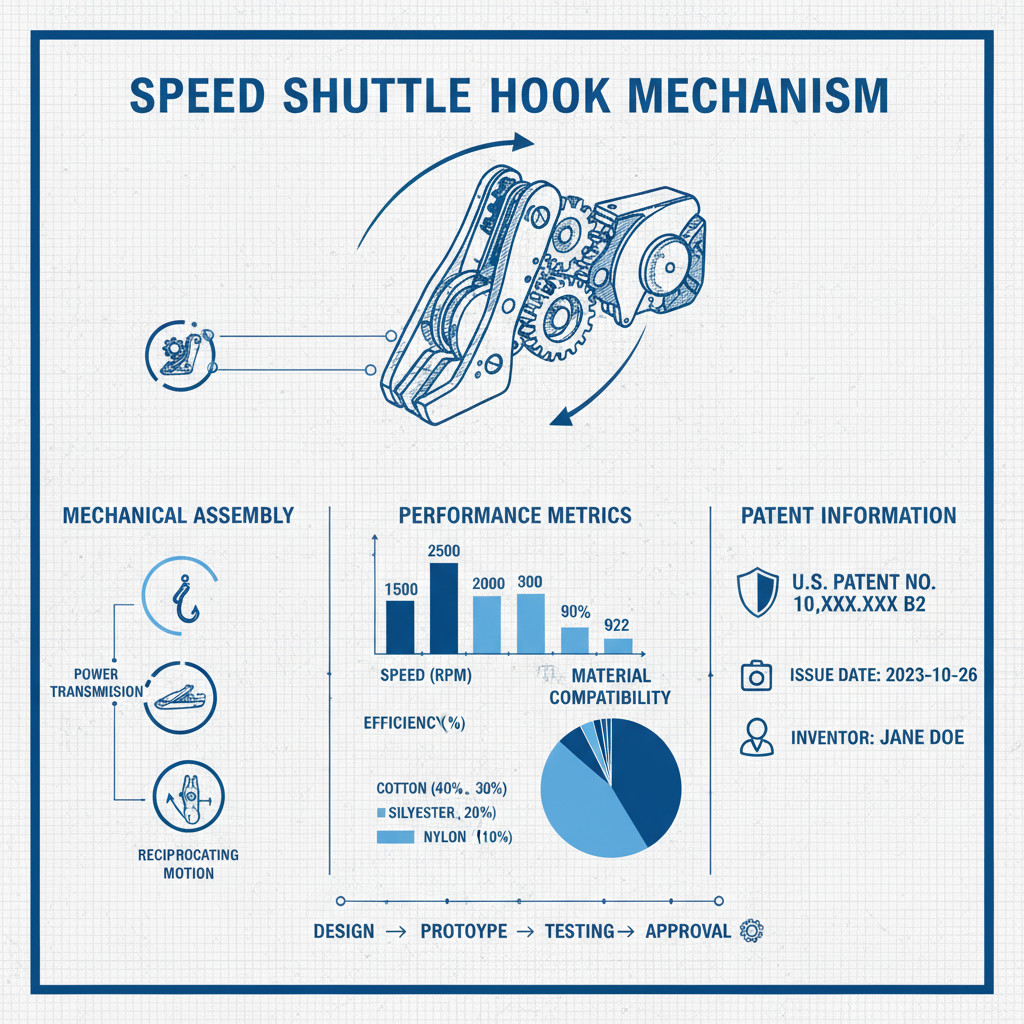
Conclusion: Investing in Quality Speed Shuttle Hooks
The Key to Efficient Sewing Lies with the Right Speed Shuttle Hook
Choosing the right speed shuttle hook is a critical investment for any textile manufacturer. By understanding the different types, their performance characteristics, and the importance of regular maintenance, you can optimize your sewing processes, improve stitch quality, and maximize productivity. Don't compromise on quality – choose reliable and durable hooks from a trusted supplier like Longsew.
Frequently Asked Questions (FAQs)
How often should I replace my speed shuttle hook?
The replacement frequency depends on usage intensity, material type, and hook quality. Generally, inspect the hook for wear (chips, roughness) every 6-12 months. If you sew through thick or abrasive materials regularly, more frequent checks are recommended. A visibly damaged hook should be replaced immediately to prevent further damage to the machine and ensure stitch quality. Preventative replacement before complete failure is often more cost-effective than dealing with machine downtime and potential repairs.
What causes premature wear on a speed shuttle hook?
Several factors can contribute to premature wear, including inadequate lubrication, sewing through abrasive materials without proper needle selection, incorrect timing of the hook and needle, and foreign objects (e.g., broken needles) entering the hook area. Regular cleaning, proper lubrication with recommended oils, using the correct needle type for the fabric, and ensuring accurate machine timing are crucial preventative measures.
Can a faulty speed shuttle hook cause skipped stitches?
Absolutely. A worn, damaged, or improperly timed speed shuttle hook is a common cause of skipped stitches. If the hook isn't properly catching the loop formed by the needle thread, the stitch won't fully form, resulting in skipped stitches. Other potential causes include incorrect thread tension and a dull needle, but the hook should be the first component to inspect when troubleshooting skipped stitch issues.
Where can I purchase high-quality speed shuttle hooks?
Longsew is a leading supplier of genuine, high-quality speed shuttle hooks. We offer a wide range of hooks compatible with various sewing machine models, ensuring optimal performance and durability. We also provide expert advice to help you select the right hook for your specific application.
Latest news
-
Industrial Bag Sewing Machine Price and Comprehensive Buying GuideNewsApr.16,2026
-
Industrial Hand Held Bag Closer for Efficient Packaging SealingNewsApr.16,2026
-
Industrial Hand Held Bag Closer Sewing Machine for PackagingNewsApr.16,2026
-
Efficient Industrial Bag Closer Sewing Machine for PackagingNewsApr.16,2026
-
Industrial Sewing Guide for Choosing the Right Closer MachineNewsApr.16,2026
-
Guide to Capital Bag Closer Machine Price and Buying FactorsNewsApr.16,2026
-
Say goodbye to inefficient cutting! This heavy-duty webbing hot cutting machine redefines the new standard for industrial cuttingNewsApr.14,2026

Hebei LongSew Machinery Technology Co. Ltd is beginning as sewing machine parts supplier, now Longsew have over twenty years experience in complete set sewing machine offering.


CLASSIFICATION
CONTACT US
-

No.368 North Youyi Street, Shijiazhuang City, Hebei Province, China
-

-

Copyright © 2026 HEBEI LONGSEW MACHINERY TECHNOLOGY CO. LTD All Rights Reserved. Sitemap | Privacy Policy | Top Blog | Global Service