

Feb . 11, 2026 02:05
Back to list
Mastering the Art of Stitching Thick Fabric A Comprehensive Guide to Techniques
Mastering the Art of Stitching Thick Fabric: A Comprehensive Guide
Working with thick fabrics can be challenging, demanding specialized techniques and equipment. Whether you’re a seasoned seamstress or just starting, achieving professional-looking results requires understanding the nuances of stitching thick fabric. This guide will cover everything from needle selection to thread choices and machine settings, helping you tackle even the most robust materials with confidence. We will explore how to prevent skipped stitches, broken needles, and ensure a durable, aesthetically pleasing finish. Longsew provides the specialized equipment needed to succeed.
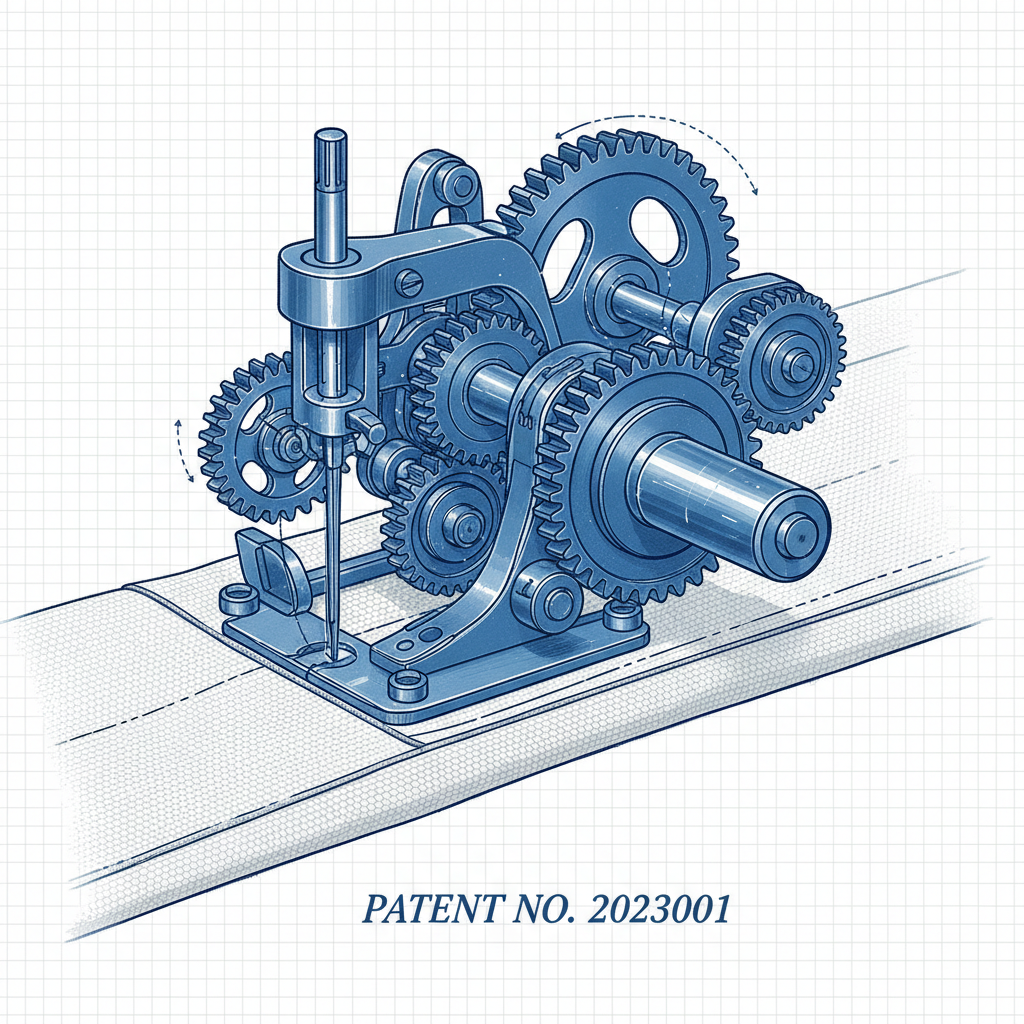
Choosing the Right Needle for Stitching Thick Fabric
The foundation of successful thick fabric sewing lies in selecting the correct needle. A standard needle will struggle to penetrate dense materials, leading to bent or broken needles and skipped stitches. Look for needles specifically designed for heavy-duty applications. Leather needles, denim needles, and even universal needles in larger sizes (14-18) are good starting points. The needle's point shape also matters; a wedge-shaped point is more effective at piercing dense fibers than a rounded point. Always test on a scrap piece of fabric to ensure the needle is appropriate. Longsew’s range of industrial needles can handle even the most demanding projects.
Key Takeaway: Selecting the right needle significantly impacts stitch quality and prevents damage to your sewing machine.
Thread Selection: Strength and Weight Matter
Just as important as the needle is the thread you choose. Thin thread will snap under the stress of sewing thick fabrics. Opt for heavier-weight threads like upholstery thread, topstitching thread, or even bonded nylon. These threads are designed to withstand greater tension and abrasion. Polyester threads are generally stronger and more durable than cotton threads for heavy-duty applications. Consider the color and finish of the thread to complement your fabric. A heavier thread ensures the seam remains strong even under significant stress.
Thread Strength Considerations:
• Upholstery thread: Extremely strong and durable.
• Topstitching thread: Designed for visible stitching and strength.
• Bonded Nylon: High tensile strength and resistance to abrasion.
• Polyester: Strong, durable, and resists shrinking.
Optimizing Your Sewing Machine Settings for Thick Fabric
Even with the right needle and thread, incorrect machine settings can lead to problems. Increase the stitch length slightly. A longer stitch allows the needle to better penetrate the fabric and reduces the risk of skipped stitches. Increase the presser foot pressure to ensure the fabric is firmly held in place. Reduce the sewing speed to give the machine more control. Experiment with different stitch types; a straight stitch is generally best, but a zigzag stitch can provide added strength and flexibility for certain applications. Longsew’s industrial machines offer precise control over all these settings.
Techniques for Stitching Thick Fabric: Walking Foot & Hand-Wheeling
For exceptionally thick or multiple layers of fabric, a walking foot is invaluable. A walking foot feeds both the top and bottom layers of fabric at the same rate, preventing shifting and puckering. Another helpful technique is hand-wheeling – manually turning the handwheel of your sewing machine to control the needle's descent, especially when starting and stopping seams or navigating tight curves. This gives you greater precision and prevents the machine from pulling or bunching the fabric. These techniques, coupled with the right equipment, will make tackling thick fabrics much easier.
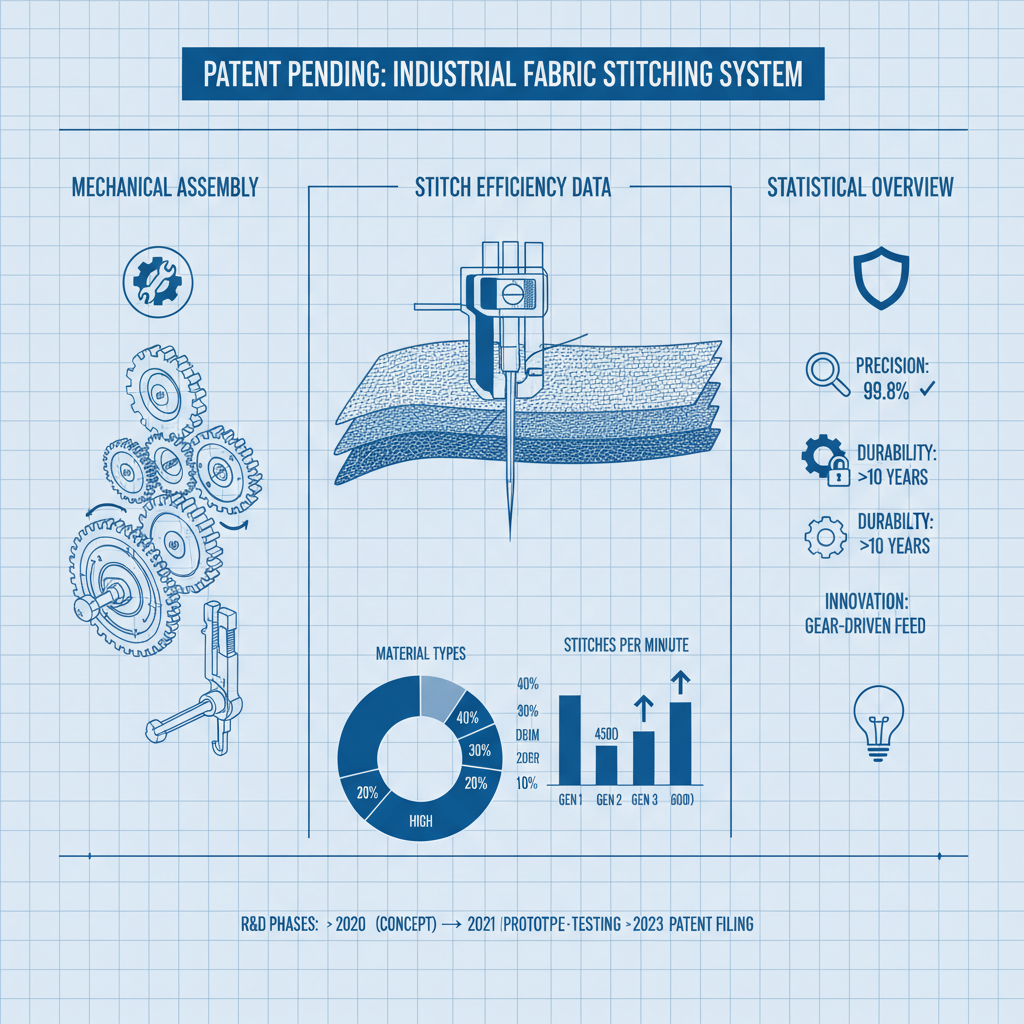
Preventing Problems: Troubleshooting Common Issues
Despite careful preparation, problems can arise. Skipped stitches often indicate an incorrect needle size or type, or improper threading. Broken needles usually point to excessive force or attempting to sew through fabric that’s too thick for the needle. Puckering can be caused by incorrect tension settings or uneven fabric feeding. If you encounter these issues, re-thread your machine, check the needle, adjust the tension, and slow down your sewing speed. A well-maintained sewing machine from Longsew will also minimize these challenges.
Conclusion: Embrace the Challenge of Thick Fabrics
Mastering the art of stitching thick fabric requires the right tools, techniques, and a little patience. By following the guidance in this article, you can confidently tackle any project, from upholstery to leatherwork, and achieve professional-quality results. Don't be afraid to experiment and find what works best for your specific fabric and machine.
Frequently Asked Questions (FAQs)
What type of sewing machine is best for stitching thick fabrics?
An industrial sewing machine is generally the best choice for consistently stitching thick fabrics. These machines offer more power, durability, and precise control over settings compared to domestic sewing machines. Look for models specifically designed for heavy-duty applications, such as those used for upholstery, leather, or canvas. Longsew offers a wide selection of industrial machines suitable for various thick fabric projects. However, a sturdy domestic machine with adjustable features can also be used for smaller projects.
How can I prevent skipped stitches when sewing thick fabric?
Skipped stitches are often caused by an incorrect needle size or type. Ensure you're using a needle designed for heavy-duty fabrics (e.g., leather, denim). Also, check that the needle is properly inserted and not bent or damaged. Increase the stitch length slightly and ensure the thread is correctly threaded through the machine. Reducing the sewing speed can also help. If problems persist, try a walking foot to ensure even fabric feeding.
What is a walking foot, and why is it helpful for thick fabrics?
A walking foot is a specialized presser foot that feeds both the top and bottom layers of fabric simultaneously. This prevents the top layer from stretching or shifting while you sew, which is a common problem when working with thick or multiple layers of fabric. It ensures even fabric feeding and results in straighter, more accurate seams. It's an essential tool for anyone who frequently sews with challenging materials. You can find walking feet compatible with various sewing machine models at Longsew.
Can I use a regular sewing machine to stitch through very thick materials like leather?
While it's possible to stitch through thinner leather with a heavy-duty domestic sewing machine, it's generally not recommended for consistently working with very thick materials. Leather requires significant power and a specialized needle and foot. Attempting to sew through thick leather on a regular machine can damage the machine and produce poor-quality stitches. An industrial leather sewing machine is designed to handle these tasks effectively and safely.
Latest news
-
Industrial Bag Sewing Machine Price and Comprehensive Buying GuideNewsApr.16,2026
-
Industrial Hand Held Bag Closer for Efficient Packaging SealingNewsApr.16,2026
-
Industrial Hand Held Bag Closer Sewing Machine for PackagingNewsApr.16,2026
-
Efficient Industrial Bag Closer Sewing Machine for PackagingNewsApr.16,2026
-
Industrial Sewing Guide for Choosing the Right Closer MachineNewsApr.16,2026
-
Guide to Capital Bag Closer Machine Price and Buying FactorsNewsApr.16,2026
-
Say goodbye to inefficient cutting! This heavy-duty webbing hot cutting machine redefines the new standard for industrial cuttingNewsApr.14,2026

Hebei LongSew Machinery Technology Co. Ltd is beginning as sewing machine parts supplier, now Longsew have over twenty years experience in complete set sewing machine offering.


CLASSIFICATION
CONTACT US
-

No.368 North Youyi Street, Shijiazhuang City, Hebei Province, China
-

-

Copyright © 2026 HEBEI LONGSEW MACHINERY TECHNOLOGY CO. LTD All Rights Reserved. Sitemap | Privacy Policy | Top Blog | Global Service