

Feb . 25, 2026 01:55
Back to list
Understanding Industrial Sewing Machines Straight Stitch and Zig Zag Capabilities
Understanding Industrial Sewing Machines: Straight Stitch and Zig Zag Capabilities
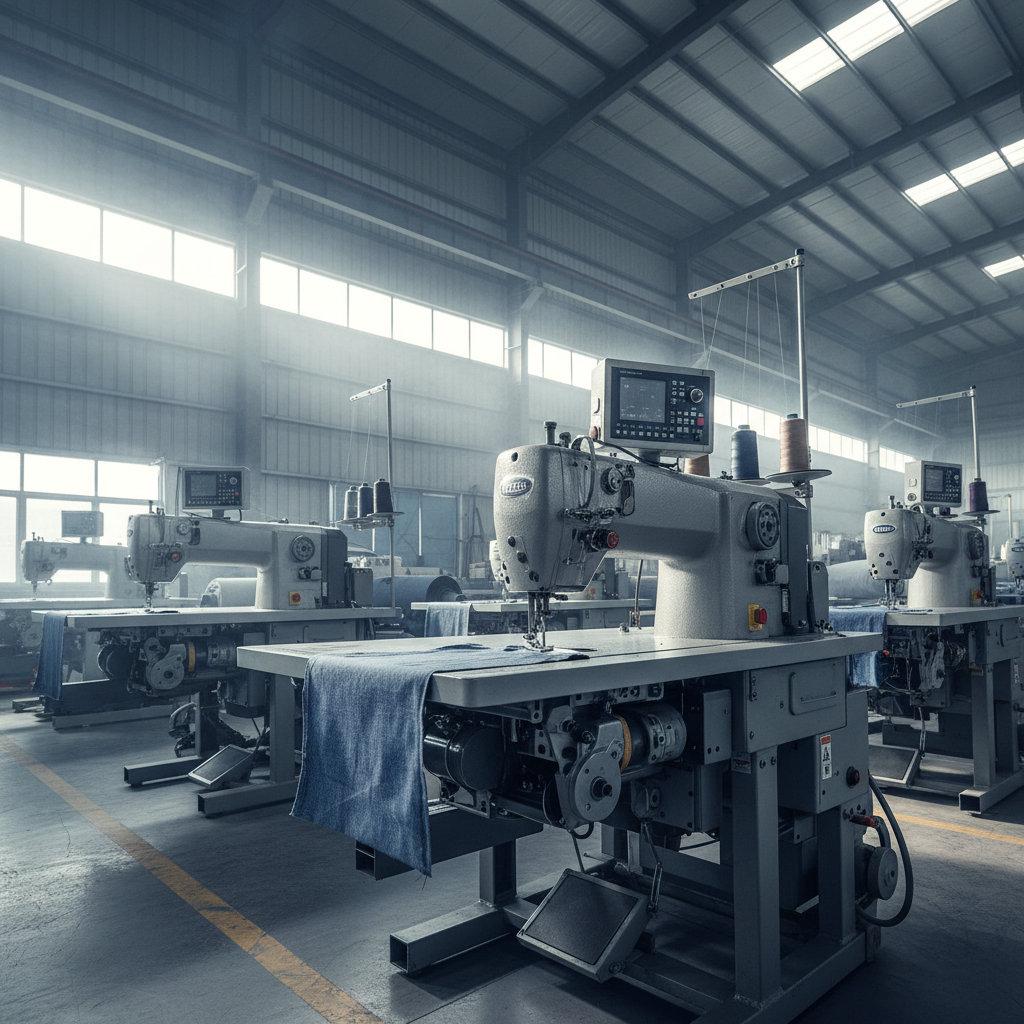
Industrial sewing machines are the backbone of numerous manufacturing processes, from garment production to automotive upholstery. Choosing the right machine depends heavily on the intended application. Two fundamental stitch types – straight stitch and zig zag – are essential, and many machines offer both. This article explores the differences, applications, and considerations when selecting an industrial sewing machine capable of both straight stitch and zig zag, providing valuable insights for businesses and seamstresses alike. Selecting the correct machine can significantly impact production efficiency and the quality of the finished product.
The Core Difference: Straight Stitch vs. Zig Zag Stitch
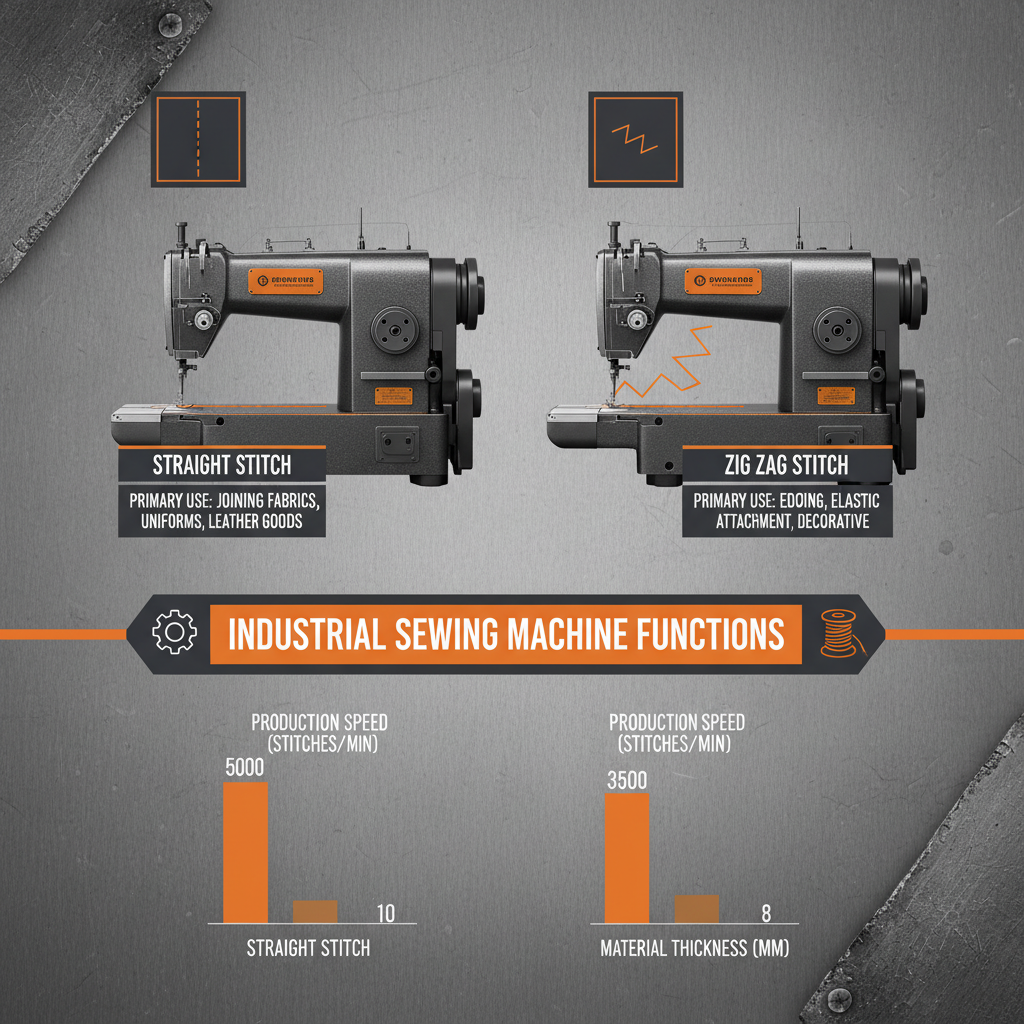
The primary distinction lies in the stitch formation. A straight stitch utilizes a single needle and creates a linear line of stitching. It’s known for its strength, efficiency, and clean finish. In contrast, a zig zag stitch employs a back-and-forth motion, forming a stitch that resembles a ‘Z’. This offers stretch, prevents fabric fraying, and is ideal for decorative applications. Many modern industrial machines can seamlessly switch between these two modes, providing versatility for a wider range of projects. The ability to switch between stitch types allows for greater flexibility in production and reduces the need for multiple machines.
Key Takeaway: Straight stitch provides strength and efficiency, while zig zag offers stretch and fray prevention.
Applications of Straight Stitch Industrial Sewing Machines
Straight stitch machines dominate industries requiring robust and consistent seams. They’re indispensable in garment manufacturing for joining fabric panels, creating durable closures, and constructing pockets. Beyond apparel, applications extend to leather goods (bags, belts), upholstery (furniture, automotive interiors), and even the production of technical textiles. The speed and reliability of straight stitch machines contribute to high-volume production capabilities. These machines are optimized for efficiency and precision, making them ideal for repetitive tasks.
Straight Stitch Applications:
• Garment Assembly (seams, closures)
• Leather Goods Manufacturing
• Upholstery (furniture, automotive)
• Technical Textile Production
Industrial Sewing Machine with Straight Stitch and Zig Zag: A Comparative Look
Machines offering both stitch types provide a broader range of capabilities. Zig zag stitch is crucial for finishing raw edges, creating buttonholes, applying stretch fabrics (like knits), and decorative stitching. While a dedicated straight stitch machine might be faster for specific tasks, a combo machine offers versatility. Selecting the best option depends on the variety of projects and production volume. Businesses handling diverse fabric types and designs will benefit significantly from the flexibility of a combined machine. Investing in a machine with both capabilities can reduce the need for multiple specialized machines.
Selecting the Right Machine: Key Considerations
When choosing an industrial sewing machine with both straight stitch and zig zag capabilities, consider factors like fabric weight, production volume, and budget. Features such as automatic thread trimming, adjustable stitch length, and presser foot options can enhance efficiency and versatility. Look for machines with robust construction and reliable motors for longevity. Longsew offers a diverse range of industrial sewing machines designed to meet various production needs, ensuring quality and durability. Consider the availability of spare parts and technical support as well – reliable service is crucial for minimizing downtime.
Conclusion: Optimizing Production with the Right Sewing Machine
Investing in the correct industrial sewing machine, capable of both straight stitch and zig zag, is a strategic decision that can significantly improve your production workflow and product quality. Longsew's commitment to innovation and reliability makes them a trusted partner for businesses of all sizes.
Frequently Asked Questions (FAQs)
What types of fabrics are best suited for zig zag stitching?
Zig zag stitching excels with knit fabrics, stretch denim, and any material prone to fraying. The zig zag stitch allows the fabric to stretch without breaking the seam. It's also ideal for finishing raw edges, preventing unraveling and creating a more professional finish. For woven fabrics, a zig zag stitch can be used for decorative purposes or when a slightly flexible seam is required. Selecting the appropriate needle and thread weight is also essential for optimal results with different fabric types.
How often should I perform maintenance on my industrial sewing machine?
Regular maintenance is crucial for maintaining optimal performance. Daily tasks include cleaning lint from the bobbin area and oiling key components. Weekly maintenance should include a more thorough cleaning, checking the needle and hook for damage, and lubricating all moving parts. Annual professional servicing by a qualified technician is highly recommended to ensure all components are functioning correctly and to prevent major breakdowns. Following the manufacturer's guidelines is essential for proper maintenance.
What are the key differences between home sewing machines and industrial sewing machines?
Industrial sewing machines are built for heavy-duty, high-volume production. They feature more powerful motors, faster sewing speeds, and more robust construction than home sewing machines. They are typically designed for specific tasks, like straight stitching or zig zagging, and lack the wide range of features found on home machines. Industrial machines are also more expensive and require more specialized training to operate and maintain. Longsew's industrial machines are designed for superior performance and durability.
What factors determine the stitch quality of an industrial sewing machine?
Several factors influence stitch quality. The correct needle type and size for the fabric are paramount. Proper tension settings for both the upper and lower threads are crucial. The quality of the thread itself also plays a significant role. Regular maintenance, including cleaning and lubrication, ensures smooth operation and consistent stitch formation. Finally, the operator’s skill and technique are essential for achieving a high-quality finish.
Latest news
-
Industrial Bag Sewing Machine Price and Comprehensive Buying GuideNewsApr.16,2026
-
Industrial Hand Held Bag Closer for Efficient Packaging SealingNewsApr.16,2026
-
Industrial Hand Held Bag Closer Sewing Machine for PackagingNewsApr.16,2026
-
Efficient Industrial Bag Closer Sewing Machine for PackagingNewsApr.16,2026
-
Industrial Sewing Guide for Choosing the Right Closer MachineNewsApr.16,2026
-
Guide to Capital Bag Closer Machine Price and Buying FactorsNewsApr.16,2026
-
Say goodbye to inefficient cutting! This heavy-duty webbing hot cutting machine redefines the new standard for industrial cuttingNewsApr.14,2026

Hebei LongSew Machinery Technology Co. Ltd is beginning as sewing machine parts supplier, now Longsew have over twenty years experience in complete set sewing machine offering.


CLASSIFICATION
CONTACT US
-

No.368 North Youyi Street, Shijiazhuang City, Hebei Province, China
-

-

Copyright © 2026 HEBEI LONGSEW MACHINERY TECHNOLOGY CO. LTD All Rights Reserved. Sitemap | Privacy Policy | Top Blog | Global Service