

Mar . 31, 2026 01:55
Back to list
The Essential Guide to One Needle Sewing Machine Applications and Features
Understanding the Power of a One Needle Sewing Machine
In the world of garment manufacturing and textile production, efficiency and precision are paramount. A one needle sewing machine is a cornerstone of this industry, offering a versatile solution for a vast range of applications. This article will explore the features, benefits, applications, and considerations when choosing the right one needle sewing machine for your specific needs. From basic stitching to complex designs, a quality machine can significantly impact productivity and the overall quality of finished products. We’ll delve into how Longsew machines meet these demands.
What is a One Needle Sewing Machine?
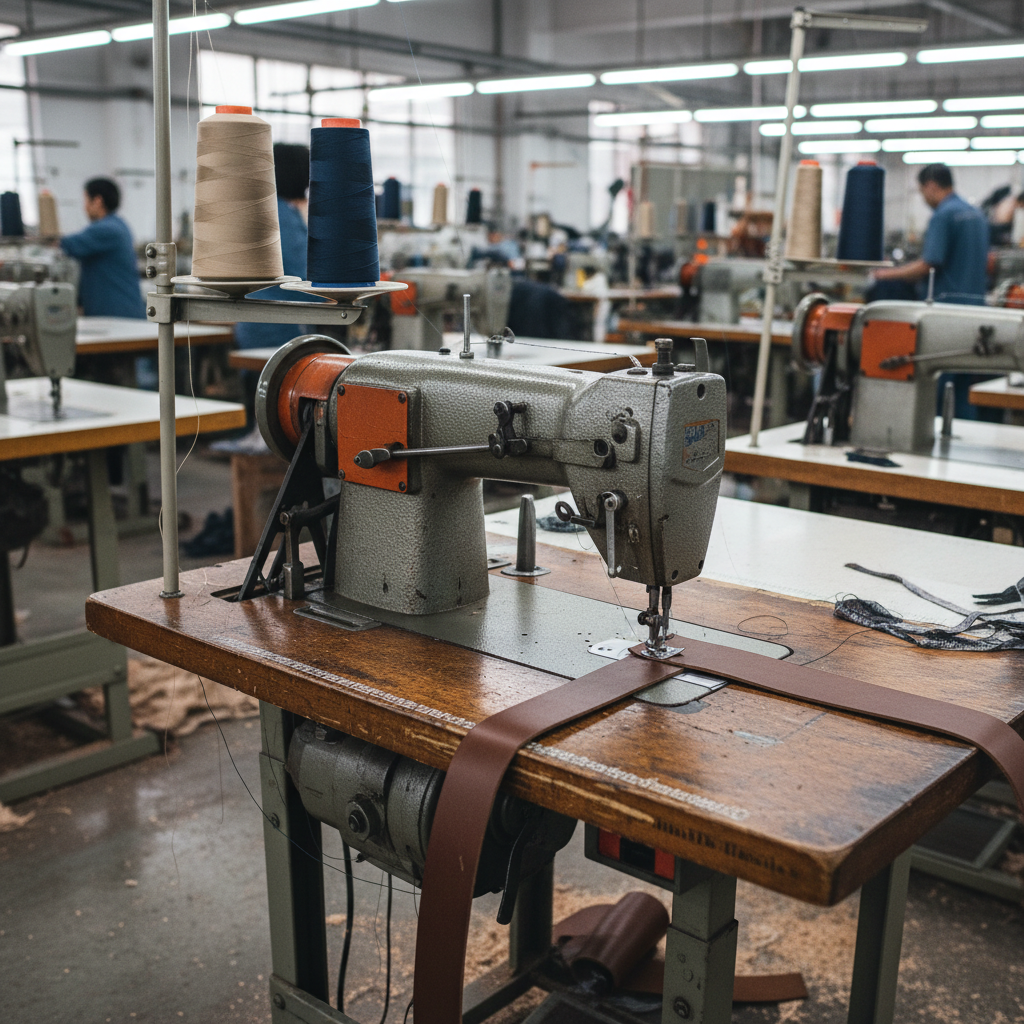
A one needle sewing machine, as the name suggests, utilizes a single needle to create stitches. This simplicity belies its versatility. Unlike more complex multi-needle machines, the one needle machine excels at creating straight stitches, zigzag stitches, and various decorative patterns. They are commonly used for joining fabrics, creating seams, attaching trims, and general sewing tasks. The versatility comes from the ability to change feet and adjust stitch parameters. These machines are ideal for both home and industrial applications, depending on their build and motor power. Choosing the right one from Longsew’s range ensures optimal performance.
Key Highlights: Versatile for various fabrics and stitching patterns, suitable for both home and industrial use, and adaptable with different feet and settings.
Applications of One Needle Sewing Machines
The applications for a one needle sewing machine are incredibly diverse. They are extensively used in the garment industry for creating clothing, from simple t-shirts to complex dresses. They also play a crucial role in the production of upholstery, leather goods, handbags, and even automotive interiors. Beyond these, they are indispensable for creating home textiles such as curtains, bedding, and cushions. The adaptability of a Longsew one needle machine ensures it can handle a wide spectrum of materials and projects.
Common Applications:
• Garment manufacturing (clothing, uniforms)
• Upholstery (furniture, car seats)
• Leatherworking (bags, belts)
• Home textiles (curtains, bedding)
One Needle Sewing Machine Features: A Detailed Look
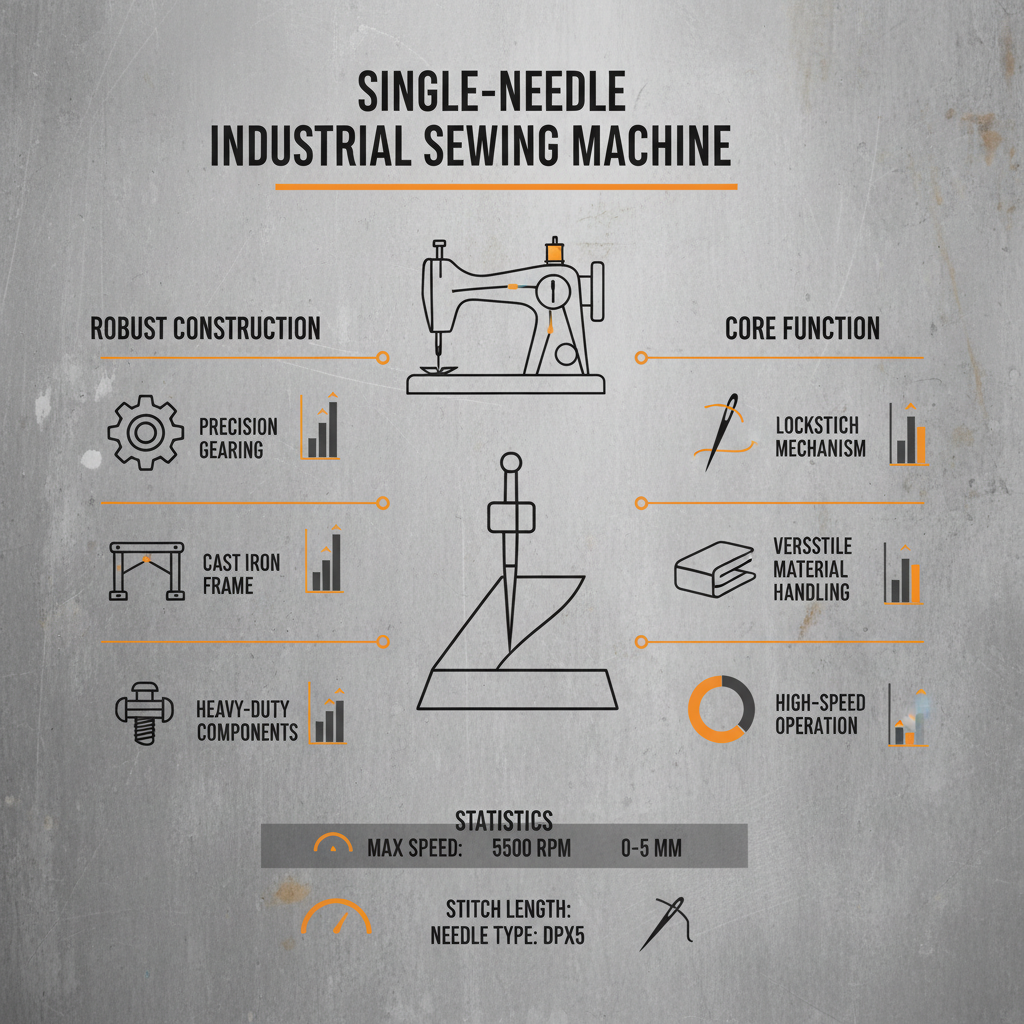
Modern one needle sewing machines boast a range of features designed to enhance productivity and precision. These include adjustable stitch length and width, automatic needle threading, built-in stitch patterns, and variable speed control. More advanced models may offer features such as automatic thread trimming, knee-lift mechanisms for hands-free operation, and electronic pattern programming. The motor power is also a key consideration, with heavier-duty motors being necessary for thicker fabrics like leather or denim. Longsew machines are renowned for incorporating these features to deliver exceptional performance.
Choosing the Right One Needle Sewing Machine for Your Needs
Selecting the appropriate one needle sewing machine requires careful consideration of several factors. The type of fabric you’ll be working with is crucial – heavier fabrics demand a more powerful motor and a robust construction. The scale of your production also matters; for high-volume manufacturing, an industrial-grade machine is essential. Consider the features you need – automatic threading, variable speed control, and stitch patterns can significantly improve efficiency. Finally, budget plays a role, but remember that investing in a quality machine from a reputable brand like Longsew will yield long-term benefits.
Maintenance and Longevity
Proper maintenance is key to ensuring the longevity of your one needle sewing machine. Regular cleaning, lubrication, and needle replacement are essential. Always refer to the manufacturer’s instructions for specific maintenance procedures. Keep the machine covered when not in use to protect it from dust and debris. Addressing minor issues promptly can prevent them from escalating into major repairs. A well-maintained Longsew sewing machine can provide years of reliable service.
Conclusion: The Versatile Powerhouse
The one needle sewing machine remains a foundational tool in countless industries. Its adaptability, coupled with the advanced features offered by manufacturers like Longsew, makes it an indispensable asset for both small-scale operations and large-scale production. Investing in a quality machine and prioritizing regular maintenance will ensure years of efficient and reliable performance.
Frequently Asked Questions (FAQs)
What types of fabric can a one needle sewing machine handle?
A one needle sewing machine can handle a wide range of fabrics, from lightweight cotton and silk to heavier denim and leather. However, the specific fabric capacity depends on the machine's motor power and construction. For heavier fabrics, a more robust machine with a stronger motor is recommended. It's also important to use the appropriate needle type and thread weight for the fabric being used. Longsew machines are designed to handle diverse fabrics with optimal results.
How often should I change the needle?
The frequency of needle changes depends on usage and the type of fabric being sewn. As a general guideline, replace the needle after every 8 hours of continuous use or whenever it becomes dull or damaged. Using a dull needle can cause skipped stitches, fabric damage, and increased thread breakage. It's also crucial to change the needle when switching between different fabric types to ensure optimal performance.
What are the benefits of an automatic needle threader?
An automatic needle threader significantly speeds up the sewing process and reduces eye strain. It eliminates the tedious task of manually threading the needle, saving time and improving efficiency. This feature is particularly beneficial for individuals with limited dexterity or those who sew frequently. Longsew’s automatic needle threaders are reliable and easy to use.
How do I troubleshoot a skipped stitch problem?
Skipped stitches can be caused by several factors. First, ensure the needle is correctly inserted and not bent or damaged. Check the thread path and ensure it's properly threaded through all the guides and tension discs. Verify that the correct needle and thread are being used for the fabric. Adjust the thread tension if necessary. If the problem persists, consult the machine's manual or contact a qualified technician.
Latest news
-
Industrial Bag Sewing Machine Price and Comprehensive Buying GuideNewsApr.16,2026
-
Industrial Hand Held Bag Closer for Efficient Packaging SealingNewsApr.16,2026
-
Industrial Hand Held Bag Closer Sewing Machine for PackagingNewsApr.16,2026
-
Efficient Industrial Bag Closer Sewing Machine for PackagingNewsApr.16,2026
-
Industrial Sewing Guide for Choosing the Right Closer MachineNewsApr.16,2026
-
Guide to Capital Bag Closer Machine Price and Buying FactorsNewsApr.16,2026
-
Say goodbye to inefficient cutting! This heavy-duty webbing hot cutting machine redefines the new standard for industrial cuttingNewsApr.14,2026

Hebei LongSew Machinery Technology Co. Ltd is beginning as sewing machine parts supplier, now Longsew have over twenty years experience in complete set sewing machine offering.


CLASSIFICATION
CONTACT US
-

No.368 North Youyi Street, Shijiazhuang City, Hebei Province, China
-

-

Copyright © 2026 HEBEI LONGSEW MACHINERY TECHNOLOGY CO. LTD All Rights Reserved. Sitemap | Privacy Policy | Top Blog | Global Service