

Feb . 25, 2026 01:55
Back to list
The Dressmaker Zig Zag Sewing Machine A Comprehensive Guide to Textile Artistry
Decoding the Dressmaker Zig Zag Sewing Machine: A Comprehensive Guide
The dressmaker zig zag sewing machine represents a cornerstone of garment construction and textile artistry. Its versatility makes it indispensable for both professional tailors and enthusiastic hobbyists. This article dives deep into the features, benefits, applications, and considerations when choosing a dressmaker zig zag sewing machine, all while emphasizing its enduring role in modern textile work. Understanding its capabilities empowers you to unlock a world of creative sewing possibilities.
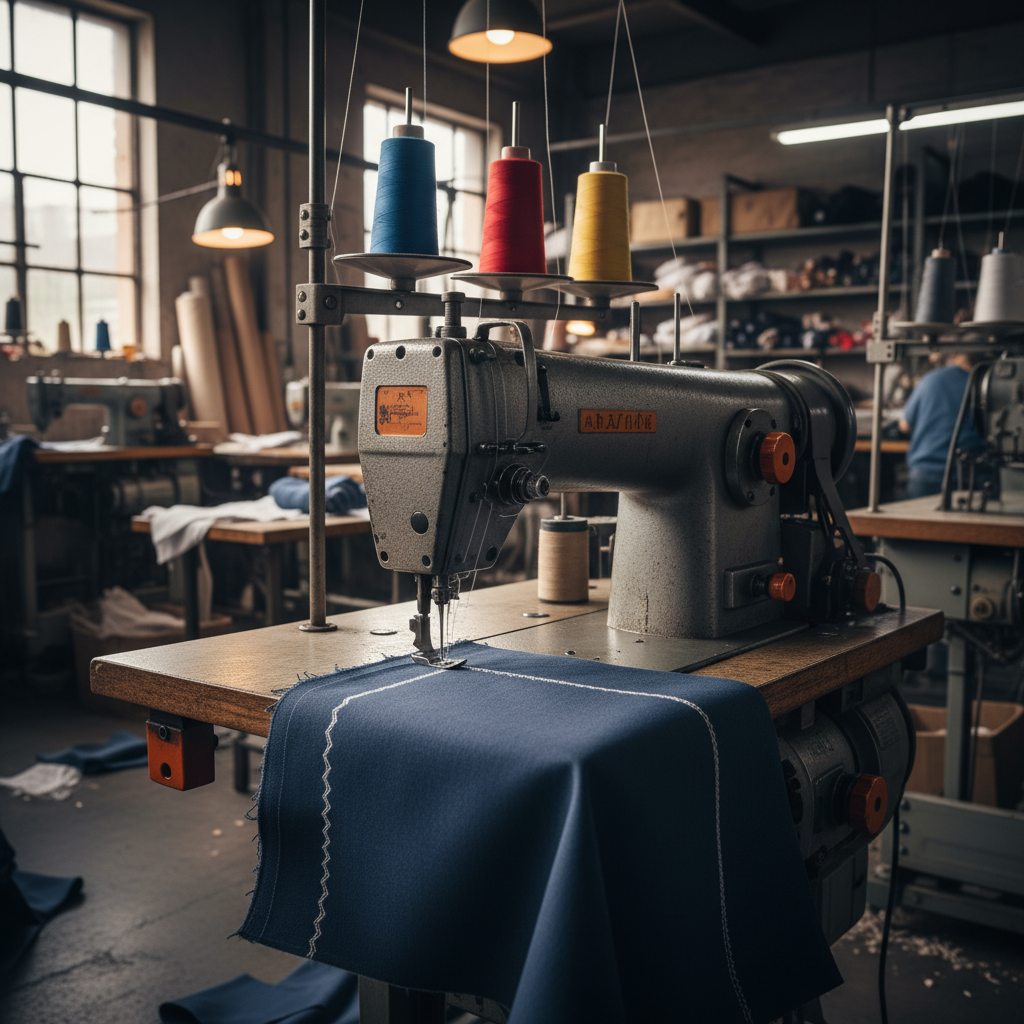
Understanding the Core Features of a Dressmaker Zig Zag Sewing Machine
A dressmaker zig zag sewing machine distinguishes itself through its ability to perform a wider range of stitches compared to a straight stitch machine. The 'zig zag' stitch, of course, is the defining characteristic, allowing for seam finishing, decorative stitching, and stretch fabric manipulation. Modern models often include adjustable stitch length and width, various presser feet for specialized tasks (zippers, buttonholes, etc.), and a free arm for sewing cuffs and sleeves. Key features to consider include motor power, the number of stitch patterns, and build quality. A reliable machine ensures consistent performance and longevity. Longsew offers a wide range of these machines, engineered for precision and durability.
Key Highlights: Adjustable stitch length and width, a variety of presser feet, and a free arm for enhanced sewing flexibility. A powerful motor and robust construction ensure reliability.
Zig Zag Stitch Versatility: Beyond the Basics
The zig zag stitch isn’t just for aesthetics. It’s critical for preventing fabric fraying on knit fabrics, which are prone to stretching. It also allows for decorative effects, such as creating scallops or embroidery-like designs. Beyond this, the zig zag stitch is vital for attaching elastic, creating buttonholes, and applique work. It provides a resilient seam that can withstand the stresses of wear and washing, particularly on garments designed for movement. Mastering different zig zag stitch widths and lengths expands the creative potential of any sewing project.
Zig Zag Stitch Applications:
• Preventing fabric fraying on knit fabrics
• Decorative stitching and embroidery effects
• Attaching elastic and creating buttonholes
• Applique work and seam finishing
Dressmaker Zig Zag Sewing Machine Comparison: Mechanical vs. Electronic
Choosing between a mechanical and electronic dressmaker zig zag sewing machine hinges on your skill level and project needs. Mechanical machines are generally more robust and easier to repair, ideal for beginners or heavy-duty tasks. They require manual adjustments for stitch selection and tension. Electronic machines offer greater precision, a wider range of stitch patterns, and automated features like needle threading and speed control. They're suited for intricate projects and users who appreciate convenience.
Applications of the Dressmaker Zig Zag Sewing Machine Across Textile Crafts
The dressmaker zig zag sewing machine’s adaptability lends itself to a diverse range of projects. From garment construction (dresses, skirts, blouses) to quilting, crafting, and even light upholstery, its versatility is unmatched. It's ideal for working with various fabrics – cotton, linen, silk, knits, and more. Its ability to create decorative stitches opens doors to personalized designs and embellishments. Whether you’re a seasoned fashion designer or a beginner embarking on a new hobby, this machine is a valuable asset.
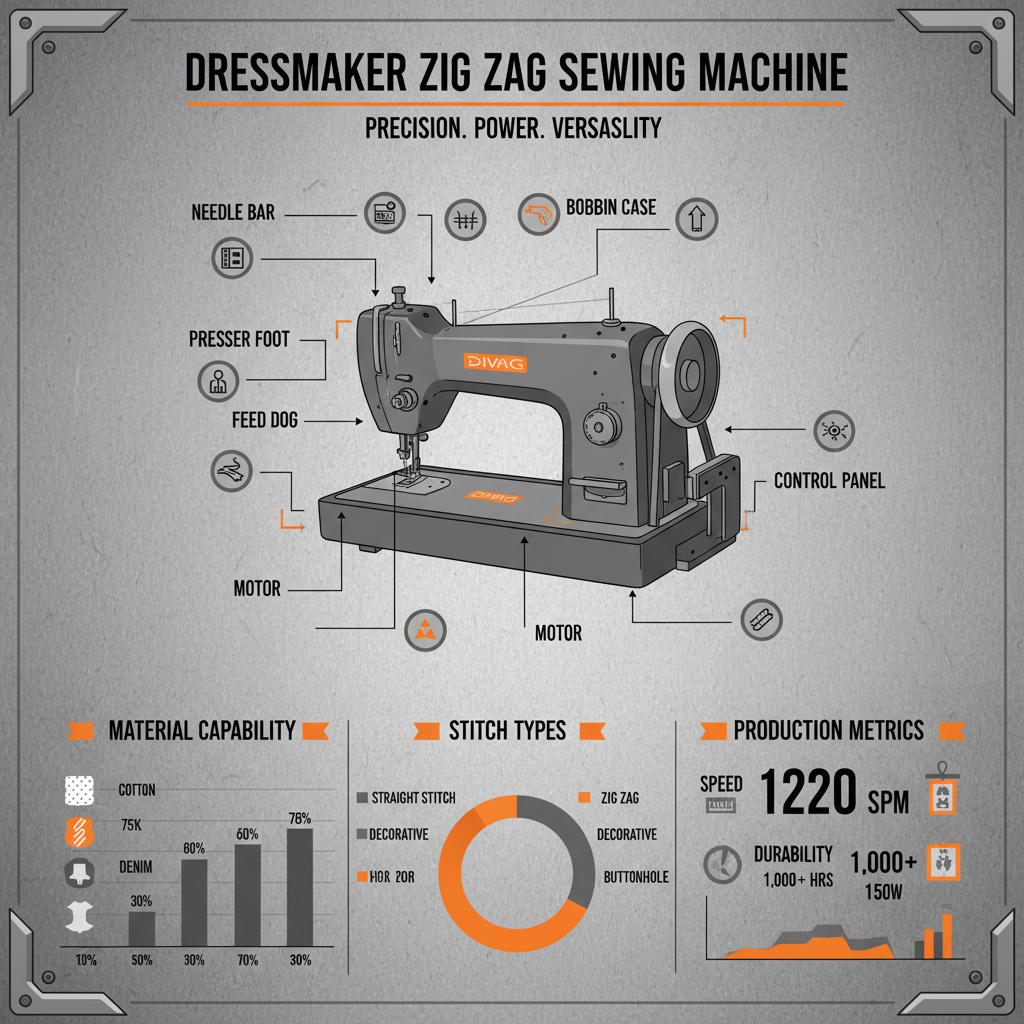
Selecting the Right Dressmaker Zig Zag Sewing Machine: Key Considerations
When choosing a dressmaker zig zag sewing machine, consider your budget, skill level, and intended use. Look for a machine with a robust motor, adjustable stitch length and width, and a variety of presser feet. Read reviews and compare models from reputable brands like Longsew. Ensure the machine is easy to thread and maintain. Finally, consider the availability of customer support and replacement parts.
Conclusion: Empowering Your Creativity with the Right Machine
The dressmaker zig zag sewing machine remains an essential tool for anyone passionate about sewing and textile arts. Its versatility, combined with the right features, unlocks a world of creative possibilities. By carefully considering your needs and investing in a quality machine, you’ll be well-equipped to bring your sewing visions to life.
Frequently Asked Questions (FAQs)
What types of fabric can a dressmaker zig zag sewing machine handle?
A dressmaker zig zag sewing machine is remarkably versatile and can handle a wide range of fabrics, including lightweight cottons, linens, silks, and heavier denims and canvas. The zig zag stitch is particularly beneficial for knit fabrics, preventing them from unraveling. However, very thick materials like leather may require a specialized heavy-duty machine. Adjusting the stitch length and width, along with using the appropriate needle, is crucial for optimal results with different fabric types. The machine's ability to manage stretch fabrics sets it apart from basic straight-stitch models.
How often should I oil my dressmaker zig zag sewing machine?
Regular oiling is essential for maintaining the smooth operation of your sewing machine. As a general guideline, oil your machine after every 8 hours of use, or at least once a month, even if it’s not used frequently. Refer to your machine's manual for specific oiling points and recommendations. Using the correct type of sewing machine oil is crucial; avoid using general-purpose oils. Proper lubrication reduces friction, prevents wear and tear, and ensures consistent stitch quality.
What is the difference between a free arm and a standard sewing machine bed?
The free arm is a detachable section of the sewing machine bed that allows you to sew cuffs, sleeves, and other cylindrical items more easily. By removing this section, you create a circular opening that supports the fabric as you sew around it. A standard sewing machine bed, without the free arm, is more suitable for flat sewing projects. The free arm enhances maneuverability and precision when working on shaped garments.
Are dressmaker zig zag machines suitable for quilting?
While specialized quilting machines exist, a dressmaker zig zag sewing machine can certainly be used for quilting, particularly for smaller projects or for beginners. The zig zag stitch can be used for decorative quilting stitches. However, quilting machines typically offer a larger throat space (the area to the right of the needle) for easier maneuvering of larger quilts, and a more consistent feed system. For extensive quilting, a dedicated quilting machine is recommended, but for smaller projects, a dressmaker zig zag machine is a viable option.
Latest news
-
Industrial Bag Sewing Machine Price and Comprehensive Buying GuideNewsApr.16,2026
-
Industrial Hand Held Bag Closer for Efficient Packaging SealingNewsApr.16,2026
-
Industrial Hand Held Bag Closer Sewing Machine for PackagingNewsApr.16,2026
-
Efficient Industrial Bag Closer Sewing Machine for PackagingNewsApr.16,2026
-
Industrial Sewing Guide for Choosing the Right Closer MachineNewsApr.16,2026
-
Guide to Capital Bag Closer Machine Price and Buying FactorsNewsApr.16,2026
-
Say goodbye to inefficient cutting! This heavy-duty webbing hot cutting machine redefines the new standard for industrial cuttingNewsApr.14,2026

Hebei LongSew Machinery Technology Co. Ltd is beginning as sewing machine parts supplier, now Longsew have over twenty years experience in complete set sewing machine offering.


CLASSIFICATION
CONTACT US
-

No.368 North Youyi Street, Shijiazhuang City, Hebei Province, China
-

-

Copyright © 2026 HEBEI LONGSEW MACHINERY TECHNOLOGY CO. LTD All Rights Reserved. Sitemap | Privacy Policy | Top Blog | Global Service