

Apr . 07, 2026 01:55
Back to list
Optimize Packaging Efficiency with an Automatic Bag Sewing Machine
Choosing the Right Automatic Bag Sewing Machine for Your Business
In the fast-paced world of packaging and manufacturing, efficiency and reliability are paramount. An automatic bag sewing machine can significantly streamline your operations, reducing labor costs and improving output. This article delves into the benefits, key features, types, and considerations when selecting the right machine for your specific needs. We'll explore how to optimize your packaging process and maximize your return on investment. Investing in the right equipment is crucial for long-term success.
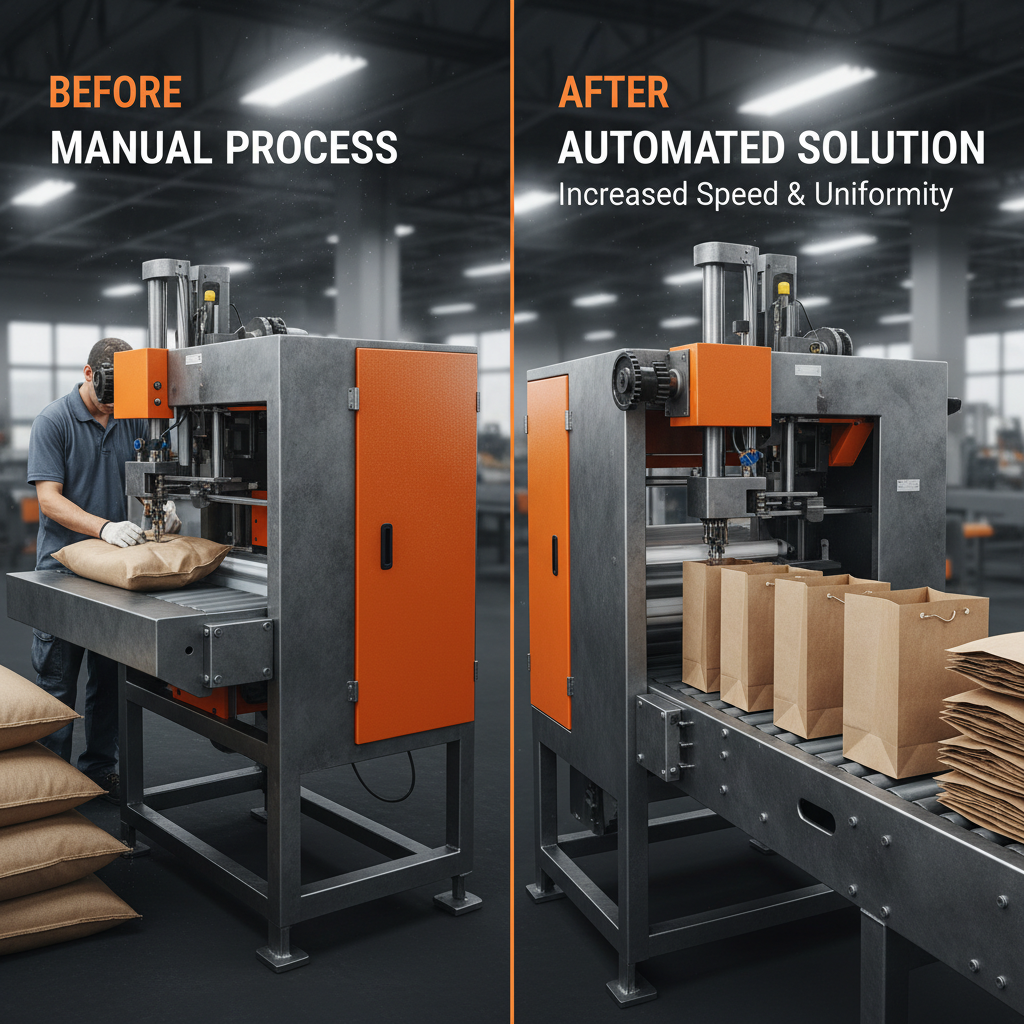
Benefits of Using an Automatic Bag Sewing Machine
Switching to an automatic bag sewing machine offers numerous advantages over manual methods. Firstly, it drastically increases production speed, allowing you to process a higher volume of bags in a shorter timeframe. This leads to reduced labor costs as fewer operators are required. Secondly, automation ensures consistent stitch quality, minimizing rejects and improving product presentation. Finally, these machines often enhance workplace safety by reducing repetitive strain injuries associated with manual sewing. The increase in efficiency and quality directly translates to improved profitability and customer satisfaction.
Key Advantages: Increased production speed, reduced labor costs, consistent stitch quality, enhanced workplace safety, improved product presentation.
Types of Automatic Bag Sewing Machines
Several types of automatic bag sewing machines are available, each suited to different applications. Single-needle machines are versatile and can handle a wide range of bag materials and sizes. Double-needle machines offer increased sewing speed and strength, ideal for heavier-duty applications. Rotary machines are particularly efficient for high-volume production of specific bag types. Portable automatic machines offer flexibility, allowing you to move the machine to different locations within your facility. Selecting the right type depends on your specific production volume, bag material, and desired stitch quality.
Machine Type Overview:
• Single-Needle: Versatile, wide material range.
• Double-Needle: High speed and strength.
• Rotary: High-volume, specific bag types.
• Portable: Flexible, easy to move.
Key Features to Consider When Choosing an Automatic Bag Sewing Machine
When evaluating different machines, several key features should be considered. Look for adjustable stitch length and tension to accommodate various bag materials. A robust construction and high-quality components are essential for durability and longevity. User-friendly controls and a clear display simplify operation and minimize downtime. Automatic thread trimming and winding features further enhance efficiency. Finally, consider the availability of technical support and spare parts from the manufacturer. Prioritizing these features will ensure you select a machine that meets your long-term needs.
Applications of Automatic Bag Sewing Machines
Automatic bag sewing machines are utilized across a diverse range of industries. The food and beverage sector uses them to seal bags of flour, sugar, and other ingredients. The agricultural industry relies on them for securing bags of feed, seeds, and fertilizer. The construction industry utilizes them for sealing bags of cement and aggregate. Furthermore, they are used in the production of pet food, textiles, and industrial packaging. Their versatility makes them a valuable asset to any operation involving bag sealing.
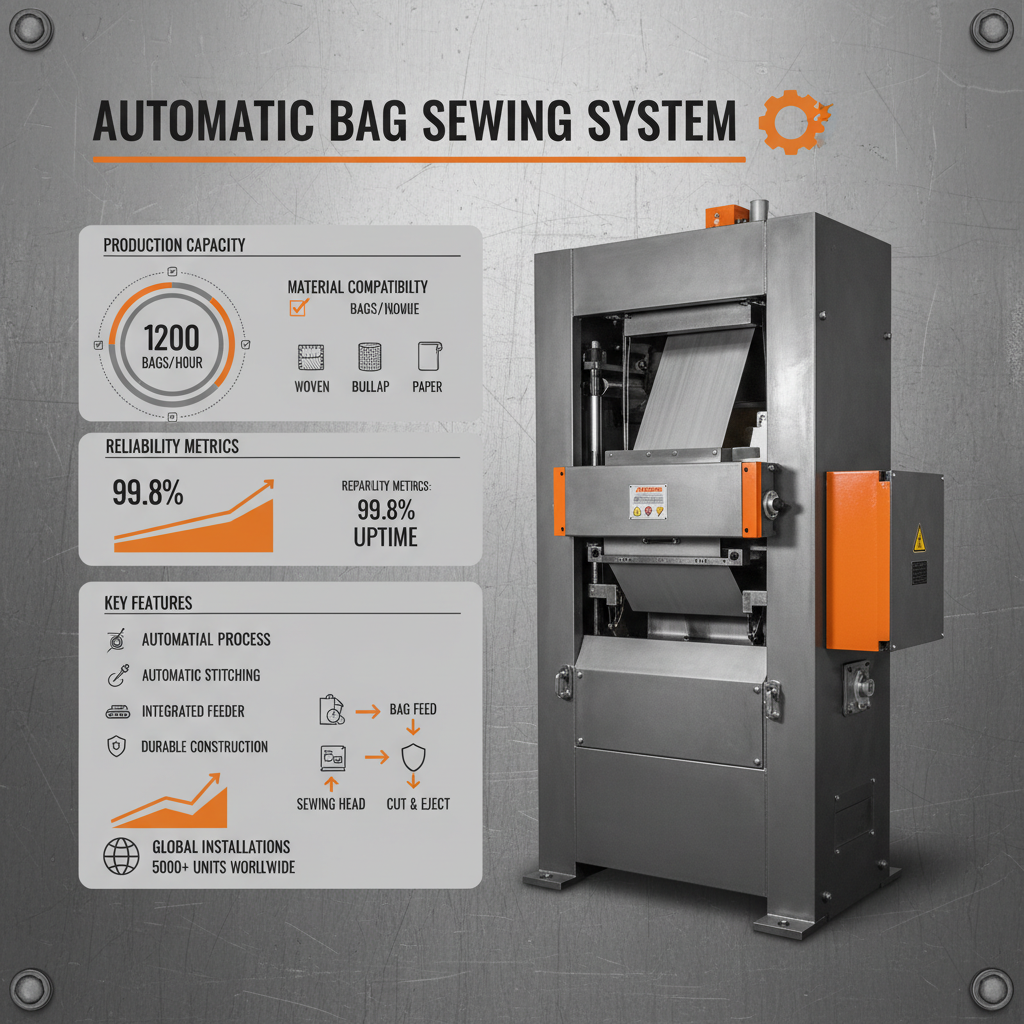
Choosing the Right Supplier: Longsew
Selecting a reliable supplier is just as crucial as choosing the right machine. Longsew offers a comprehensive range of automatic bag sewing machines, backed by expert technical support and a commitment to quality. We provide customized solutions to meet your specific requirements, ensuring a seamless integration into your existing production line. Our machines are engineered for durability, reliability, and efficiency. With Longsew, you're investing in a long-term partnership dedicated to your success.
Conclusion: Streamline Your Packaging with Automation
Investing in an automatic bag sewing machine from Longsew is a strategic move towards improved efficiency, reduced costs, and enhanced product quality. Explore our range of machines and contact our team today to discover the perfect solution for your packaging needs.
Frequently Asked Questions (FAQs)
What types of bag materials can an automatic bag sewing machine handle?
Most automatic bag sewing machines can handle a wide variety of materials, including woven polypropylene (PP), polyethylene (PE), paper, burlap, and laminated fabrics. However, the specific material compatibility depends on the machine's design and settings. It’s crucial to verify that the machine is suitable for your particular bag material before making a purchase. Longsew machines are designed to handle a diverse range of materials with adjustable settings to ensure optimal stitch quality. The type of needle and thread also needs to be selected appropriately for the material being sewn. Heavier materials may require a more robust machine.
What is the typical maintenance required for an automatic bag sewing machine?
Regular maintenance is essential for ensuring the longevity and performance of your machine. This includes daily lubrication of moving parts, cleaning of dust and debris, and periodic inspection of the needle, thread, and other components. It's also important to check and adjust the timing of the machine regularly. Longsew provides detailed maintenance manuals and offers preventative maintenance services to keep your machine running smoothly. Ignoring routine maintenance can lead to breakdowns and costly repairs.
What safety features should I look for in an automatic bag sewing machine?
Safety is paramount. Look for machines with features like emergency stop buttons, safety guards to prevent accidental contact with moving parts, and automatic shut-off mechanisms. A well-designed machine will minimize the risk of operator injury. Longsew machines are engineered with comprehensive safety features to protect operators and ensure a safe working environment. Training operators on proper safety procedures is also crucial.
How can I determine the right size and type of machine for my production needs?
Determining the right size and type of machine requires a careful assessment of your production volume, bag size, material type, and budget. Consider the speed and capacity you need to meet your current and future demand. Longsew offers consultation services to help you analyze your requirements and recommend the most suitable machine. We can also provide customized solutions tailored to your specific needs. Factors to consider include the required stitch density and the weight of the bags being sealed.
Latest news
-
Industrial Bag Sewing Machine Price and Comprehensive Buying GuideNewsApr.16,2026
-
Industrial Hand Held Bag Closer for Efficient Packaging SealingNewsApr.16,2026
-
Industrial Hand Held Bag Closer Sewing Machine for PackagingNewsApr.16,2026
-
Efficient Industrial Bag Closer Sewing Machine for PackagingNewsApr.16,2026
-
Industrial Sewing Guide for Choosing the Right Closer MachineNewsApr.16,2026
-
Guide to Capital Bag Closer Machine Price and Buying FactorsNewsApr.16,2026
-
Say goodbye to inefficient cutting! This heavy-duty webbing hot cutting machine redefines the new standard for industrial cuttingNewsApr.14,2026

Hebei LongSew Machinery Technology Co. Ltd is beginning as sewing machine parts supplier, now Longsew have over twenty years experience in complete set sewing machine offering.


CLASSIFICATION
CONTACT US
-

No.368 North Youyi Street, Shijiazhuang City, Hebei Province, China
-

-

Copyright © 2026 HEBEI LONGSEW MACHINERY TECHNOLOGY CO. LTD All Rights Reserved. Sitemap | Privacy Policy | Top Blog | Global Service