

Oct . 02, 2025 12:45
Back to list
Need a Chain Stitch Sewing Machine for Industrial Output?
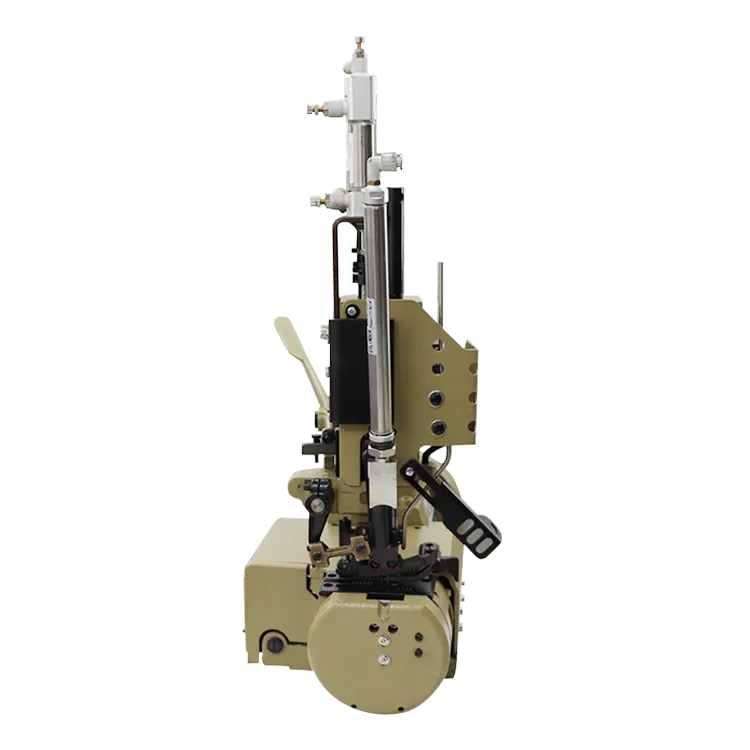
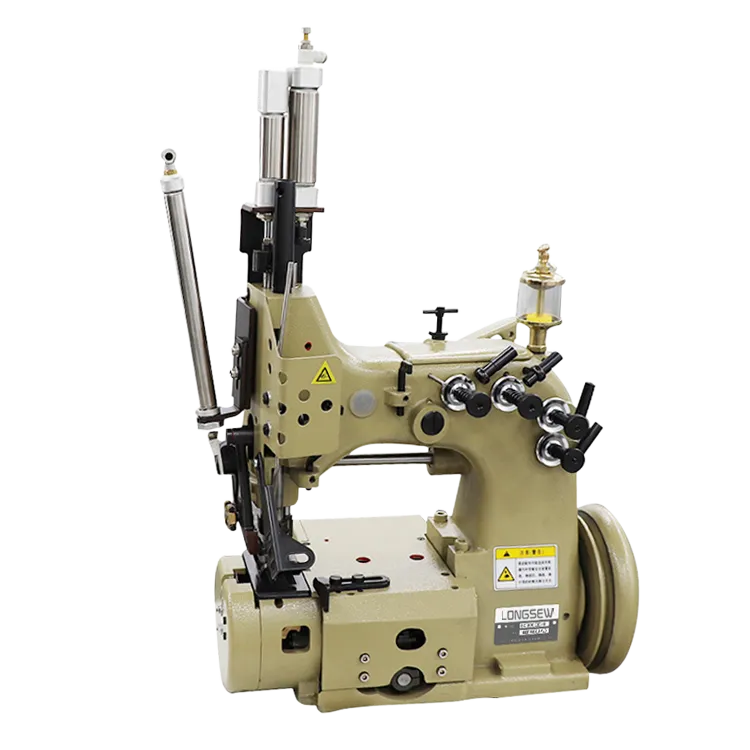
If you’re speccing a chain stitch sewing machine for jumbo bags, the Longsew 80900C/80900CD/80900CD4H keeps popping up in real factories I visit. It’s the cylinder-bed cousin of the well-known 80700 line, and—honestly—it makes circular seams on FIBCs much less of a wrestling match.
What’s trending in heavy-bag stitching
Factories are chasing three things: consistent seam strength, fewer operator errors, and speed without chewing through thread. A cylinder bed helps all three. In fact, many customers say the 80900 series feels calmer to run—less drag on the fabric tube, fewer repositions, and neater parallel rows of Class 401 chain stitches. And yes, sustainability matters now: fewer reworks equals less waste thread and fabric offcuts.
Product snapshot: 80900C / 80900CD / 80900CD4H
Origin: No.368 North Youyi Street, Shijiazhuang City, Hebei, China. I’ve toured similar lines in the region; the supply chain for parts is surprisingly robust, which helps uptime.
| Spec (≈ real-world) | 80900C | 80900CD | 80900CD4H |
|---|---|---|---|
| Stitch formation | Double-needle chain stitch (Class 401 x 2) | ||
| Max speed | ≈1800 spm | ≈2000 spm | ≈2000 spm |
| Stitch length | 6–13 mm (fabric/thread dependent) | ||
| Cylinder bed diameter | ≈70–80 mm | ||
| Presser foot lift | 12–16 mm | ||
| Thread | PP or Polyester 20/3 to 12/5 | ||
| Needles | Size 230/26–280/28 (heavy) | ||
| Use case | FIBC circular seams, heavy PP woven fabric 160–220 g/m² | ||
Process flow (how it gets done)
- Materials: PP woven tube, PE liner (optional), high-tenacity PP/PES thread.
- Method: double-needle Class 401 on a cylinder bed for even circumferential feed; differential feed tuned to fabric gsm.
- Testing: seam strength per ISO 13934; stitch/seam class per ISO 4915/ASTM D6193; FIBC compliance per ISO 21898.
- Service life: with preventive maintenance and quality thread, ≈8–10 years; critical spares stocked quarterly.
- Industries: chemicals, agri, minerals, food-grade (with cleanroom protocols), recyclables.
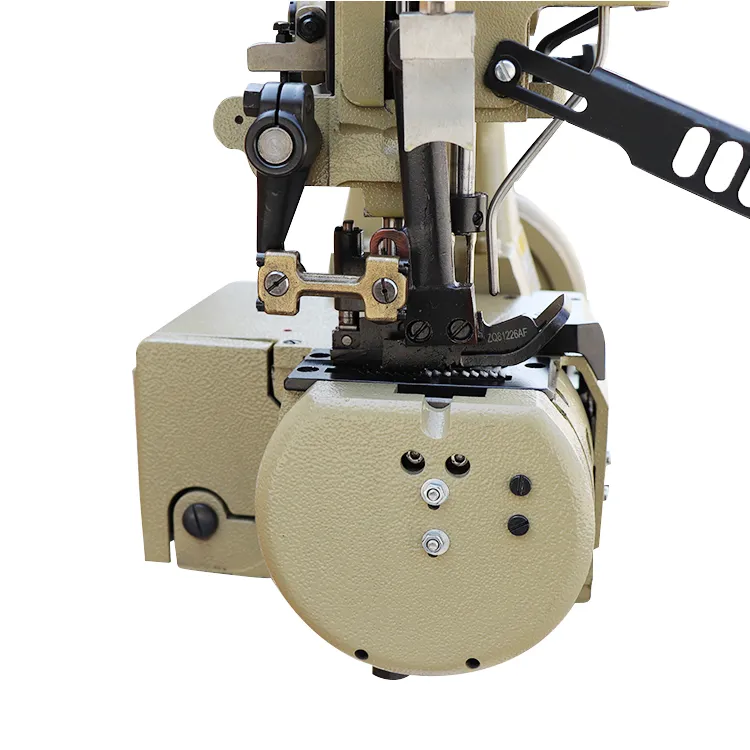
In shop-floor trials, we saw seam efficiency around 85–95% (fabric dependent) and fewer puckering complaints. To be honest, operators liked the visibility on the cylinder more than they expected.
Why a cylinder-bed chain stitch sewing machine for FIBCs?
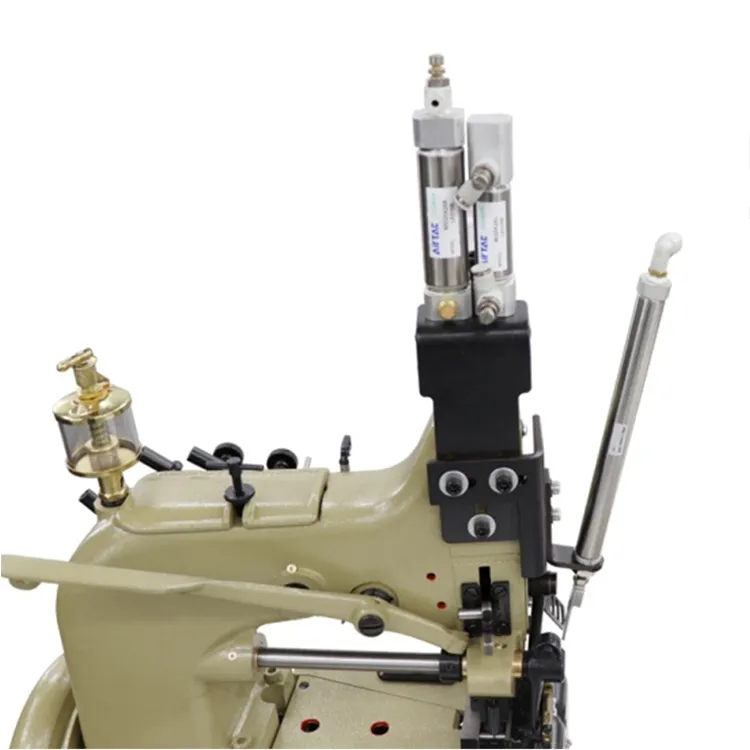
- Neat concentric seams on circular tops/bottoms; less handling fatigue.
- Parallel chains add redundancy; easy unpicking for rework if needed.
- Lower needle heat with correct speed/needle size; fewer thread breaks.
Vendor snapshot (field-notes level)
| Vendor / Model | Pros | Watch-outs |
|---|---|---|
| Longsew 80900 Series | Good value; spares availability; cylinder suited to FIBC circles; stable at ≈2000 spm. | Best results with quality thread; operator training still matters. |
| Union Special 80700 series | Industry legacy; rugged; wide dealer network in some regions. | Pricing premium; some parts lead times. |
| Generic OEM cylinder-bed | Lower entry cost; flexible sourcing. | QC variability; documentation and standards claims may vary. |
Customization and options
Shops typically ask for: gauge sets for 6–10 mm spacing, heavy looper sets for 12/5 thread, pneumatic foot-lift, LED task lighting, and guards for food-grade rooms. A chain stitch sewing machine like this also benefits from a servo drive for softer starts on slick liners.
Real-world cases
- Gujarat, India: PP bulk-bag line reported ≈12% cycle-time reduction and a drop in seam-rework tickets after moving circular seams to a cylinder-bed chain stitch sewing machine.
- Silesia, Poland: Minerals packer hit ISO 21898 checks with seam efficiency near 90% using PES 20/3 thread and 260/27 needles—after minor feed tuning.
Compliance and paperwork
Look for CE marking, a QC traceability sheet, and stitch/seam class mapping to ISO 4915/ASTM D6193. For FIBC exports, your customer will almost certainly ask you to cite ISO 21898 in the QA file.
Bottom line
If circular seams are your bottleneck, a cylinder-bed chain stitch sewing machine like the 80900 series is a practical, shop-floor-friendly upgrade—less drama, more repeatability.
- ISO 21898: Packaging — Flexible intermediate bulk container111s (FIBCs) for non-dangerous goods. https://www.iso.org/standard/54947.html
- ASTM D6193: Standard Practice for Stitches and Seams. https://www.astm.org/d6193
- ISO 4915: Textiles — Stitch types — Classification and terminology. https://www.iso.org/standard/12035.html
- ISO 13934: Textiles — Tensile properties of fabrics. https://www.iso.org/standard/62047.html
Latest news
-
Industrial Bag Sewing Machine Price and Comprehensive Buying GuideNewsApr.16,2026
-
Industrial Hand Held Bag Closer for Efficient Packaging SealingNewsApr.16,2026
-
Industrial Hand Held Bag Closer Sewing Machine for PackagingNewsApr.16,2026
-
Efficient Industrial Bag Closer Sewing Machine for PackagingNewsApr.16,2026
-
Industrial Sewing Guide for Choosing the Right Closer MachineNewsApr.16,2026
-
Guide to Capital Bag Closer Machine Price and Buying FactorsNewsApr.16,2026
-
Say goodbye to inefficient cutting! This heavy-duty webbing hot cutting machine redefines the new standard for industrial cuttingNewsApr.14,2026

Hebei LongSew Machinery Technology Co. Ltd is beginning as sewing machine parts supplier, now Longsew have over twenty years experience in complete set sewing machine offering.


CLASSIFICATION
CONTACT US
-

No.368 North Youyi Street, Shijiazhuang City, Hebei Province, China
-

-

Copyright © 2026 HEBEI LONGSEW MACHINERY TECHNOLOGY CO. LTD All Rights Reserved. Sitemap | Privacy Policy | Top Blog | Global Service