

Feb . 24, 2026 10:52
Back to list
Maximize Productivity with a Robust Commercial Zig Zag Sewing Machine
Understanding the Power of a Commercial Zig Zag Sewing Machine
In the world of garment manufacturing, upholstery, and textile creation, the commercial zig zag sewing machine stands as an indispensable tool. Its versatility and robustness make it a cornerstone of many production lines. This article will delve into the benefits, applications, key features, and considerations when choosing the right machine for your business. From small workshops to large-scale factories, a well-chosen zig zag machine can significantly enhance productivity and the quality of your finished products. We will explore why Longsew offers a range of solutions to meet diverse needs.
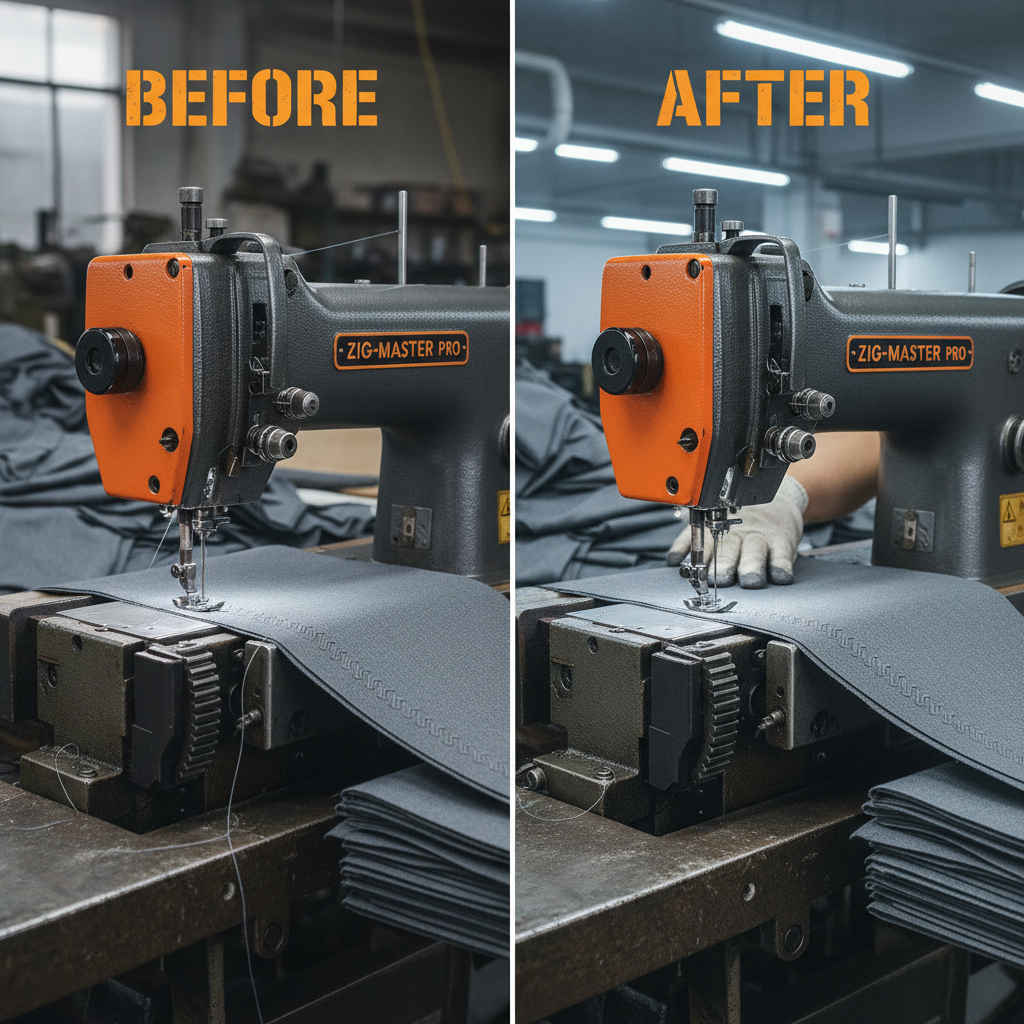
Why Choose a Commercial Zig Zag Sewing Machine?
Unlike domestic sewing machines, commercial zig zag machines are built for heavy-duty use. They feature more powerful motors, robust construction, and are designed to handle a wide range of fabrics, from lightweight silks to heavy-duty denim and leather. Their zig zag stitch capability is crucial for finishing raw edges, creating decorative seams, and providing stretch in garments. A commercial machine's durability translates to reduced downtime and lower maintenance costs, making it a smart investment for any business. Furthermore, many models offer adjustable stitch length and width, providing greater creative control and precision.
Key Advantages: Robust construction, high motor power, adjustable stitch settings, and the ability to handle diverse fabric types. These machines are specifically engineered for continuous, demanding use.
Applications of Commercial Zig Zag Sewing Machines
The versatility of a commercial zig zag machine makes it suitable for a myriad of applications. In garment manufacturing, it's essential for creating durable and aesthetically pleasing seams on clothing. Upholstery shops rely on them for stitching cushions, furniture covers, and other textile products. They are also vital in the production of bags, luggage, and various industrial textiles. The zig zag stitch prevents fabric fraying and provides flexibility, especially crucial for stretch fabrics used in sportswear and lingerie. Longsew's machines are designed to excel in these demanding environments.
Common Applications:
• Garment Manufacturing
• Upholstery
• Bag and Luggage Production
• Industrial Textiles
Commercial Zig Zag Sewing Machine: Key Features to Consider
When selecting a commercial zig zag sewing machine, several features are critical. The motor power directly impacts the machine's ability to handle thicker materials. Stitch length and width adjustments are crucial for versatility. Consider the presser foot lift height, especially if you'll be working with bulky fabrics. Automatic lubrication systems reduce maintenance and ensure smooth operation. The machine's frame and internal components should be made of durable materials like cast iron for long-lasting performance. Finally, look for features like needle positioning and automatic thread trimming to improve efficiency.
Longsew Commercial Zig Zag Sewing Machines: A Range of Options
Longsew offers a comprehensive range of commercial zig zag sewing machines designed to meet the diverse needs of businesses. Our machines are known for their reliability, durability, and advanced features. We offer models with varying motor power, stitch capabilities, and automation options. We cater to both small workshops and large-scale production facilities. Below is a sample of our offerings:
Conclusion: Invest in Quality for Long-Term Success
Choosing the right commercial zig zag sewing machine is a crucial decision for any business involved in textile manufacturing or related industries. By considering your specific needs, fabric types, and production volume, you can select a machine that will deliver years of reliable performance and contribute to the quality of your finished products. Longsew is dedicated to providing high-quality machines and excellent customer support.
Frequently Asked Questions (FAQs)
What types of fabrics can a commercial zig zag sewing machine handle?
Commercial zig zag machines are designed to handle a wide range of fabrics, including lightweight silks, cottons, denim, leather, and synthetic materials. The machine's motor power and adjustable stitch settings allow you to adapt to different fabric weights and textures. Heavier-duty models are specifically engineered for thick fabrics like leather and upholstery materials. Proper needle selection is also crucial for optimal performance with different fabric types. Choosing the correct needle ensures clean stitching and prevents fabric damage.
How often does a commercial zig zag machine require maintenance?
Regular maintenance is key to ensuring the longevity and optimal performance of your machine. This includes daily cleaning to remove lint and debris, weekly oiling of moving parts, and periodic inspection of the needle and other components. Machines with automatic lubrication systems require less frequent manual oiling. It's also important to have the machine professionally serviced at least once a year to identify and address any potential issues. Following the manufacturer's maintenance recommendations will minimize downtime and extend the machine's lifespan.
What is the difference between a domestic and a commercial zig zag machine?
The primary difference lies in their construction and capabilities. Domestic machines are designed for light use, while commercial machines are built for heavy-duty, continuous operation. Commercial machines have more powerful motors, robust frames, and often include features like automatic lubrication and adjustable presser feet. They are also capable of handling thicker fabrics and higher production volumes. The lifespan of a commercial machine is significantly longer than that of a domestic machine, making it a more cost-effective investment for businesses.
What factors should I consider when choosing a commercial zig zag machine?
Consider your specific production needs, the types of fabrics you’ll be working with, your budget, and the available space. Motor power, stitch length and width adjustments, presser foot lift height, and features like automatic lubrication are all important factors. Think about the level of automation you require and whether you need any specialized accessories. Longsew's team of experts can help you assess your needs and recommend the best machine for your business.
Latest news
-
Industrial Bag Sewing Machine Price and Comprehensive Buying GuideNewsApr.16,2026
-
Industrial Hand Held Bag Closer for Efficient Packaging SealingNewsApr.16,2026
-
Industrial Hand Held Bag Closer Sewing Machine for PackagingNewsApr.16,2026
-
Efficient Industrial Bag Closer Sewing Machine for PackagingNewsApr.16,2026
-
Industrial Sewing Guide for Choosing the Right Closer MachineNewsApr.16,2026
-
Guide to Capital Bag Closer Machine Price and Buying FactorsNewsApr.16,2026
-
Say goodbye to inefficient cutting! This heavy-duty webbing hot cutting machine redefines the new standard for industrial cuttingNewsApr.14,2026

Hebei LongSew Machinery Technology Co. Ltd is beginning as sewing machine parts supplier, now Longsew have over twenty years experience in complete set sewing machine offering.


CLASSIFICATION
CONTACT US
-

No.368 North Youyi Street, Shijiazhuang City, Hebei Province, China
-

-

Copyright © 2026 HEBEI LONGSEW MACHINERY TECHNOLOGY CO. LTD All Rights Reserved. Sitemap | Privacy Policy | Top Blog | Global Service