

Oct . 07, 2025 09:10
Back to list
Lock Stitch Sewing Machine: High-Speed, Durable—Need One?
Inside the FIBC edge: a practical look at a lock stitch sewing machine built for jumbo bags
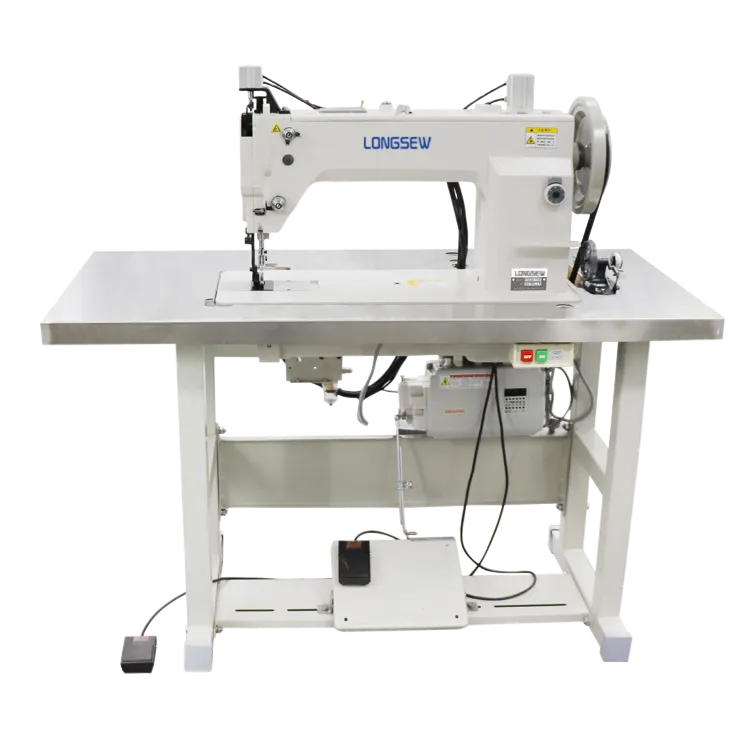
I’ve walked more than a few factory floors where bulk bags keep supply chains moving—fertilizer, pigments, grains, cement, you name it. The conversation keeps circling back to seam integrity and uptime. That’s why this piece zeroes in on the GSC367 series from Longsew (Origin: No.368 North Youyi Street, Shijiazhuang City, Hebei Province, China). It’s a purpose-built unit for FIBC top panels, bottoms, and heavy webbing. And, to be honest, it’s refreshing when a machine is engineered for the job instead of retrofitted after the fact.
Industry trend check
Demand for FIBCs is rising with bulk logistics and, surprisingly, stricter traceability in chemicals and food. Plants are pushing for consistent 301 seams, lower energy use via servo motors, and better handling of recycled PP woven fabric that can be slightly abrasive. Many customers say compound feeding and stable needle penetration are the make-or-break features.
Product at a glance: GSC367 series
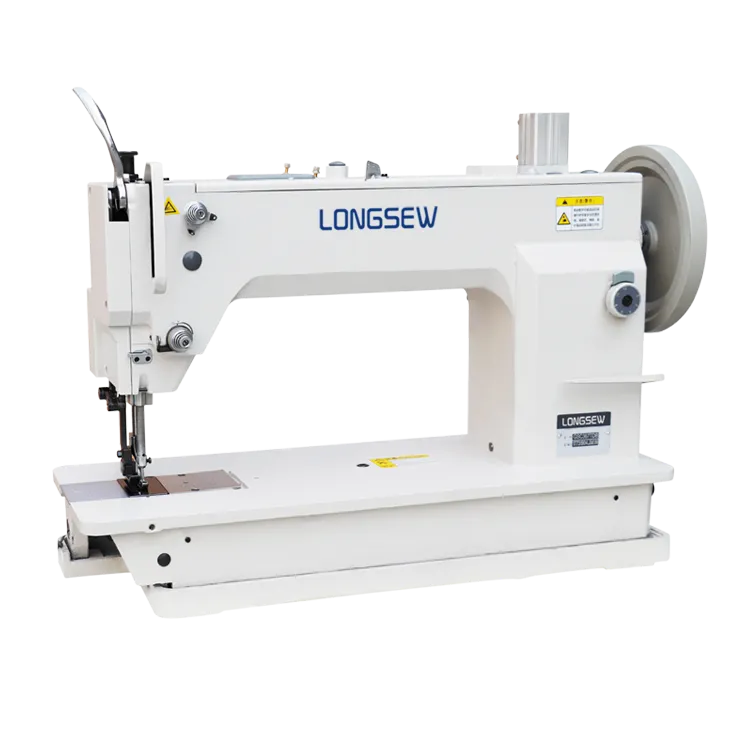
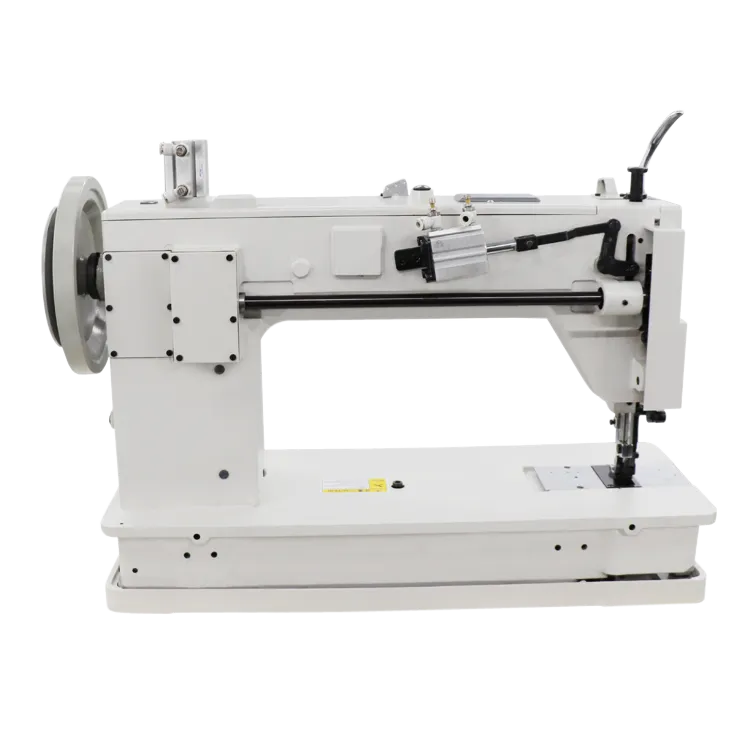
Model line: FIBC Bag / Jumbo Bag / Bulk Bag Single Needle Lock Stitch Top & Bottom Feeding Sewing Machine GSC367 / GSC367TD / GSC367TDZ / GSC367-L
| Spec (≈) | GSC367 | GSC367TD | GSC367TDZ | GSC367-L |
|---|---|---|---|---|
| Stitch type | Single-needle 301 lock stitch sewing machine, top & bottom feeding | |||
| Max stitch length | ≈8 mm | ≈8 mm + puller | ≈8 mm + puller/tape | ≈8 mm, long arm |
| Speed | ≈1,500–2,000 spm (real-world use may vary) | |||
| Needle/thread | DPx17/135x17 or 7x23; Tex 70–210 polyester/nylon | |||
| Presser lift / thickness | Lift ≈14–18 mm; stacks up to ≈12–16 mm | |||
Process flow and quality loop
- Materials: PP woven fabric (virgin or recycled), PE liners, webbing loops, reinforcement tapes.
- Methods: 301 seams, top-and-bottom feed for even transport; optional tape binding on stress points; servo control for slow-start penetration.
- Testing standards: ISO 21898 FIBC performance; ASTM D6193 seam classes; burst and drop checks; seam efficiency target ≥85% (in-plant benchmarks).
- Service life: With proper maintenance and clean lubrication, ≈5–8 years in two-shift use; critical spares advised at 12 months.
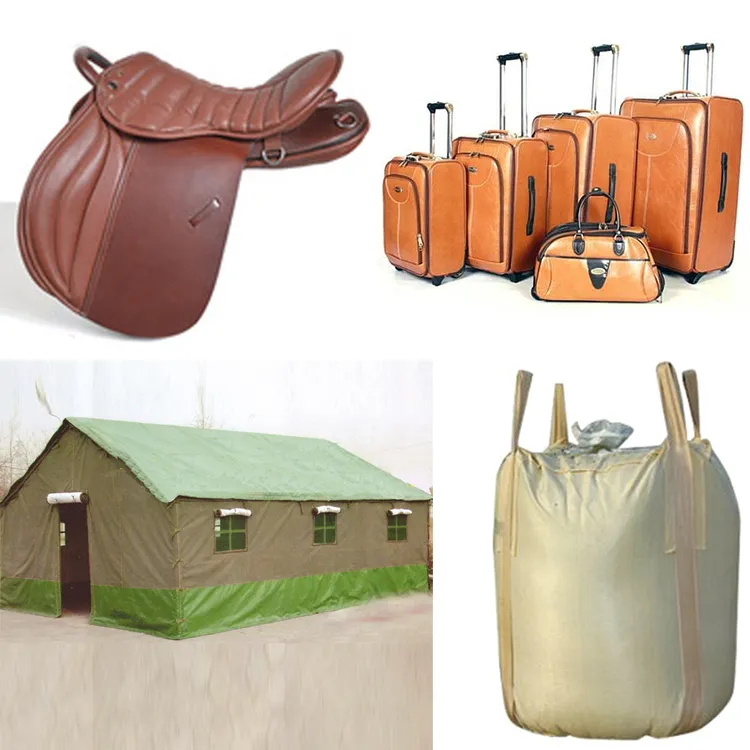
- Industries: Chemicals, agriculture, cement, salt, food ingredients (with appropriate clean-room protocols), mining.
In our notes, typical seam strength on 160–200 gsm PP with Tex 135 thread hits ≈1,500–3,000 N, though fabric weave and needle size clearly sway results.
Where it fits (and shines)
- Top/bottom panel closing and cross-corner loop attachment.
- Reinforcement tapes on heavy-duty FIBCs for minerals, pigments.
- Short runs of custom bags—operators say the learning curve is friendly.
Vendor comparison (field-notes style)
| Vendor | Feed system | Stitch length | Notes |
|---|---|---|---|
| Longsew GSC367 series | Top & bottom (compound) | ≈8 mm | FIBC-focused, options for tape/puller; CE/ISO cited. |
| Generic Industrial A | Bottom feed only | ≈5–6 mm | Retrofit for bags; more slippage on thick webbing. |
| Retrofit Option B | Walking foot | ≈7 mm | Okay on liners; struggles on multi-layer corners. |
Customization, certifications, and real-world feedback
- Customization: folders for tape binding, puller units, long-arm (-L), needle/foot sets for coated fabrics, 220/380V servo drives.
- Compliance: ISO 9001 factory QA, CE (Machinery Directive 2006/42/EC), electrical safety aligned with EN 60204-1.
Operators report fewer unpicks on cross-corner loops and smoother penetration on laminated PP. One plant manager told me—half joking—“we stopped babysitting needle deflection.” It seems the compound feed and stable 301 formation do the heavy lifting. If you need a lock stitch sewing machine that won’t blink at thick stacks, this is squarely in that lane.
Quick case notes
- Fertilizer plant (2 lines): seam rejects dropped from 3.2% to 0.9% after switching to GSC367TD; energy use down ≈12% via servo.
- Pigment producer: reinforced-tape seams passed ISO 21898 cycle tests with ≥88% seam efficiency; throughput up ≈15%.
Bottom line: if your team is evaluating a heavy-duty lock stitch sewing machine for FIBCs, shortlist the GSC367 series and validate with your fabric/thread combo on a live demo. The delta shows up fast.
Authoritative citations
- ISO 21898: Packaging — Flexible Intermediate Bulk Containers (FIBCs)
- ASTM D6193: Standard Practice for Stitches and Seams (Lockstitch 301)
- Machinery Directive 2006/42/EC (CE)
- EN 60204-1: Safety of machinery — Electrical equipment of machines
Latest news
-
Industrial Bag Sewing Machine Price and Comprehensive Buying GuideNewsApr.16,2026
-
Industrial Hand Held Bag Closer for Efficient Packaging SealingNewsApr.16,2026
-
Industrial Hand Held Bag Closer Sewing Machine for PackagingNewsApr.16,2026
-
Efficient Industrial Bag Closer Sewing Machine for PackagingNewsApr.16,2026
-
Industrial Sewing Guide for Choosing the Right Closer MachineNewsApr.16,2026
-
Guide to Capital Bag Closer Machine Price and Buying FactorsNewsApr.16,2026
-
Say goodbye to inefficient cutting! This heavy-duty webbing hot cutting machine redefines the new standard for industrial cuttingNewsApr.14,2026

Hebei LongSew Machinery Technology Co. Ltd is beginning as sewing machine parts supplier, now Longsew have over twenty years experience in complete set sewing machine offering.


CLASSIFICATION
CONTACT US
-

No.368 North Youyi Street, Shijiazhuang City, Hebei Province, China
-

-

Copyright © 2026 HEBEI LONGSEW MACHINERY TECHNOLOGY CO. LTD All Rights Reserved. Sitemap | Privacy Policy | Top Blog | Global Service