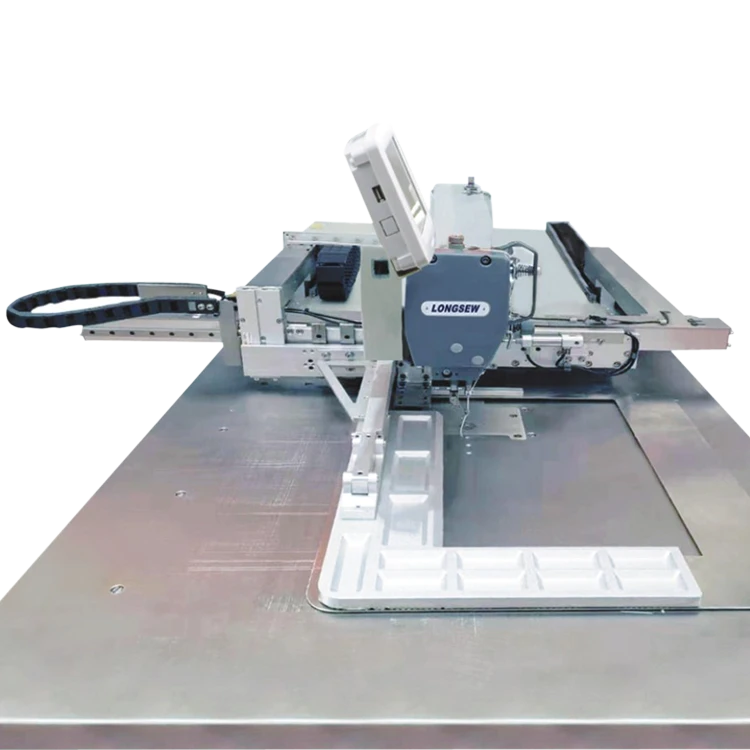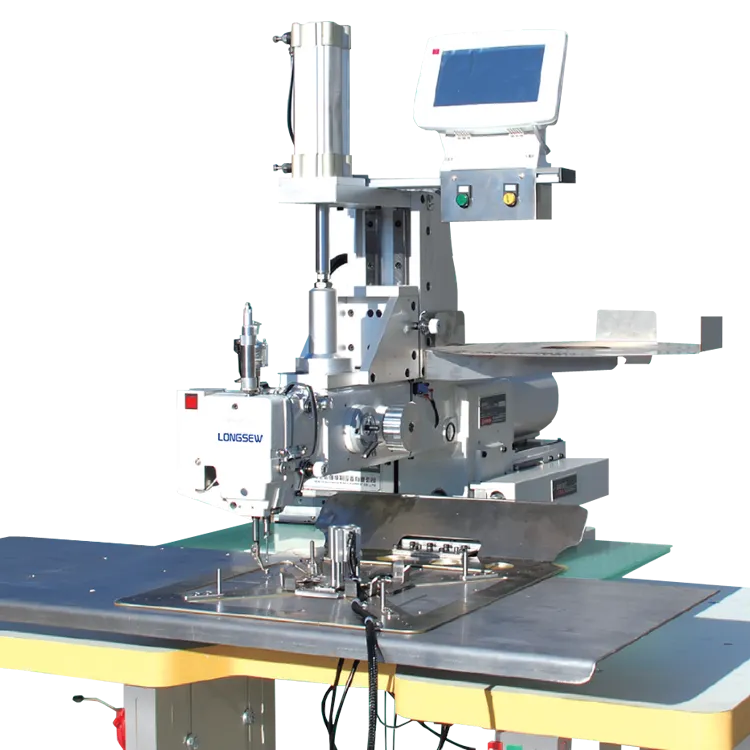
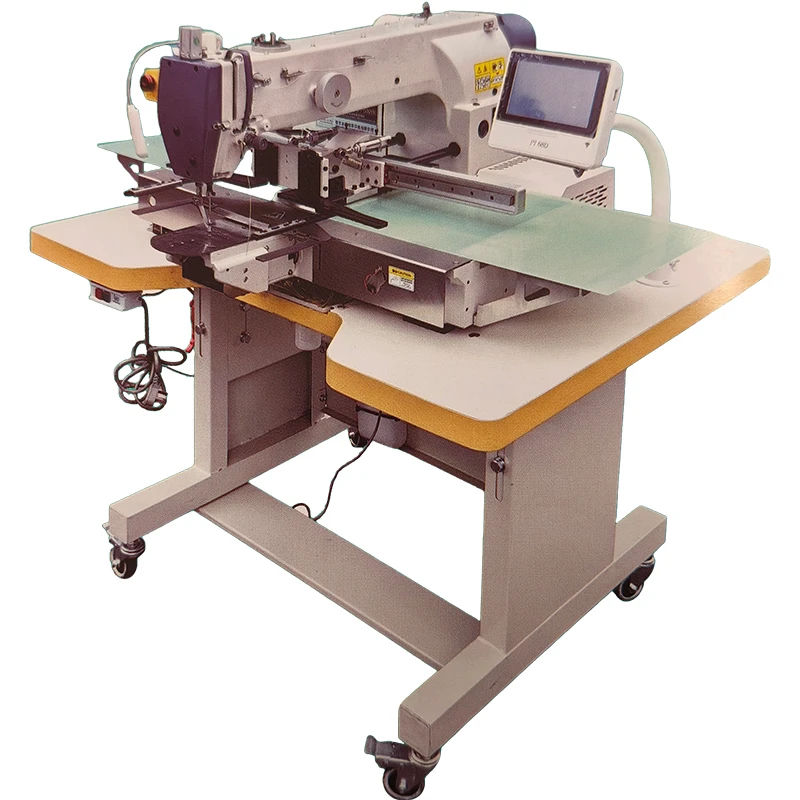
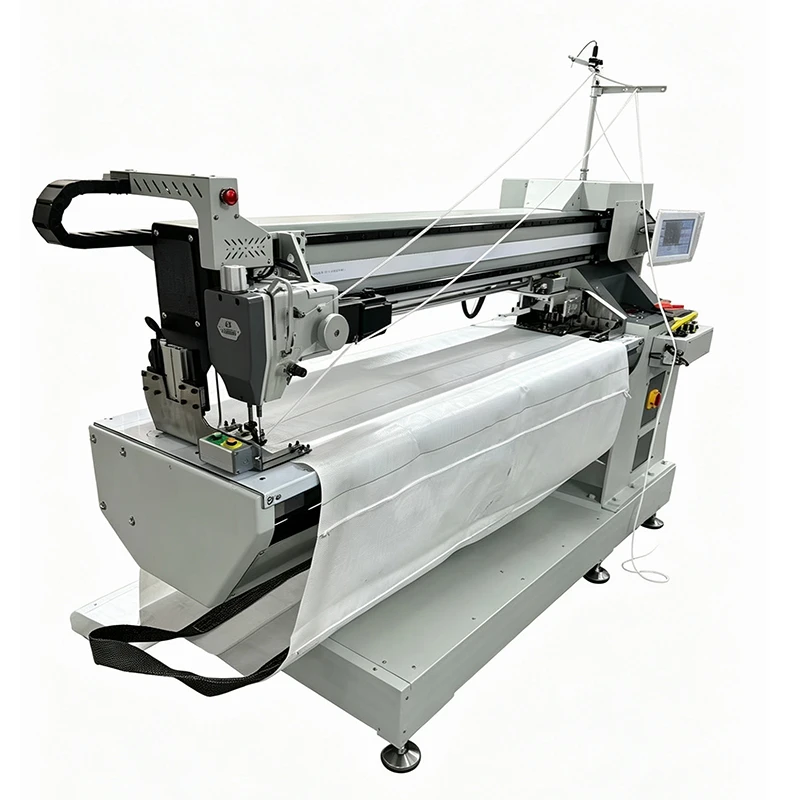
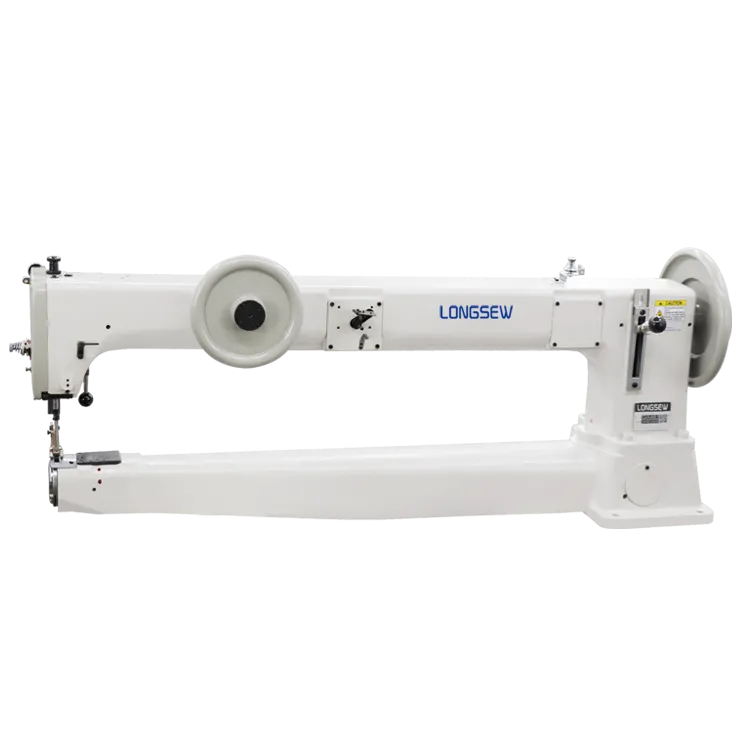
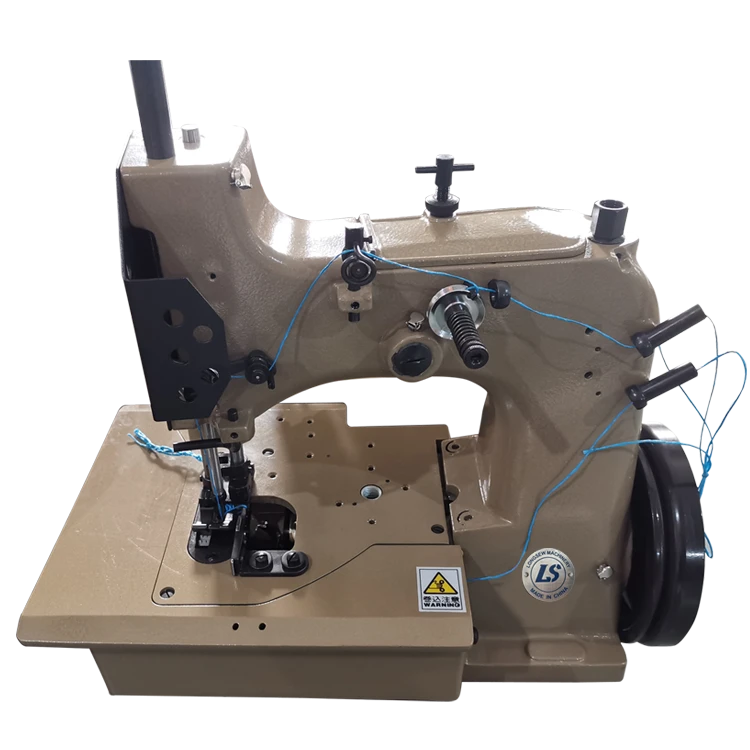
Industrial jumbo bag sewing machine Solutions for Tanzania

Empowering Tanzania's agricultural and mining sectors with heavy-duty stitching technology for high-capacity packaging.

Tanzanian Packaging Industry Current State

Analyzing the intersection of logistical needs and machinery adoption in East Africa.

Tanzania's economy is heavily reliant on agriculture and mining, where the transportation of coffee, cashews, and minerals requires robust packaging. The current demand for fibc sewing machine technology is surging as local manufacturers move away from manual stitching to meet international export standards.

Due to the tropical climate and high humidity in coastal regions like Dar es Salaam, machinery durability is a critical pain point. Many local workshops still rely on outdated equipment that struggles with the thick polypropylene fabrics used in big bag sewing machine applications, leading to frequent downtime and leakage issues in bulk bags.

Furthermore, the rise of small-scale processing hubs in the interior highlands has increased the need for portable yet powerful solutions. The adoption of a specialized jumbo bag stitching machine is now seen as a strategic investment to increase throughput and reduce labor costs in regional logistics centers.

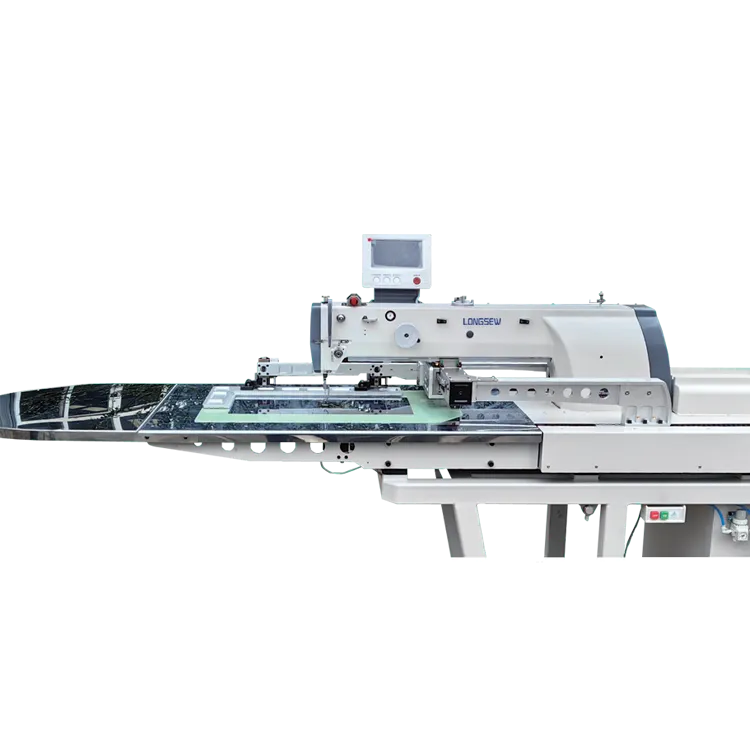
Evolution of Stitching Technology in Tanzania

From traditional handheld tools to automated industrial systems.

Market Development History

Prior to 2010, the Tanzanian market was dominated by basic manual bag closers used primarily for small grain sacks. The focus was on low-cost, low-volume production with minimal attention to seam strength or load-bearing capacity.

Between 2012 and 2020, as the mining sector expanded, there was a pivotal shift toward the 50 kg jute bag making machine and early-stage FIBC equipment. This period marked the transition toward semi-automated systems capable of handling heavier industrial fabrics.

Since 2021, the integration of servo-motor technology and reinforced frames has become the standard. Modern facilities now implement high-speed, automated stitching lines to satisfy the rigorous safety requirements of the global supply chain.

Future Development Trends

IoT Integration for Maintenance

We predict a shift toward smart machinery that can alert operators in remote Tanzanian provinces when a needle replacement or lubrication is required, reducing unplanned outages.

Eco-friendly Material Compatibility

As global regulations shift, there will be an increased demand for machines capable of stitching biodegradable and recycled polymers without compromising seam integrity.

Modular Automation

Future trends show a move toward modular units that allow manufacturers to scale from a single station to a full production line as their business grows.

Industry Trends and Future Outlook

Strategic technological trajectories for the African textile machinery market.

High-Tensile Seaming
Advancements in needle geometry and thread tension to handle heavier FIBC loads.
Energy Efficient Motors
Integration of energy-saving servos to reduce operational costs in areas with unstable power.
Dust-Proof Engineering
Enhanced sealing mechanisms to protect internal components from mineral dust and fibers.
Rapid-Swap Tooling
Quick-change needle and bobbin systems to minimize downtime during material transitions.

Industry Outlook

Based on Google search trends for industrial equipment in East Africa, there is a significant increase in queries related to "automated bag closing" and "FIBC production lines." This indicates a move toward industrialization in Tanzania's packaging sector.

We anticipate that within the next 3-5 years, the adoption of integrated sewing cells will replace standalone machines, allowing for a seamless flow from bag cutting to final stitching.

Localized Application Scenarios in Tanzania

Real-world deployments of our sewing technology across various Tanzanian industries.

01. Cashew Nut Export Packaging

Using high-speed stitching systems to secure heavy-duty bags for export from Mtwara, ensuring that seams withstand long-distance maritime shipping.

02. Gold and Mineral Ore Bagging

Deploying dust-resistant machines in mining sites to sew reinforced bags that prevent leakage of precious minerals during transport to Dar es Salaam.

03. Coffee Bean Bulk Handling

Implementation of precision sewing for 50kg and 100kg bags in the Arusha region, focusing on breathability and seam strength.

04. Fertilizer Distribution Centers

Utilizing automated bag closers for the rapid sealing of agricultural inputs, increasing the efficiency of regional distribution hubs.

05. Cement and Construction Material Bagging

Applying heavy-duty stitching for industrial-grade sacks that must endure extreme pressure and abrasive environments.

Brand Story

Global Development Journey of Hebei Longsew Machinery Technology Co., Ltd.

Founding Excellence

Established with a vision to bridge the gap between raw industrial power and precision engineering in the textile machinery sector.

Technological Breakthrough

Developed the first generation of reinforced heavy-duty sewing heads specifically for synthetic polymer fabrics.

Global Market Expansion

Expanded operations into East Africa, establishing strong partnerships with Tanzanian industrial leaders.

Innovation in Sustainability

Launched a series of energy-efficient motors to help clients reduce their carbon footprint and operational costs.

Future Vision

Dedicated to solving the most complex stitching challenges in the FIBC industry through continuous R&D and local support.

Tanzania Industrial Sewing FAQs

Expert answers to the most common technical queries from our Tanzanian clients.

Which fibc sewing machine is best for high-humidity coastal areas in Tanzania?

We recommend our corrosion-resistant models with reinforced sealing and specialized lubricants to prevent rust and wear in humid environments like Dar es Salaam.

Can a jumbo bag sewing machine handle multi-layer polypropylene fabrics?

Yes, our industrial machines are specifically engineered with high-torque motors and heavy-duty needles to penetrate multiple layers of thick PP fabric effortlessly.

What is the maintenance cycle for a big bag sewing machine in mining environments?

Due to high dust levels in mining, we recommend a weekly cleaning of the feed dogs and a monthly deep lubrication of the internal gears.

How do I calibrate my 50 kg jute bag making machine for different thread types?

Calibration involves adjusting the tension discs and matching the needle size to the thread gauge. Our technical guides provide step-by-step instructions for various jute weights.

Is the jumbo bag stitching machine compatible with local power grids in Tanzania?

Our machines come with customizable voltage options and we strongly recommend using a stabilizer to protect the servo motor from voltage fluctuations.

What is the lead time for spare parts delivery to Tanzania?

We maintain a strategic stock of wear-and-tear parts. Shipping typically takes 7-14 days via air freight to ensure your production line stays active.

Consult Our Technical Experts

Ready to upgrade your packaging capacity in Tanzania? Our engineers are available to design the perfect stitching solution for your facility.

Contact Us Now

If you are interested in our products, you can choose to leave your information here, and we will be in touch with you shortly.