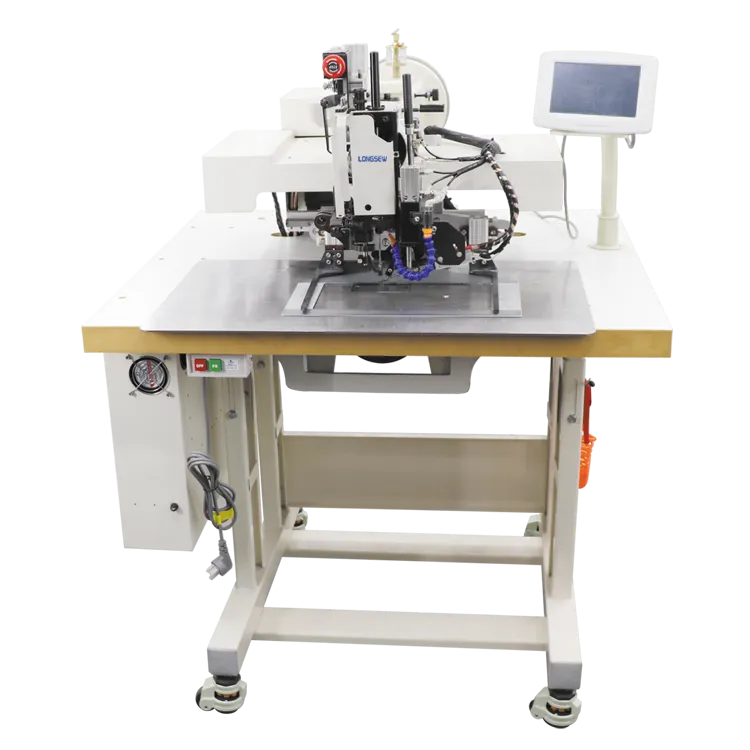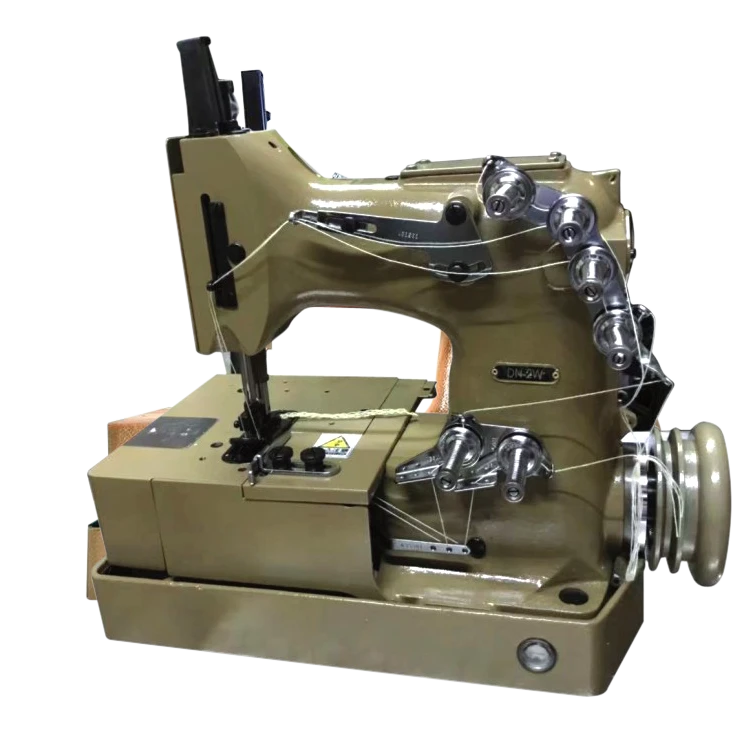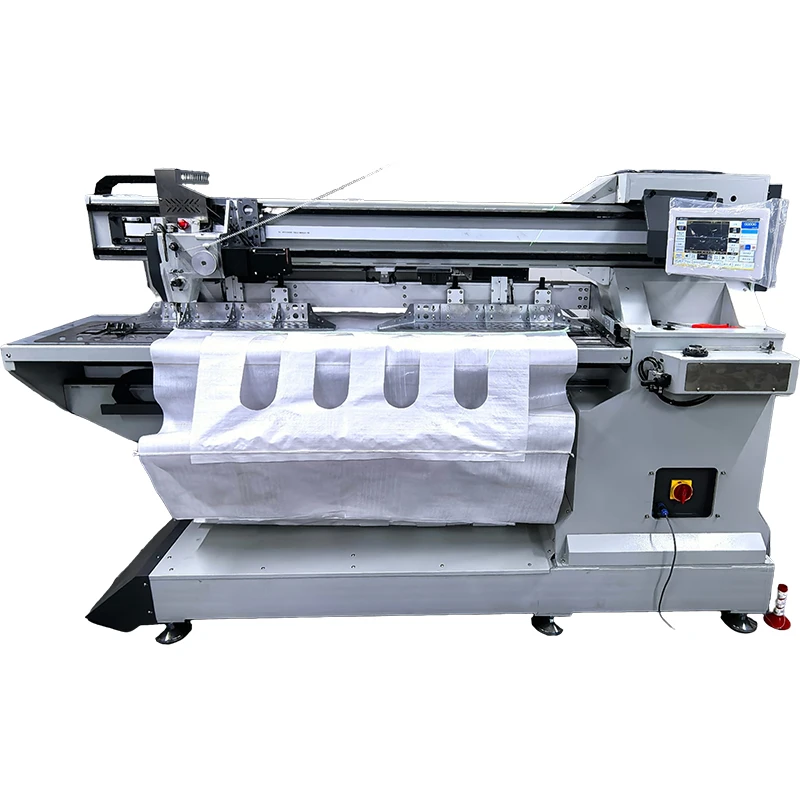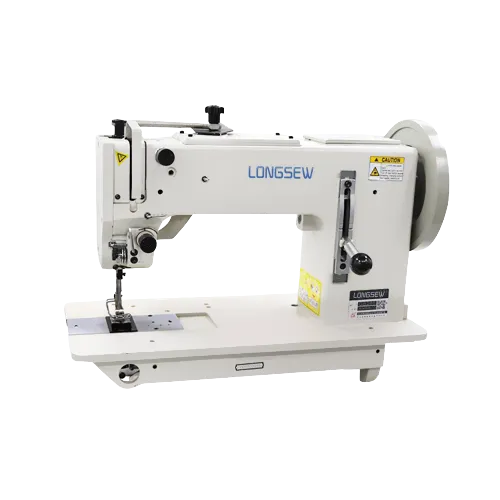
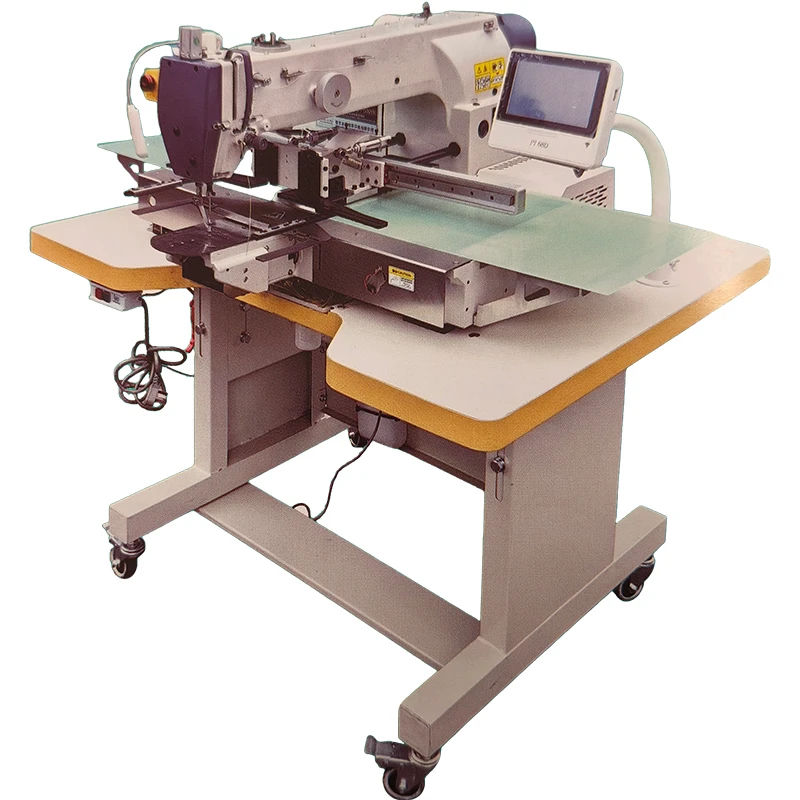
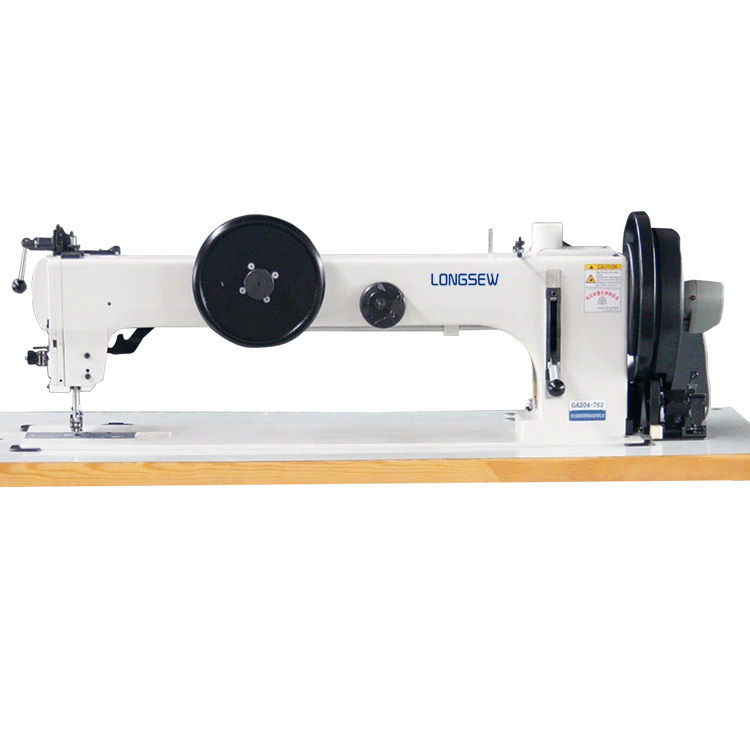
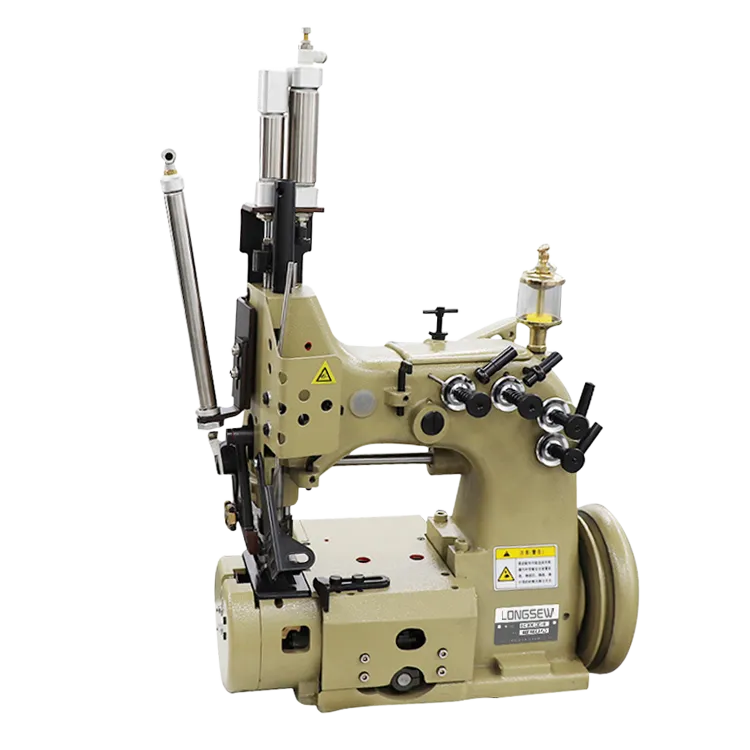
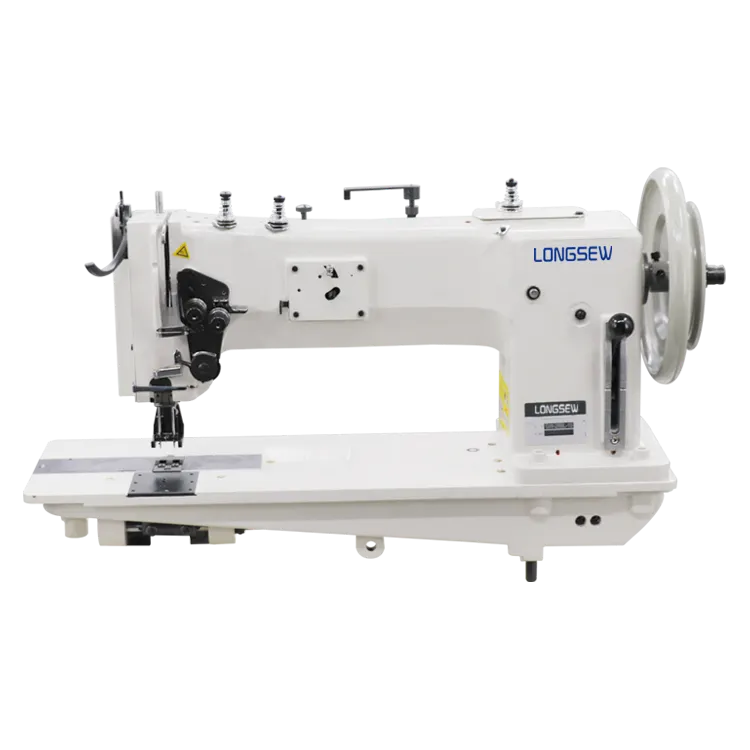
In North Korea, the textile and packaging industry is heavily focused on self-reliance and the support of agricultural exports. The demand for a reliable fibc sewing machine is driven by the need to transport minerals, grains, and chemicals in bulk, requiring machinery that can withstand continuous operation in challenging environments.
Geographically, the northern climate imposes specific demands on equipment durability. Many factories rely on older mechanical systems, creating a critical gap for modern big bag sewing machine technology that offers higher precision and reduced downtime, which is essential for maintaining production quotas in state-led industrial zones.
Current market dynamics show a shift toward diversifying packaging sizes. While traditional methods persisted, there is an increasing requirement for a specialized 50 kg jute bag making machine to handle smaller, standardized agricultural shipments, bridging the gap between traditional jute weaving and modern synthetic polymers.