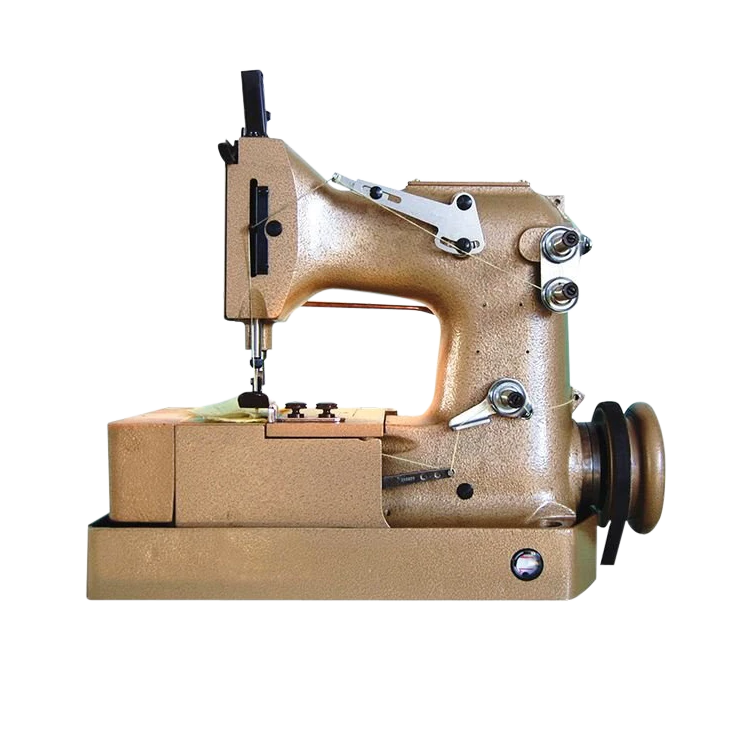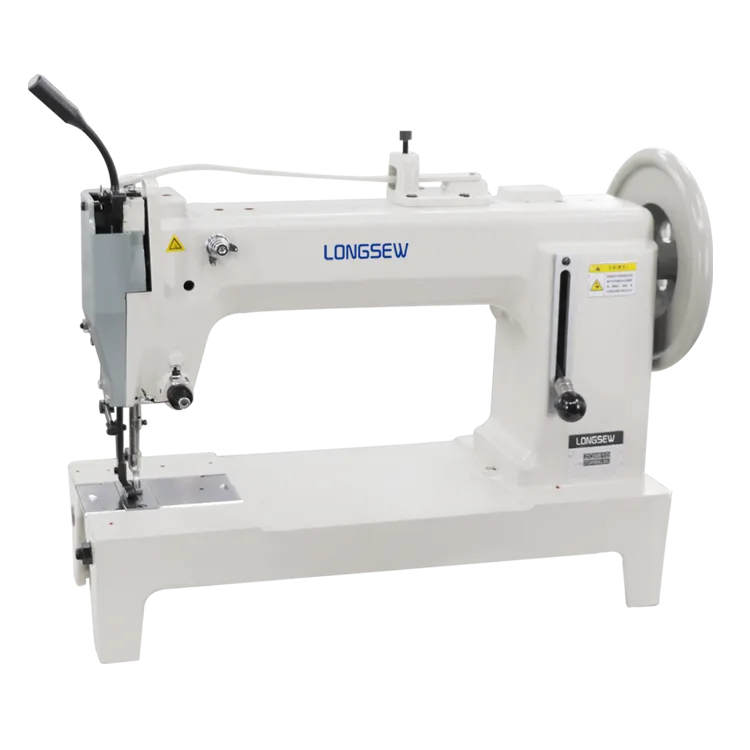
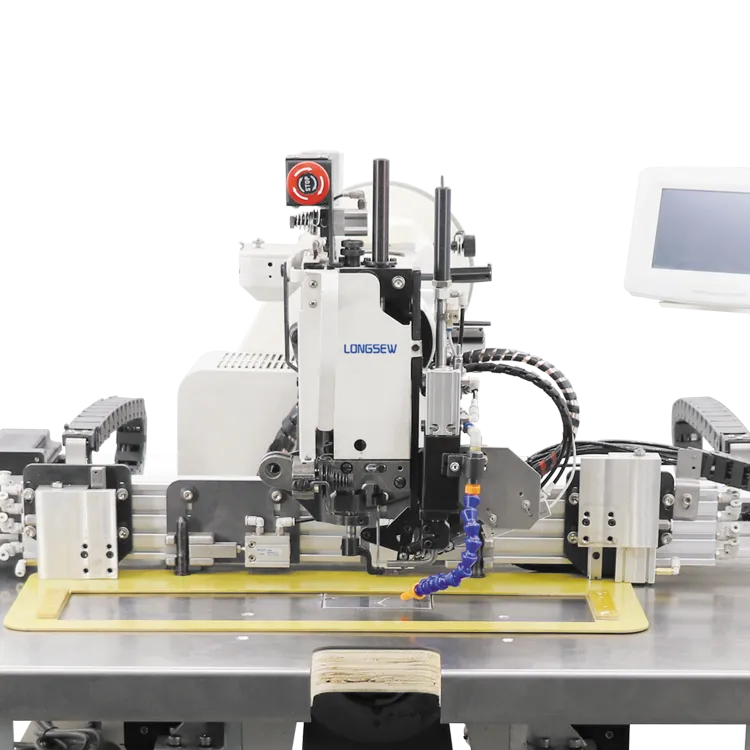
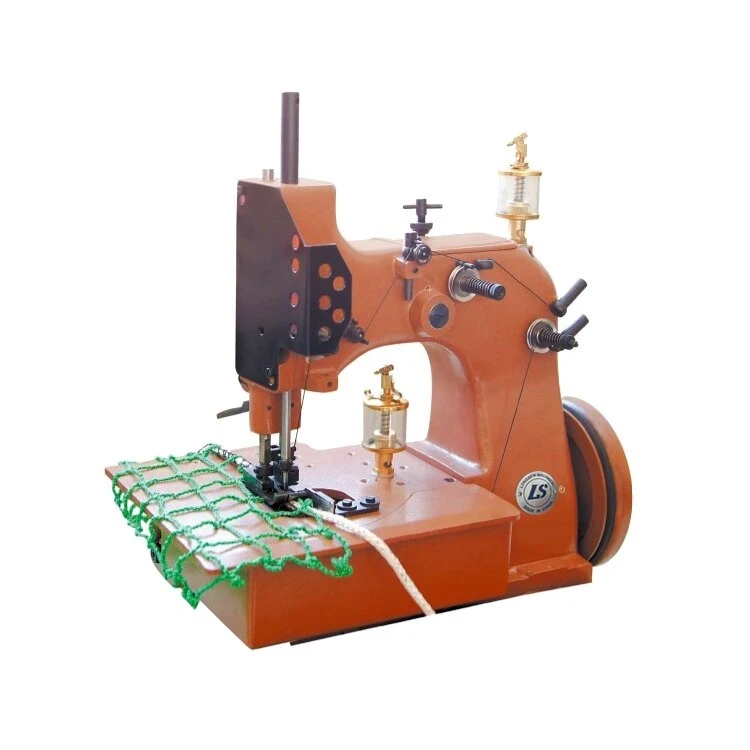
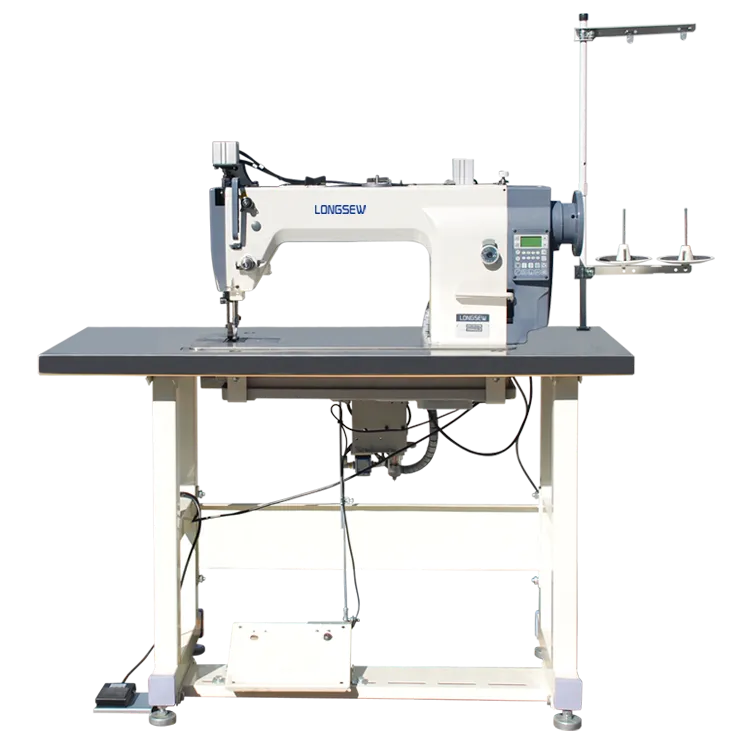
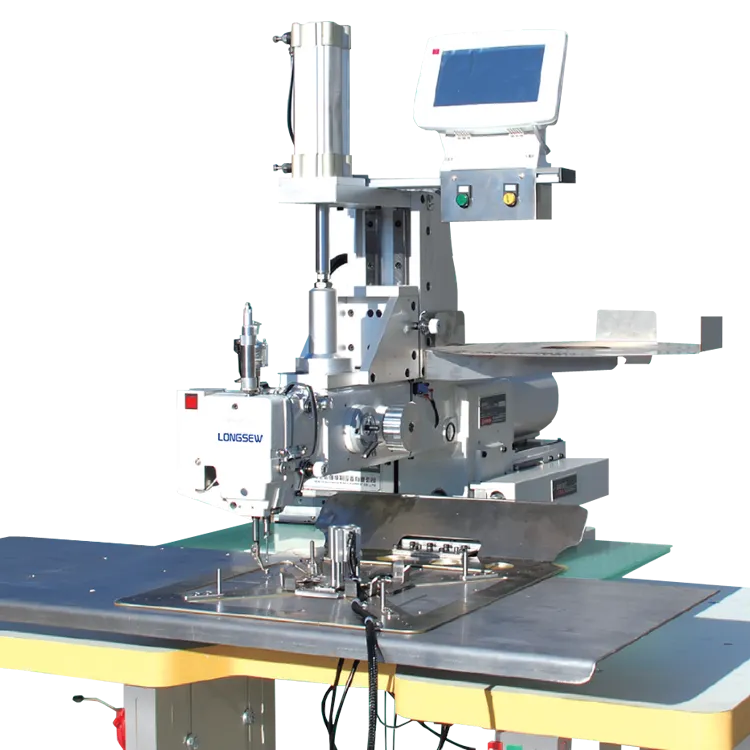
Industrial jumbo bag sewing machine Solutions for Kenya's Logistics

High-performance industrial stitching systems designed to empower Kenya's agricultural and manufacturing sectors with unmatched durability and precision.

Packaging Infrastructure in Kenya

Analyzing the current state of industrial bag manufacturing in East Africa

Kenya serves as the logistical hub for East Africa, where the demand for heavy-duty packaging is driven by the export of tea, coffee, and minerals. The local industry relies heavily on the big bag sewing machine to create durable containers capable of withstanding long-distance transit and varying humidity levels across the Rift Valley.

Currently, many Kenyan factories face challenges with equipment downtime due to dust accumulation from raw materials. The need for a robust jumbo bag stitching machine that can operate in high-dust environments without compromising stitch integrity is critical for maintaining production quotas in Nairobi and Mombasa industrial zones.

Furthermore, the rise of small-scale agricultural cooperatives has increased the demand for versatile equipment, such as the 50 kg jute bag making machine, to support localized grain and seed packaging, bridging the gap between traditional manual labor and full-scale industrial automation.
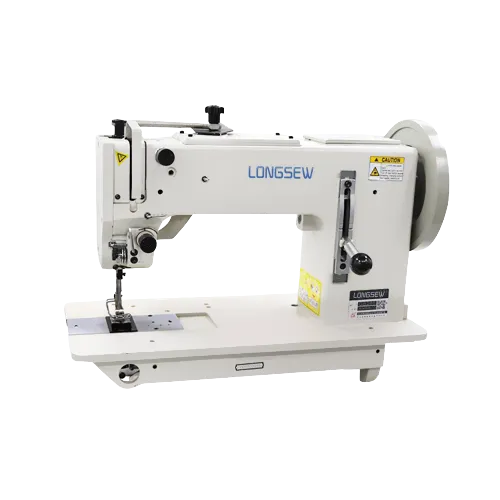
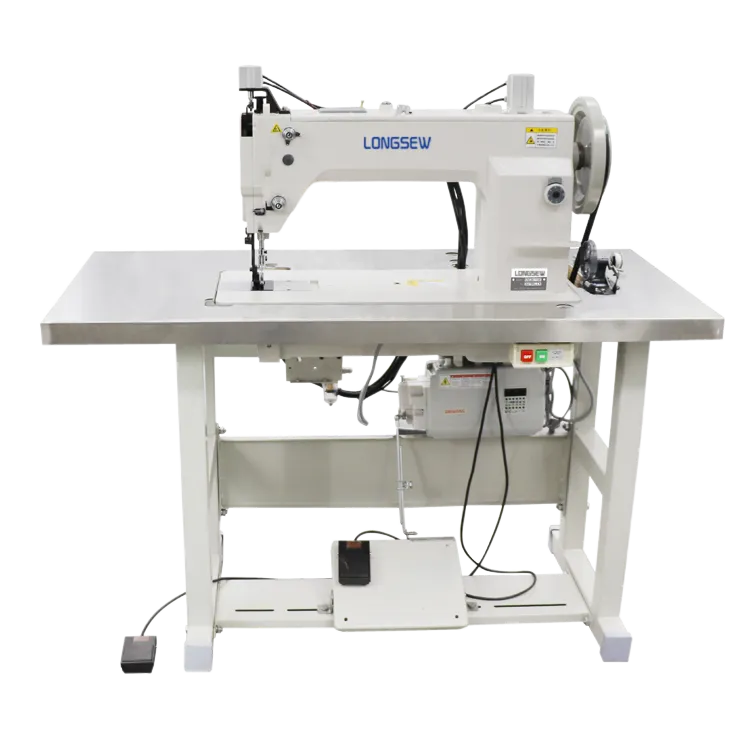
Evolution of Textile Machinery in Kenya

From manual stitching to automated FIBC production lines

Market Development History

In the early 2000s, the Kenyan packaging sector relied primarily on imported pre-made bags and basic manual sewing tools. Production was fragmented, with limited capacity for heavy-duty industrial bags.

Between 2010 and 2020, there was a significant shift toward semi-automation. The introduction of the fibc sewing machine allowed local manufacturers to produce Flexible Intermediate Bulk Containers (FIBC) domestically, reducing import costs and increasing the speed of the supply chain.

By 2023, the market entered the era of precision engineering. Modern facilities now integrate high-speed, heavy-duty stitching systems that ensure safety factors (SF) meet international export standards for the global chemical and food markets.

Future Development Trends

IoT-Integrated Maintenance

Integration of sensors in sewing heads to predict needle breakage and lubrication needs, reducing unexpected downtime in remote Kenyan regions.

Energy-Efficient Servo Motors

Transitioning from clutch motors to energy-saving servo systems to combat high electricity costs and unstable power grids in rural industrial parks.

Biodegradable Material Compatibility

Adapting machinery to handle new eco-friendly polymers and reinforced natural fibers as Kenya leads the way in plastic waste reduction.

Future Trends and Industry Outlook

Strategic technological shifts in the East African textile machinery market

Automated Precision
Shift toward fully automatic programming for complex bag shapes and reinforced stress points.
Heavy-Duty Durability
Development of reinforced alloys for sewing heads to handle thicker PP and PE woven fabrics.
Sustainable Production
Optimizing stitch patterns to reduce thread waste and improve bag recyclability.
Local Support Systems
Growth of local technical training centers to maintain complex industrial sewing systems.

Industry Outlook

Looking forward, the Kenyan market is expected to see a CAGR increase in the demand for high-capacity packaging. As the "Silicon Savannah" grows, we anticipate a convergence of textile engineering and smart manufacturing, where the production of bulk bags becomes data-driven.

Google search trends indicate a rising interest in "industrial automation in Kenya," suggesting that manufacturers are moving away from simple manual tools toward integrated production lines that can scale output for the wider African Continental Free Trade Area (AfCFTA).

Localized Application Scenarios in Kenya

Real-world deployments of our sewing technology across Kenyan industries

01. Agricultural Export Hubs

Implementation of heavy-duty stitching systems for tea and coffee bulk bags in Kericho, ensuring leak-proof seals for international shipping.

02. Mining and Mineral Logistics

Utilizing high-strength jumbo bag sewing machine units for transporting soda ash and minerals from Lake Magadi to the coast.

03. Animal Feed Manufacturing

Deploying the 50 kg jute bag making machine for localized production of livestock feed packaging in Nakuru.

04. Chemical & Fertilizer Plants

Customized FIBC production lines using advanced stitching technology to handle hazardous material containment bags.

05. Construction Material Packaging

Rapid production of sand and gravel big bags for Nairobi's expanding infrastructure projects using industrial sewing solutions.

Brand Story

Global Development Journey of Hebei Longsew Machinery Technology Co., Ltd.

Foundational Excellence

Starting with a focus on core mechanical durability, we dedicated our early years to solving the problem of thread breakage in heavy-duty fabrics.

Technological Breakthrough

We pioneered a new lubrication system that allowed sewing machines to operate in extreme dust conditions, a critical need for the African market.

Global Market Expansion

Expanding our footprint across East Africa, we tailored our machinery to meet the specific voltage and environmental challenges of the region.

Innovation in Automation

Integrating PLC controls and servo motors to transition from manual operation to smart, high-efficiency packaging solutions.

Sustainability Commitment

Our current mission is to develop machinery that supports biodegradable fabrics, reducing the environmental impact of industrial packaging.

Frequently Asked Questions in Kenya

Expert answers to common technical and operational queries

What is the best fibc sewing machine for high-dust environments in Kenya?

We recommend machines with enclosed oil systems and reinforced air-filtration to prevent dust from entering the critical gear mechanisms, ensuring longevity in agricultural settings.

How to maintain a jumbo bag sewing machine during peak harvest seasons?

Daily lubrication and needle checks are essential. We suggest a weekly deep-clean of the bobbin area to remove fabric lint and debris.

Can a 50 kg jute bag making machine handle different fabric thicknesses?

Yes, our machines feature adjustable tension controls and interchangeable needle sizes to accommodate various grades of jute and polypropylene.

What is the average lifespan of a jumbo bag stitching machine in industrial use?

With proper maintenance and genuine spare parts, our industrial machines are designed to last over 10 years of continuous operation.

Are these machines compatible with the Kenyan power grid?

Yes, we provide machines with voltage stabilizers and options for 220V/380V configurations to ensure stable performance across Kenya.

Do you provide training for operating a big bag sewing machine?

We offer comprehensive digital manuals and remote video training to help your operators master the equipment quickly and safely.

Ready to Upgrade Your Production?

Contact our technical experts today for a customized sewing solution tailored to the industrial needs of Kenya.

Contact Us Now

If you are interested in our products, you can choose to leave your information here, and we will be in touch with you shortly.