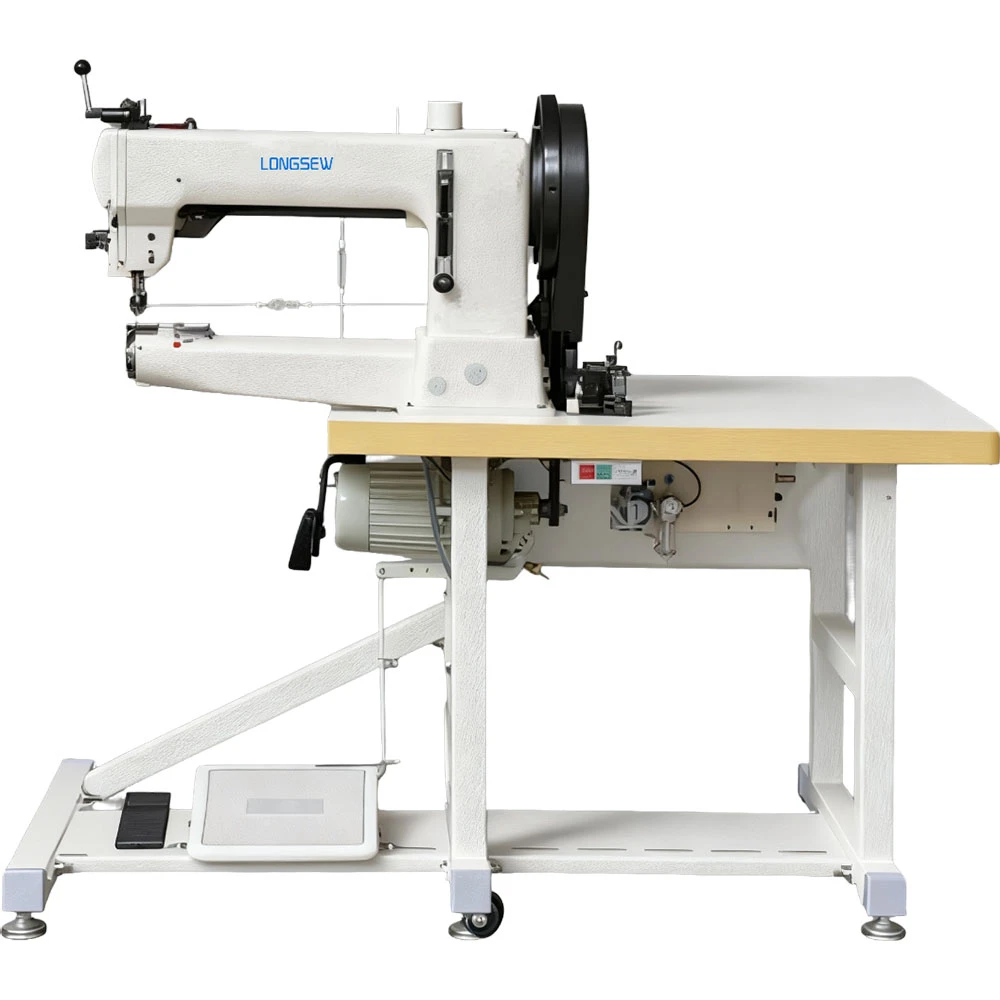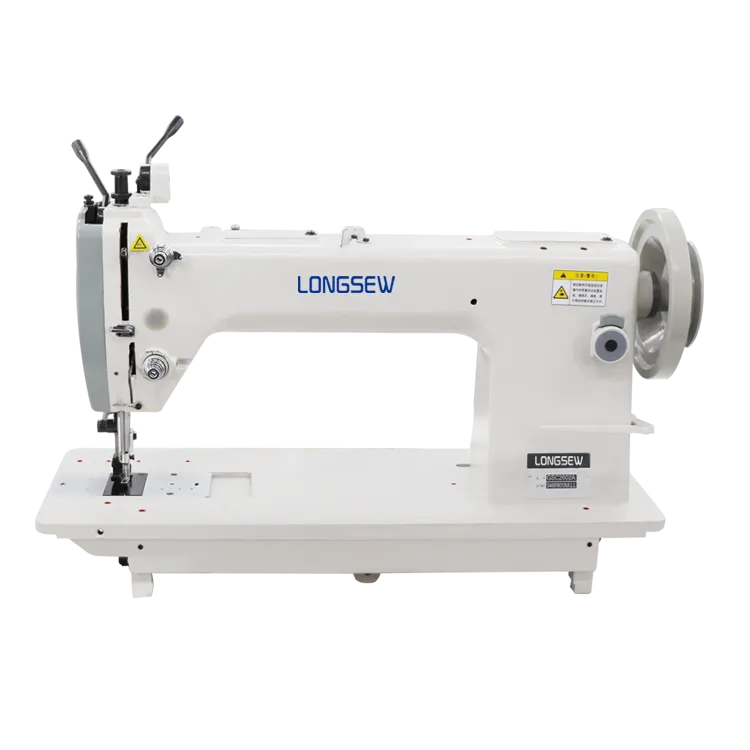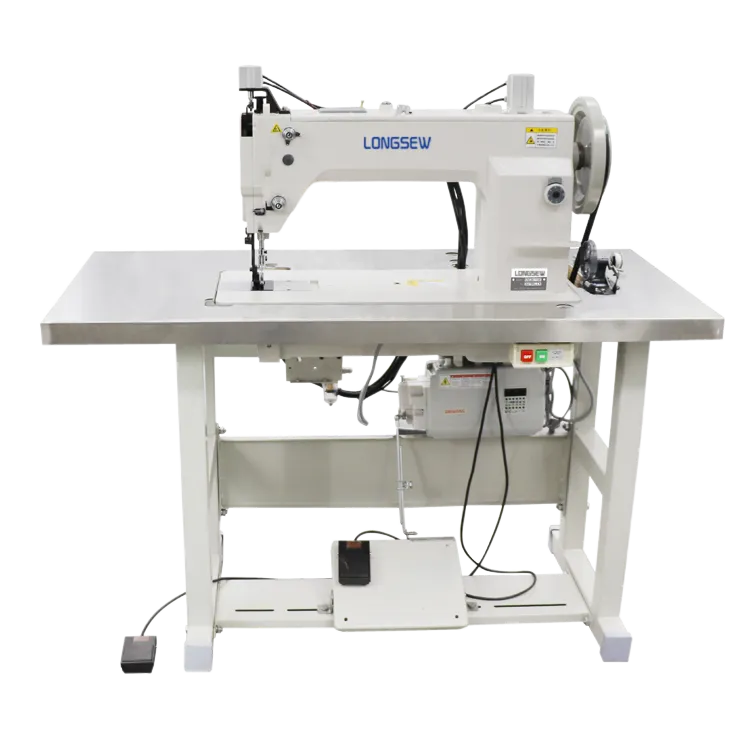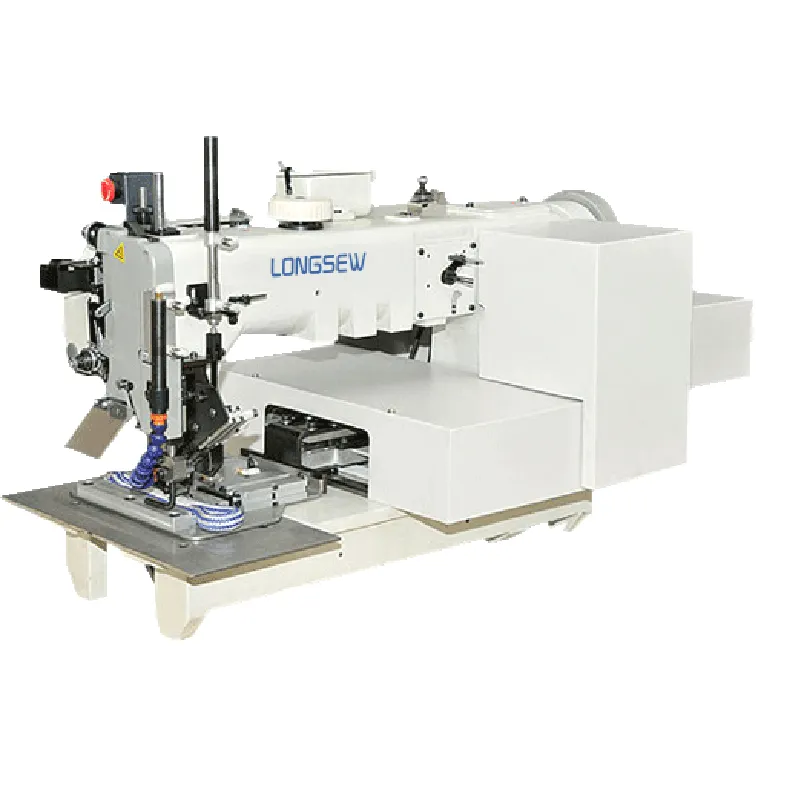
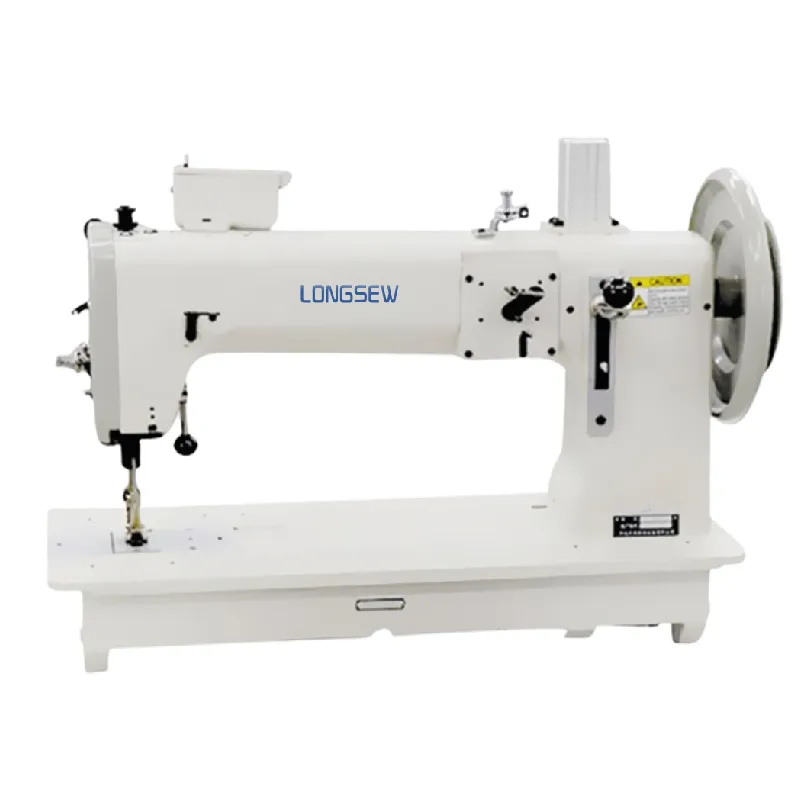
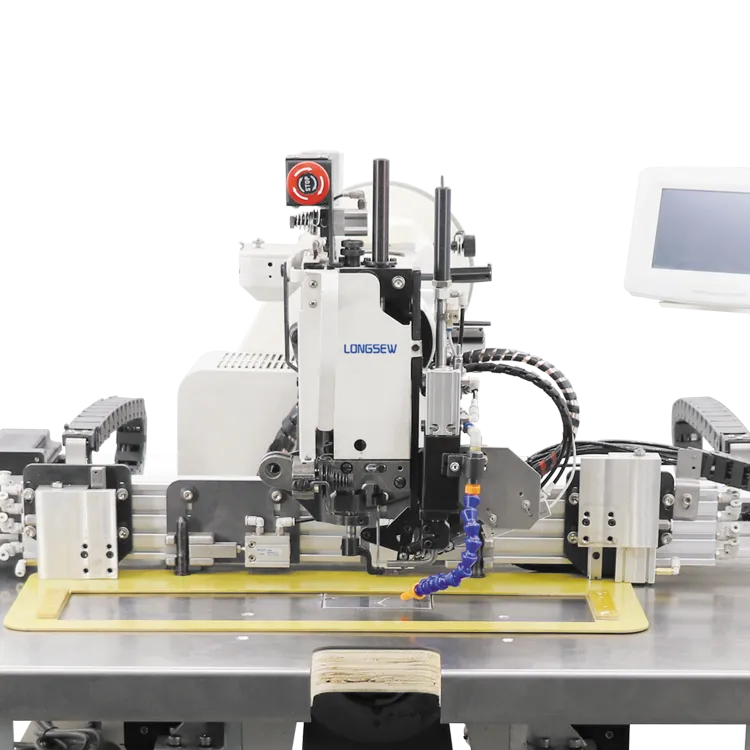

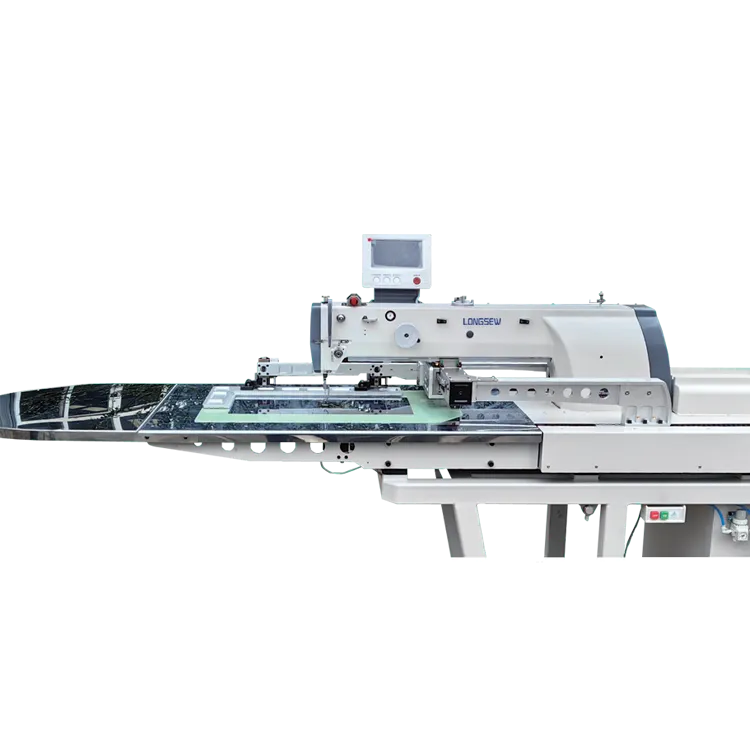
Ethiopia's manufacturing landscape is currently undergoing a rapid transformation, particularly in the agricultural export sector. The high demand for coffee and grain exports has created a critical need for reliable fibc sewing machine technology to ensure secure packaging for international shipping.
However, the local industry often struggles with inconsistent power grids and high humidity in certain regions, which can lead to premature wear and tear of low-quality machinery. This creates a gap for robust, industrial-grade big bag sewing machine equipment that can withstand rigorous daily operation without frequent breakdowns.
Moreover, there is a growing shift toward localization. Ethiopian factories are moving away from importing finished bags and are instead investing in 50 kg jute bag making machine systems to reduce costs and create local employment, signaling a move toward industrial self-sufficiency.