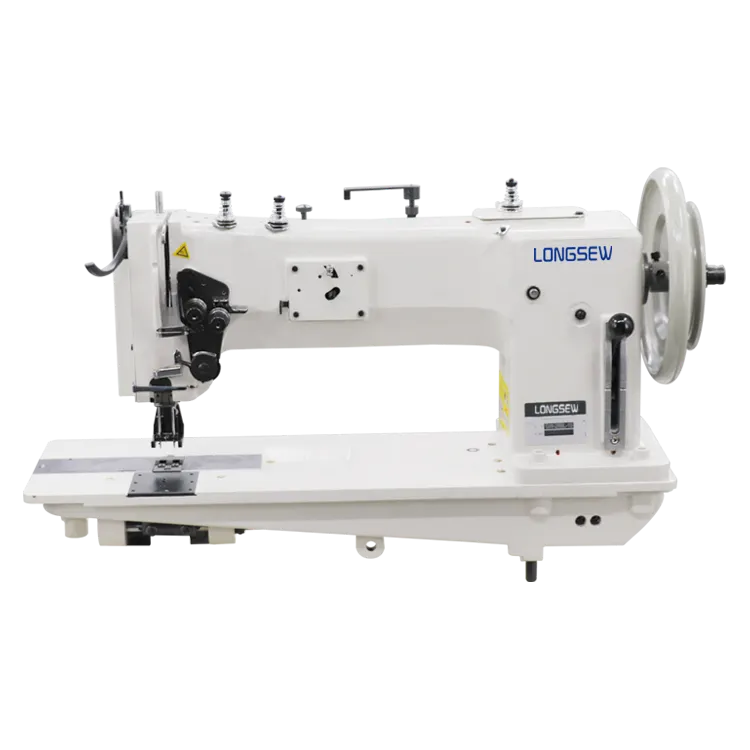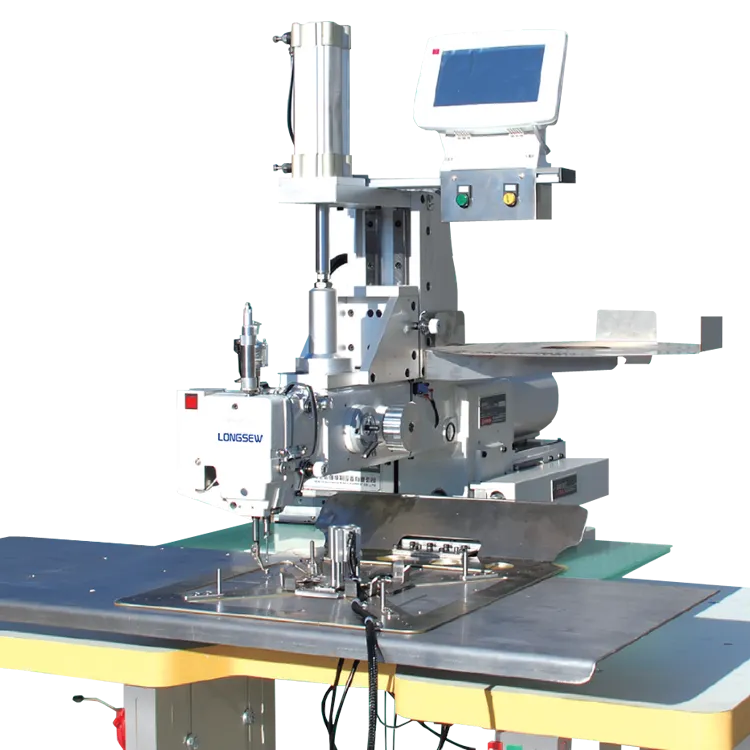
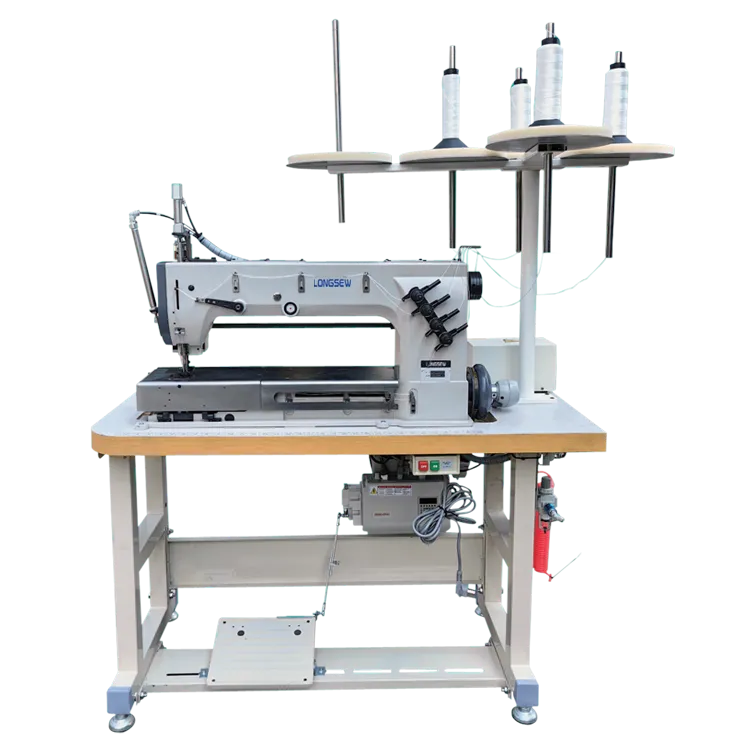
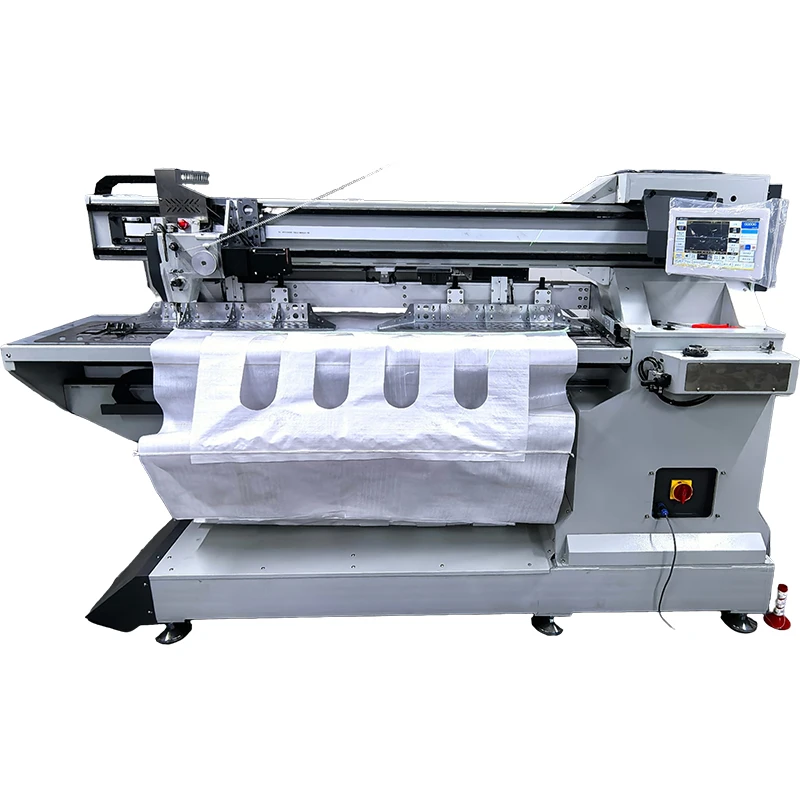
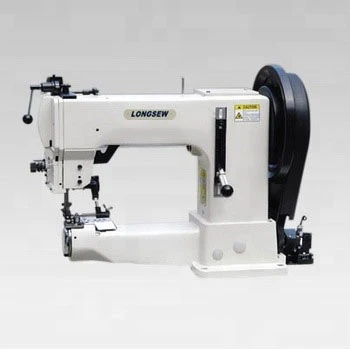
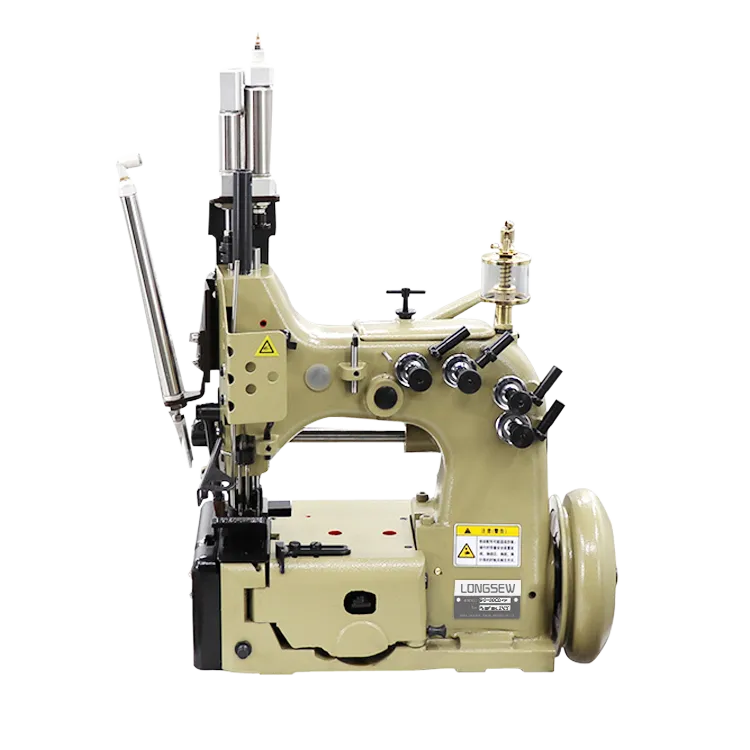
Industrial jumbo bag sewing machine Solutions for Colombia

High-performance heavy-duty stitching systems engineered to optimize the bulk packaging industry across Colombia's agricultural and chemical sectors.

Analyzing the Industrial Packaging Landscape in Colombia

Understanding the intersection of Colombia's export economy and the demand for high-strength bulk bags.

Colombia's strategic position as a major exporter of coffee, minerals, and chemicals creates a massive demand for reliable big bag sewing machine systems. The diverse geography, from the Andean highlands to the coastal ports, requires packaging that can withstand extreme humidity and rugged transportation conditions.

Currently, many local manufacturers are transitioning from manual stitching to automated fibc sewing machine technology. The surge in the mining and agricultural sectors has pushed the market toward higher load-bearing capacities, necessitating more robust seam strength and faster cycle times.

Economic shifts in Colombia are driving a need for energy-efficient equipment. Local factories are increasingly seeking machines that reduce waste and operational costs while meeting international export standards for FIBCs (Flexible Intermediate Bulk Containers).
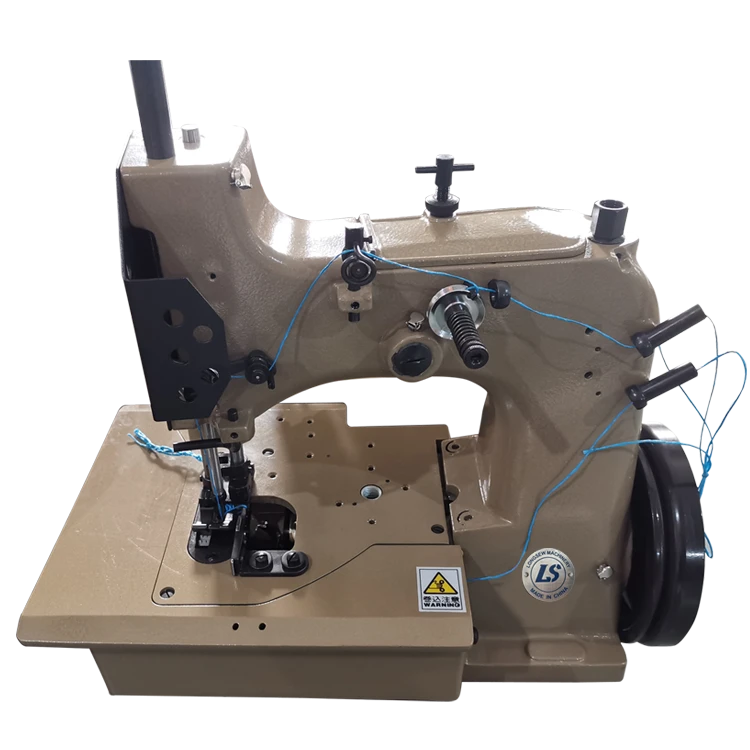
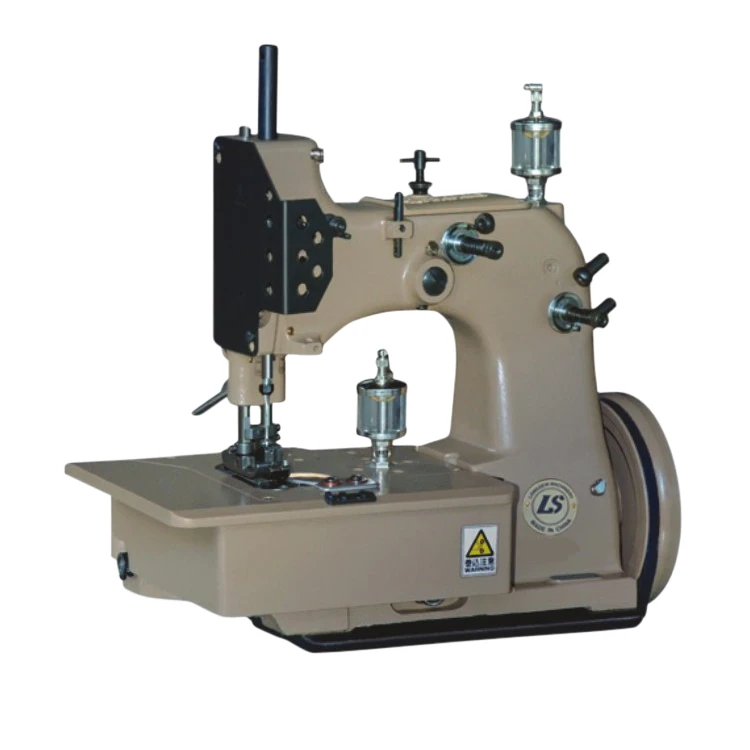
Technical Evolution of Bulk Bag Production in Colombia

From traditional jute stitching to advanced automated FIBC assembly lines.

Market Development History

In the early 2000s, the Colombian market relied heavily on manual 50 kg jute bag making machine units for coffee and grain. These machines were primarily mechanical, focusing on basic closure rather than structural integrity for heavy loads.

By 2010-2015, the shift toward polypropylene (PP) woven fabrics led to the introduction of the first specialized jumbo bag stitching machine models. This era marked the transition toward semi-automatic workflows, increasing the throughput of the textile hubs in Medellin and Bogota.

From 2018 to the present, the integration of servo-motor technology and programmable controllers has redefined the industry, allowing for precision stitching that meets the rigorous safety factors required for global shipping.

Future Development Trends

Intelligent Tension Control

Integration of AI-driven tension sensors to prevent thread breakage during the assembly of heavy-duty FIBCs, reducing downtime in Colombian factories.

Eco-Friendly Material Compatibility

New machinery designs optimized for biodegradable and recycled polymers to align with Colombia's growing environmental regulations.

Modular Automation

A shift toward modular cells where sewing, cutting, and lifting loop attachment are integrated into a single synchronized line.

Future Outlook for Colombian Textile Machinery

Strategic forecasting for the next 3-5 years of bulk bag manufacturing technology.

IoT Integration
Real-time monitoring of stitch counts and machine health via cloud platforms to minimize unexpected outages.
Energy Optimization
Implementation of ultra-low power consumption motors to reduce overhead in high-volume production centers.
Advanced Materials
Machines capable of handling high-tenacity reinforced yarns for extreme-load industrial bags.
Safety Certification
Integrated quality check systems to ensure every bag meets ISO and safety standards for lifting.

Industry Outlook

The Colombian bulk packaging market is expected to grow by 4.5% annually, driven by the modernization of agricultural exports. We anticipate a surge in demand for high-speed, automated stitching solutions that can handle both traditional and innovative synthetic fabrics.

As Colombia integrates further into global trade agreements, the requirement for standardized, high-strength FIBCs will make the adoption of professional-grade sewing machinery a necessity rather than an option for local textile manufacturers.

Localized Application Scenarios in Colombia

Practical implementations of our machinery across Colombia's key industrial sectors.

01. Coffee Export Packaging

Using specialized machines to produce reinforced bulk bags that maintain the freshness of Colombian coffee beans during long-haul maritime shipping to Europe and North America.

02. Mining Mineral Transport

Deploying heavy-duty stitching systems to create ultra-strong FIBCs for the transport of coal and gold ore from the interior mines to the coastal ports.

03. Chemical & Fertilizer Production

Implementing precision sewing for leak-proof bulk bags used in the storage and distribution of industrial fertilizers across the agricultural plains.

04. Agricultural Grain Storage

Utilizing high-capacity machinery to manufacture breathable yet durable bags for maize and soy storage, optimizing ventilation and preventing spoilage.

05. Construction Material Bulk Bags

Producing heavy-load bags for cement and aggregates used in Colombia's urban infrastructure projects in Bogota and Medellin.

Brand Story

Global Development Journey of Hebei Longsew Machinery Technology Co., Ltd.

Foundation of Excellence

Established with a vision to revolutionize the textile machinery industry, focusing on the core challenge of industrial durability and stitch precision.

Technological Breakthroughs

Developed pioneering servo-driven stitching systems that solved the problem of thread tension instability in heavy-duty bulk bag production.

Global Market Expansion

Expanded operations into South America, tailoring equipment to meet the specific climatic and material requirements of the Colombian and Brazilian markets.

Sustainability Commitment

Launched a series of energy-efficient machines designed to reduce the carbon footprint of textile factories worldwide.

Industry Leadership

Today, we stand as a global leader in specialized sewing equipment, empowering manufacturers to produce safer, stronger, and more efficient packaging solutions.

Frequently Asked Questions in Colombia

Expert answers to common technical and commercial queries regarding bulk bag machinery.

How do I choose the right fibc sewing machine for heavy-duty polypropylene fabric?

You should evaluate the fabric GSM and the required Safe Working Load (SWL). For heavy-duty PP, a machine with a high-torque motor and reinforced needle bar is essential to ensure consistent stitch quality without skipping.

Can a jumbo bag sewing machine handle both woven PP and PE materials?

Yes, our professional machines are designed with adjustable tension systems and interchangeable needles, allowing them to switch seamlessly between various synthetic woven materials commonly used in Colombia.

What is the maintenance cycle for a big bag sewing machine in humid coastal regions?

In humid environments like Cartagena or Barranquilla, we recommend weekly lubrication and a monthly check of the electronic components to prevent corrosion and ensure optimal performance.

Is a 50 kg jute bag making machine suitable for modern agricultural exports?

While traditional, our modern versions of these machines include enhanced speed and durability, making them ideal for specialty coffee or cocoa exports that still require traditional jute packaging.

How does a jumbo bag stitching machine improve production safety?

By providing consistent, lock-stitched seams that are tested for high tension, these machines eliminate the risk of bag failure during lifting, protecting workers and cargo.

What training is required to operate an automated industrial sewing line?

We provide comprehensive technical training covering machine calibration, thread replacement, and basic electronic troubleshooting to ensure your Colombian team can operate the equipment at peak efficiency.

Ready to Upgrade Your Production Line?

Contact our engineering team today for a customized machinery consultation for your facility in Colombia.

Contact Us Now

If you are interested in our products, you can choose to leave your information here, and we will be in touch with you shortly.