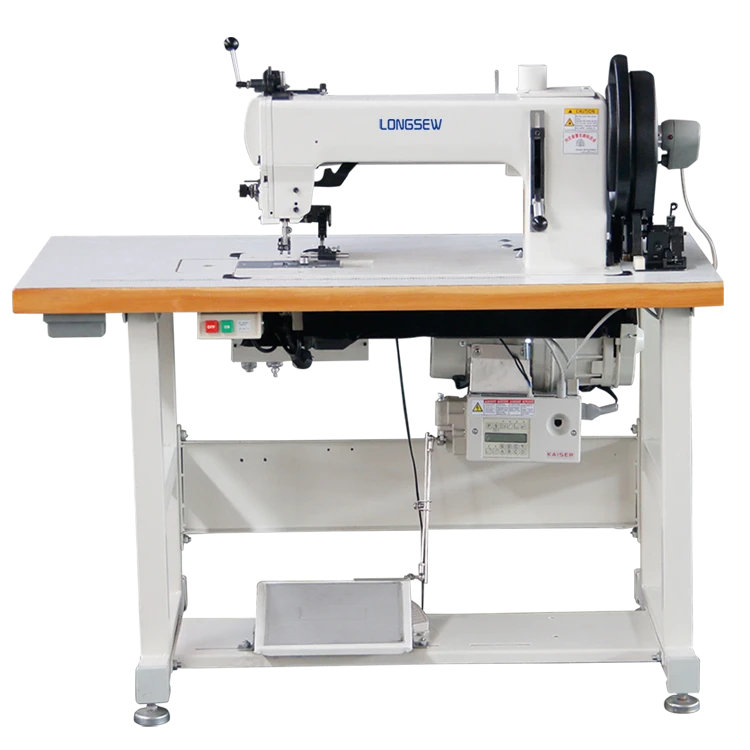
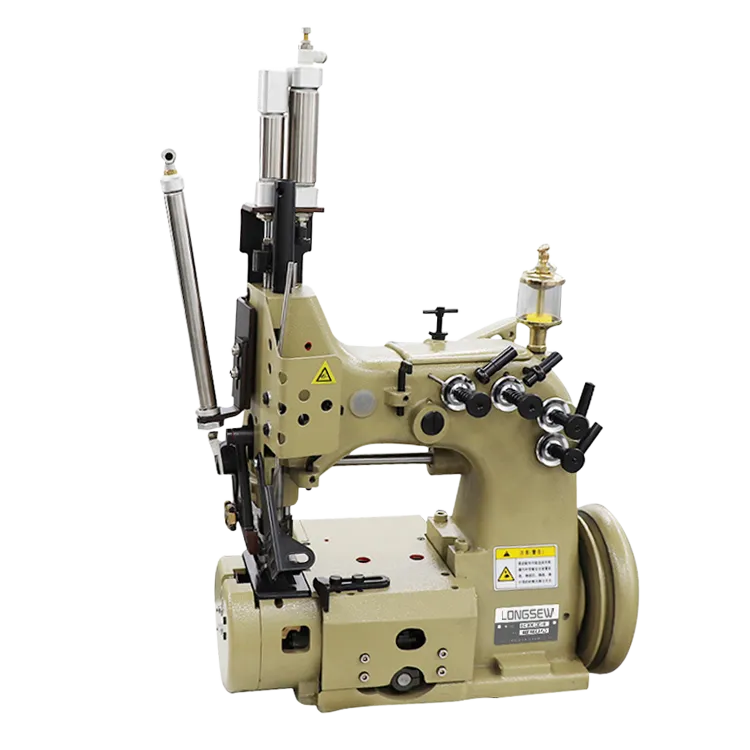
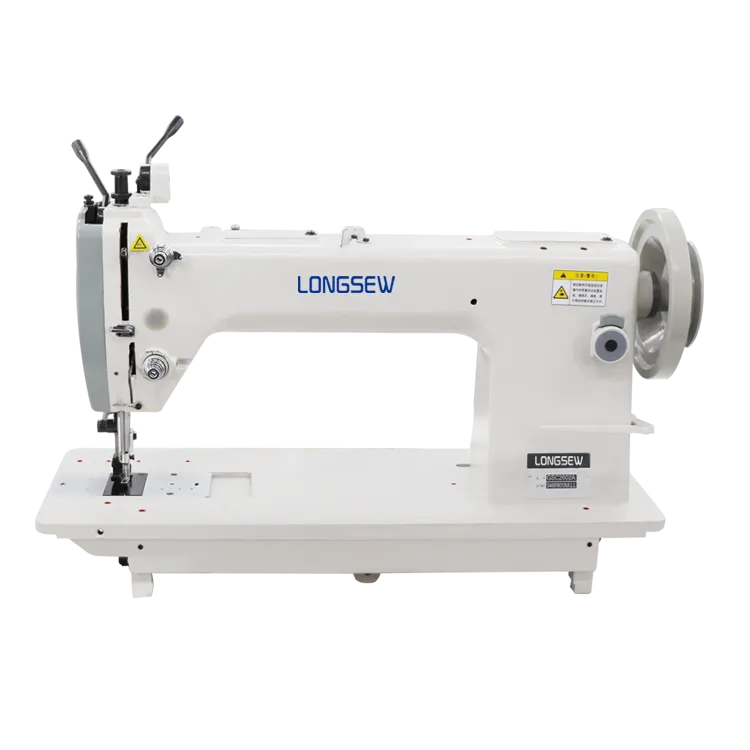
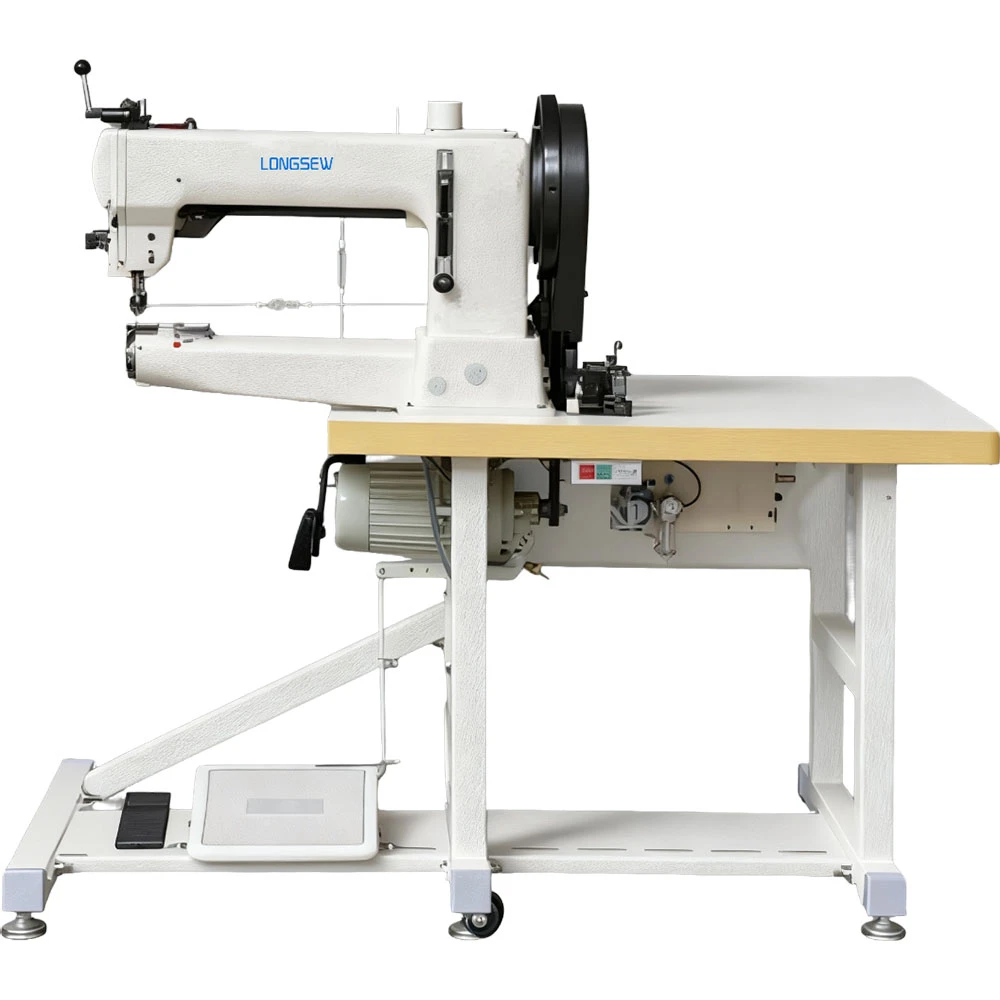
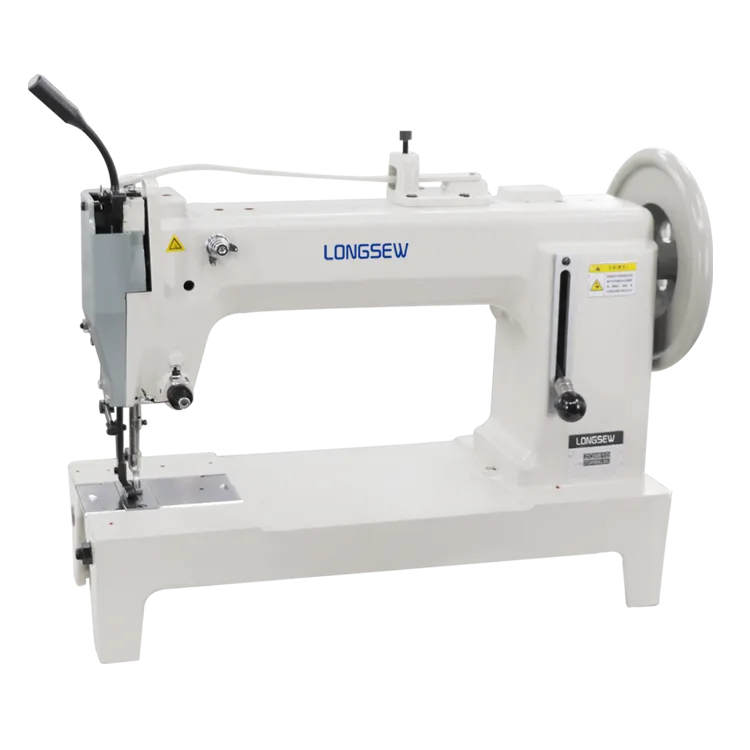
Industrial jumbo bag sewing machine Solutions for Canada

High-performance stitching technology engineered for Canada's demanding agriculture and mining bulk packaging sectors.

The Landscape of Bulk Packaging Manufacturing in Canada

Analyzing the intersection of Canada's resource-based economy and industrial textile requirements.

Canada's manufacturing landscape for bulk bags is heavily driven by its massive agricultural exports (wheat, canola) and a thriving mining sector. The demand for a reliable fibc sewing machine is critical here, as bags must withstand extreme temperature fluctuations—from scorching summers to freezing winters—without seam failure.

In provinces like Saskatchewan and Alberta, the operational environment is often dusty and rugged. This necessitates equipment that is not only precise but also highly durable. The reliance on a professional big bag sewing machine ensures that high-tonnage loads can be securely transported across vast distances from inland ports to coastal shipping hubs.

Furthermore, Canada's strict environmental and safety regulations (OHS) push manufacturers toward automation. There is a significant shift toward reducing manual labor in the stitching process, increasing the adoption of specialized jumbo bag stitching machine units that offer consistent stitch lengths and reinforced seam integrity.
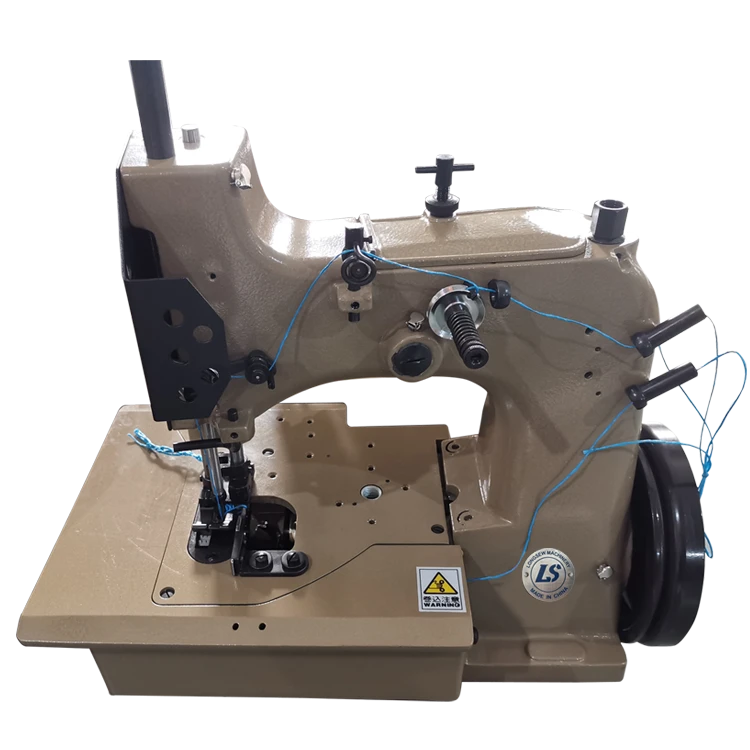
Evolution and Trajectory of Industrial Stitching in Canada

From manual handheld tools to fully integrated automated sewing lines.

Market Development History

In the 1990s and early 2000s, Canadian bag manufacturers relied primarily on basic portable sewing machines and manual labor. The process was slow, and consistency varied between operators, which posed risks for heavy-load FIBCs used in the potash and sulfur mines.

By 2010, the market saw a transition toward specialized stationary workstations. The introduction of the 50 kg jute bag making machine allowed for more diversified packaging options, catering to smaller agricultural shipments while improving the speed of the closing process.

From 2018 to the present, the industry has entered the era of "Precision Automation." Modern facilities now integrate PLC-controlled sewing heads and ergonomic lifting systems, transforming the sewing floor from a manual workshop into a high-throughput industrial facility.

Future Development Trends

IoT-Enabled Maintenance

Integration of sensors into stitching heads to monitor thread tension and needle wear in real-time, reducing downtime in 24/7 Canadian production plants.

Sustainable Material Adaptation

Engineering machines to handle biodegradable and recycled polypropylene fabrics without compromising seam strength or causing fabric fraying.

High-Speed Automated Closing

A move toward fully robotic arm integration for the closing of large bags, significantly increasing the output of the jumbo bag sewing machine lines.

Industry Trends and Future Outlook

Strategic directions for the textile machinery sector in North America.

Smart Automation Integration
Moving toward AI-driven stitch adjustment and automated fabric feeding to eliminate human error in FIBC production.
Eco-Fabric Engineering
Adapting machinery to handle rPET and biodegradable fibers as Canada shifts toward a circular economy.
Energy-Efficient Motors
Transitioning to servo-motor driven systems to reduce electricity consumption in large-scale sewing factories.
Ergonomic Workflow Design
Implementing height-adjustable tables and pneumatic supports to reduce operator fatigue in heavy-duty bag production.

Industry Outlook

Google search trends indicate a rising interest in "automated FIBC production" and "sustainable bulk packaging" within the North American market. As Canada intensifies its trade partnerships, the efficiency of the big bag sewing machine will be the deciding factor in competitive advantage.

We predict that over the next 3-5 years, the industry will move toward modular sewing cells. These cells will allow manufacturers to quickly pivot between producing 50kg bags and multi-ton jumbo bags, providing the flexibility required by the volatile global commodity market.

Localized Application Scenarios in Canada

How our sewing solutions solve real-world challenges in Canadian industries.

01. Prairie Province Grain Export

Utilizing high-speed jumbo bag sewing machine units to secure 1,000kg wheat and canola bags for export, ensuring no leakage during long-haul rail transport to Vancouver ports.

02. Northern Mining Operations

Applying reinforced jumbo bag stitching machine technology to create heavy-duty bags for transporting ore and minerals in the rugged terrains of Nunavut and Quebec.

03. Organic Fertilizer Production

Implementing the 50 kg jute bag making machine for eco-friendly packaging of organic fertilizers in Ontario's greenhouse sectors, meeting local sustainability demands.

04. Industrial Chemical Packaging

Using precision fibc sewing machine systems to create leak-proof, reinforced seams for hazardous chemical powders used in Alberta's oil sands processing.

05. Construction Aggregate Transport

Deploying heavy-duty big bag sewing machine setups to produce bags for sand and gravel, designed to withstand the abrasive nature of construction materials.

Brand Story

Global Development History of Hebei Longsew Machinery Technology Co., Ltd.

Foundational Engineering

Started with a mission to solve the common problem of seam bursting in industrial bags, focusing on high-torque motor integration.

Technological Breakthrough

Developed the proprietary tension-control system that allows machines to handle varying fabric thicknesses without skipping stitches.

Global Market Expansion

Expanded into the North American market, adapting machine specifications to meet the rigorous safety and power standards of Canada.

Innovation Leadership

Launched the first series of fully automated stitching heads that integrate seamlessly with existing bag-making conveyor lines.

Sustainable Future

Now leading the industry in energy-efficient textile machinery, helping global clients reduce their carbon footprint through smarter engineering.

Common Questions for Canadian Manufacturers

Expert answers to the technical challenges of bulk bag production.

How do I choose the right fibc sewing machine for heavy-duty mining bags?

For mining bags, you need a machine with a reinforced frame and a high-torque motor capable of penetrating multiple layers of heavy polypropylene fabric. Look for models with adjustable stitch length to ensure maximum seam strength.

What is the maintenance cycle for a jumbo bag sewing machine in dusty environments?

In dusty Canadian agricultural or mining plants, we recommend daily air-cleaning of the bobbin area and weekly lubrication of the moving parts to prevent friction and premature wear.

Can a 50 kg jute bag making machine be adapted for synthetic fabrics?

Yes, by adjusting the feed dog timing and changing the needle type, these machines can be optimized for various fabrics, although they are specifically engineered for the unique texture of jute.

Do your big bag sewing machine models comply with Canadian electrical standards?

Yes, all our equipment exported to Canada is configured for 110V/220V standards and includes necessary safety certifications to ensure safe industrial operation.

What is the difference between a jumbo bag stitching machine and a standard sewing machine?

A jumbo bag stitching machine is designed for high-tensile strength seams and can handle much thicker materials than standard machines, featuring specialized needles and heavy-duty thread guides.

How to reduce thread breakage when using a jumbo bag sewing machine?

Thread breakage is usually caused by improper tension or low-quality thread. We recommend using high-tenacity bonded polyester thread and calibrating the tension disc according to the fabric weight.

Ready to Optimize Your Production?

Our technical experts are ready to help you deploy the most efficient sewing solutions across Canada.

Contact Us Now

If you are interested in our products, you can choose to leave your information here, and we will be in touch with you shortly.