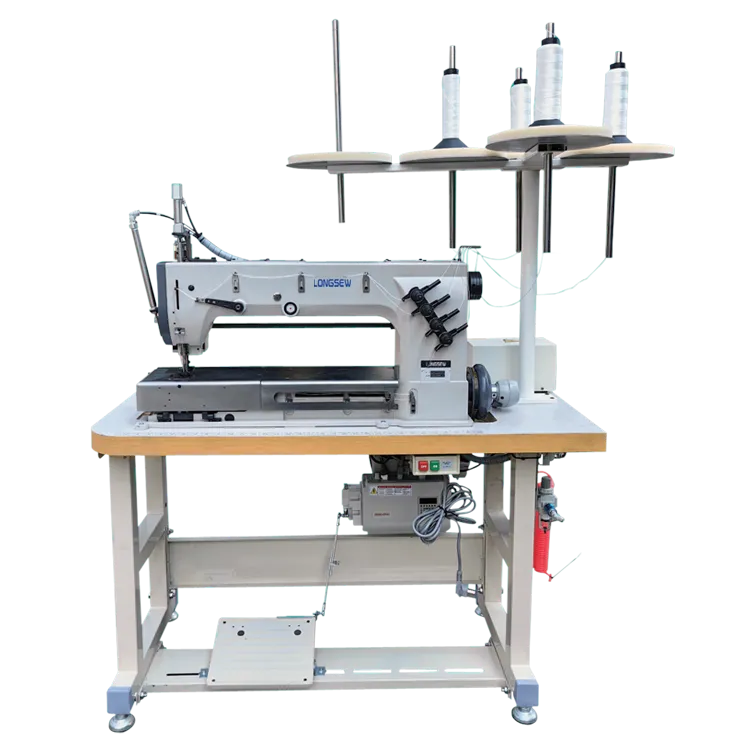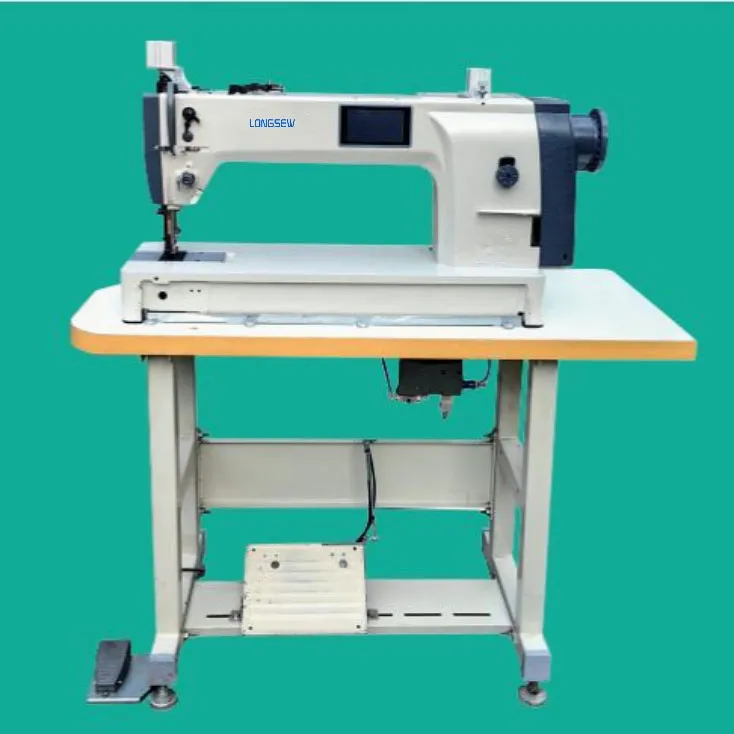
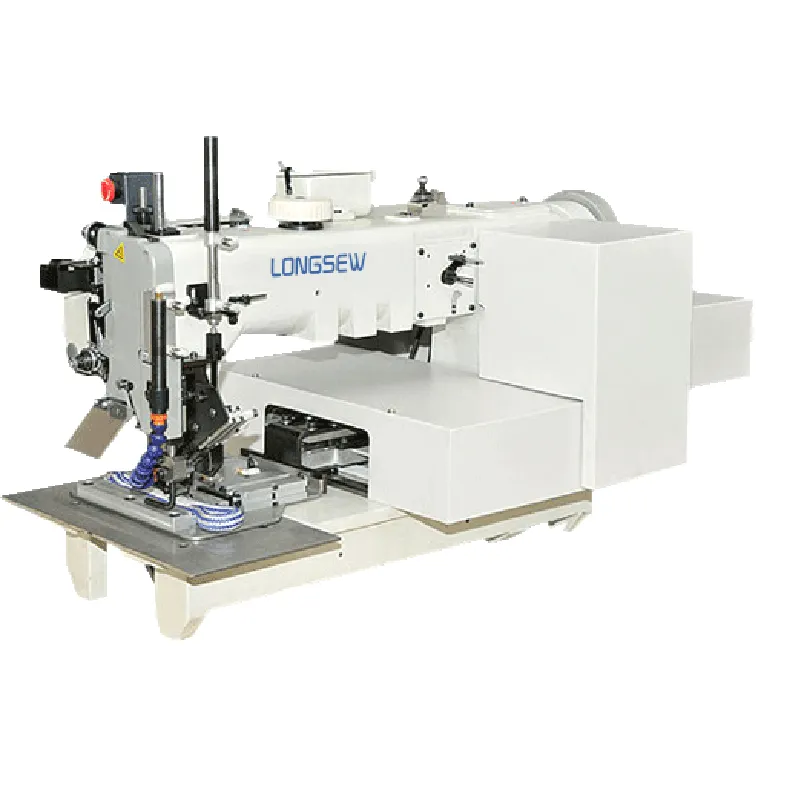
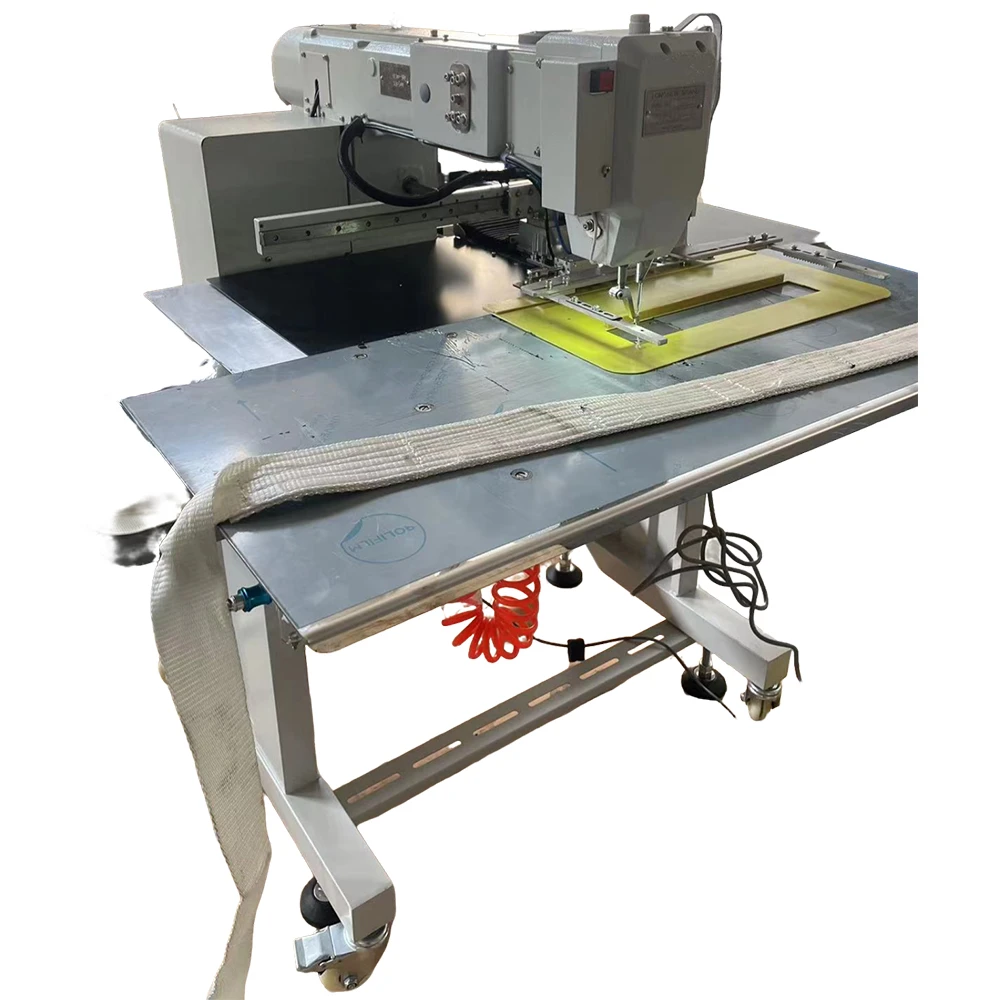
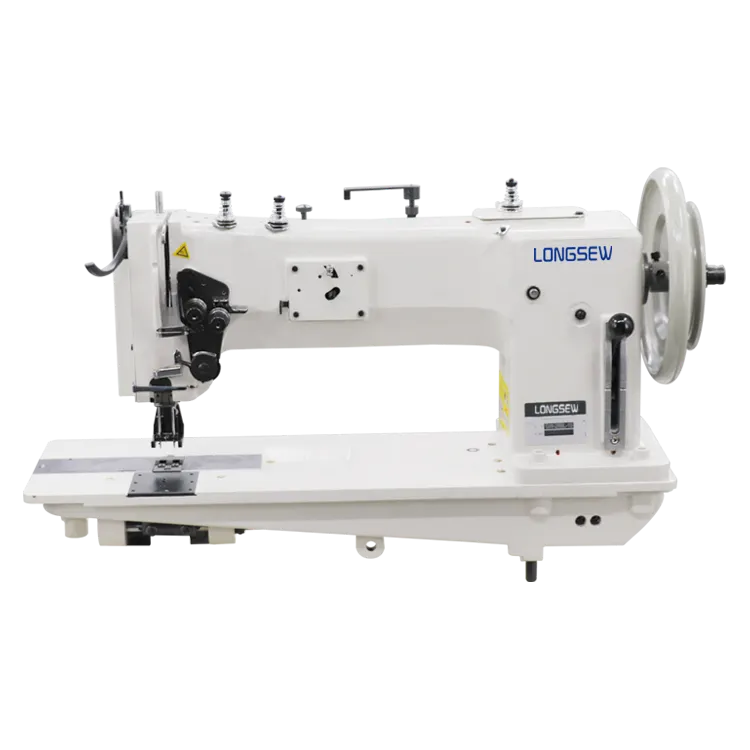
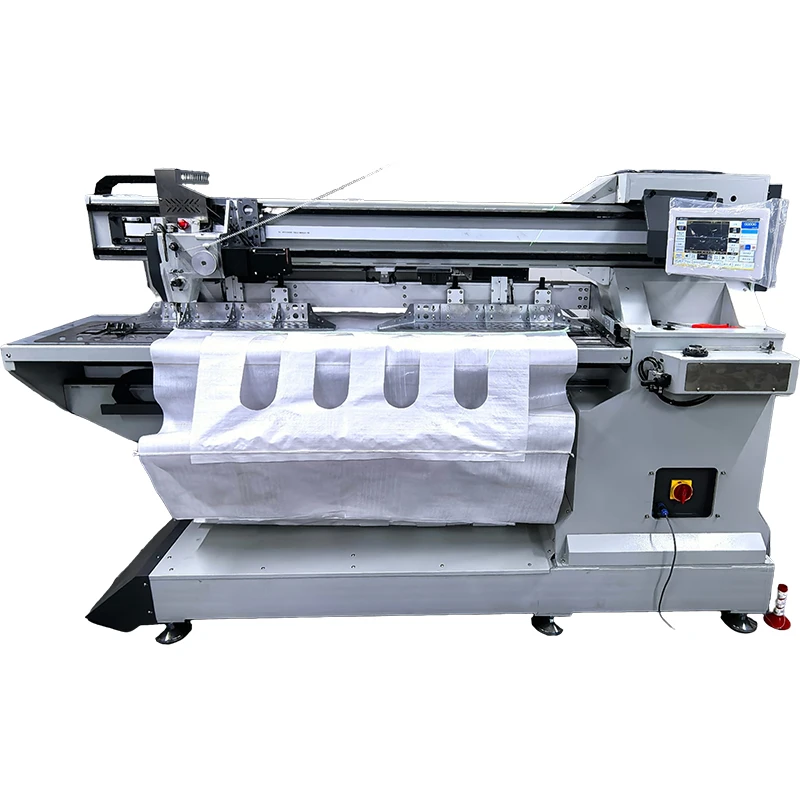
High-Performance jumbo bag sewing machine Solutions for Bolivia

Industrial-grade stitching technology engineered to empower the Bolivian textile and packaging industry with precision, durability, and efficiency.

The State of Industrial Packaging in Bolivia

Analyzing the intersection of textile machinery and Bolivia's economic landscape.

Bolivia's industrial landscape is heavily reliant on the transport of minerals, grains, and chemicals. The demand for a robust fibc sewing machine has grown as local producers shift toward standardized bulk packaging to meet export requirements for the South American market.

Geographically, the diverse altitudes of Bolivia—from the Altiplano to the tropical lowlands—pose unique challenges for machinery. Equipment must withstand varying humidity levels and dust concentrations, making the resilience of a big bag sewing machine critical for maintaining consistent production cycles without frequent downtime.

Currently, the market is seeing a transition from manual stitching to semi-automated systems. The adoption of the jumbo bag stitching machine is increasing among cooperatives in Santa Cruz and La Paz to enhance the structural integrity of bags used in the quinoa and soybean exports.
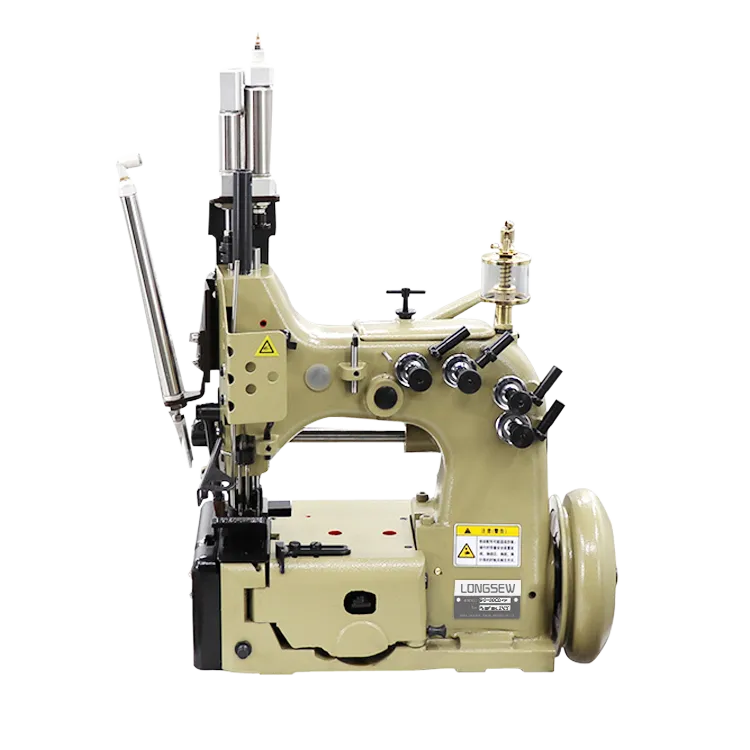
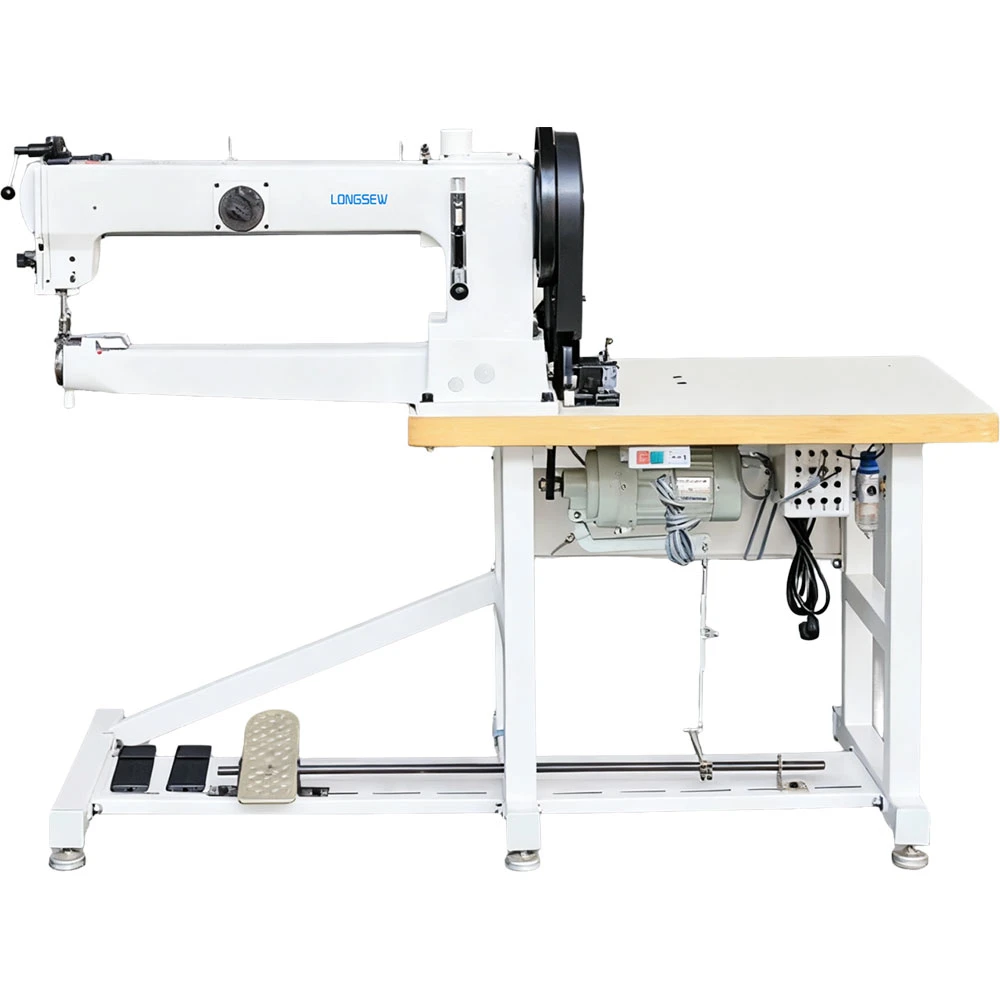
Evolution of Bag Manufacturing Technology

From traditional hand-stitching to high-speed industrial automation.

Market Development History

In the late 1990s, the Bolivian textile sector relied primarily on basic manual lockstitch machines. Packaging was fragmented, and the concept of FIBCs was limited to large-scale mining operations using imported equipment.

By 2010, the introduction of specialized heavy-duty machinery allowed for the local production of 50kg bags. The adoption of the 50 kg jute bag making machine revolutionized the agricultural sector, enabling faster bagging of coffee and cocoa for international trade.

From 2018 to the present, there has been a surge in the integration of electronic controls and automatic thread cutters, allowing operators to increase throughput while reducing material waste in jumbo bag production.

Future Development Trends

Smart Sensor Integration

Future machines will likely incorporate tension sensors to automatically adjust stitching based on fabric density, reducing the failure rate of heavy-duty bags.

Eco-Friendly Material Compatibility

As Bolivia moves toward sustainable packaging, equipment will be optimized for biodegradable polymers and recycled polypropylene fabrics.

Modular Automation

A shift toward modular workstations where the sewing unit can be easily integrated into a fully automated conveyor system for mass production.

Industry Outlook and Strategic Foresight

Predicting the trajectory of the textile machinery sector in the Andean region.

Increased Export Standards
Strict international ISO standards for FIBCs are driving the need for higher stitch precision.
Energy Efficiency
Transitioning to servo-motor driven systems to reduce electricity costs in rural factories.
Labor Optimization
Reducing manual handling through semi-automated feeding and stitching mechanisms.
Material Diversification
Expansion into high-tenacity yarns that require specialized needle and thread configurations.

Industry Outlook

Based on current search trends and industrial growth in South America, we expect a 15% annual increase in the demand for high-capacity stitching solutions. This growth is driven by the optimization of the supply chain in Bolivia's agricultural hubs.

The integration of IoT for remote maintenance will become a key differentiator, allowing manufacturers in distant regions to receive technical support and diagnostic data in real-time.

Local Application Scenarios in Bolivia

Real-world deployments of our machinery in diverse Bolivian industries.

1. Mineral Ore Packaging in Potosí

Utilizing the heavy-duty jumbo bag stitching machine to secure bulk mineral concentrates, ensuring zero leakage during transport across rugged terrains.

2. Soybean Processing in Santa Cruz

Implementing high-speed fibc sewing machine lines to handle the seasonal surge in soybean harvests for the export market.

3. Specialty Coffee Bagging in Yungas

Deploying the 50 kg jute bag making machine for high-quality, breathable packaging that preserves the aroma and quality of specialty coffee beans.

4. Chemical Fertilizer Production in Cochabamba

Applying the big bag sewing machine to create chemical-resistant bulk containers with reinforced seams for safe handling.

5. Flour and Grain Milling in La Paz

Using portable jumbo bag sewing machine units for flexible packaging of processed grains in urban milling facilities.

Brand Story

Global Development History of Hebei Longsew Machinery Technology Co., Ltd.

Founding and Core Vision

Established with a mission to solve the structural failure issues in heavy-duty sewing, Longsew began by perfecting the tension control for industrial bag machines.

Technological Breakthroughs

Developed the first generation of high-torque motors specifically designed for the thickest polypropylene fabrics used in jumbo bags.

Global Market Expansion

Expanded into the South American market, adapting machinery to handle the unique environmental challenges of the Andean region.

Quality Standardization

Achieved international certifications ensuring that every machine meets the rigorous safety and durability standards for global trade.

Sustainable Future

Investing in R&D to create low-energy consumption machinery that supports the global shift toward green manufacturing.

Frequently Asked Questions in Bolivia

Expert answers to common technical queries regarding bulk bag sewing.

How to maintain a jumbo bag sewing machine in high-altitude dusty environments?

In regions like Potosí, it is crucial to use high-grade industrial lubricants and perform daily air-compressor cleaning of the feed dog and bobbin area to prevent dust accumulation.

What is the ideal needle size for a fibc sewing machine using 1000D fabric?

For high-tenacity 1000D polypropylene, we recommend using a size 22 or 24 needle to ensure penetration without deflection or thread breakage.

Can the 50 kg jute bag making machine handle recycled jute materials?

Yes, our machines are equipped with adjustable tension discs that can accommodate the slight irregularities in thickness typical of recycled jute fibers.

What is the difference between a big bag sewing machine and a standard industrial machine?

Big bag machines feature reinforced frames, specialized heavy-duty feed mechanisms, and larger hook systems to handle high-denier synthetic threads.

How do I optimize the speed of my jumbo bag stitching machine for mass production?

Optimize the layout of your bagging station to minimize fabric handling time and use an automatic thread cutter to reduce the cycle time per bag.

Which machine is best for producing food-grade FIBCs in Bolivia?

We recommend our specialized fibc sewing machine with stainless steel components and anti-static coatings to meet food safety and hygiene standards.

Ready to Upgrade Your Production?

Our technical experts are available to provide customized machinery configurations for your factory in Bolivia.

Contact Us Now

If you are interested in our products, you can choose to leave your information here, and we will be in touch with you shortly.