

Mar . 07, 2026 01:55
Back to list
Find the Best Industrial Overlock Sewing Machine for Sale Online
Industrial Overlock Sewing Machine for Sale: A Comprehensive Guide
Looking for a reliable and efficient industrial overlock sewing machine for sale? Longsew offers a wide range of high-quality machines designed to meet the demanding needs of various textile industries. This article will guide you through the key considerations when purchasing an overlock machine, explore the benefits of choosing Longsew, and provide insights into selecting the right model for your specific applications. Investing in the right machine can significantly improve production efficiency and product quality. We’ll cover everything from features to applications, ensuring you make an informed decision.
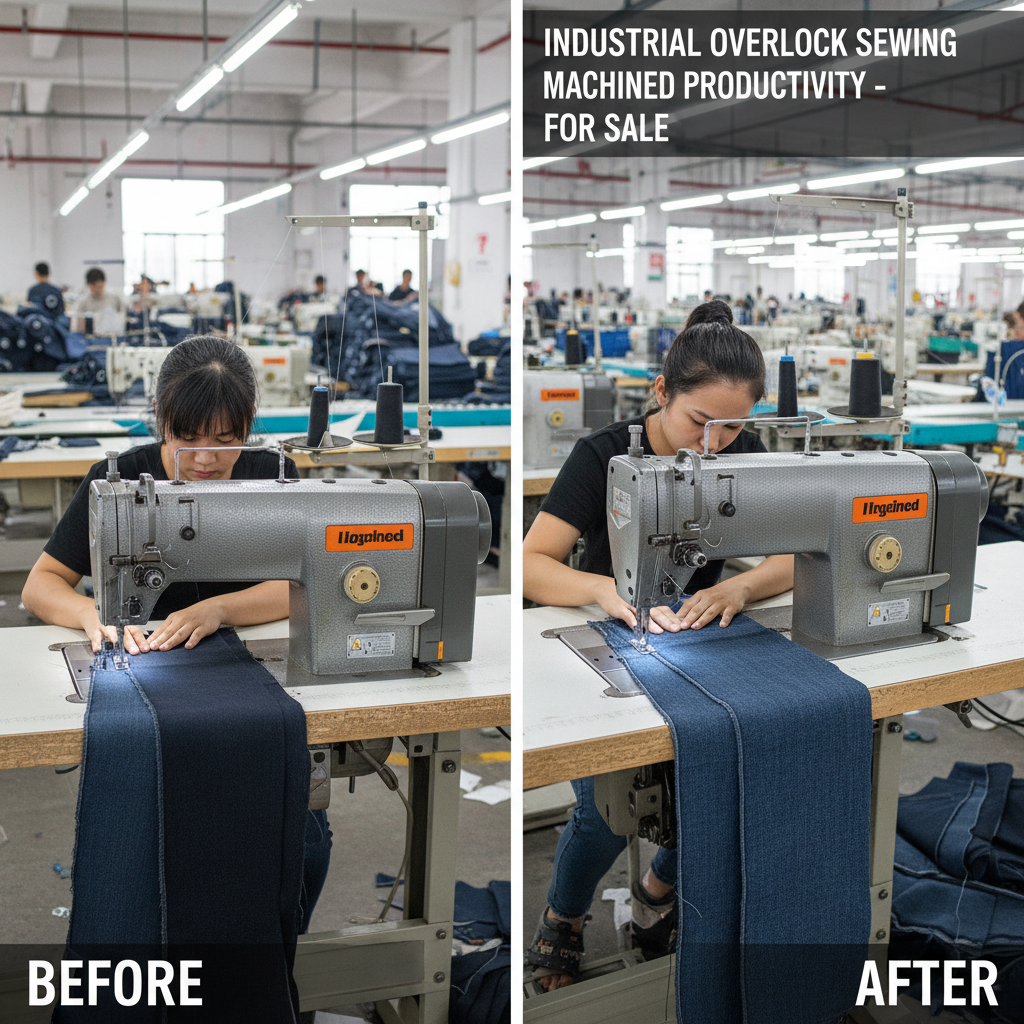
What is an Industrial Overlock Sewing Machine?
An industrial overlock sewing machine, also known as a serger, is a specialized machine designed to create a professional finish on fabric edges. Unlike a standard sewing machine that simply stitches two pieces of fabric together, an overlock machine simultaneously sews, trims, and overcasts the edge, preventing fraying and adding durability. This is crucial in industries like apparel manufacturing, upholstery, and textile production. The overlock stitch is incredibly versatile and can be used for a variety of applications, from finishing seams on garments to creating decorative edges on fabrics. Longsew's industrial overlock machines are known for their precision and reliability.
Key Benefits: Simultaneous sewing, trimming, and overcasting; prevents fabric fraying; increases seam strength; and provides a professional finish.
Choosing the Right Industrial Overlock Sewing Machine for Your Needs
Selecting the right overlock machine depends on the types of fabrics you’ll be working with, the volume of production, and the desired stitch types. Consider factors like the number of threads, the machine’s speed, and the types of feed mechanisms. A machine designed for lightweight fabrics might struggle with heavier materials, and vice versa. Longsew offers models tailored to diverse applications. Do you primarily work with knits? Wovens? The answer will help narrow down your options.
Key Considerations:
• Fabric Type (knit, woven, denim, etc.)
• Production Volume
• Stitch Types Required
• Machine Speed & Efficiency
Industrial Overlock Sewing Machine Models: A Comparison
Longsew offers a variety of industrial overlock machines to suit different needs and budgets. Here's a quick comparison of some popular models:
Why Choose Longsew for Your Industrial Overlock Machine Needs?
Longsew is a leading manufacturer of industrial sewing machines, renowned for its commitment to quality, innovation, and customer satisfaction. We offer a wide range of overlock machines designed to meet diverse industry requirements. Our machines are built with durable components and precision engineering, ensuring long-lasting performance. Furthermore, we provide comprehensive after-sales support, including technical assistance and spare parts availability. Browse our selection today!
Maintaining Your Industrial Overlock Machine
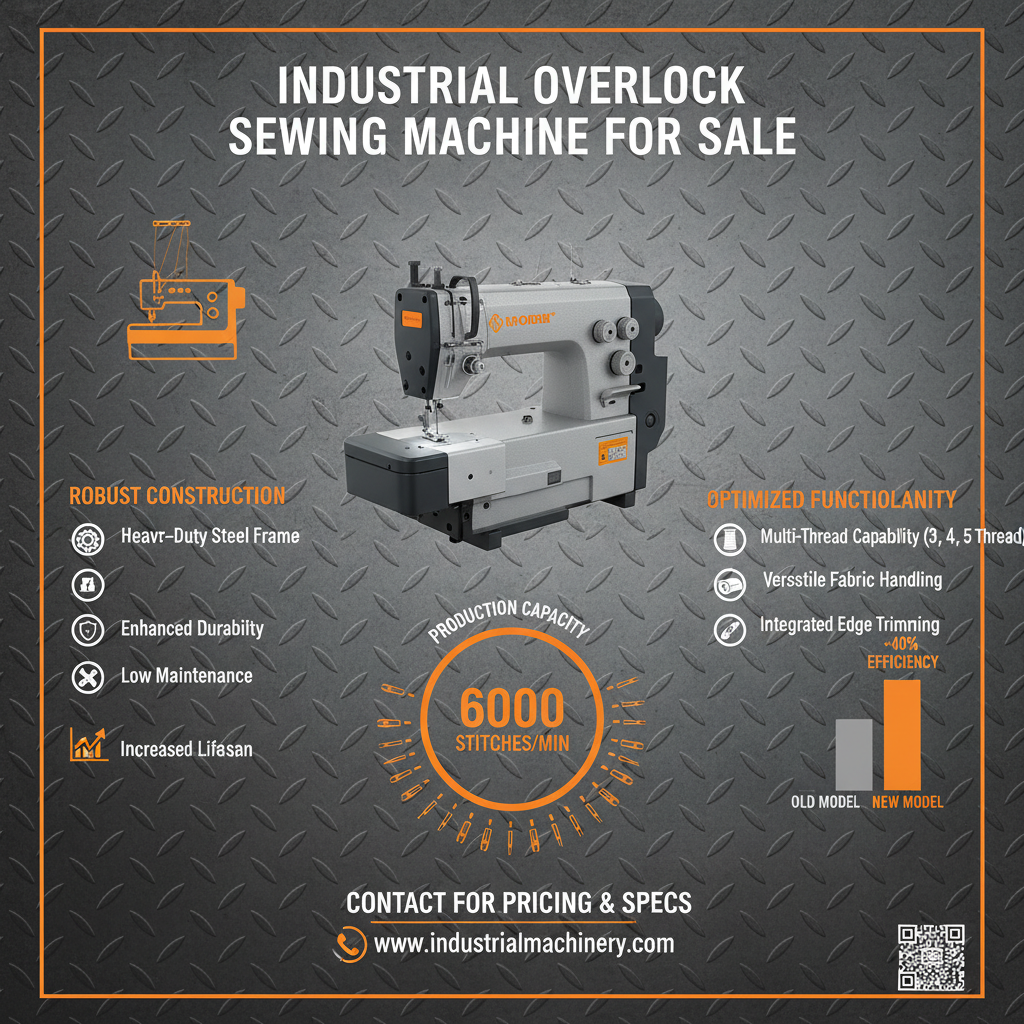
Regular maintenance is crucial for ensuring the longevity and optimal performance of your industrial overlock sewing machine. This includes daily cleaning to remove lint and debris, regular lubrication of moving parts, and periodic inspection of blades and needles. Following the manufacturer's recommended maintenance schedule will prevent breakdowns and extend the life of your machine. Longsew provides detailed maintenance guides and support to help you keep your machine running smoothly.
Conclusion: Investing in Quality and Reliability
Choosing the right industrial overlock sewing machine for sale is a crucial investment for any textile business. Longsew offers a comprehensive range of high-quality machines, backed by exceptional customer support and a commitment to innovation. By selecting a reliable machine and implementing a regular maintenance schedule, you can ensure consistent performance, improve product quality, and maximize your return on investment.
Frequently Asked Questions (FAQs)
What is the difference between a 3-thread and a 4-thread overlock machine?
A 3-thread overlock is generally used for lighter-weight fabrics and creates a narrower seam. It's commonly used for finishing edges on garments and creating rolled hems. A 4-thread overlock provides a more secure and durable seam, suitable for heavier fabrics and applications where greater strength is required. It's also more versatile, as it can be used for both finishing edges and creating seams. The choice depends on the type of fabric you're working with and the desired level of durability.
How often should I change the needles on my overlock machine?
The frequency of needle changes depends on the amount of use and the type of fabric being sewn. As a general guideline, it's recommended to change needles every 8-12 hours of sewing time, or sooner if you notice skipped stitches, broken threads, or fabric damage. Using dull or damaged needles can lead to poor stitch quality and potential damage to your machine. Always use the correct type and size of needle for the fabric you're working with.
What type of oil should I use to lubricate my overlock machine?
It's crucial to use a high-quality sewing machine oil specifically designed for industrial machines. Do not use household oils or lubricants, as they can gum up the machine and cause damage. Longsew offers recommended oils and lubricants suitable for our machines. Apply the oil sparingly to the designated lubrication points as outlined in the machine's manual.
Latest news
-
Industrial Bag Sewing Machine Price and Comprehensive Buying GuideNewsApr.16,2026
-
Industrial Hand Held Bag Closer for Efficient Packaging SealingNewsApr.16,2026
-
Industrial Hand Held Bag Closer Sewing Machine for PackagingNewsApr.16,2026
-
Efficient Industrial Bag Closer Sewing Machine for PackagingNewsApr.16,2026
-
Industrial Sewing Guide for Choosing the Right Closer MachineNewsApr.16,2026
-
Guide to Capital Bag Closer Machine Price and Buying FactorsNewsApr.16,2026
-
Say goodbye to inefficient cutting! This heavy-duty webbing hot cutting machine redefines the new standard for industrial cuttingNewsApr.14,2026

Hebei LongSew Machinery Technology Co. Ltd is beginning as sewing machine parts supplier, now Longsew have over twenty years experience in complete set sewing machine offering.


CLASSIFICATION
CONTACT US
-

No.368 North Youyi Street, Shijiazhuang City, Hebei Province, China
-

-

Copyright © 2026 HEBEI LONGSEW MACHINERY TECHNOLOGY CO. LTD All Rights Reserved. Sitemap | Privacy Policy | Top Blog | Global Service