

Feb . 11, 2026 02:05
Back to list
Exploring the World of Special Sewing Techniques and Industrial Machinery
Understanding the Nuances of Special Sewing: A Comprehensive Guide
In the realm of garment construction and industrial manufacturing, special sewing techniques represent a critical skillset. These aren't your everyday stitches; they are specialized methods tailored to handle unique materials, achieve specific functionalities, and meet rigorous quality standards. From automotive upholstery to medical textiles, the demand for skilled operators proficient in special sewing is continually rising. This article delves into the world of special sewing, exploring its applications, techniques, and the importance of choosing the right machinery, focusing on solutions available from Longsew.
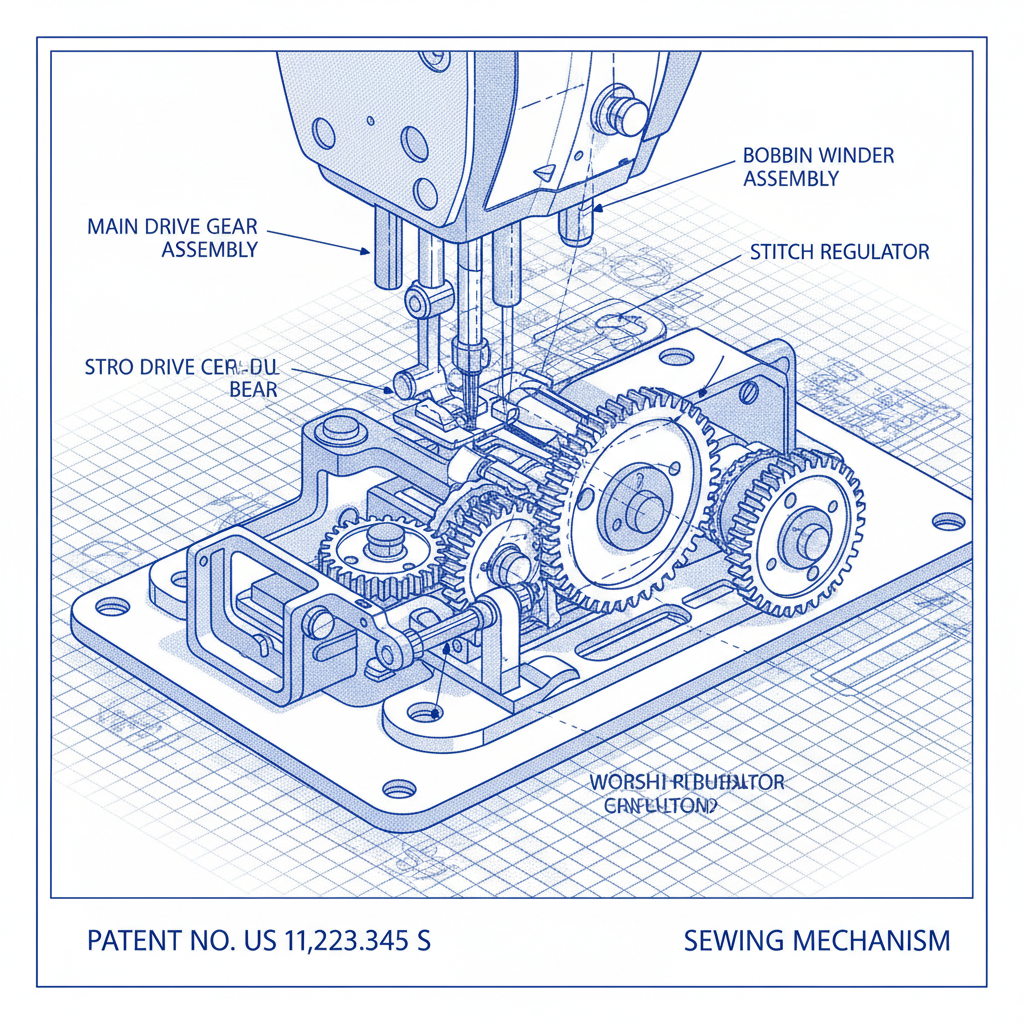
What Constitutes 'Special Sewing'?
Simply put, special sewing encompasses techniques beyond standard lockstitch or overlock. It often involves working with materials like leather, vinyl, heavy-duty fabrics, composites, and even technical textiles. This frequently necessitates specialized needles, threads, and, crucially, sewing machines engineered for these challenges. Common applications include creating seams in automotive interiors, assembling protective gear, crafting medical garments, and producing high-performance sporting goods. The precision and durability required in these applications are paramount, making standard sewing methods inadequate. Longsew's range of industrial sewing machines caters specifically to these demanding requirements.
Key Characteristics: Special sewing involves using specialized machines, threads, and needles to handle challenging materials and meet stringent quality standards. It's integral to industries demanding high durability and precise functionality.
Common Special Sewing Techniques
Several techniques fall under the umbrella of special sewing. These include: Blind Stitching (for invisible hems and closures), Saddle Stitching (robust and decorative, often used in leatherwork), Chain Stitching (highly durable, used in upholstery), Zigzag Stitching (for stretch fabrics and seam finishing), and Cover Stitching (creating professional-looking hems and seams on knits). The specific technique chosen depends on the material, the desired aesthetic, and the functional requirements of the finished product. Selecting the right machine for each technique is crucial for achieving optimal results.
Essential Special Sewing Techniques:
• Blind Stitching: Invisible hems and closures.
• Saddle Stitching: Robust and decorative, ideal for leather.
• Chain Stitching: High durability for upholstery applications.
• Zigzag Stitching: Suitable for stretch fabrics and finishing seams.
Choosing the Right Sewing Machine for Special Sewing
The heart of successful special sewing lies in the machinery. Standard domestic sewing machines often lack the power, precision, and specialized features required. Industrial sewing machines designed for specific materials and techniques are essential. Factors to consider include: Motor power (for handling thick materials), Needle feed system (walking foot or roller foot for consistent fabric movement), Stitch length and width adjustability, and the ability to handle specialized needles and threads. Longsew provides a wide range of industrial sewing machines tailored to various special sewing applications.
Industries Relying on Special Sewing
The demand for special sewing is pervasive across numerous industries. The automotive sector uses it extensively for upholstery and airbag deployment systems. The medical field requires specialized stitching for surgical gowns, drapes, and implants. The fashion industry leverages these techniques for high-end leather goods and specialized apparel. Furthermore, industries like aerospace, defense, and sporting goods rely heavily on the precision and durability offered by specialized sewing methods.
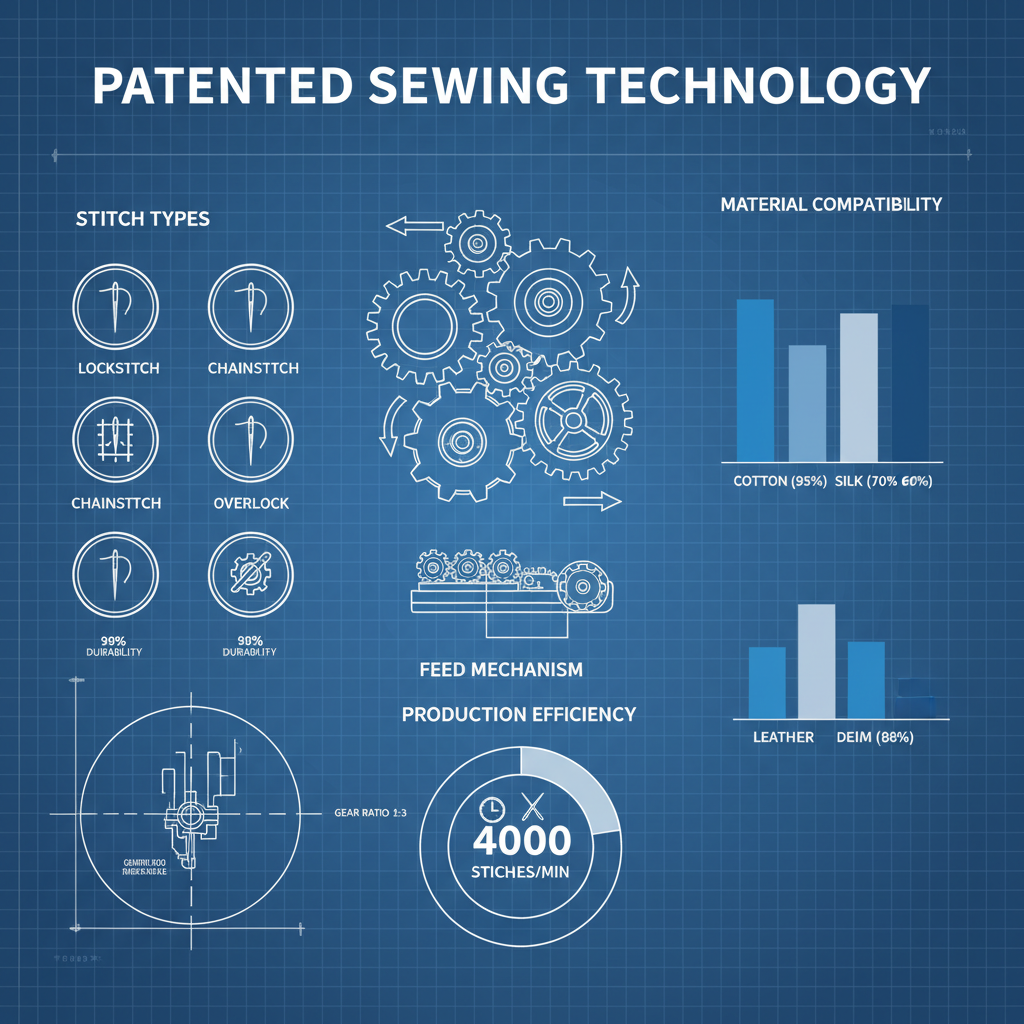
Longsew: Your Partner in Special Sewing Solutions
Longsew is dedicated to providing high-quality industrial sewing machines specifically engineered for special sewing applications. We offer a comprehensive range of machines, from robust leather sewing machines to precision stitching solutions for technical textiles. Our commitment to innovation and customer satisfaction ensures that you receive the equipment and support you need to achieve optimal results. Explore our product catalog today and discover how Longsew can elevate your sewing capabilities.
Conclusion: Mastering Special Sewing with the Right Tools
Success in special sewing hinges on a combination of skilled operators and the right machinery. Longsew provides the tools you need to excel. From automotive and medical applications to high-performance textiles, our industrial sewing machines deliver the precision, durability, and reliability demanded by today’s industries.
Frequently Asked Questions (FAQs)
What types of needles are commonly used in special sewing?
The type of needle depends heavily on the material being sewn. Leather sewing typically utilizes wedge point needles, which separate the fibers rather than piercing them. For denim and heavy-duty fabrics, jeans needles are preferred. Ballpoint needles are ideal for knit and stretch fabrics, preventing snagging. Specialty needles, like those with a larger eye for thicker threads, are also common. Longsew machines are compatible with a wide range of needle types, providing flexibility for diverse projects.
How important is thread selection in special sewing?
Thread selection is critical. The thread must be matched to both the material and the needle. Heavy-duty materials require strong, thicker threads like nylon or polyester. For leather, waxed thread is often used to provide durability and water resistance. The thread's weight and construction (e.g., bonded, spun) also impact the seam's strength and appearance. Using the wrong thread can lead to breakage, seam failure, and a poor-quality finish.
What is a walking foot, and why is it important for special sewing?
A walking foot is a feed system used on industrial sewing machines. Unlike a standard drop feed, which pushes the fabric from underneath, a walking foot also moves the fabric from above, sandwiching it between the foot and the feed dogs. This provides even fabric feed, preventing slipping and distortion, especially when working with multiple layers, thick materials, or slippery fabrics like leather and vinyl. Longsew offers machines equipped with walking feet for superior control and precision.
How often should special sewing machines be serviced?
Regular maintenance is vital for ensuring optimal performance and longevity. Longsew recommends a professional service at least every six months, or more frequently with heavy use. This includes lubrication, cleaning, and inspection of key components. Regular cleaning by the operator after each use is also crucial to remove debris and prevent build-up. Preventative maintenance significantly reduces downtime and extends the machine's lifespan.
Latest news
-
Industrial Bag Sewing Machine Price and Comprehensive Buying GuideNewsApr.16,2026
-
Industrial Hand Held Bag Closer for Efficient Packaging SealingNewsApr.16,2026
-
Industrial Hand Held Bag Closer Sewing Machine for PackagingNewsApr.16,2026
-
Efficient Industrial Bag Closer Sewing Machine for PackagingNewsApr.16,2026
-
Industrial Sewing Guide for Choosing the Right Closer MachineNewsApr.16,2026
-
Guide to Capital Bag Closer Machine Price and Buying FactorsNewsApr.16,2026
-
Say goodbye to inefficient cutting! This heavy-duty webbing hot cutting machine redefines the new standard for industrial cuttingNewsApr.14,2026

Hebei LongSew Machinery Technology Co. Ltd is beginning as sewing machine parts supplier, now Longsew have over twenty years experience in complete set sewing machine offering.


CLASSIFICATION
CONTACT US
-

No.368 North Youyi Street, Shijiazhuang City, Hebei Province, China
-

-

Copyright © 2026 HEBEI LONGSEW MACHINERY TECHNOLOGY CO. LTD All Rights Reserved. Sitemap | Privacy Policy | Top Blog | Global Service