

Feb . 28, 2026 01:55
Back to list
Explore the Versatility and Applications of a Zigzag Stitch Machine
Understanding the Versatility of a Zigzag Stitch Machine
The zigzag stitch machine is a cornerstone of modern sewing, offering unparalleled flexibility in creating various stitch patterns and applications. From basic garment construction to complex quilting and decorative work, its versatility makes it an essential tool for both hobbyists and professional seamstresses. This article will delve into the key features, benefits, and applications of zigzag stitch machines, highlighting why they remain a vital piece of equipment in the sewing world. We'll explore the different types available, crucial considerations for choosing the right machine, and how to maximize its capabilities.
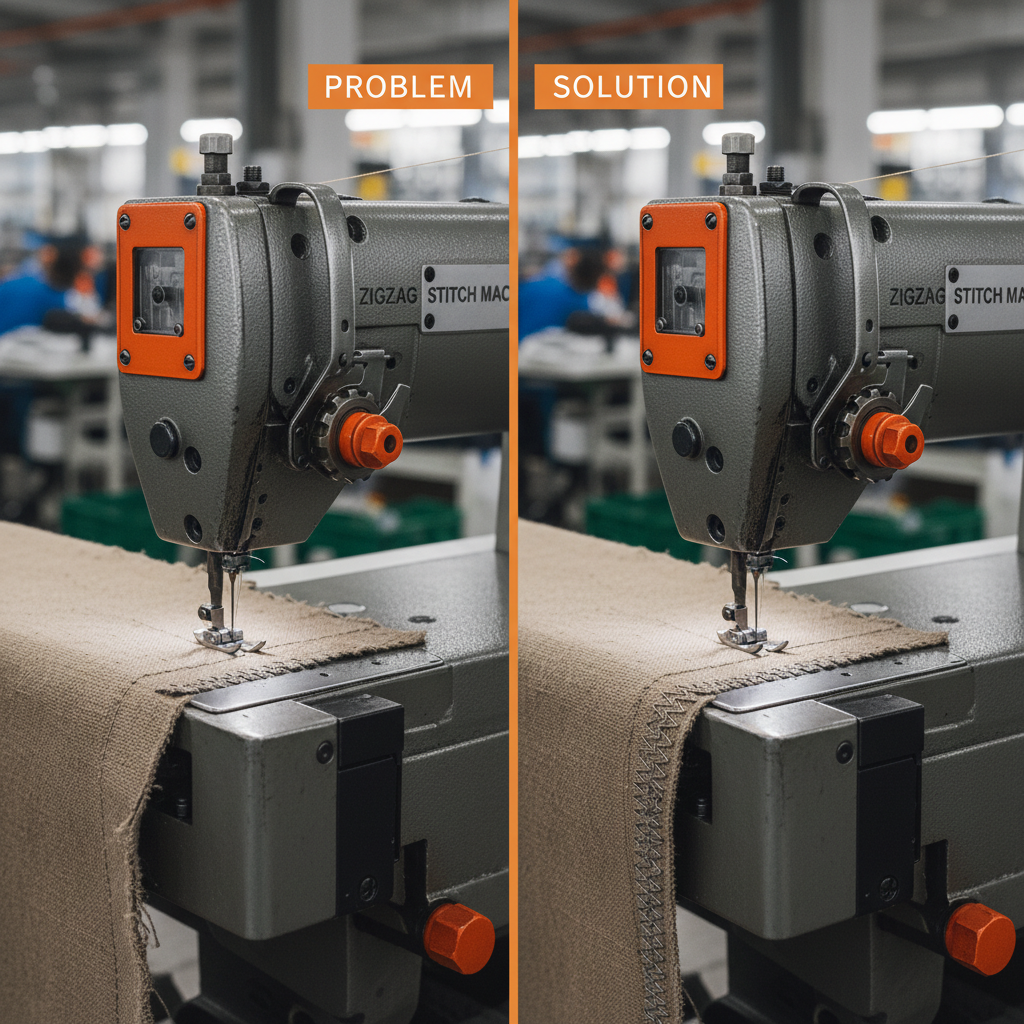
Key Features of a Zigzag Stitch Machine
A zigzag stitch machine, as its name suggests, primarily excels at creating zigzag stitches. However, modern machines are far more capable. They often include adjustable stitch width and length, allowing for a wide range of effects – from narrow, dense zigzag for reinforcing seams to wide zigzag for decorative edging. Many machines also offer multiple needle positions, enhancing precision and control. Furthermore, features like automatic needle threading, adjustable presser foot pressure, and various presser feet expand the machine’s functionality. A quality zigzag sewing machine empowers creativity and precision.
Key Highlights: Adjustable stitch width and length for diverse effects, multiple needle positions for precision, and compatibility with a range of presser feet for specialized tasks.
Zigzag Stitch Machine Applications: Beyond the Basics
The applications of a zigzag stitch machine extend far beyond simply joining fabric. It’s ideal for overlocking edges to prevent fraying, creating buttonholes, attaching elastic and ribbons, and even free-motion embroidery. Quilters rely on zigzag stitches for binding quilts and creating decorative patterns. The machine’s adaptability makes it a valuable asset in garment making, home décor projects, and crafting. From simple repairs to intricate designs, a zigzag stitch machine offers unparalleled versatility.
Application Benefits:
• Prevents fabric fraying with overlocking stitches
• Creates durable and professional-looking buttonholes
• Facilitates easy attachment of elastic and ribbons
• Enables intricate free-motion embroidery
Choosing the Right Zigzag Stitch Machine: A Comparative Look
Selecting the right zigzag stitch machine depends on your needs and budget. Mechanical machines are generally more affordable and durable, ideal for beginners and simple projects. Electronic machines offer more features, such as automatic stitching and programmable patterns, catering to intermediate and advanced users. Computerized machines provide the highest level of automation and customization, perfect for complex quilting and embroidery. Consider the types of projects you'll be working on, your skill level, and the available space when making your decision. Investing in a high-quality zigzag machine is a long-term investment in your sewing passion.
Longsew: Your Trusted Partner for Zigzag Stitch Machines
At Longsew, we offer a comprehensive range of zigzag stitch machines to suit every need and budget. From robust mechanical models to advanced computerized options, we are committed to providing high-quality machines backed by exceptional customer support. Our team of experts can help you select the perfect machine for your projects and provide ongoing assistance. We pride ourselves on delivering reliable, durable, and innovative sewing solutions.
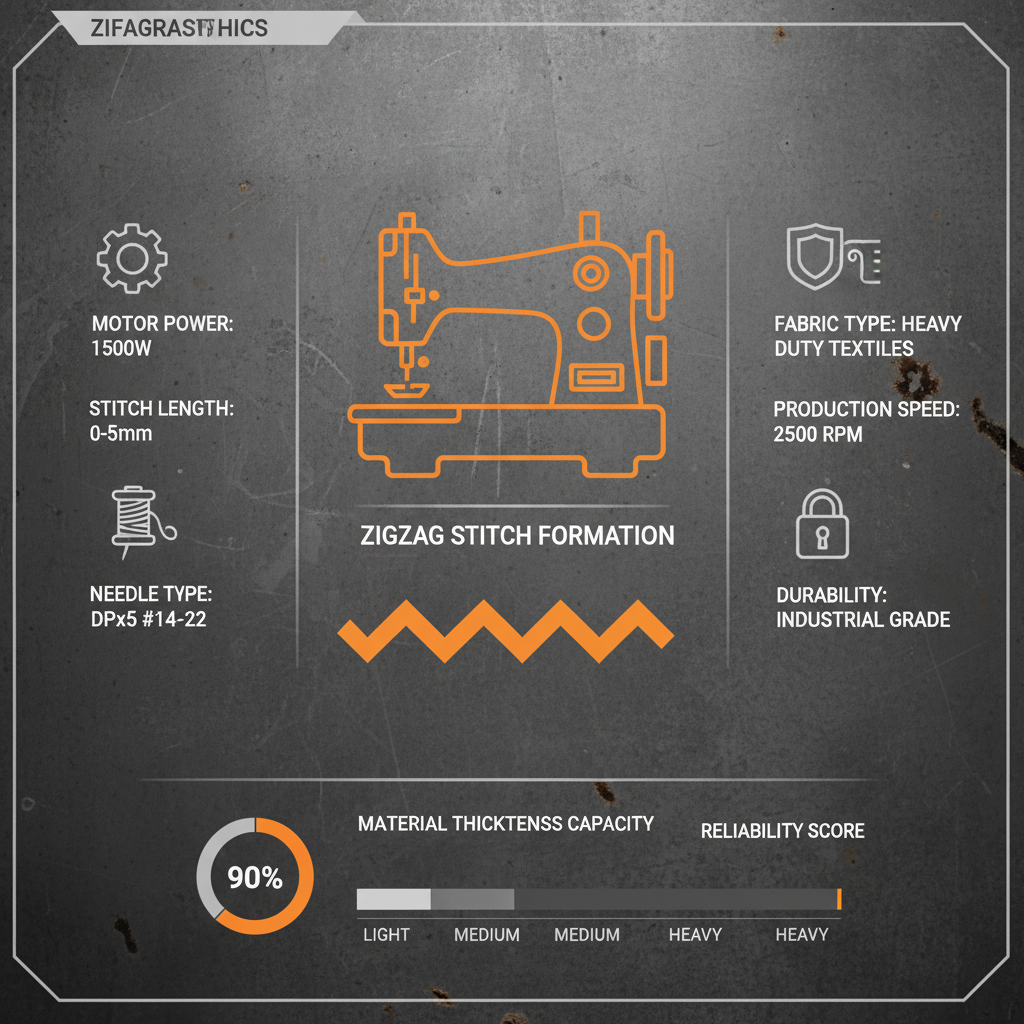
Zigzag Stitch Machine Maintenance and Care
Regular maintenance is crucial for extending the life of your zigzag stitch machine. This includes cleaning lint from the bobbin area, oiling moving parts, and replacing the needle when it becomes dull. Always use the correct needle type and size for the fabric you're sewing. Refer to your machine's manual for specific maintenance instructions. Proper care will ensure your zigzag sewing machine continues to perform optimally for years to come.
Conclusion: Unleash Your Creativity with a Zigzag Stitch Machine
The zigzag stitch machine remains an indispensable tool for sewers of all levels. Its versatility, combined with the wide range of available models, makes it a worthwhile investment for anyone passionate about sewing, quilting, or crafting. Explore the possibilities and unlock your creative potential with the right machine.
Frequently Asked Questions (FAQs)
What types of fabrics can a zigzag stitch machine handle?
A zigzag stitch machine is incredibly versatile and can handle a wide range of fabrics, from lightweight silks and chiffons to heavy denim and canvas. The adjustable stitch width and length allow you to customize the stitch for optimal results with different materials. For delicate fabrics, a shorter stitch length and narrower width are recommended, while heavier fabrics benefit from longer stitches and wider widths. Always test the stitch on a scrap piece of fabric before starting your project. Using the correct needle for the fabric type is also crucial.
How often should I change the needle on my zigzag stitch machine?
The frequency of needle changes depends on how often you use your machine and the types of fabric you sew. As a general rule, it’s best to change the needle after every 8 hours of sewing or whenever you notice signs of wear, such as skipped stitches, frayed thread, or difficulty penetrating the fabric. Dull needles can damage the fabric and reduce the quality of your stitching. Keep a supply of replacement needles on hand for quick and easy changes.
Can a zigzag stitch machine be used for quilting?
Absolutely! Zigzag stitch machines are excellent for quilting. The zigzag stitch can be used for binding quilts, creating decorative patterns, and securing layers of fabric together. Many machines also offer a variety of quilting-specific stitches, such as straight stitch, free-motion quilting stitch, and decorative patterns. Utilizing a walking foot can also greatly improve the quilting process.
Where can I find spare parts for my zigzag stitch machine?
Spare parts can often be purchased directly from the manufacturer’s website, such as Longsew. You can also find spare parts at local sewing machine repair shops and online retailers specializing in sewing machine accessories. Always ensure you have the model number of your machine when ordering parts to guarantee compatibility.
Latest news
-
Industrial Bag Sewing Machine Price and Comprehensive Buying GuideNewsApr.16,2026
-
Industrial Hand Held Bag Closer for Efficient Packaging SealingNewsApr.16,2026
-
Industrial Hand Held Bag Closer Sewing Machine for PackagingNewsApr.16,2026
-
Efficient Industrial Bag Closer Sewing Machine for PackagingNewsApr.16,2026
-
Industrial Sewing Guide for Choosing the Right Closer MachineNewsApr.16,2026
-
Guide to Capital Bag Closer Machine Price and Buying FactorsNewsApr.16,2026
-
Say goodbye to inefficient cutting! This heavy-duty webbing hot cutting machine redefines the new standard for industrial cuttingNewsApr.14,2026

Hebei LongSew Machinery Technology Co. Ltd is beginning as sewing machine parts supplier, now Longsew have over twenty years experience in complete set sewing machine offering.


CLASSIFICATION
CONTACT US
-

No.368 North Youyi Street, Shijiazhuang City, Hebei Province, China
-

-

Copyright © 2026 HEBEI LONGSEW MACHINERY TECHNOLOGY CO. LTD All Rights Reserved. Sitemap | Privacy Policy | Top Blog | Global Service