

Sep . 30, 2025 11:45
Back to list
Cylinder Bed Sewing Machine Price: Industrial Leather Deals?
Cylinder Bed Sewing Machine Price: Field Notes From the Shop Floor
If you’re shopping seriously, you’re probably wondering about cylinder bed sewing machine price ranges and what actually drives them. I’ve spent too many hours in factories and leather studios to count, and one thing keeps coming up: spec details matter more than brand slogans—especially on long-arm, heavy-duty rigs.
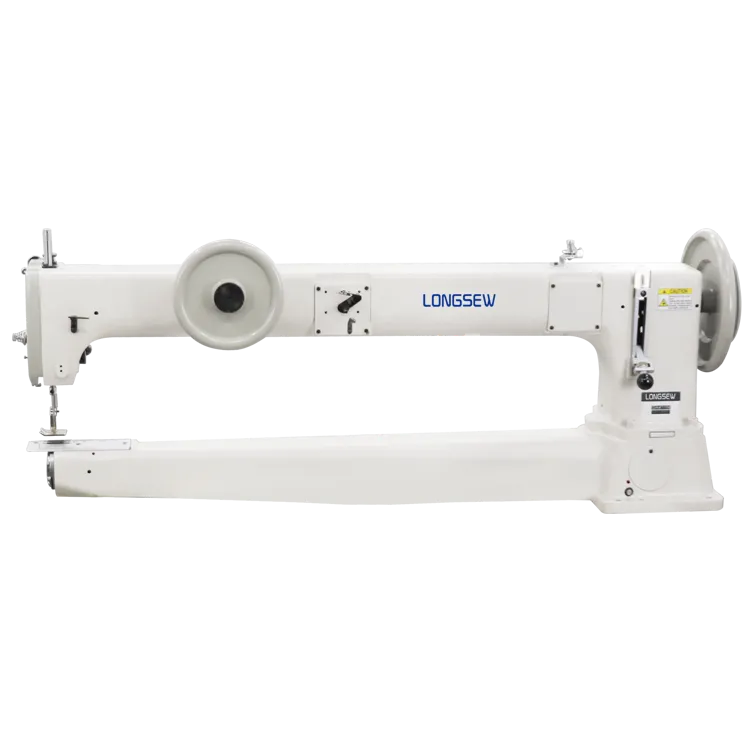
What’s special about the GA411N
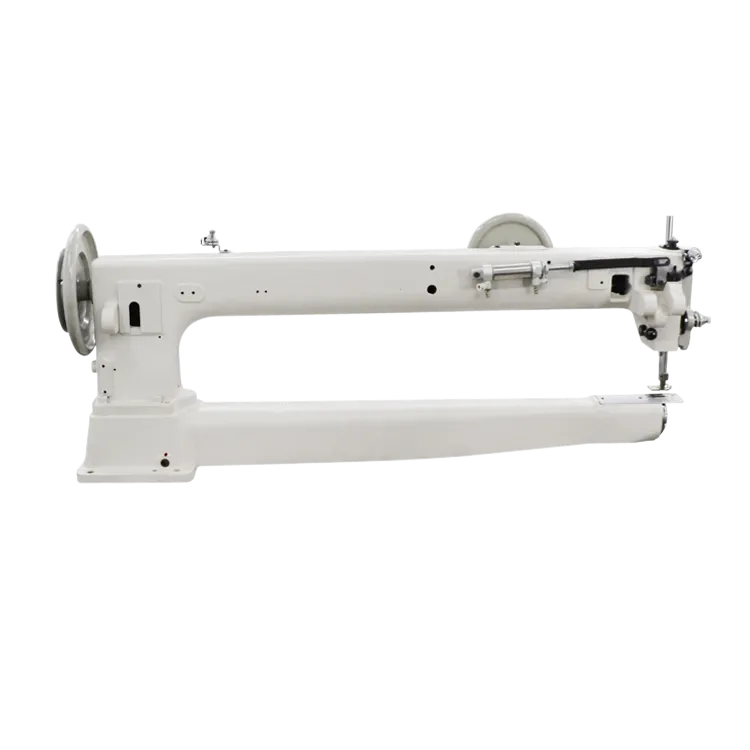
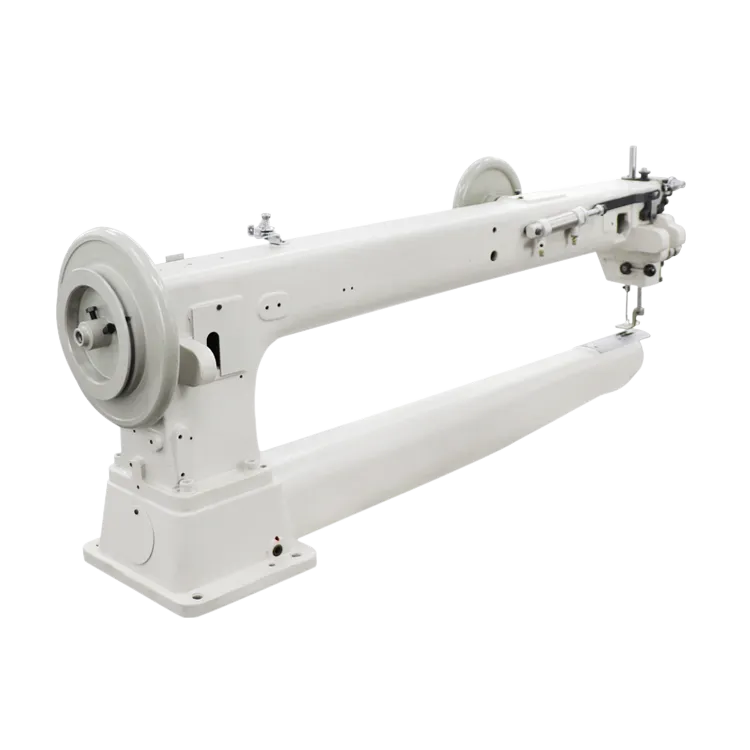
The model catching attention lately is the Long Arm Heavy Duty Cylinder Bed Horizontal Direction Sewing Machine GA411N from Shijiazhuang, Hebei (yep, the big industrial cluster). It’s a super long-arm machine—960 mm arm—designed to stitch along long barrel products: think tall boots, golf bags, cylindrical cases, even hose covers. The “horizontal direction” sewing design is not marketing fluff; it genuinely helps when maneuvering long, rigid shells that refuse to coil nicely.
Industry trends and where prices land
To be honest, the market has split in two: premium Japanese/EU machines with rock-solid QC and smart automation, and pragmatic Chinese-built long-arms where the value-per-millimeter of arm length is, frankly, unmatched. Many customers say their buying decision swings on total cost-to-output over 3–5 years. For a long-arm cylinder bed this size, the cylinder bed sewing machine price usually sits in the mid-to-upper tier because of the extended casting and heavier drive train.
Product specification snapshot (GA411N)
| Model | GA411N (Long arm, heavy duty) |
| Arm length | ≈960 mm |
| Sewing orientation | Horizontal on cylinder bed for long-barrel products |
| Max stitch length | Up to ≈10 mm (real-world use may vary) |
| Presser foot lift | ≈16–20 mm (mechanical/knee) |
| Needle system | Common heavy-duty systems: 328/794 (check order spec) |
| Thread range | From Tex 90 up to ≈Tex 270 (boot/leather weights) |
| Speed | ≈600–800 SPM typical for thick leather |
| Cylinder diameter | ≈80–90 mm |

Applications, process flow, and service life
Use cases: premium boots, hunting/fishing tubes, motorcycle bags, saddlery components, industrial sleeves/hoses. Typical flow: material prep (veg-tanned leather or coated textiles), edge skiving, adhesive tack, seam layout per ISO 4915 stitch codes, slow-speed trial, production run, and QC under ASTM D6193 seam practices. Testing we’ve seen in shops: 5–8 hour endurance at 650 SPM, needle heat checks, and stitch pull tests to ≈25–40 N on leather stacks. With scheduled oiling and a servo drive, service life commonly runs 5–7 years in daily use—longer in boutique studios.
Vendor comparison (price and positioning)
| Model | Arm length | Typical price range | Best for | Notes |
|---|---|---|---|---|
| LongSew GA411N | ≈960 mm | ≈$3,800–$6,500 EXW | Boots, long barrels, heavy leather | Value long-arm; customizable |
| Juki LS-2342 series | ≈420 mm | ≈$6,000–$9,000 | High-precision leather goods | Premium QC, shorter arm |
| Typical GC24608 class | Standard | ≈$1,500–$2,200 | General cylinder bed work | Budget; not long-arm |
Prices vary by motor, stand, accessories, and region; freight and duties can swing totals. Always confirm the cylinder bed sewing machine price with a written quote.
Customization, safety, and compliance
Common custom options: needle system, presser feet (double-toe/roller), synchronized binder, heavy shuttle hook, servo with needle positioner, and extended work tables. For compliance, look for CE (Machinery Directive 2006/42/EC), basic electrical safety, and guarding that meets OSHA-style expectations. It seems mundane, but proper guards and an E-stop save fingers—and downtime.
Mini case notes
- Boot atelier in Texas: moved from standard cylinder bed to GA411N; throughput on tall shafts improved ≈22% after switching to horizontal long-arm workflow; fewer seam distortions on stacked leather.
- Industrial sleeve maker in Poland: spec’d Tex 210 thread, 6 mm stitch length, 700 SPM; reported lower needle heat and more consistent seam pull values after adding servo positioner.
Bottom line: if your work is literally long and cylindrical, the GA411N’s geometry pays for itself. If not, a shorter-arm cylinder bed may deliver a better cylinder bed sewing machine price/performance balance.
Citations
Latest news
-
Industrial Bag Sewing Machine Price and Comprehensive Buying GuideNewsApr.16,2026
-
Industrial Hand Held Bag Closer for Efficient Packaging SealingNewsApr.16,2026
-
Industrial Hand Held Bag Closer Sewing Machine for PackagingNewsApr.16,2026
-
Efficient Industrial Bag Closer Sewing Machine for PackagingNewsApr.16,2026
-
Industrial Sewing Guide for Choosing the Right Closer MachineNewsApr.16,2026
-
Guide to Capital Bag Closer Machine Price and Buying FactorsNewsApr.16,2026
-
Say goodbye to inefficient cutting! This heavy-duty webbing hot cutting machine redefines the new standard for industrial cuttingNewsApr.14,2026

Hebei LongSew Machinery Technology Co. Ltd is beginning as sewing machine parts supplier, now Longsew have over twenty years experience in complete set sewing machine offering.


CLASSIFICATION
CONTACT US
-

No.368 North Youyi Street, Shijiazhuang City, Hebei Province, China
-

-

Copyright © 2026 HEBEI LONGSEW MACHINERY TECHNOLOGY CO. LTD All Rights Reserved. Sitemap | Privacy Policy | Top Blog | Global Service