

Feb . 27, 2026 01:55
Back to list
Comprehensive Guide to the Zigzag Lock Stitch Sewing Machine for Professionals
The Ultimate Guide to the Zigzag Lock Stitch Sewing Machine
The zigzag lock stitch sewing machine is a versatile powerhouse in the world of textile manufacturing and crafting. From garment construction to upholstery, its ability to create strong, flexible seams makes it an indispensable tool. This article provides a comprehensive overview of this machine, covering its features, applications, benefits, and how it compares to other sewing machine types. Whether you're a seasoned professional or a beginner, understanding the capabilities of a zigzag lock stitch sewing machine is key to achieving high-quality results.
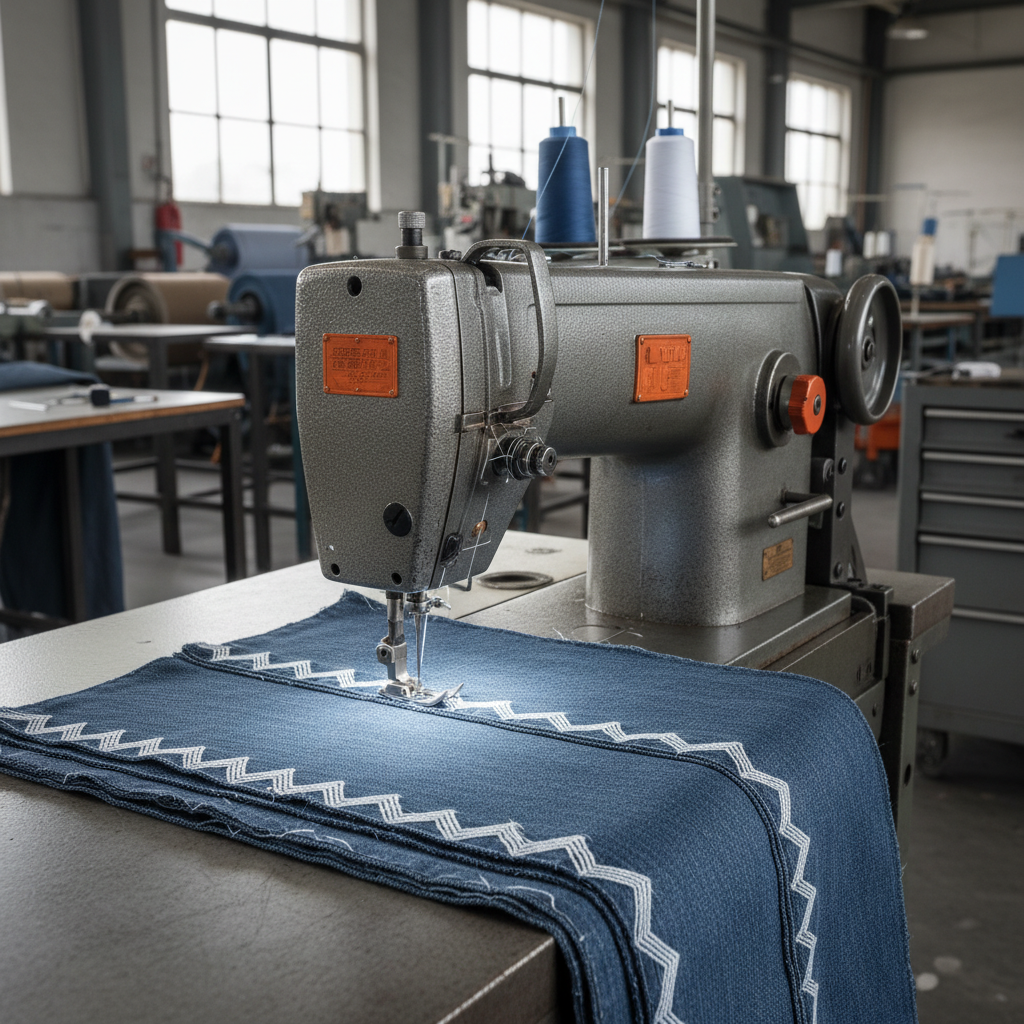
Understanding the Zigzag Lock Stitch
Unlike a straight stitch, the zigzag stitch forms a series of angled stitches, creating a more elastic and durable seam. The “lock stitch” component refers to how each stitch interlocks with the previous one, creating a secure and long-lasting bond. This makes it ideal for fabrics that fray easily or require a degree of stretch. The machine achieves this through a complex system of needles, loopers, and feed dogs working in perfect synchronicity. The result is a seam that resists pulling and unraveling, even under stress.
Key Benefit: The zigzag lock stitch excels at finishing raw edges, preventing fraying and adding a professional touch to your projects.
Key Features of a Zigzag Lock Stitch Sewing Machine
Modern zigzag lock stitch sewing machines are packed with features designed to enhance efficiency and precision. These include adjustable stitch length and width, differential feed (allowing control over fabric stretch), automatic thread trimming, and adjustable presser foot pressure. Many machines also offer programmable stitch patterns, enabling complex decorative stitching. Furthermore, some models incorporate advanced technologies like automatic tension control and needle threading, simplifying the sewing process. Longsew machines are known for their robust construction and reliability, making them a popular choice for industrial applications.
Applications: What Can You Sew with a Zigzag Lock Stitch Machine?
The versatility of this machine is truly remarkable. It's widely used in the garment industry for sewing knit fabrics, lingerie, activewear, and swimwear. Upholsterers rely on it for creating durable seams in furniture. Crafts enthusiasts use it for a variety of projects, including quilting, embroidery, and appliqué. Its ability to handle a wide range of fabric types – from delicate silks to heavy denims – makes it an all-in-one solution for many sewing needs. The zigzag stitch is also ideal for reinforcing buttonholes and creating decorative edges.
Common Applications:
• Garment Construction (Knit & Woven Fabrics)
• Upholstery
• Quilting and Patchwork
• Embroidery and Appliqué
Zigzag Lock Stitch vs. Other Sewing Machine Types
Compared to a standard straight stitch sewing machine, the zigzag lock stitch machine offers greater flexibility and seam strength. While a straight stitch is suitable for many projects, it lacks the stretch and durability needed for knit fabrics. Overlock machines (sergers) also create finished edges, but they are primarily for trimming and overcasting, while the zigzag lock stitch provides a more robust and decorative seam. Here's a comparative look:
Choosing the Right Zigzag Lock Stitch Machine: Longsew Options
When selecting a zigzag lock stitch sewing machine, consider your specific needs and budget. Longsew offers a range of models to suit various applications, from entry-level machines for home use to industrial-grade machines for high-volume production. Features like automatic thread trimming, programmable stitch patterns, and differential feed can significantly improve efficiency and ease of use. Investing in a reliable machine from a reputable manufacturer like Longsew ensures durability and long-term performance.
Conclusion: The Power of Precision Stitching
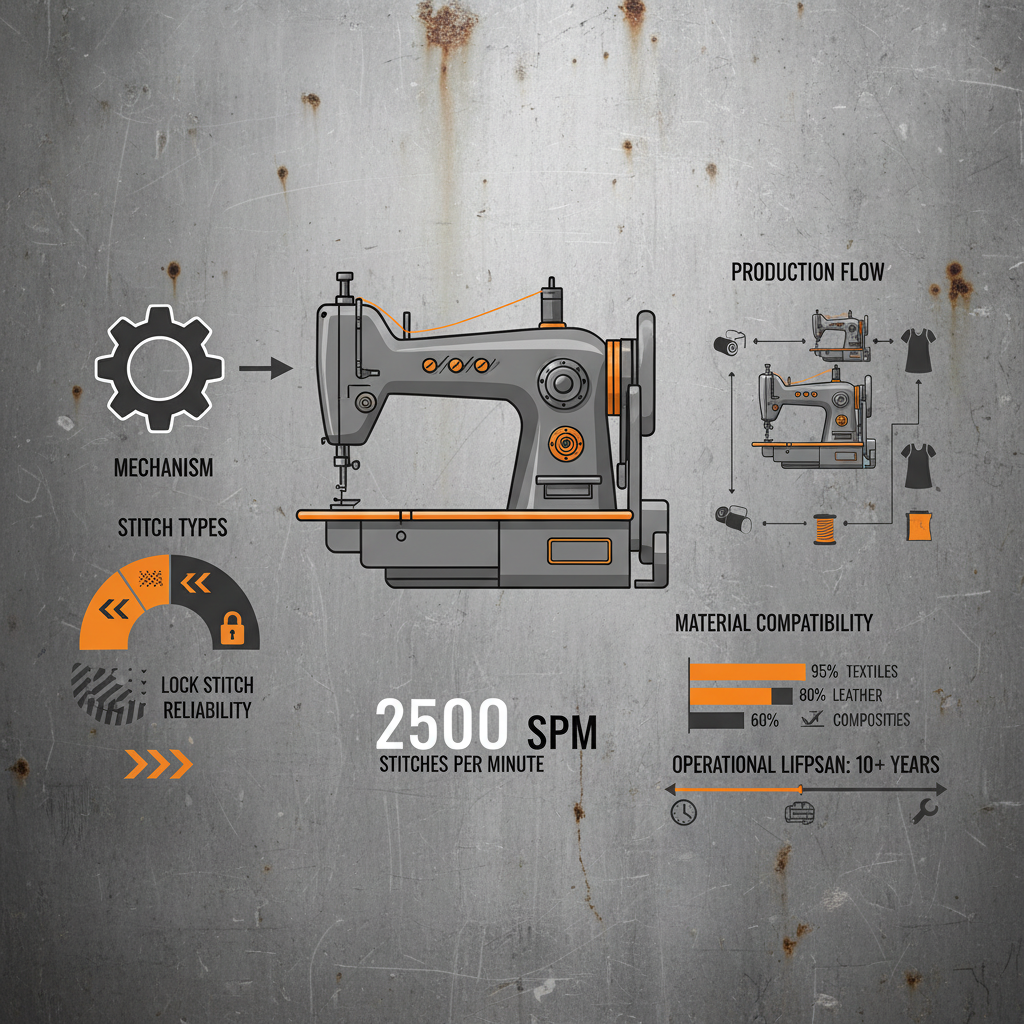
The zigzag lock stitch sewing machine is a cornerstone of modern textile production and crafting. Its ability to create strong, flexible seams with a professional finish makes it an invaluable tool for a wide range of applications. By understanding its features, benefits, and applications, you can choose the right machine for your needs and unlock your creative potential. Explore the comprehensive range of zigzag lock stitch sewing machines at Longsew today!
Frequently Asked Questions (FAQs)
What type of fabric is best suited for a zigzag lock stitch machine?
The zigzag lock stitch machine excels with knit fabrics due to the seam's inherent stretch. However, it’s also suitable for woven fabrics, especially those prone to fraying. It's versatile enough to handle lightweight materials like silk and chiffon, as well as heavier fabrics like denim and canvas, although adjusting stitch length and tension is crucial for optimal results. The machine’s ability to accommodate varying fabric thicknesses makes it a go-to choice for diverse projects.
How often should I oil my zigzag lock stitch sewing machine?
Regular oiling is essential for maintaining optimal performance. Generally, oiling after every 8 hours of use is recommended. However, frequency can vary depending on usage intensity and environmental conditions. Always refer to your machine's manual for specific oiling instructions. Using the correct type of sewing machine oil is crucial – avoid household oils, as they can gum up the mechanism. Proper lubrication reduces friction, prevents wear and tear, and extends the life of your machine.
What is differential feed and how does it benefit sewing?
Differential feed refers to the ability to adjust the feed dogs independently. This allows you to control fabric stretch as it's being sewn. For example, if the top feed dog moves faster than the bottom, the fabric is stretched, which is beneficial for ruffles or gathering. Conversely, if the bottom feed dog moves faster, the fabric is compressed, preventing stretching. This feature is particularly valuable when working with knit fabrics and prevents puckering or distortion. Longsew machines often feature precise differential feed control for superior results.
Can a zigzag lock stitch machine be used for quilting?
Yes, a zigzag lock stitch machine can be used for quilting, although it's not the primary machine for this purpose. While not designed specifically for intricate quilting patterns like a quilting machine, it can effectively stitch quilt layers together, especially for smaller projects or when reinforcing seams. The zigzag stitch provides a secure and durable bond. However, for large or complex quilts, a dedicated quilting machine is generally recommended for greater precision and efficiency.
Latest news
-
Industrial Bag Sewing Machine Price and Comprehensive Buying GuideNewsApr.16,2026
-
Industrial Hand Held Bag Closer for Efficient Packaging SealingNewsApr.16,2026
-
Industrial Hand Held Bag Closer Sewing Machine for PackagingNewsApr.16,2026
-
Efficient Industrial Bag Closer Sewing Machine for PackagingNewsApr.16,2026
-
Industrial Sewing Guide for Choosing the Right Closer MachineNewsApr.16,2026
-
Guide to Capital Bag Closer Machine Price and Buying FactorsNewsApr.16,2026
-
Say goodbye to inefficient cutting! This heavy-duty webbing hot cutting machine redefines the new standard for industrial cuttingNewsApr.14,2026

Hebei LongSew Machinery Technology Co. Ltd is beginning as sewing machine parts supplier, now Longsew have over twenty years experience in complete set sewing machine offering.


CLASSIFICATION
CONTACT US
-

No.368 North Youyi Street, Shijiazhuang City, Hebei Province, China
-

-

Copyright © 2026 HEBEI LONGSEW MACHINERY TECHNOLOGY CO. LTD All Rights Reserved. Sitemap | Privacy Policy | Top Blog | Global Service