

Mar . 05, 2026 01:55
Back to list
Comprehensive Guide to the Jack Cylinder Bed Sewing Machine for Versatile Sewing
Understanding the Jack Cylinder Bed Sewing Machine
The jack cylinder bed sewing machine is a versatile and essential piece of equipment for a wide range of sewing applications. Particularly popular in industries like leather goods, upholstery, and footwear, these machines offer precision and power for handling heavier materials. This article delves into the features, benefits, applications, and important considerations when choosing a jack cylinder bed sewing machine. Investing in the right machine can dramatically improve productivity and the quality of your finished products.
Key Features of Jack Cylinder Bed Sewing Machines
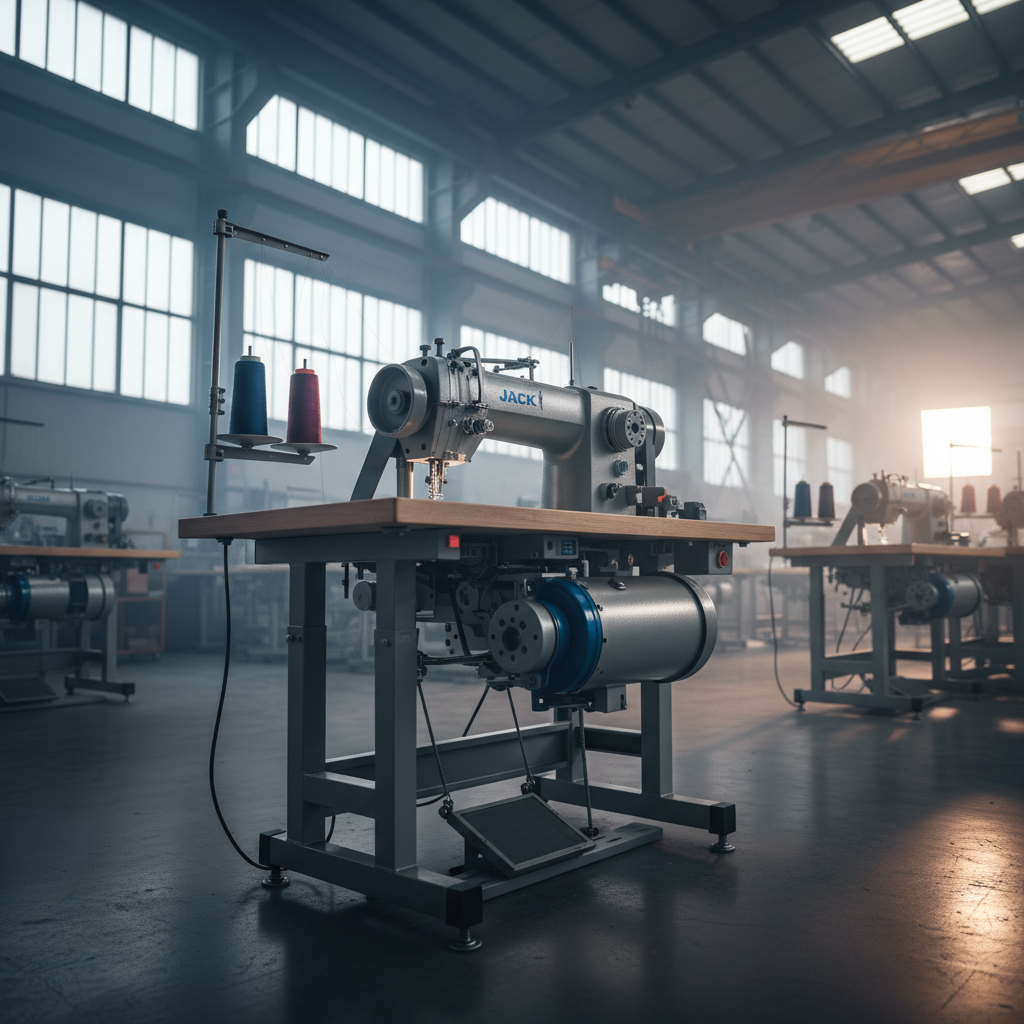
Jack sewing machines are renowned for their robust construction and advanced technology. Cylinder bed machines, specifically, feature a cylindrical needle bed, enabling easy manipulation of bulky materials and intricate designs. Key features often include adjustable stitch length, presser foot lift, and a variety of needle options for different fabrics and applications. Many models also incorporate automatic features like thread trimming and needle positioning to boost efficiency. Longsew offers a diverse selection catering to various needs.
Key Highlights: Robust construction, cylindrical needle bed for easy material handling, adjustable stitch length and presser foot lift, automatic features for increased efficiency.
Applications of the Jack Cylinder Bed Sewing Machine
The versatility of the jack cylinder bed sewing machine makes it a staple in numerous industries. It’s a primary machine for creating leather bags, wallets, belts, and other leather accessories. In upholstery, it’s used for stitching curves and corners on furniture. Footwear manufacturers rely on it for assembling shoe uppers and attaching soles. Beyond these, applications extend to automotive interiors, sporting goods, and industrial textiles. The ability to handle thick materials and navigate complex shapes makes it indispensable for specialized sewing tasks.
Common Applications:
• Leather goods (bags, wallets, belts)
• Upholstery (furniture stitching)
• Footwear (shoe assembly)
• Automotive interiors
Jack Cylinder Bed Sewing Machine vs. Flatbed Sewing Machine
Choosing between a Jack cylinder bed sewing machine and a flatbed sewing machine depends on the type of materials you'll be working with and the complexity of your projects. Cylinder bed machines excel at handling curves and bulky materials, whereas flatbed machines are better suited for sewing flat pieces of fabric together. The cylinder bed allows for easy maneuvering around corners and seams, resulting in cleaner, more professional finishes, particularly on materials like leather. Longsew can help you determine which machine is best for your needs.
Choosing the Right Jack Cylinder Bed Sewing Machine: Key Considerations
When selecting a jack cylinder bed sewing machine, consider the materials you will be working with, the thickness of those materials, and the complexity of your projects. Look for features like adjustable stitch length and presser foot lift to accommodate different fabrics and applications. Also, consider the machine's power and speed, as well as its reliability and ease of maintenance. Longsew offers a range of models with varying specifications to suit different needs.
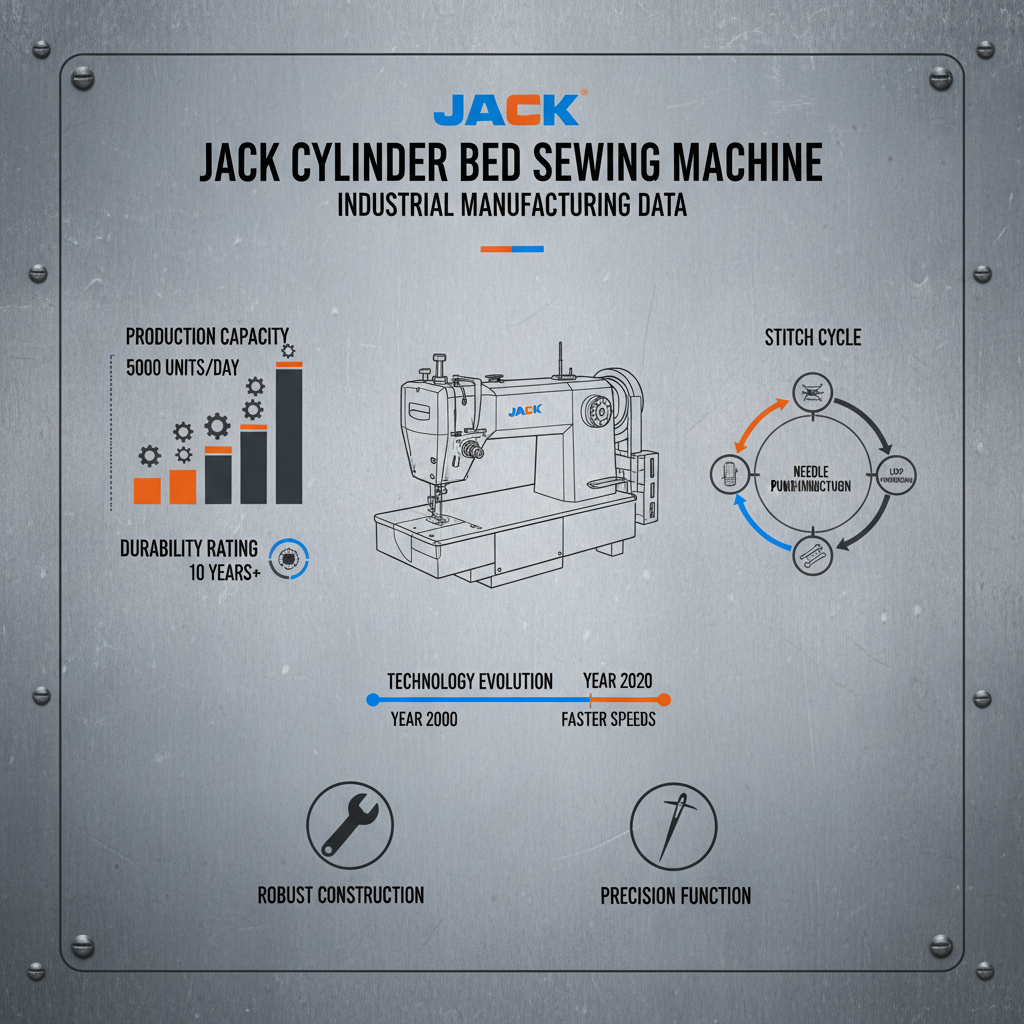
Product Specifications (Example)
Here's an example of typical specifications found in a Jack Cylinder Bed Sewing Machine:
Conclusion: Choosing the Right Jack Cylinder Bed Machine
Investing in a jack cylinder bed sewing machine is a significant decision for any sewing professional. By carefully considering your specific needs, materials, and project requirements, you can select a machine that delivers exceptional performance and durability. Longsew provides a comprehensive selection of high-quality machines and expert advice to help you make the right choice.
Frequently Asked Questions (FAQs)
What types of needles are compatible with Jack Cylinder Bed machines?
Jack Cylinder Bed machines typically use DB x 9 or 130x16 needles. The specific needle type will depend on the fabric you're sewing. For lighter materials, a finer needle is suitable, while heavier fabrics require a larger, stronger needle. Always refer to the machine's manual for the recommended needle size and type. Using the wrong needle can damage the fabric or the machine. Longsew can provide guidance on selecting the appropriate needles for your applications.
How often should I lubricate my Jack Cylinder Bed machine?
Regular lubrication is crucial for maintaining the performance and lifespan of your machine. The frequency of lubrication depends on the usage intensity. As a general guideline, lubricate the machine after every 8-10 hours of operation, or at least once a week. Use a high-quality sewing machine oil and follow the lubrication points specified in the machine's manual. Proper lubrication reduces friction, prevents wear and tear, and ensures smooth operation.
What is the recommended thread type for cylinder bed machines?
The recommended thread type depends on the fabric and application. Polyester thread is generally a good choice for most materials, offering strength and durability. For heavier fabrics like leather, a thicker polyester or nylon thread is recommended. Cotton thread is suitable for lighter fabrics but may not be as strong as polyester. Always test the thread on a scrap piece of fabric to ensure compatibility and desired stitch quality.
Where can I find replacement parts for my Jack Cylinder Bed machine?
Longsew provides a comprehensive range of replacement parts for Jack sewing machines, including needles, presser feet, bobbin cases, and motors. You can find these parts on our website or by contacting our customer support team. Using genuine replacement parts ensures the optimal performance and longevity of your machine.
Latest news
-
Industrial Bag Sewing Machine Price and Comprehensive Buying GuideNewsApr.16,2026
-
Industrial Hand Held Bag Closer for Efficient Packaging SealingNewsApr.16,2026
-
Industrial Hand Held Bag Closer Sewing Machine for PackagingNewsApr.16,2026
-
Efficient Industrial Bag Closer Sewing Machine for PackagingNewsApr.16,2026
-
Industrial Sewing Guide for Choosing the Right Closer MachineNewsApr.16,2026
-
Guide to Capital Bag Closer Machine Price and Buying FactorsNewsApr.16,2026
-
Say goodbye to inefficient cutting! This heavy-duty webbing hot cutting machine redefines the new standard for industrial cuttingNewsApr.14,2026

Hebei LongSew Machinery Technology Co. Ltd is beginning as sewing machine parts supplier, now Longsew have over twenty years experience in complete set sewing machine offering.


CLASSIFICATION
CONTACT US
-

No.368 North Youyi Street, Shijiazhuang City, Hebei Province, China
-

-

Copyright © 2026 HEBEI LONGSEW MACHINERY TECHNOLOGY CO. LTD All Rights Reserved. Sitemap | Privacy Policy | Top Blog | Global Service