

Feb . 27, 2026 01:55
Back to list
Choosing the Ideal Zigzag Foot Sewing Machine for Diverse Sewing Projects
Choosing the Right Zigzag Foot Sewing Machine for Your Needs
A zigzag foot sewing machine is an essential tool for both home and industrial sewing projects. Its versatility allows for a wide range of applications, from basic seam finishing to decorative stitching and creating buttonholes. Selecting the right machine depends heavily on your specific needs, sewing frequency, and the types of fabrics you'll be working with. This article will provide a comprehensive guide to understanding zigzag foot sewing machines, their applications, key features, and how to choose the best option for your requirements. Understanding the nuances of these machines will empower you to make an informed decision and enjoy a smoother, more efficient sewing experience.
What is a Zigzag Foot Sewing Machine?
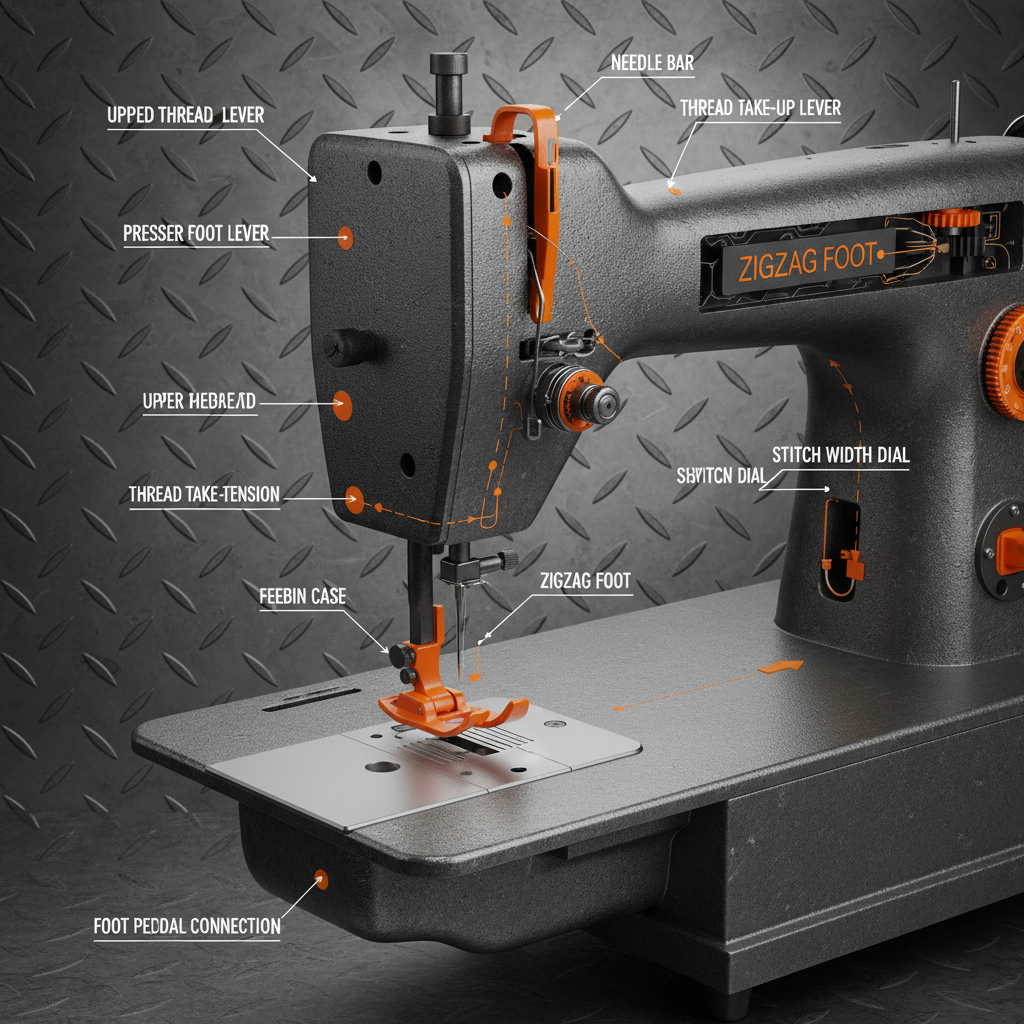
A zigzag foot sewing machine is a sewing machine capable of producing a zigzag stitch, in addition to straight stitches. The zigzag stitch is formed by moving the needle back and forth across the fabric, creating a pattern resembling a series of connected "Z" shapes. This stitch is highly adaptable, making it ideal for a variety of tasks. It's fantastic for preventing fabric fraying, sewing stretchy fabrics, creating decorative designs, and constructing buttonholes. Modern machines often offer adjustable zigzag width and length, enabling precise control over the stitch appearance and functionality. A quality zigzag sewing machine is a workhorse for any sewing enthusiast.
Key Benefits: Versatility, prevents fabric fraying, ideal for stretchy fabrics, customizable stitch patterns.
Applications of Zigzag Foot Sewing Machines
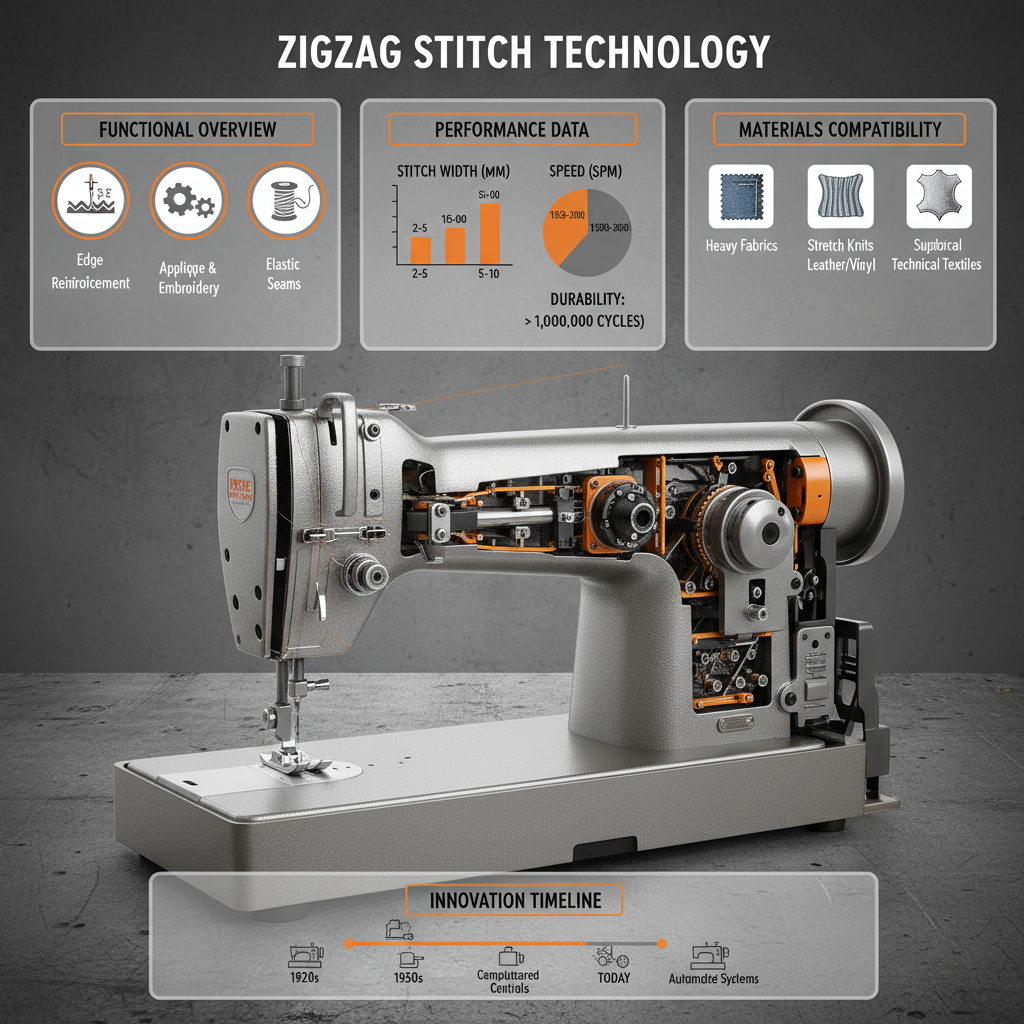
The applications of a zigzag foot sewing machine are incredibly diverse. They are commonly used in garment construction for finishing raw edges, preventing unraveling, and adding decorative touches. In quilting, the zigzag stitch can be used for binding and creating unique quilting designs. They are also crucial for sewing knit fabrics, allowing the fabric to stretch without breaking the stitch. Furthermore, these machines are essential for creating buttonholes, attaching elastic, and even mending delicate fabrics. From simple repairs to complex creations, a zigzag foot sewing machine offers a solution for a wide range of sewing needs.
Common Uses:
• Finishing raw edges
• Sewing knit fabrics
• Creating buttonholes
• Attaching elastic
Comparing Zigzag Foot Sewing Machine Types
Zigzag foot sewing machines come in various types, each suited to different needs. Mechanical machines are generally more affordable and durable, relying on manual dials and levers for stitch selection and adjustment. Electronic machines offer more precision and a wider range of stitch options, often featuring computerized controls. Computerized machines provide the highest level of automation and customization, with pre-programmed stitch patterns and advanced features. The choice depends on your budget, sewing skill level, and the complexity of your projects. A reliable sewing machine is a worthwhile investment.
Key Features to Consider When Choosing a Zigzag Foot Sewing Machine
When selecting a zigzag foot sewing machine, several key features should influence your decision. Stitch length and width adjustments are crucial for achieving desired results. The number of stitch patterns available expands your creative possibilities. A drop-in bobbin system simplifies bobbin loading and monitoring. Adjustable presser foot pressure is essential for handling different fabric weights. Finally, consider the machine's motor power and overall build quality for long-term reliability.
Conclusion: Finding the Perfect Zigzag Foot Sewing Machine
Investing in the right zigzag foot sewing machine will significantly enhance your sewing experience. By carefully considering your needs, budget, and the features discussed in this guide, you can find a machine that empowers you to tackle a wide range of projects with confidence and precision. Don't hesitate to explore different options and read reviews to make the most informed decision.
Frequently Asked Questions (FAQs)
What fabrics are best suited for a zigzag foot sewing machine?
A zigzag foot sewing machine excels at handling a variety of fabrics, particularly those that require stretch or are prone to fraying. Knit fabrics, such as jersey and fleece, benefit from the zigzag stitch's ability to move with the fabric without breaking. Woven fabrics like chiffon and silk can also be sewn effectively with a zigzag stitch, as it helps prevent unraveling. The adjustable stitch length and width allow you to tailor the stitch to the specific fabric weight and texture. It is always recommended to test the stitch on a scrap of fabric before beginning your project.
How do I choose the correct zigzag stitch width and length?
The ideal zigzag stitch width and length depend on the application. For finishing raw edges, a narrow width (around 2-3mm) and a medium length (around 2.5-3mm) are generally effective. For sewing knit fabrics, a wider width (around 4-5mm) and a longer length (around 3-4mm) provide greater stretch and prevent the stitch from breaking. When creating buttonholes, follow the instructions in your machine's manual for the recommended settings. Always test the stitch on a scrap of fabric to ensure it looks and functions as desired.
What is the purpose of a zigzag overlock foot?
A zigzag overlock foot is a specialized presser foot designed to create a professional-looking overlock stitch, similar to that produced by a serger. It features a guide that helps to trim the fabric edge as you sew, preventing fraying and creating a clean, finished seam. This foot is particularly useful for sewing lightweight fabrics or creating decorative edges. It combines the functions of stitching and edge finishing in a single step, saving time and effort.
How often should I clean and oil my zigzag foot sewing machine?
Regular cleaning and oiling are essential for maintaining your zigzag sewing machine's performance. Clean the machine after every use to remove lint and debris from the bobbin area and feed dogs. Oil the machine every few months, or as recommended in your machine's manual, to lubricate the moving parts and prevent rust. Proper maintenance will extend the life of your machine and ensure it runs smoothly for years to come.
Latest news
-
Industrial Bag Sewing Machine Price and Comprehensive Buying GuideNewsApr.16,2026
-
Industrial Hand Held Bag Closer for Efficient Packaging SealingNewsApr.16,2026
-
Industrial Hand Held Bag Closer Sewing Machine for PackagingNewsApr.16,2026
-
Efficient Industrial Bag Closer Sewing Machine for PackagingNewsApr.16,2026
-
Industrial Sewing Guide for Choosing the Right Closer MachineNewsApr.16,2026
-
Guide to Capital Bag Closer Machine Price and Buying FactorsNewsApr.16,2026
-
Say goodbye to inefficient cutting! This heavy-duty webbing hot cutting machine redefines the new standard for industrial cuttingNewsApr.14,2026

Hebei LongSew Machinery Technology Co. Ltd is beginning as sewing machine parts supplier, now Longsew have over twenty years experience in complete set sewing machine offering.


CLASSIFICATION
CONTACT US
-

No.368 North Youyi Street, Shijiazhuang City, Hebei Province, China
-

-

Copyright © 2026 HEBEI LONGSEW MACHINERY TECHNOLOGY CO. LTD All Rights Reserved. Sitemap | Privacy Policy | Top Blog | Global Service