

Jan . 27, 2026 17:35
Back to list
Choosing the Best Heavy Duty Sewing Machine for Vinyl Projects
Choosing the Right Heavy Duty Sewing Machine for Vinyl: A Comprehensive Guide
Working with vinyl requires a robust and reliable sewing machine capable of handling the material's thickness and unique properties. Selecting the appropriate heavy duty sewing machine for vinyl is crucial for achieving professional-quality results. This guide explores the key features to consider, different machine types, and recommendations to help you make an informed decision. From crafting durable bags to creating custom upholstery, the right machine can significantly improve your workflow and final product.
Understanding the Challenges of Sewing Vinyl
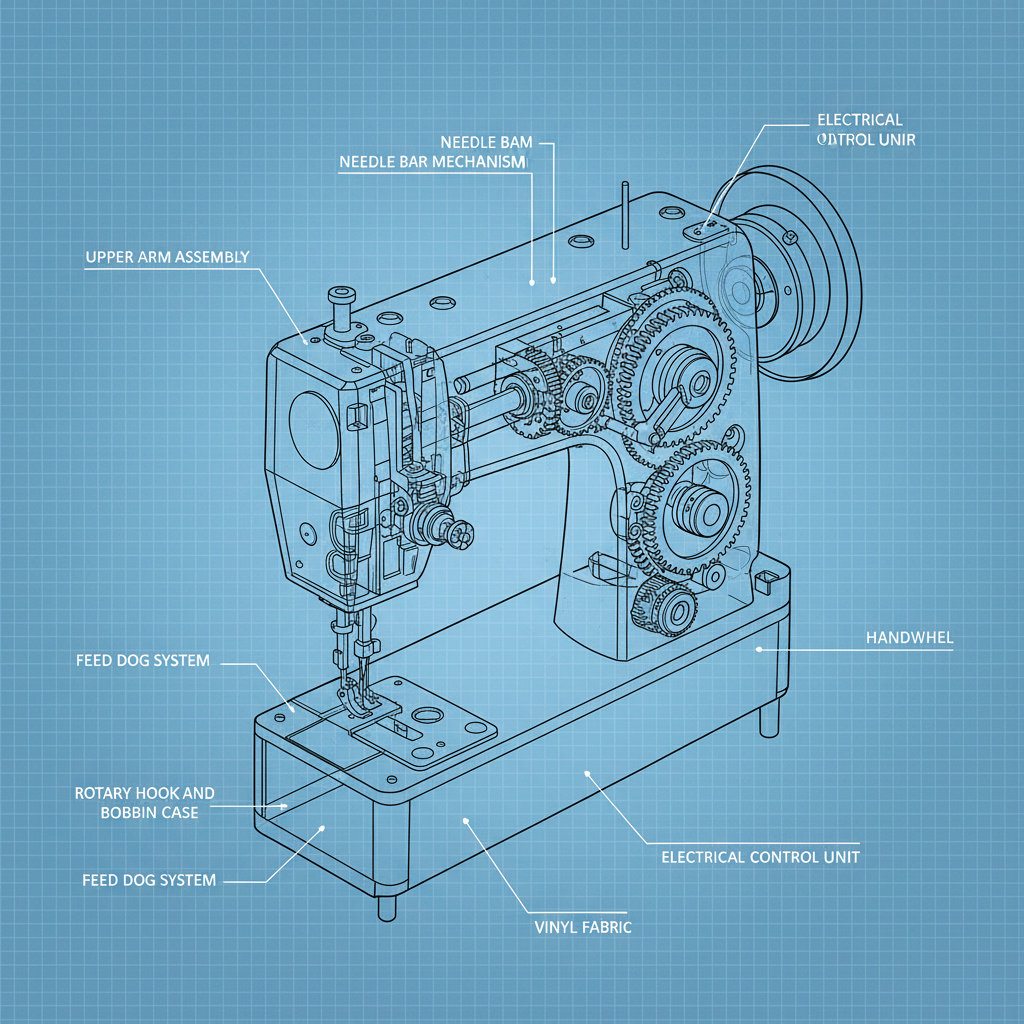
Vinyl presents unique sewing challenges compared to fabrics. Its non-porous nature means it doesn’t readily accept pins, and it can be ‘sticky’ making it difficult to feed through the machine. Standard sewing machines often lack the power and specialized features needed to consistently stitch through multiple layers of vinyl. Furthermore, using the wrong needle or thread can cause skipped stitches, damaged material, and frustration. A heavy duty sewing machine specifically designed for vinyl will overcome these issues with increased motor power, adjustable presser feet, and specialized needles.
Key Features to Look for in a Heavy Duty Sewing Machine for Vinyl
When choosing a machine, prioritize these features: High Motor Power: Look for a machine with at least 600 watts or higher to handle the thickness of vinyl. Adjustable Presser Foot Pressure: This allows you to control how firmly the presser foot grips the vinyl, preventing slipping or marking. Walking Foot: A walking foot is essential for feeding multiple layers of vinyl evenly. Needle Selection: Use specialized needles designed for vinyl, typically wedge point or ballpoint needles. Stitch Length Adjustment: A wider range of stitch length options allows for better control and prevents puckering. Durability and Build Quality: Invest in a machine constructed with robust materials for long-term reliability.
Essential Feature Recap: High Motor Power, Adjustable Presser Foot Pressure, Walking Foot, Specialized Needles, Stitch Length Adjustment, and Robust Build Quality.
Types of Heavy Duty Sewing Machines for Vinyl
Several machine types are suitable for vinyl, each with its own strengths. Industrial Walking Foot Machines: These are the workhorses for professional vinyl work, offering unmatched power and precision. They're ideal for high-volume projects. Heavy Duty Domestic Machines: Some domestic machines, like those from Longsew, offer sufficient power and features for lighter vinyl projects. Sailor Machines: Designed to sew heavy materials, often used for upholstery, bags, and protective covers. Consider your project scale and budget when selecting a machine type.
Machine Type Comparison:
• Industrial: Highest power, precision, and durability.
• Heavy Duty Domestic: Good balance of power, features, and affordability.
• Sailor Machines: Best for thick materials like upholstery vinyl.
Longsew’s Recommended Heavy Duty Sewing Machines for Vinyl
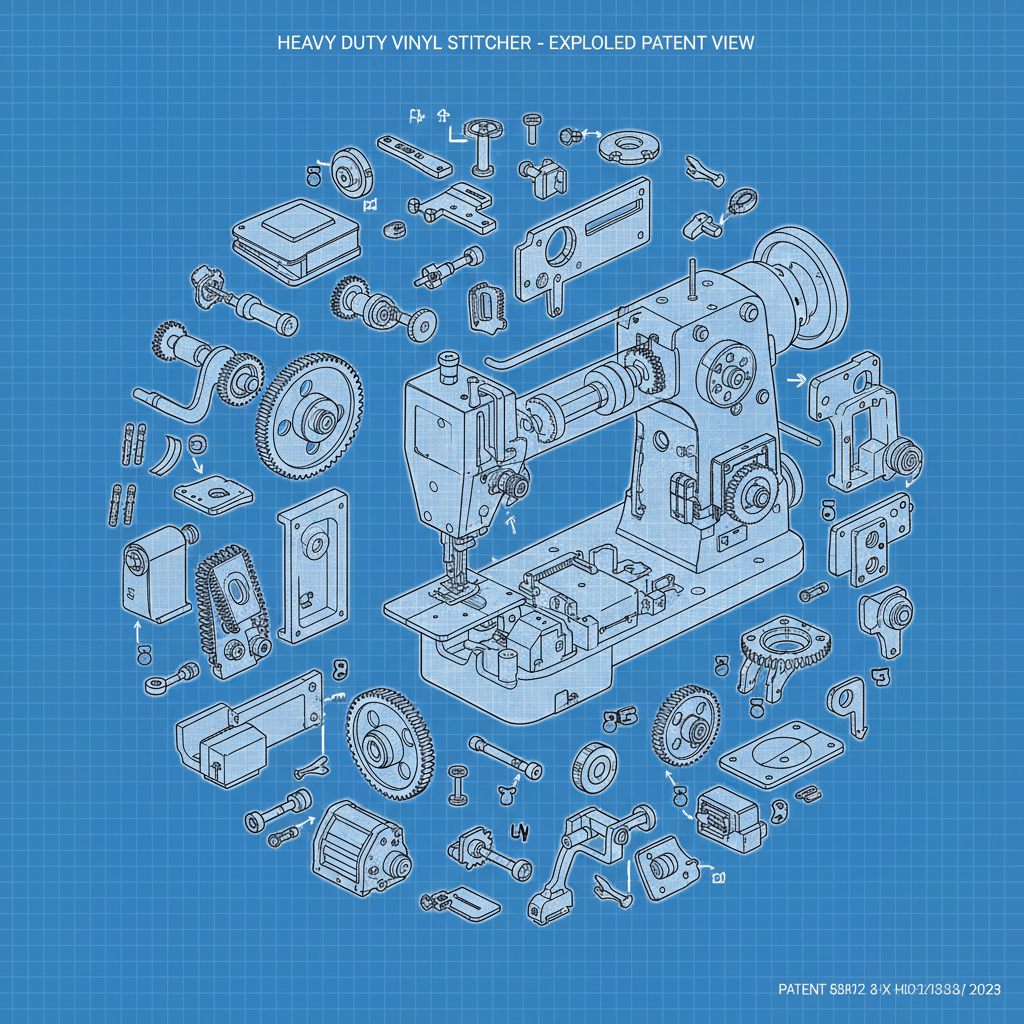
Longsew offers a range of heavy duty sewing machines perfectly suited for working with vinyl. Here's a comparison of three popular models:
Tips for Sewing Vinyl Successfully
Follow these tips for optimal results: Use a Teflon Foot or Walking Foot: These prevent the vinyl from sticking. Slow Down: Sew at a slower speed to maintain control. Avoid Pins: Use clips or tape to hold layers together. Test Stitch on Scrap Vinyl: Before starting your project, test different needle sizes and stitch lengths. Use the Right Thread: Polyester or nylon thread is best for vinyl.
Conclusion: Choosing the Best Machine for Your Needs
Selecting the right heavy duty sewing machine for vinyl is an investment in the quality and efficiency of your projects. By considering the factors outlined in this guide and exploring the options available from Longsew, you can find the perfect machine to tackle even the most challenging vinyl applications.
Frequently Asked Questions (FAQs)
What needle type is best for sewing vinyl?
Wedge point needles are specifically designed for vinyl and synthetic leathers. They penetrate the material cleanly without snagging. Ballpoint needles can also be used for lighter weight vinyls, but wedge point needles generally offer better results. Always test a sample piece of vinyl with different needle sizes to determine the optimal choice for your project. Using the wrong needle can cause skipped stitches, puckering, and damage to the vinyl.
How do I prevent the vinyl from sticking to the presser foot?
Using a Teflon foot or a walking foot is the most effective way to prevent vinyl from sticking. Teflon provides a non-stick surface that allows the vinyl to glide smoothly under the foot. A walking foot helps feed multiple layers of vinyl evenly, reducing the risk of sticking and puckering. You can also apply a light coating of silicone spray to the underside of the presser foot, but be careful not to get any on the vinyl itself.
What thread type should I use for vinyl projects?
Polyester or nylon thread are the best choices for sewing vinyl. These threads are strong, durable, and resistant to abrasion and UV damage. Cotton thread is not recommended, as it can break easily and is not as durable. Choose a thread weight that is appropriate for the thickness of the vinyl and the type of project you are working on.
Can a standard sewing machine handle vinyl?
While a standard sewing machine can sometimes handle lighter-weight vinyl, it's generally not recommended for anything beyond very simple projects. Vinyl's thickness and stickiness can strain a standard machine, leading to skipped stitches, broken needles, and potential damage to the machine. A heavy-duty sewing machine designed for vinyl provides the power, features, and durability needed to consistently produce high-quality results.
Latest news
-
Industrial Bag Sewing Machine Price and Comprehensive Buying GuideNewsApr.16,2026
-
Industrial Hand Held Bag Closer for Efficient Packaging SealingNewsApr.16,2026
-
Industrial Hand Held Bag Closer Sewing Machine for PackagingNewsApr.16,2026
-
Efficient Industrial Bag Closer Sewing Machine for PackagingNewsApr.16,2026
-
Industrial Sewing Guide for Choosing the Right Closer MachineNewsApr.16,2026
-
Guide to Capital Bag Closer Machine Price and Buying FactorsNewsApr.16,2026
-
Say goodbye to inefficient cutting! This heavy-duty webbing hot cutting machine redefines the new standard for industrial cuttingNewsApr.14,2026

Hebei LongSew Machinery Technology Co. Ltd is beginning as sewing machine parts supplier, now Longsew have over twenty years experience in complete set sewing machine offering.


CLASSIFICATION
CONTACT US
-

No.368 North Youyi Street, Shijiazhuang City, Hebei Province, China
-

-

Copyright © 2026 HEBEI LONGSEW MACHINERY TECHNOLOGY CO. LTD All Rights Reserved. Sitemap | Privacy Policy | Top Blog | Global Service