

Jan . 27, 2026 17:25
Back to list
A Comprehensive Guide to Choosing the Right Heavy Duty Denim Thread
Understanding Heavy Duty Denim Thread: A Comprehensive Guide
When it comes to crafting durable and aesthetically pleasing denim products, the choice of thread is paramount. Heavy duty denim thread is engineered to withstand the stresses of denim sewing, ensuring long-lasting seams and a professional finish. This article delves into the world of heavy duty denim thread, covering its characteristics, applications, types, and how to choose the right thread for your projects. Whether you’re a seasoned denim artisan or just starting, understanding this vital component is key to creating high-quality denim goods.
What Makes a Thread "Heavy Duty" for Denim?
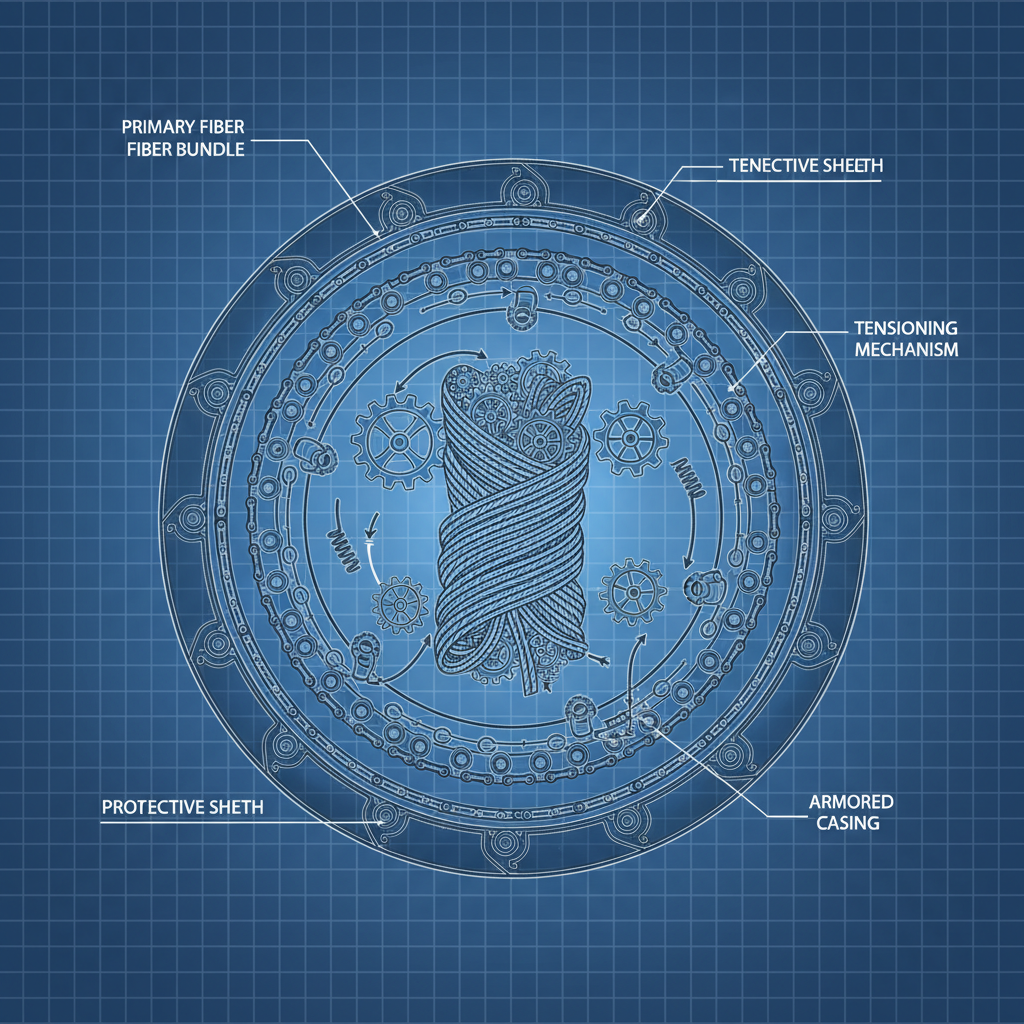
The term "heavy duty" refers to several key characteristics of the thread. First, it’s about the thread's weight or thickness – a heavier thread uses more fiber, making it stronger. Second, it involves the fiber composition; traditionally, these threads are made from strong materials like bonded nylon or polyester. Finally, construction method plays a role; core-spun threads, where a strong core is wrapped with outer fibers, are particularly durable. These characteristics combine to create a thread capable of resisting breakage during the demanding process of sewing through thick denim layers.
Key Highlights: Heavy duty denim thread prioritizes strength, durability, and resistance to abrasion, making it ideal for high-stress seams in denim projects.
Types of Heavy Duty Denim Thread
Several types of heavy duty thread cater to different denim applications. Bonded Nylon offers exceptional strength and abrasion resistance, making it ideal for heavy-duty workwear and outerwear. Polyester thread is known for its UV resistance and minimal stretch, suitable for applications where consistent seam dimensions are critical. Core-spun thread combines a strong core (often polyester) with an outer wrap of cotton or nylon, providing a balance of strength and a natural look and feel. The best choice depends on the specific project requirements and desired aesthetic.
Thread Type Comparison:
• Bonded Nylon: Highest strength, excellent abrasion resistance.
• Polyester: UV resistant, minimal stretch, good durability.
• Core-spun: Balance of strength and natural appearance.
Choosing the Right Heavy Duty Denim Thread: A Detailed Comparison
Selecting the correct heavy duty denim thread requires considering the weight of the denim, the intended use of the garment, and the desired aesthetic. A lighter-weight denim can be sewn with a slightly thinner heavy-duty thread, while heavier denims require thicker, stronger threads. For instance, workwear jeans typically need the strongest nylon threads, while fashion jeans might benefit from core-spun threads that offer a more vintage appearance.
Applications Beyond Jeans: Where Heavy Duty Thread Excels
While synonymous with denim, heavy duty thread's applications extend far beyond jeans. It’s ideal for crafting durable bags, backpacks, upholstery, and even leather goods. Its strength and resilience make it perfect for projects that require robust seams capable of withstanding significant stress. Furthermore, it can be used for decorative stitching, adding a distinctive aesthetic to various items.
Thread Size & Weight: Understanding Tex and Denier
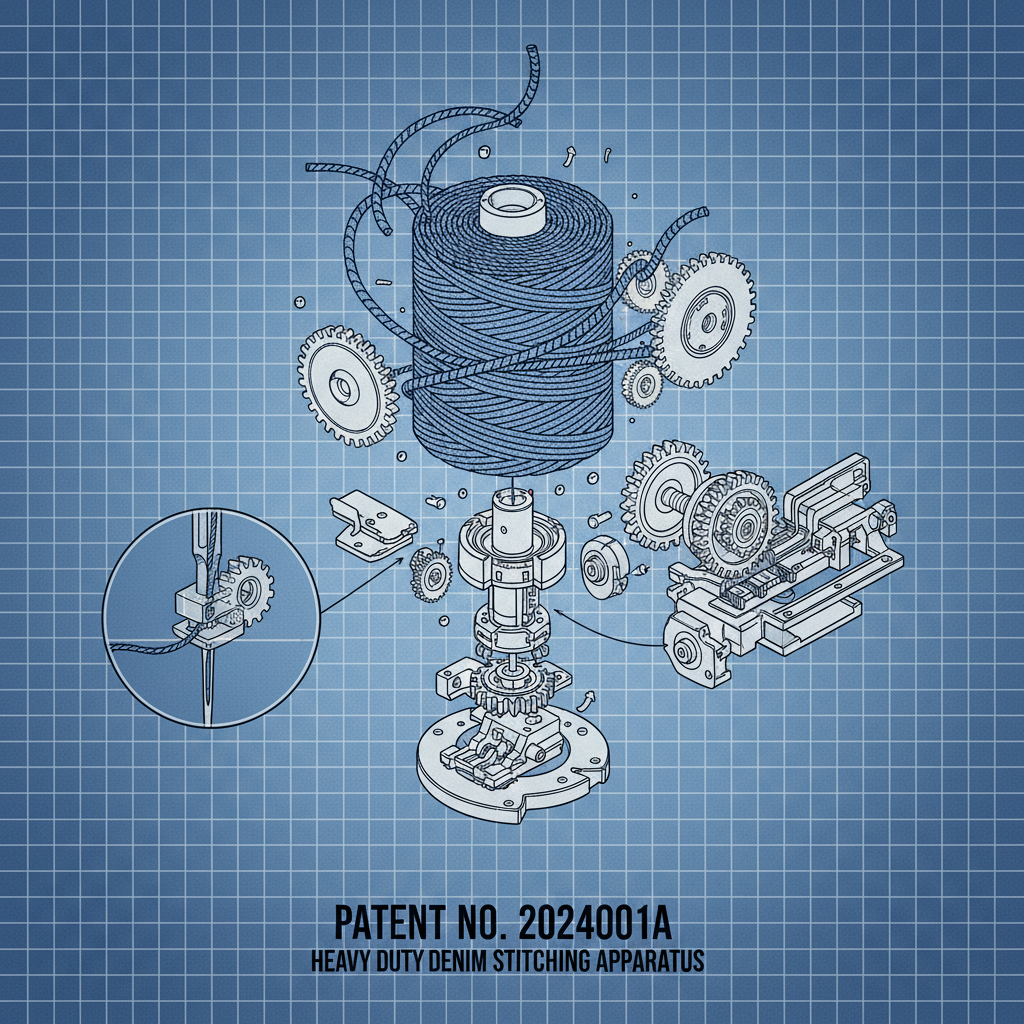
Thread weight is often measured in Tex or Denier. Tex refers to the linear mass density of a single yarn, while Denier is used primarily for continuous filament fibers. Higher Tex and Denier numbers indicate a thicker, heavier thread. Common sizes for heavy-duty denim sewing range from Tex 70 to Tex 150. Choosing the appropriate size ensures the thread's strength matches the denim's weight. LongSew offers a variety of weights to suit your project.
Conclusion: Invest in Quality for Lasting Results
Investing in high-quality heavy duty denim thread is crucial for creating durable, professional-looking denim products. Understanding the different types, weights, and applications will empower you to make the right choice for your projects. Don't compromise on quality – choose a thread that can withstand the rigors of denim sewing and deliver long-lasting results.
Frequently Asked Questions (FAQs)
What is the difference between Tex and Denier when measuring thread weight?
Tex and Denier are both units used to measure the linear mass density of fibers, but they are applied differently. Tex is used for staple fibers (short, discontinuous fibers like cotton or wool), and is defined as the mass in grams per 1000 meters of fiber. Denier is used for continuous filament fibers (like polyester or nylon), and is defined as the mass in grams per 9000 meters of fiber. Generally, a higher Tex or Denier number indicates a thicker, heavier thread. Choosing the correct measurement for your thread type is crucial for ensuring compatibility with your sewing machine and achieving strong, durable seams.
How do I prevent thread breakage when sewing heavy denim?
Thread breakage can be frustrating when working with heavy denim. Several factors can contribute to this issue. Ensure you are using the correct needle size (typically a size 16 or 18 for denim) and a heavy-duty thread designed for denim. Reduce sewing speed, especially when starting and stopping seams. Use a walking foot to ensure even fabric feeding, and keep your machine properly maintained, including regular cleaning and oiling. Finally, ensure your thread path is clear and free of obstructions.
What is a core-spun thread and why is it beneficial for denim?
Core-spun thread is constructed with a strong core filament (usually polyester) wrapped in an outer layer of a natural fiber like cotton. This combination offers the best of both worlds: the strength and durability of the polyester core with the aesthetic appeal and feel of cotton. For denim, this means a thread that’s strong enough to withstand heavy use but still has a natural look and feel, making it ideal for visible topstitching and creating a vintage aesthetic.
How should I store heavy-duty denim thread to prolong its lifespan?
Proper storage is essential to prevent thread from becoming brittle or damaged. Store your thread in a cool, dark, and dry place, away from direct sunlight and extreme temperatures. Keep it protected from dust and moisture. Ideally, store thread in its original packaging or in a thread storage box to prevent tangling and maintain its quality.
Latest news
-
Industrial Bag Sewing Machine Price and Comprehensive Buying GuideNewsApr.16,2026
-
Industrial Hand Held Bag Closer for Efficient Packaging SealingNewsApr.16,2026
-
Industrial Hand Held Bag Closer Sewing Machine for PackagingNewsApr.16,2026
-
Efficient Industrial Bag Closer Sewing Machine for PackagingNewsApr.16,2026
-
Industrial Sewing Guide for Choosing the Right Closer MachineNewsApr.16,2026
-
Guide to Capital Bag Closer Machine Price and Buying FactorsNewsApr.16,2026
-
Say goodbye to inefficient cutting! This heavy-duty webbing hot cutting machine redefines the new standard for industrial cuttingNewsApr.14,2026

Hebei LongSew Machinery Technology Co. Ltd is beginning as sewing machine parts supplier, now Longsew have over twenty years experience in complete set sewing machine offering.


CLASSIFICATION
CONTACT US
-

No.368 North Youyi Street, Shijiazhuang City, Hebei Province, China
-

-

Copyright © 2026 HEBEI LONGSEW MACHINERY TECHNOLOGY CO. LTD All Rights Reserved. Sitemap | Privacy Policy | Top Blog | Global Service