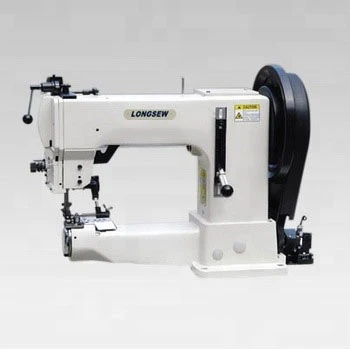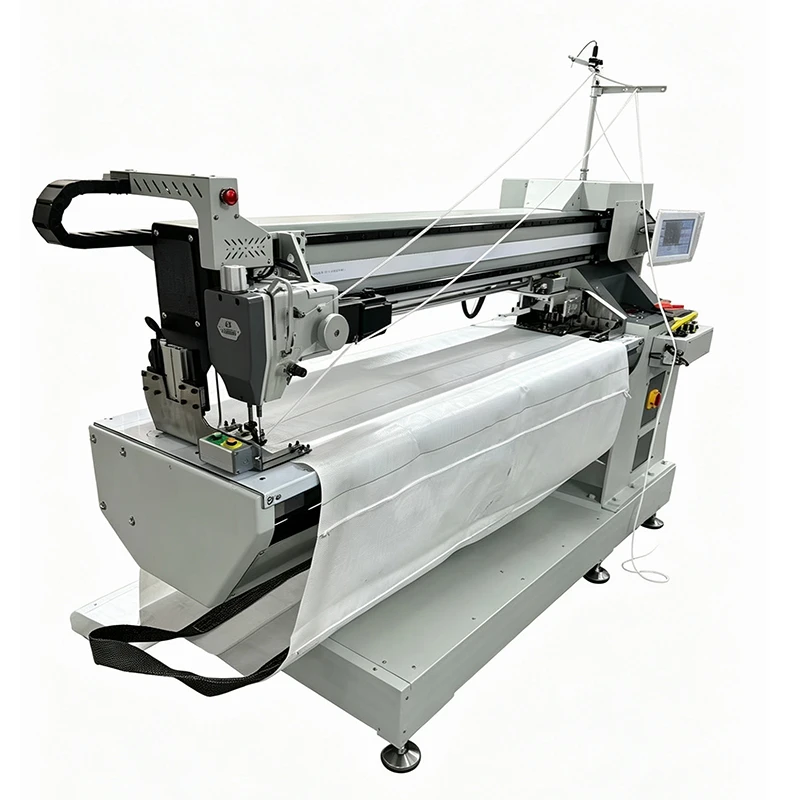
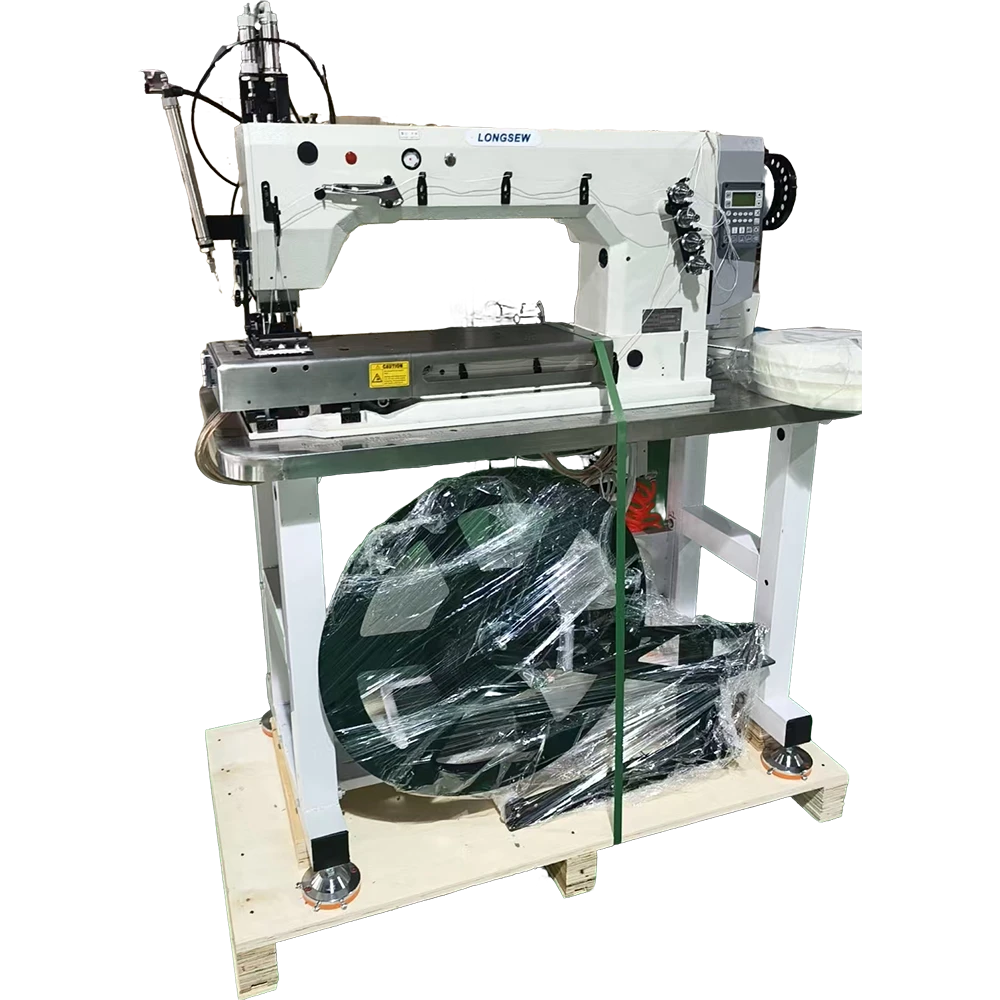
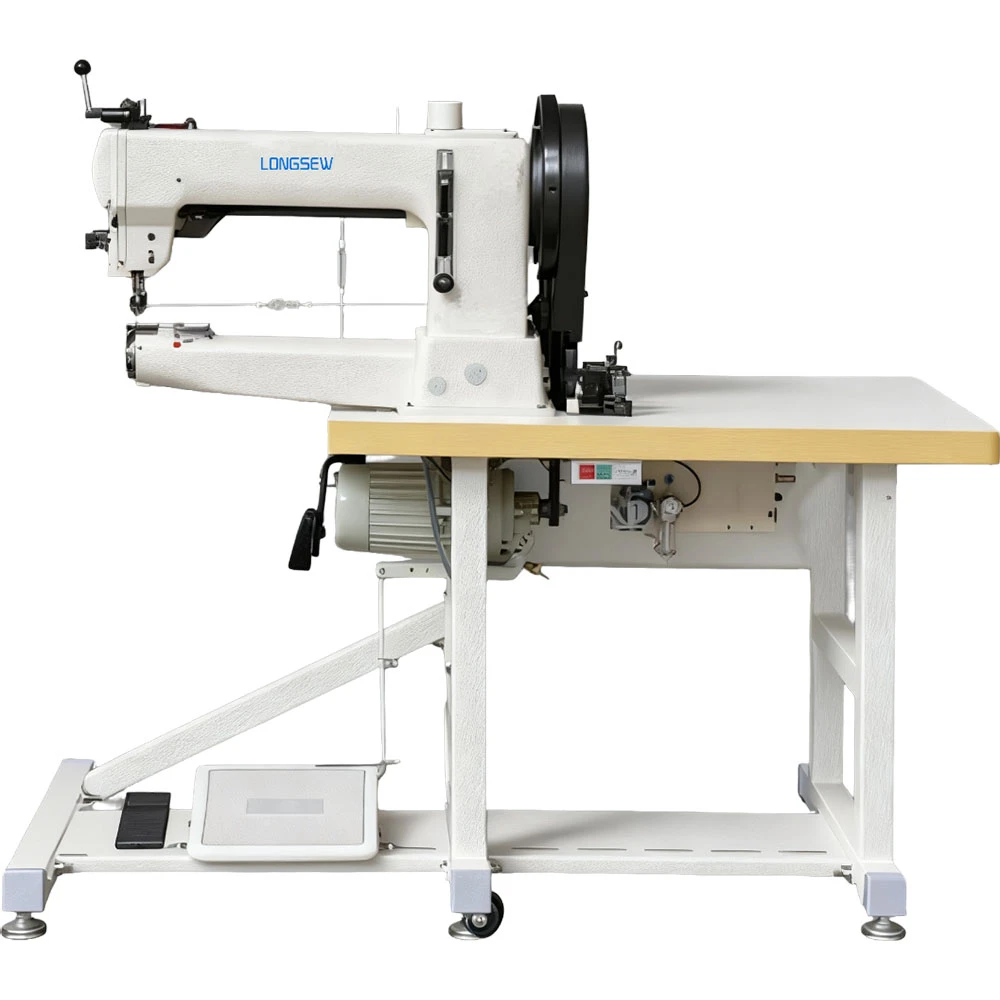
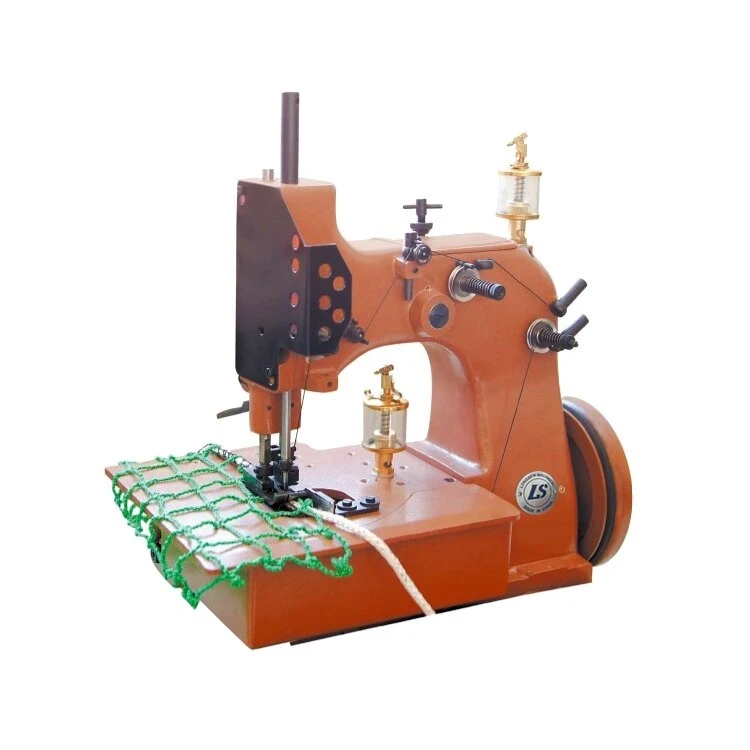
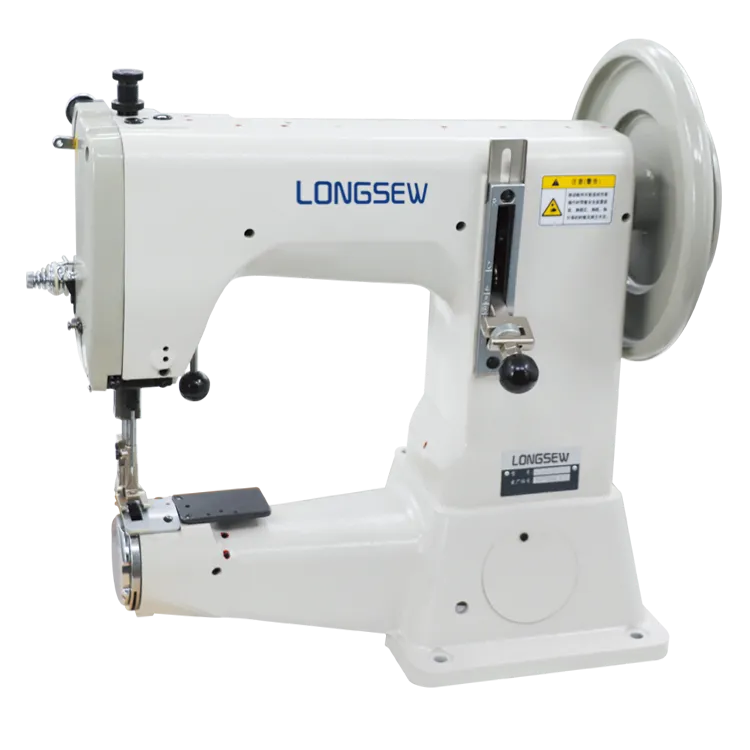
Advanced jumbo bag sewing machine Solutions for Turkey's Industrial Packaging

Precision-engineered stitching systems designed to elevate the efficiency of FIBC and heavy-duty bag manufacturing across the Turkish textile corridor.

Advanced jumbo bag sewing machine Solutions for Turkey's Industrial Packaging

Providing high-performance industrial stitching technology tailored for Turkey's demanding textile and logistics sectors, ensuring seamless production of large-scale industrial containers.

The Current State of Industrial Bag Manufacturing in Turkey

Analyzing the intersection of Turkey's textile heritage and modern industrial packaging needs.

Turkey serves as a critical hub for the European and Middle Eastern markets, where the demand for high-strength packaging is driven by massive agricultural exports and a robust chemical industry. The reliance on a high-quality fibc sewing machine is paramount for local manufacturers who must meet stringent EU safety standards for load-bearing bags.

Geographically, the concentration of textile factories in regions like Bursa and Istanbul creates a competitive environment where operational uptime is critical. Many facilities are currently transitioning from manual processes to semi-automated big bag sewing machine systems to reduce labor costs and increase stitch consistency during peak export seasons.

Furthermore, the diversity of the Turkish market—ranging from mineral exports to food grains—requires versatile equipment. This has led to an increased adoption of the 50 kg jute bag making machine to cater to the specialized agricultural packaging needs of the Anatolian plateau.
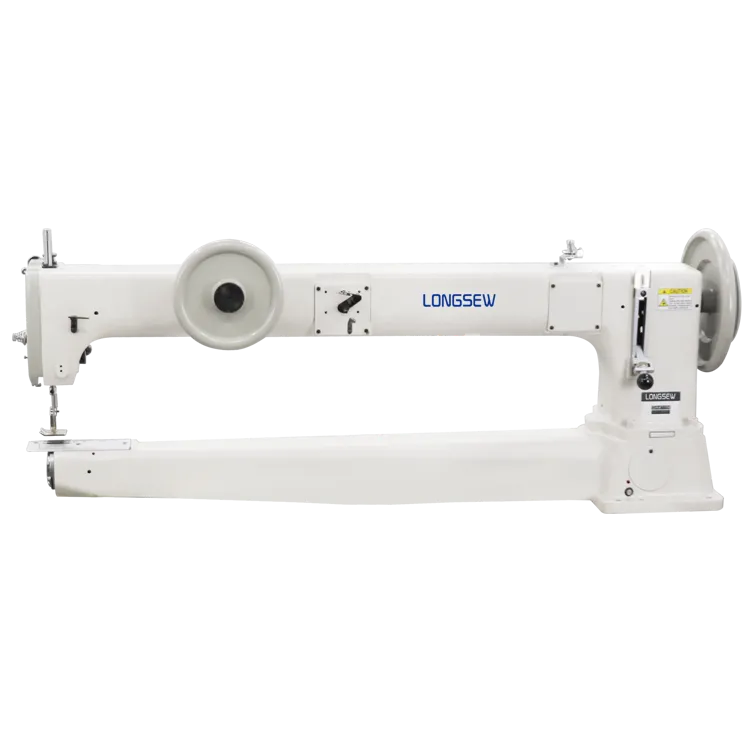
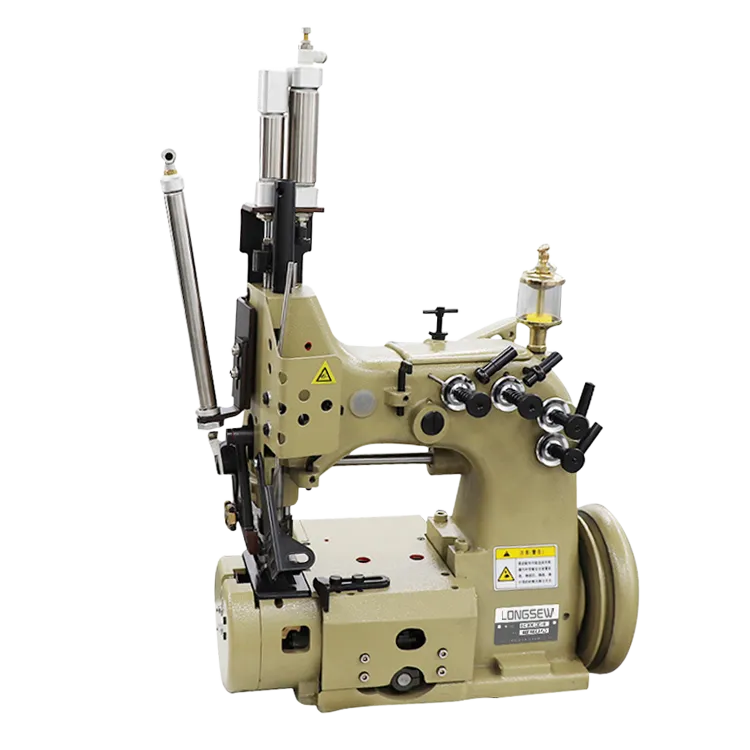
Evolution and Trajectory of Bag Stitching Technology

From traditional lockstitch to high-speed automated industrial solutions.

Market Development History

In the early 2000s, the Turkish market relied heavily on basic mechanical sewing tools. The primary focus was on durability rather than speed, with manual operators handling most of the jumbo bag stitching machine tasks, resulting in high variability in seam strength.

Between 2010 and 2020, a significant shift occurred as electronic control systems entered the market. The introduction of servo-motor driven machines allowed for precise tension control, which was essential for the growing FIBC export sector targeting the automotive and chemical industries.

Today, the industry has entered the era of "Smart Stitching." Modern facilities now integrate PLC-controlled systems that minimize waste and maximize throughput, ensuring that every seam meets international ISO certifications for heavy-duty lifting.

Future Development Trends

AI-Driven Tension Optimization

Integration of sensors to automatically adjust thread tension based on fabric thickness in real-time, reducing human error in heavy-duty sewing.

Eco-Friendly Energy Systems

A move towards ultra-low energy consumption motors to align with Turkey's "Green Deal" objectives for industrial sustainability.

Modular Automation

The shift from standalone machines to modular cells where cutting, sewing, and lifting loop attachment are synchronized.

Industrial Trends and Future Outlook

Strategic forecasting for the next 3-5 years in the Turkish textile machinery sector.

Digitalization of Production
Implementation of IoT monitoring to track machine performance and predict maintenance needs across Turkish factories.
High-Speed Cycle Times
Increasing the stitches-per-minute (SPM) to meet the surging demand from the Mediterranean logistics hubs.
Material Versatility
Expanding capabilities to sew biodegradable and recycled polymers as Turkey adopts circular economy practices.
Precision Quality Control
Integration of vision systems to detect seam gaps or thread breakage automatically.

Industry Outlook

Based on Google search trends in the Asia-Turkey region, there is a rising query volume for "automated industrial stitching" and "high-capacity FIBC production." This indicates a market pivot from low-cost labor reliance to technology-driven efficiency.

We predict that by 2028, the majority of Turkish bag manufacturers will adopt hybrid systems—combining human oversight with robotic precision—to remain competitive in the global logistics supply chain.

Localized Application Scenarios in Turkey

Real-world deployments of our stitching solutions across various Turkish industrial sectors.

01. Agricultural Bulk Export in Central Anatolia

Using our 50 kg jute bag making machine to package high-quality legumes and grains for shipment to the EU, ensuring zero leakage and high seam durability.

02. Chemical Packaging in Kocaeli Industrial Zone

Deploying heavy-duty fibc sewing machine units to create powder-tight containers for polymer resins, meeting strict safety ratings for hazardous materials.

03. Mining & Mineral Transport in Eastern Turkey

Utilizing the jumbo bag stitching machine to produce reinforced bags for transporting minerals and ores across rugged terrains.

04. Textile Waste Recycling in Bursa

Applying big bag sewing machine technology to create massive collection bags for fabric scraps, supporting the regional circular economy.

05. Food Grade FIBC Production for Aegean Exports

Integrating high-speed stitching systems to produce food-grade jumbo bags for olive oil seeds and dried fruits, adhering to global hygiene and strength standards.

Brand Story

Global Development History of Hebei Longsew Machinery Technology Co., Ltd.

Founding the Precision Standard

Established with a mission to eliminate seam failure in heavy-duty textiles, we began by mastering the core mechanics of industrial stitching.

Technological Breakthroughs

We innovated the dual-feed system, allowing our machines to handle thicker fabrics without slipping, a key pain point for FIBC manufacturers.

Global Market Expansion

Expanding into Turkey and the broader Asia region, we localized our support systems to provide real-time technical assistance to textile hubs.

Sustainable Engineering

Launched a series of energy-efficient motors and biodegradable thread compatibility to support the global shift toward green manufacturing.

The Future of Connectivity

Today, we are integrating AI diagnostics into our machinery to ensure that "Zero-Defect" is a reality for every industrial bag produced.

Frequently Asked Questions for Turkey Clients

Technical insights and operational guidance for our industrial sewing equipment.

Which fibc sewing machine is best for high-density polypropylene fabric?

For high-density PP, we recommend our heavy-duty series with reinforced needles and adjustable tension controls to prevent fabric tearing while maintaining a secure seal.

How to maintain a jumbo bag sewing machine in dusty environments?

We suggest daily compressed air cleaning of the bobbin area and weekly lubrication of the main shaft to prevent dust accumulation from affecting stitch quality.

Can the 50 kg jute bag making machine handle recycled jute fibers?

Yes, our machines are designed with versatile feed dogs that can accommodate the varying texture and thickness of recycled jute fibers without skipping stitches.

What is the average lifespan of a big bag sewing machine under 24/7 operation?

With proper maintenance and genuine parts, our industrial machines are built for a 10-year operational lifespan even in high-intensity production environments.

Does the jumbo bag stitching machine support automatic thread trimming?

Our advanced models feature an automatic trimming system that reduces waste and speeds up the cycle time per bag significantly.

How do I choose the right needle size for my FIBC production?

Needle selection depends on the fabric GSM; generally, larger needles are used for heavy-duty bags to ensure penetration without bending under high tension.

Request a Technical Consultation

Optimize your production line with the world's leading stitching technology. Our experts are ready to support your facility in Turkey.

Contact Us Now

If you are interested in our products, you can choose to leave your information here, and we will be in touch with you shortly.