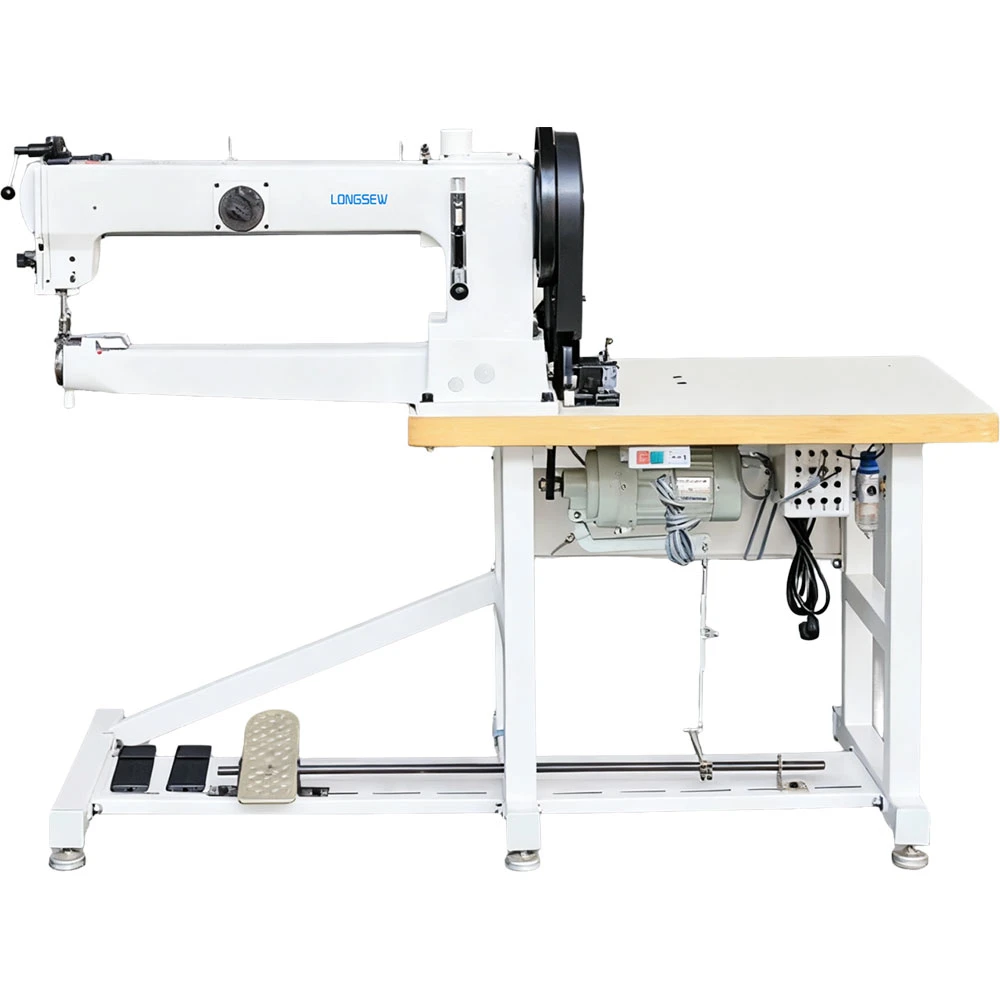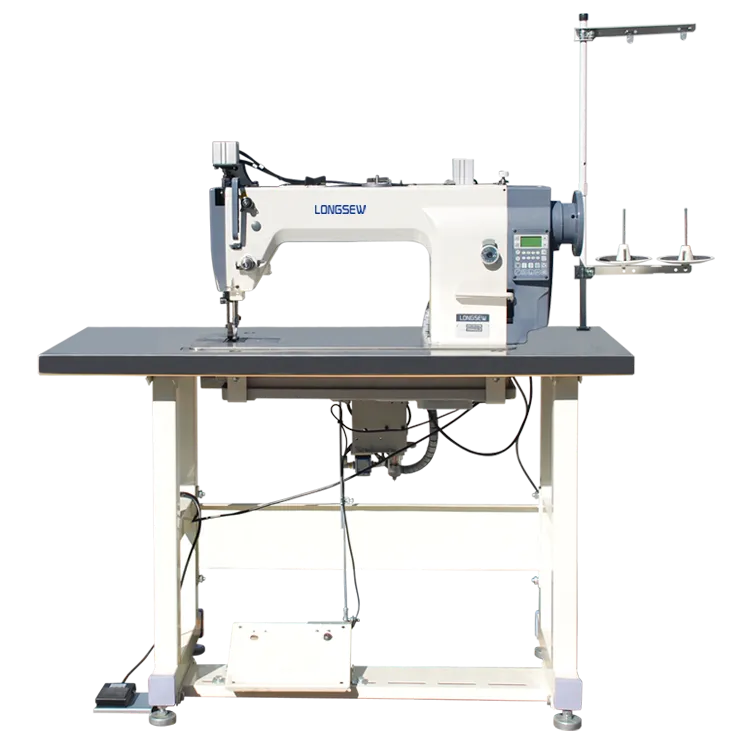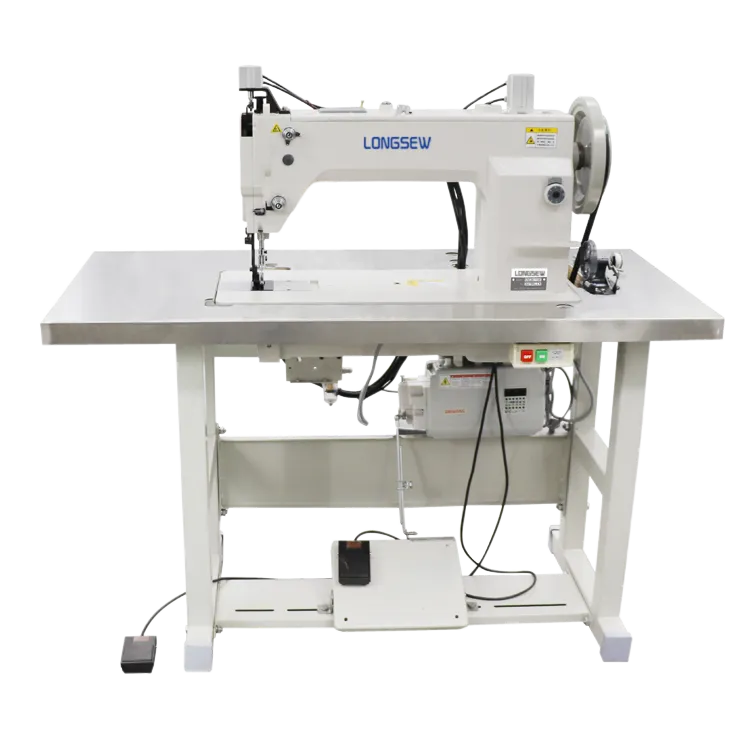
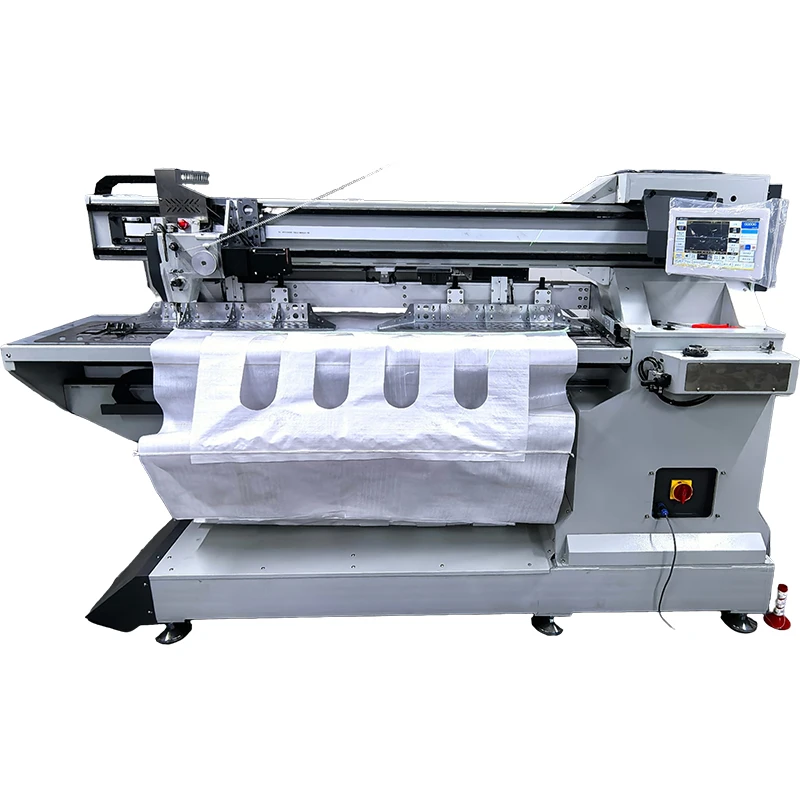
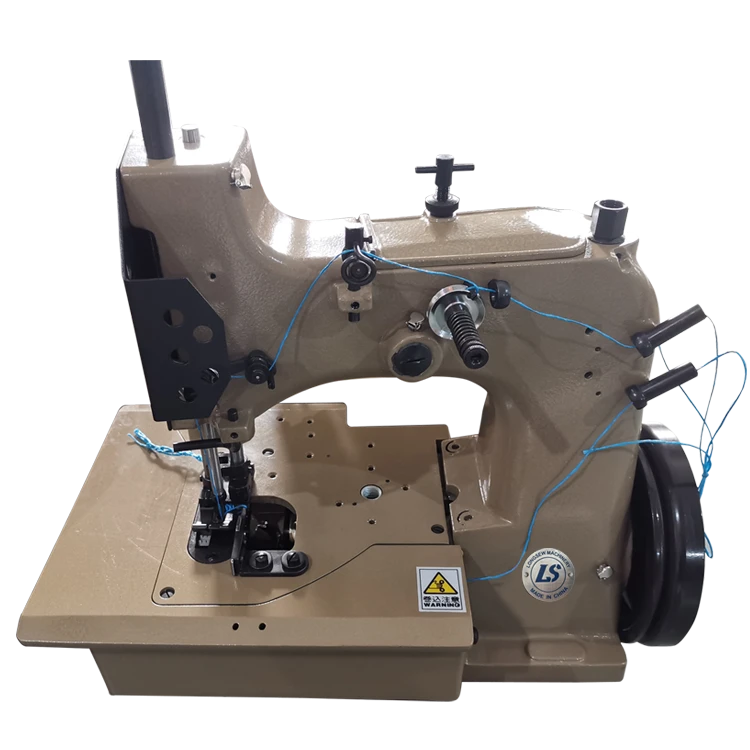
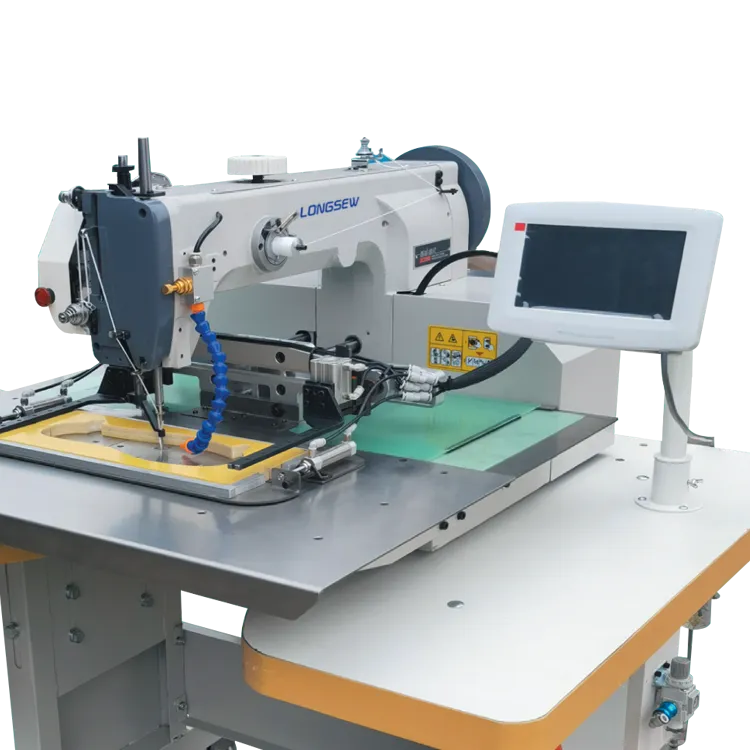
Advanced jumbo bag sewing machine Solutions for Iran's Industrial Packaging

High-performance stitching technology engineered to meet the rigorous demands of Iran's petrochemical, agricultural, and mineral transport sectors.

The Landscape of Industrial Bag Manufacturing in Iran

Analyzing the intersection of textile machinery and Iran's diverse export economy.

Iran's industrial packaging sector is heavily driven by its massive petrochemical and agricultural exports. The demand for a reliable fibc sewing machine is critical for producing bags that can withstand the harsh environmental conditions and long-distance transport typical of the region's trade routes.

The local market faces a unique challenge: the need for equipment that can handle diverse materials, from synthetic polypropylene to traditional jute. This has led to a surge in demand for a versatile 50 kg jute bag making machine to support the local agricultural supply chain and food security initiatives.

Furthermore, the extreme temperature fluctuations in Iran's plateau regions necessitate machinery with high thermal stability. Industrial operators are increasingly moving away from manual stitching toward an automated jumbo bag stitching machine to maintain consistent quality and reduce labor-intensive errors.
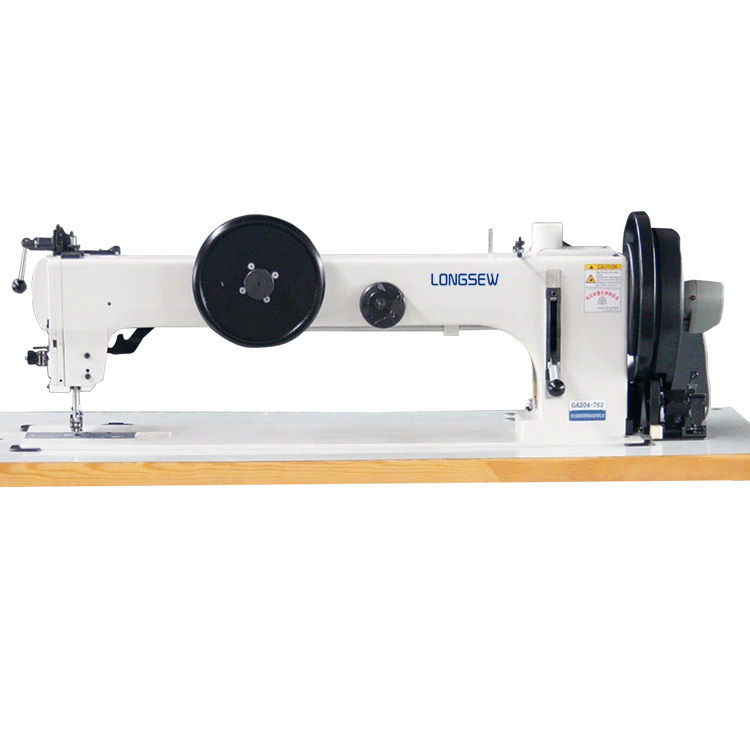
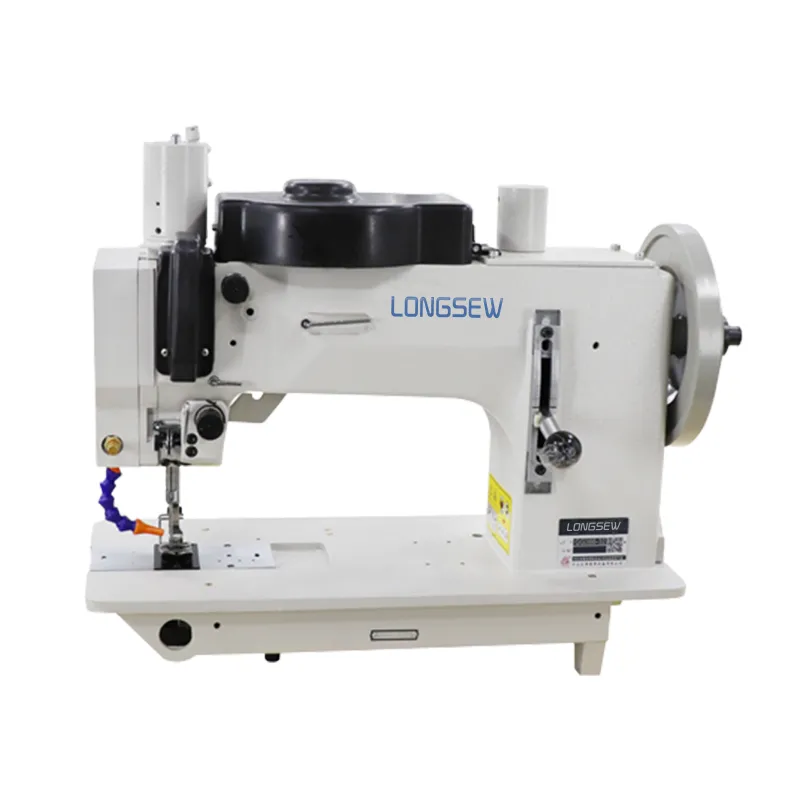
Evolution of Stitching Technology in Iran

From manual looms to automated high-speed industrial sewing systems.

Market Development History

In the late 20th century, the Iranian packaging industry relied predominantly on basic manual sewing techniques and imported second-hand machinery. The focus was mainly on simple sacks for local grain storage, where speed was secondary to basic functionality.

Between 2000 and 2015, the rise of the petrochemical industry shifted the focus toward FIBCs. This era saw the introduction of the first dedicated big bag sewing machine models, which allowed for larger load capacities and stronger reinforced seams to meet international export standards.

From 2016 to the present, the market has entered a phase of "Precision Automation." Manufacturers are now integrating PLC-controlled systems and high-speed motors into their jumbo bag sewing machine setups to increase throughput and minimize material waste.

Future Development Trends

Integration of IoT Diagnostics

Predictive maintenance is becoming vital. Future machinery will likely feature sensors that monitor thread tension and needle wear in real-time to prevent downtime in 24/7 Iranian factories.

Sustainable Material Adaptation

With global shifts toward biodegradable polymers, sewing machines are being redesigned to handle non-traditional fibers without compromising the stitch integrity of heavy-duty bags.

Energy-Efficient Servo Technology

Driven by rising energy costs, the transition to direct-drive servo motors will reduce power consumption by up to 40% compared to traditional clutch motors.

Future Trends and Strategic Outlook

Driving efficiency through technological convergence in the textile machinery sector.

Automated Precision
Implementing programmable stitching patterns to ensure every jumbo bag meets strict safety factors for lifting.
Modular Design
Machines that can be quickly converted between different bag sizes and materials to maximize plant flexibility.
Smart Material Handling
Reducing fabric waste through automated cutting and sewing alignment systems.
Eco-Friendly Power
Implementation of low-carbon components to align with new environmental standards in the textile industry.

Industry Outlook

Based on Google search trends for "industrial sewing automation" and "FIBC manufacturing," there is a clear trajectory toward integrated production lines. Iran is expected to see a transition where standalone machines are replaced by fully synchronized systems that handle weaving, cutting, and stitching.

The future will be defined by "Resilient Manufacturing," where machinery is designed for longevity and ease of repair, reducing dependency on complex foreign supply chains and emphasizing local maintenance capabilities.

Localized Application Scenarios in Iran

Practical deployments of high-capacity sewing machinery across key Iranian industries.

01. Petrochemical Powder Packaging

Using a big bag sewing machine to produce dust-proof, high-strength FIBCs for the transport of polymer granules in the Bandar Abbas industrial zone.

02. Agricultural Grain Export

Deploying a 50 kg jute bag making machine for the rapid packaging of wheat and barley for export to neighboring regions.

03. Mining and Mineral Transport

Utilizing a heavy-duty jumbo bag stitching machine to create reinforced bags for transporting raw ores from the Kerman province mines.

04. Chemical Fertilizer Production

Implementing a fibc sewing machine to manufacture specialized bags that prevent leakage of volatile nitrogen-based fertilizers.

05. Industrial Salt Packaging

Applying a jumbo bag sewing machine to produce corrosion-resistant bags for the salt industry near the Caspian coast.

Brand Story

Global Development History of Hebei Longsew Machinery Technology Co., Ltd.

Foundational Engineering

Started with a focus on solving the core stability issues of heavy-duty sewing, creating machines that eliminate skipped stitches in thick fabrics.

Technological Breakthrough

Developed proprietary lubrication systems that extend the lifespan of industrial needles by 300%, reducing downtime for global clients.

Market Expansion

Expanded into the Middle Eastern market, specifically tailoring machines for the unique climatic and material needs of the Iranian textile sector.

Innovation Hub

Established a R&D center focused on servo-motor integration and automated tension control for big bag manufacturing.

Global Leadership

Currently recognized as a premier provider of specialized textile machinery, committed to empowering industrial packaging worldwide.

Common Questions from Iranian Industrial Operators

Technical guidance and support for textile machinery operation.

Which fibc sewing machine is best for heavy polypropylene fabrics?

For heavy PP fabrics, we recommend machines with reinforced gearboxes and high-torque motors to ensure consistent stitch length and penetration.

How to maintain a jumbo bag sewing machine in dusty environments?

Regular lubrication and the use of compressed air to clean the feed dogs and bobbin area every shift are essential to prevent debris buildup.

Can a 50 kg jute bag making machine handle synthetic blends?

Yes, our machines feature adjustable tension settings that allow for seamless switching between 100% jute and synthetic blended fibers.

What is the average lifespan of a jumbo bag stitching machine?

With proper maintenance and genuine parts, our industrial stitching machines are designed to operate for over 10 years in high-capacity environments.

Do you provide spare parts for the big bag sewing machine in Iran?

We maintain a comprehensive inventory of needles, loopers, and belts specifically for the Iranian market to ensure minimal downtime.

How does automation improve the efficiency of FIBC production?

Automation reduces human error in seam alignment and increases stitching speed by up to 50%, significantly lowering the cost per bag.

Consult Our Textile Engineering Experts

Looking to upgrade your production line in Iran? Our team provides tailored technical specifications to maximize your ROI.

Contact Us Now

If you are interested in our products, you can choose to leave your information here, and we will be in touch with you shortly.